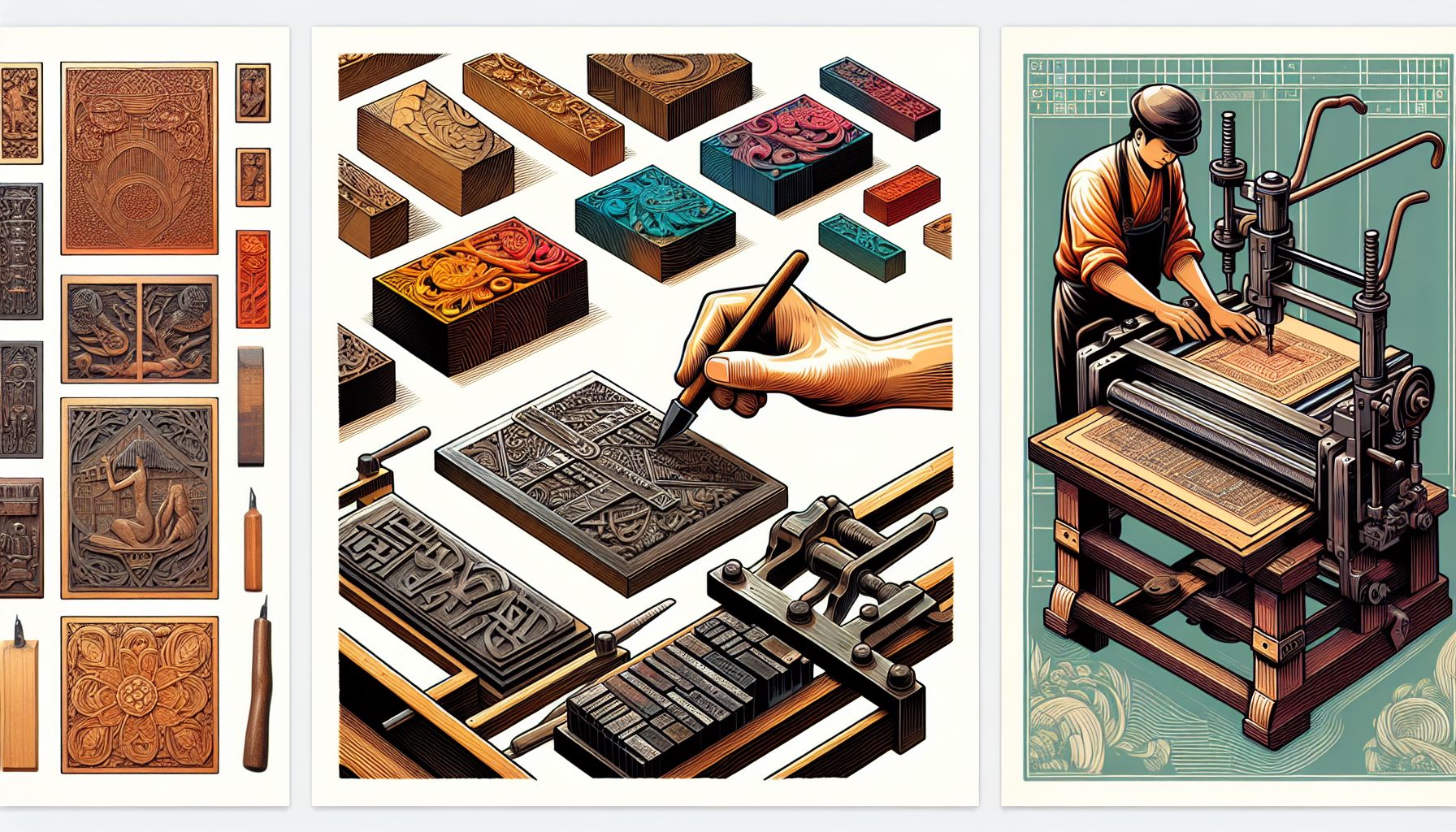
When it comes to printing, there’s a lot more to it than just paper and ink. The art and science of printing are grounded on techniques and methods that have evolved over centuries. This piece will explore a variety of printing techniques, delving into the history, mechanics, and advantages of each, allowing you to understand the intricate processes which contribute to the printed material you see every day.
Introducing the World of Printing Techniques
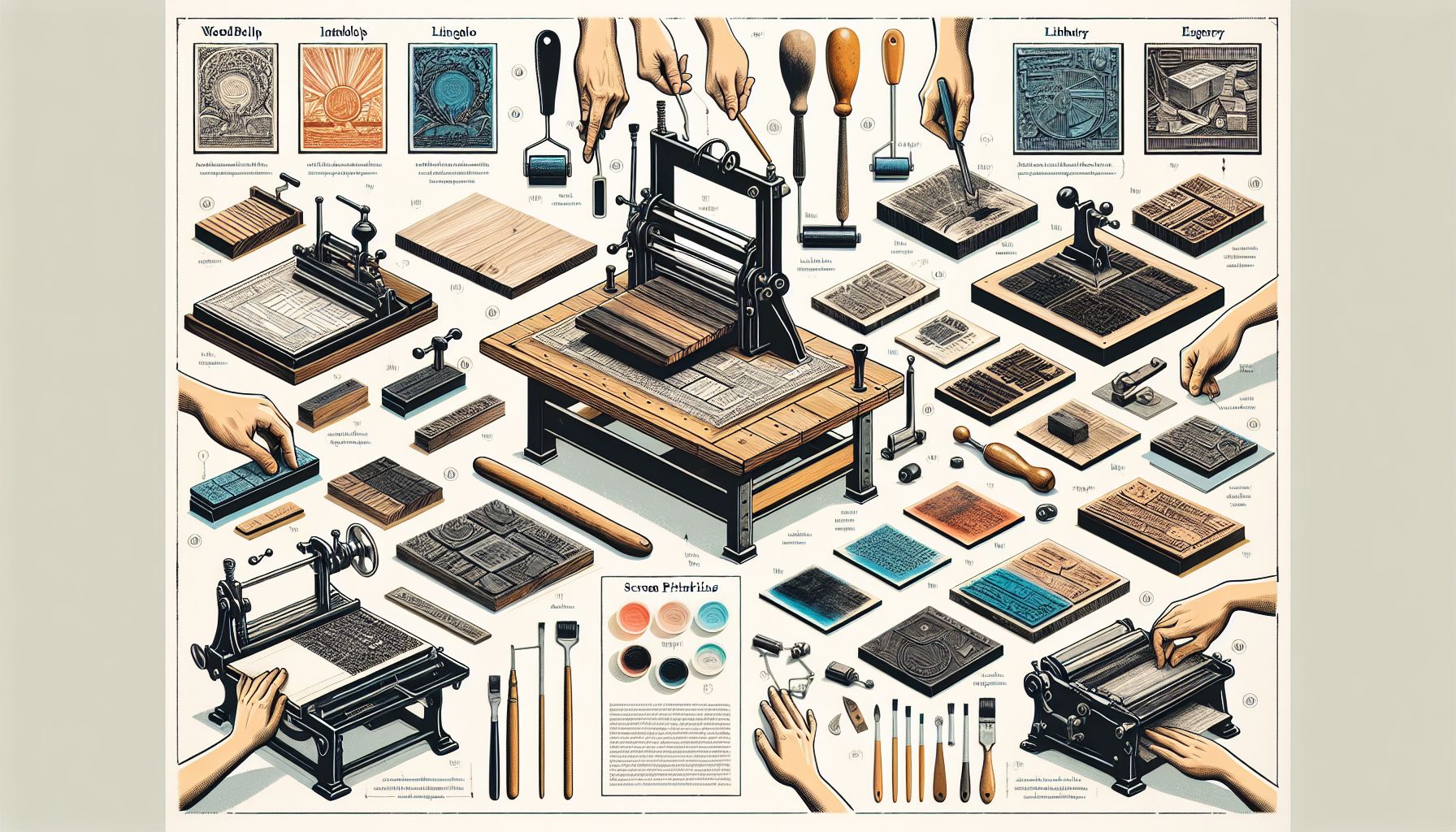
Printing is an art form that has been around for centuries. Its history is steeped in brilliance and innovation, shaping societies and cultures and taking knowledge dissemination to an entirely different level. Over the decades, multiple printing techniques have emerged and each brings a unique approach to realizing the image onto a material’s surface. In this exploration, we’ll delve into traditional methods such as offset lithography and letterpress and emerging trends like digital and 3D printing.
Traditional Printing Techniques
1. Offset Lithography
The most common method used in high-volume commercial printing, offset lithography, relies on the principle that water and oil do not mix. The desired image gets inked and transferred from plates to a rubber blanket and then to the surface.
Offset lithography is versatile, allowing printing on a diverse range of surfaces like paper, wood, cloth, metal, leather, and rough paper. The technique provides high and consistent image quality and requires minimal maintenance of the press.
2. Flexography
A modern version of letterpress, Flexography serves the needs of a high-speed, volume-driven printing industry. Fast-drying inks are used, and the printed material can be supplied on a reel for automatic packaging applications. This method is commonly used in packaging industries for labels, plastic bags, carton boxes, and wallpaper.
3. Letterpress
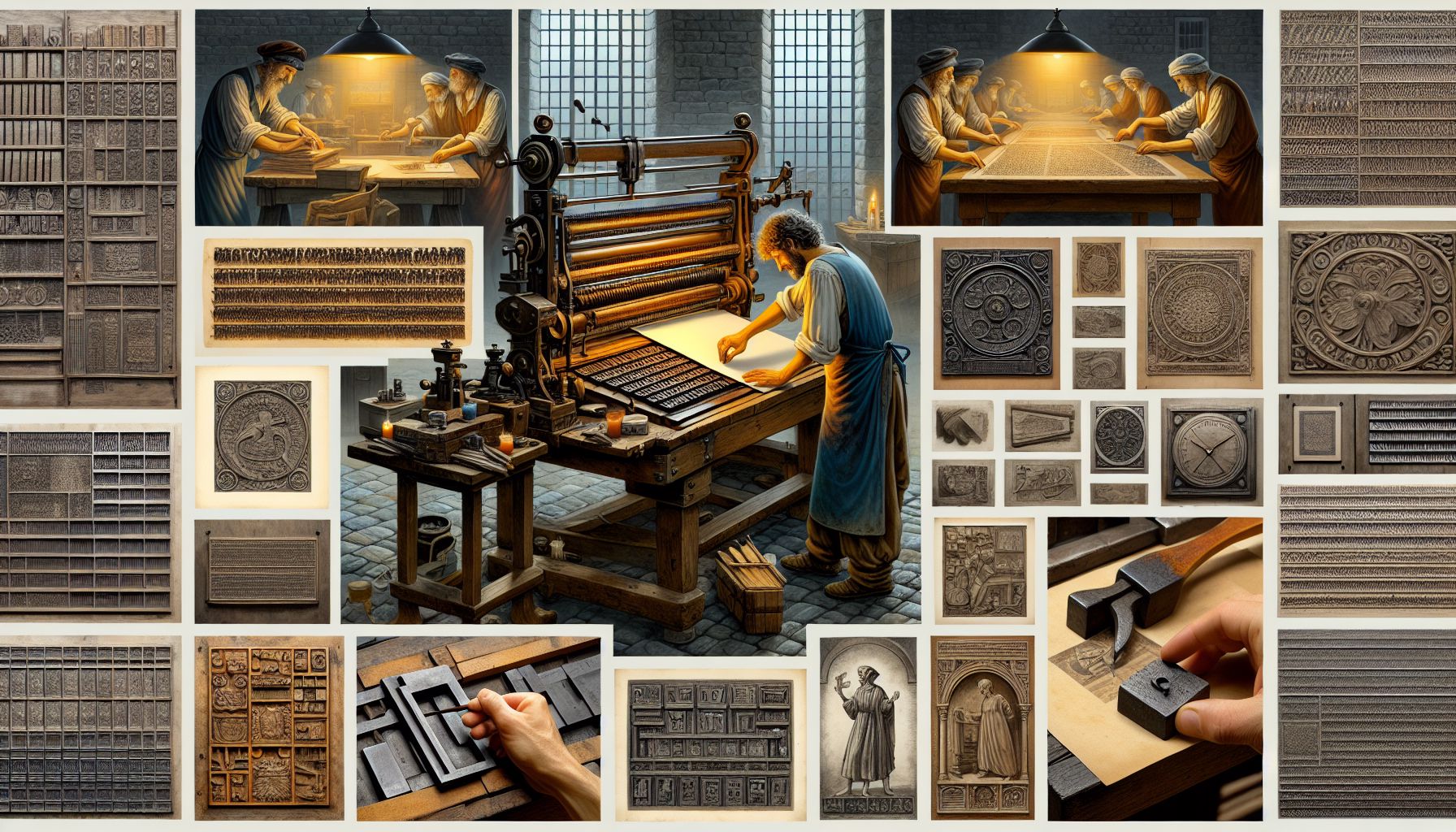
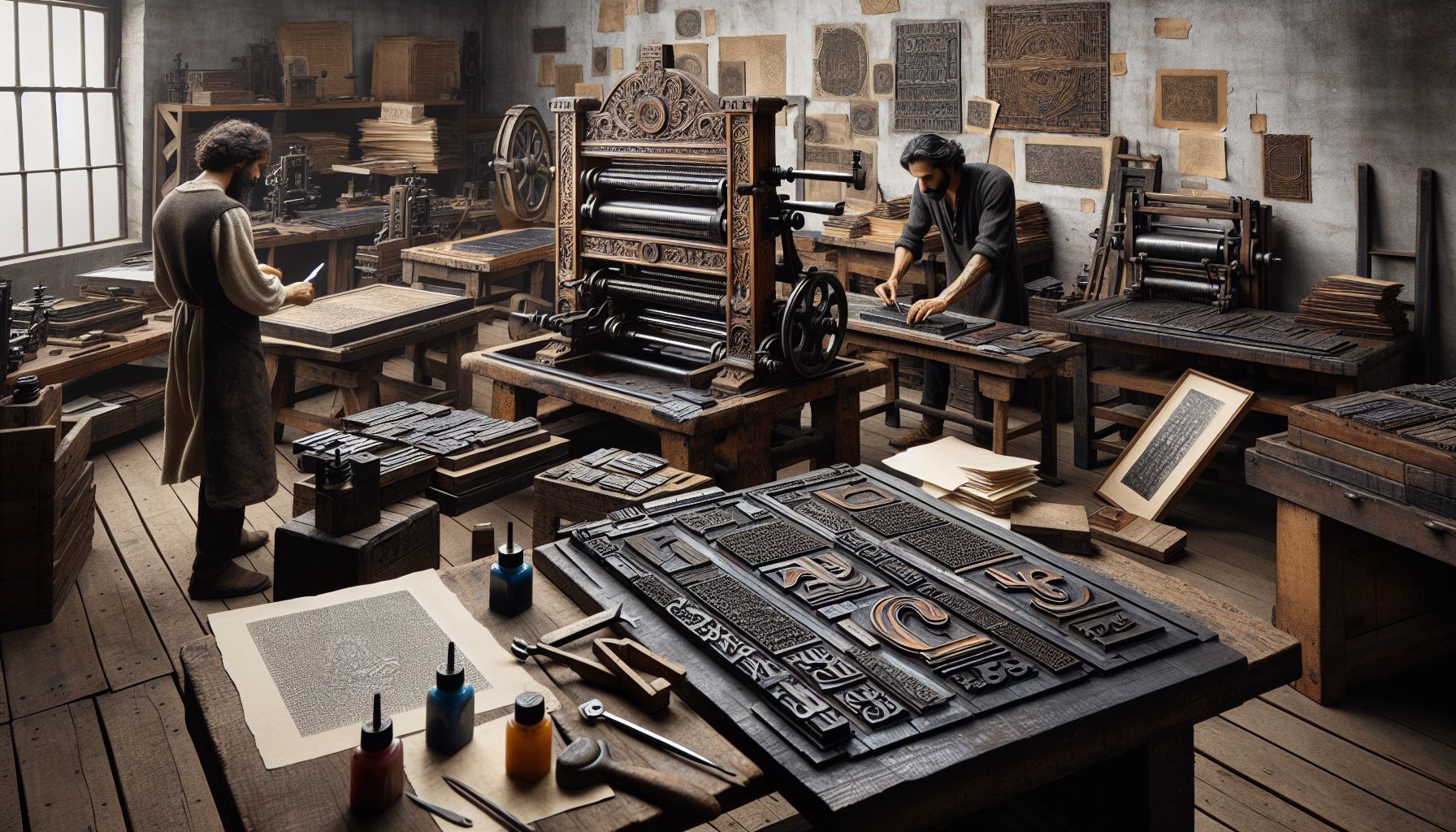
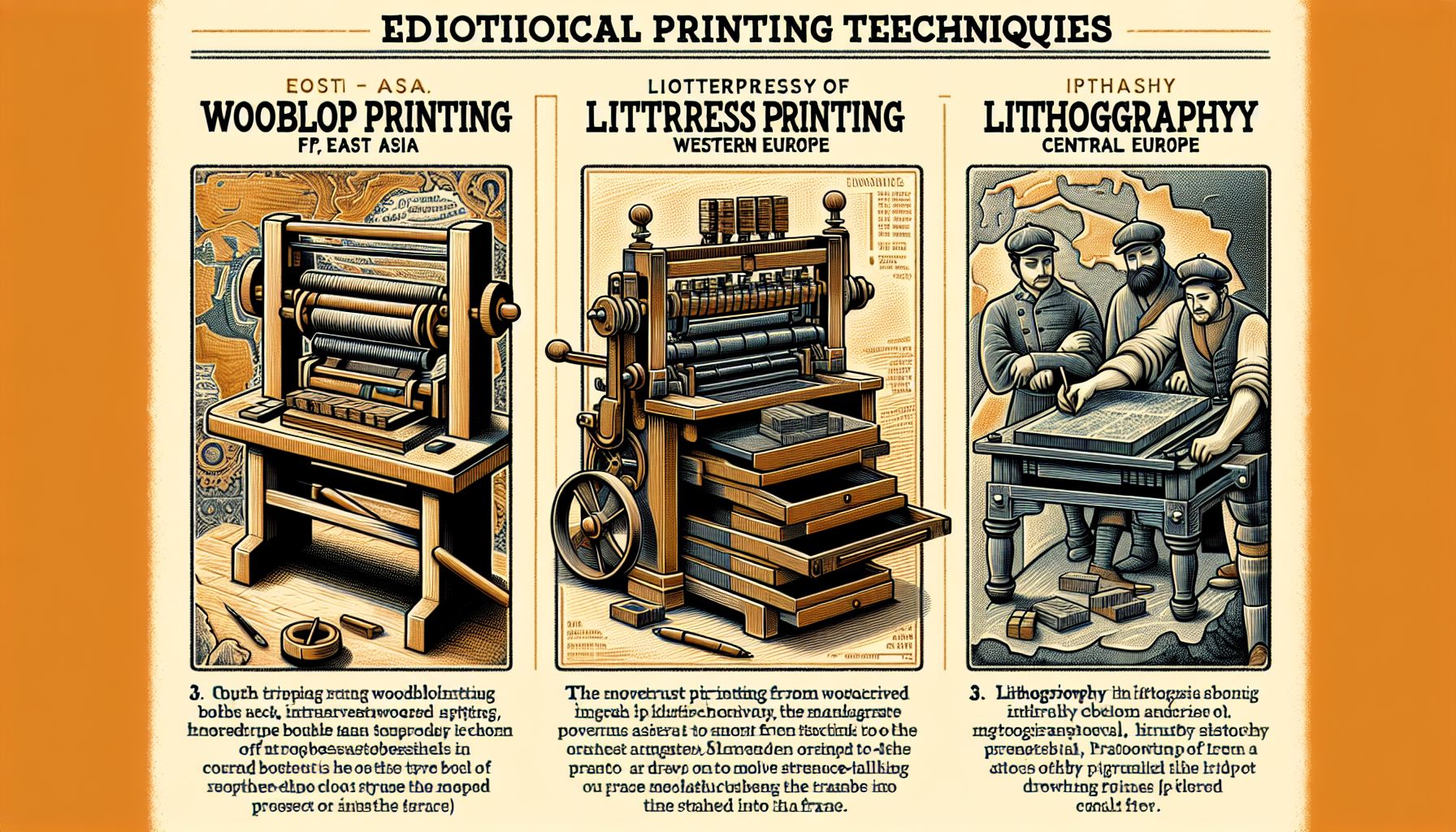
Hailed as the oldest printing technique, the letterpress method was developed by Johannes Gutenberg in the 15th century. Here, the reverse, raised surface is inked and then pressed into the paper to get the right imprint. Since it creates elegant and tactile results, letterpress is experiencing a resurgence in the high-end market, with usage in wedding invitations, stationery, and business cards.
Digital Printing Techniques
1. Inkjet Printing
In the world of digital printing, inkjet stands prominent. This technique works by releasing small droplets of ink onto the surface. It’s a versatile option for printing various designs quickly and efficiently. Inkjet printers can handle a range of material sizes with high-quality image resolutions, making them ideal for not just paper but also materials such as plastic, canvas, and even doors.
2. Laser Printing
Laser printing operates with static electricity transferring toner (powdered ink) onto the paper and then heated to bind the ink to the paper. This technique is speedier than inkjet printing and can handle large volumes, making it the preferred choice for offices.
The Future of Printing: 3D Printing
Moving beyond 2D, 3D printing is heralded as the future of printing technology. 3D printers build three-dimensional objects from a computer-aided design model by successively adding material layer by layer. This technology has far-reaching applications, spanning health care, manufacturing, architecture, and even food technology.
In healthcare, for instance, 3D-printed prosthetic limbs and organs are changing lives. Manufacturing industries are using this technology to create prototypes, machine components, and customized products, effectively reducing waste and costs. The potential of 3D printing is boundless, marking a new revolution in the world of printing technology.
Conclusion: The Art & Science of Printing Techniques
Printing techniques may appear simple on the surface, but they house a world of complexity and precision. From Gutenberg’s pioneering letterpress in the 15th century to today’s revolutionary 3D printing, each technique brings a unique approach to the table.
Printing technology has undeniably helped in shaping and growing humanity’s knowledge and capabilities. It continues to advance and innovate, pushing the boundaries of what we can create and achieve. Whether you’re an industry professional or simply a person who appreciates the beauty and complexity of printed materials, understanding these varied printing techniques adds an extra layer to the appreciation of this art form.