
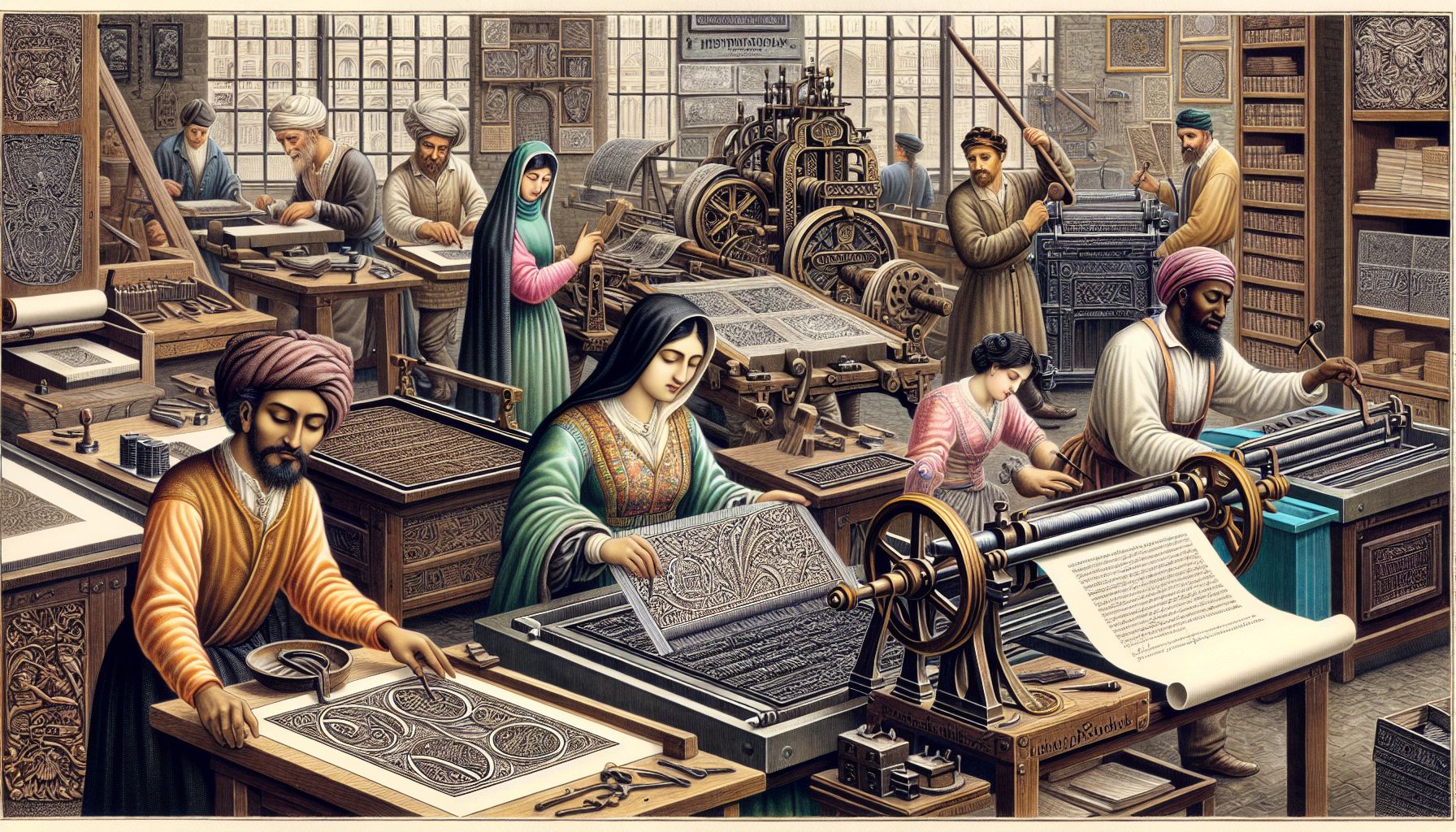
The Art of Printing Techniques
Printing has been a crucial tool in the dissemination of information and art for centuries. From the earliest woodblock prints in China to the modern digital printing techniques available today, printing has evolved significantly over time. In this blog post, we will explore some of the most common printing techniques used in the industry today and how they can be utilized to create stunning visual projects.
Introduction to Printing Techniques
Printing techniques can be broadly categorized into two main groups: traditional and modern. Traditional printing methods, such as letterpress and screen printing, have been around for centuries and continue to be used by artists and designers for their unique aesthetic qualities. Modern printing techniques, on the other hand, utilize digital technology to produce high-quality prints quickly and efficiently.
Each printing technique has its own set of benefits and limitations, and the choice of which method to use will depend on the specific requirements of the project. Let’s delve into some of the most popular printing techniques and explore how they can be used to create beautiful and impactful printed materials.
Traditional Printing Techniques
Letterpress Printing
Letterpress printing is one of the oldest printing techniques, dating back to the 15th century. In this method, raised surfaces are inked and pressed onto paper to create a relief impression. Letterpress printing is known for its deep impression and tactile quality, making it a popular choice for wedding invitations, business cards, and other high-end printed materials.
Screen Printing
Screen printing, also known as silk screening, is a versatile printing technique that can be used on a variety of surfaces, including paper, fabric, and plastic. In screen printing, a stencil is applied to a mesh screen, and ink is forced through the stencil onto the printing surface. Screen printing is commonly used for t-shirts, posters, and signage, and is known for its vibrant colors and durability.
Offset Printing
Offset printing is a popular commercial printing technique that uses metal plates to transfer an image onto a rubber blanket, which then transfers the image onto the printing surface. Offset printing is known for its high quality and consistency, making it a popular choice for magazines, brochures, and other mass-produced materials.
Modern Printing Techniques
Digital Printing
Digital printing is a modern printing technique that uses digital files to produce prints directly from a computer. Unlike traditional printing methods, such as offset and letterpress, digital printing does not require the use of plates, making it a cost-effective option for short print runs and variable data printing. Digital printing is commonly used for business cards, flyers, and other promotional materials.
3D Printing
3D printing, also known as additive manufacturing, is a cutting-edge printing technique that creates three-dimensional objects by layering materials one on top of the other. 3D printing is revolutionizing industries such as healthcare, automotive, and aerospace by allowing designers to create complex objects with precision and speed. 3D printing is also used in art and design to create sculptures, jewelry, and other creative projects.
Large Format Printing
Large format printing is a printing technique that produces oversized prints for posters, banners, and signage. Large format printers can produce prints up to several feet wide and are commonly used for trade shows, events, and retail displays. Large format printing allows designers to create eye-catching visuals that grab the attention of viewers and communicate their message effectively.
Conclusion
Printing techniques have come a long way since the days of woodblock printing and movable type. Today, artists and designers have a wide range of printing techniques at their disposal, each with its own unique qualities and applications. Whether you prefer the classic charm of letterpress printing or the versatility of digital printing, there is a printing technique for every project and budget.
By understanding the different printing techniques available and how they can be used to create stunning visual projects, you can elevate your designs and bring your ideas to life in print. So next time you’re planning a print project, consider the variety of printing techniques at your disposal and choose the one that best suits your needs. Happy printing!