My Blog

My Blog

The Art of Printing: A Comprehensive Guide to Different Printing Techniques

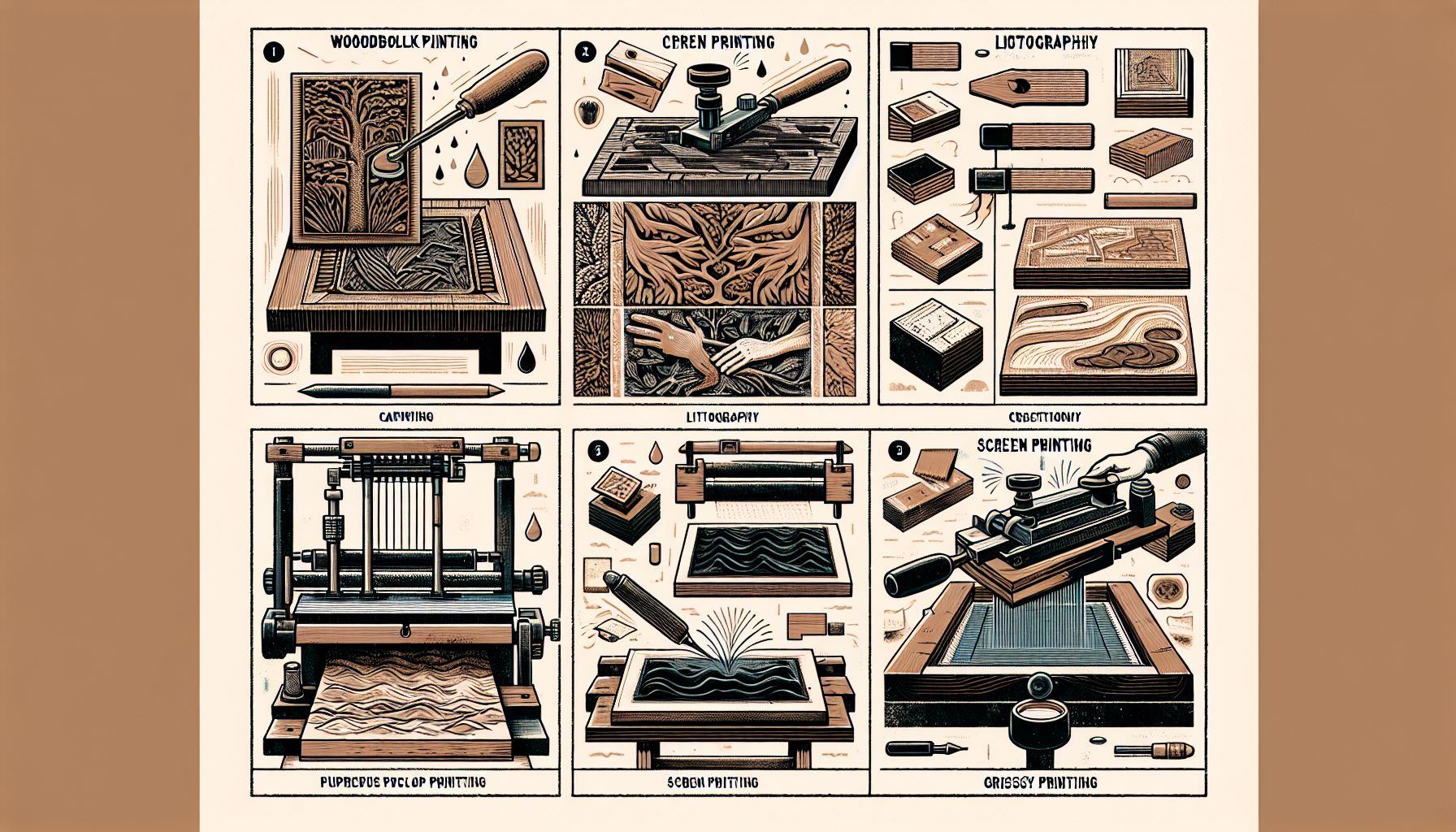
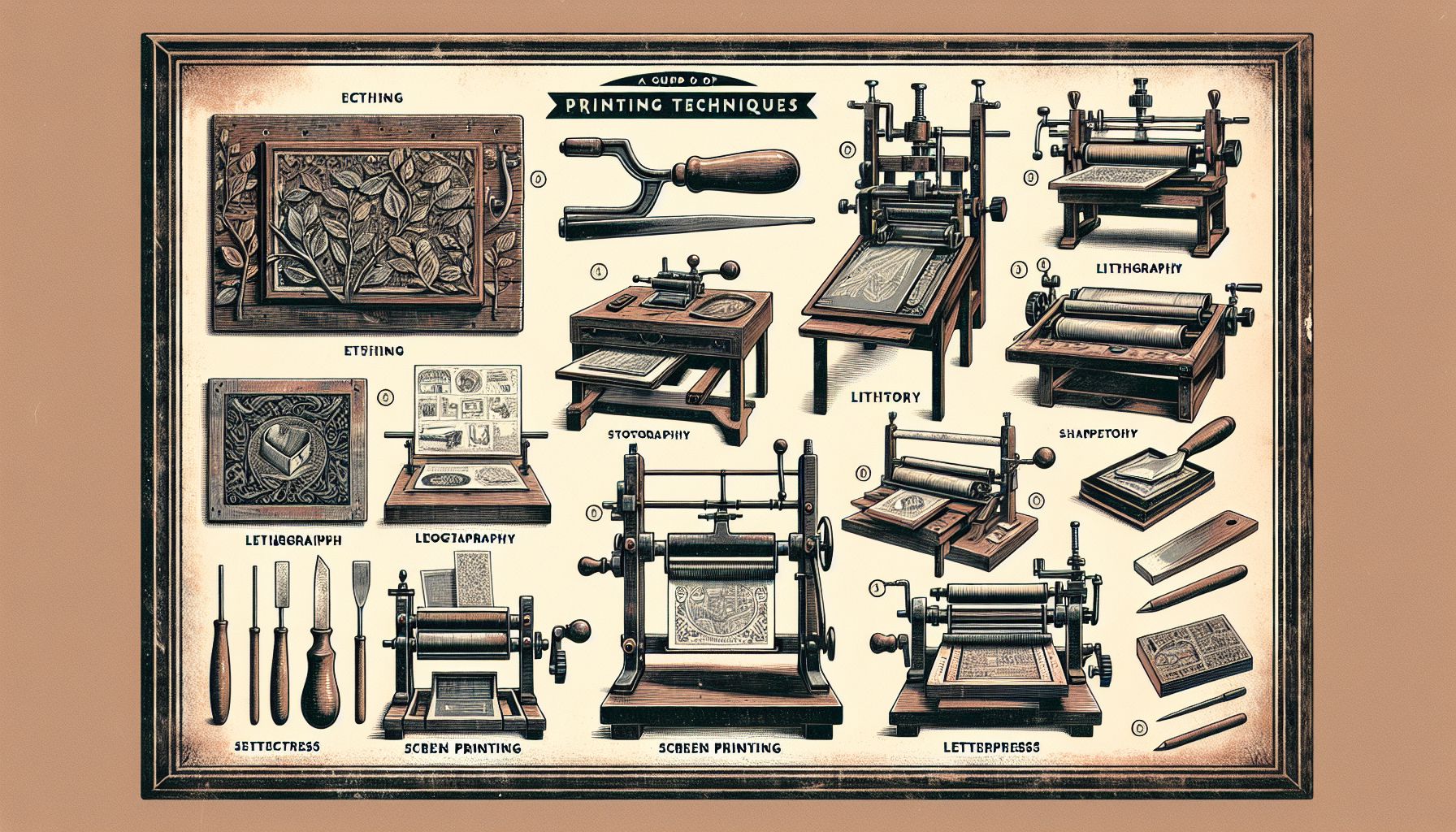
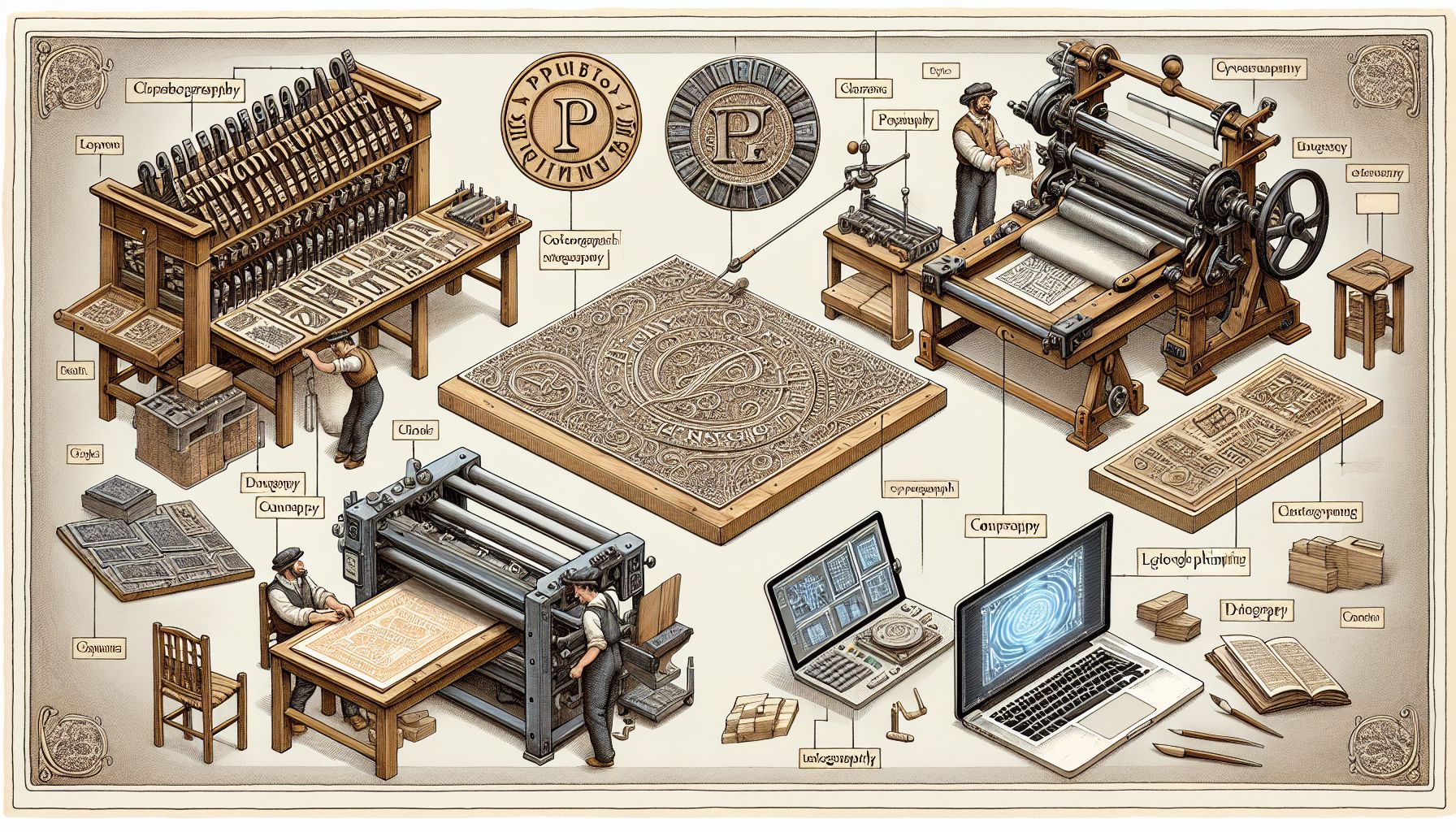
In today’s digital age, printing methods continue to hold their importance as they provide an edge that digital illustrations simply cannot replace. More than just a means to an end, these techniques turn printing into an art form. From relief printing to digital printing, each method offers a distinctive quality and aesthetic that can redefine your designs.

This blog aims to shed light on the multiple printing techniques available, examining their history, process, and distinctiveness. If you are a design enthusiast or own a business and are planning to invest in printed materials, this guide will assist you in choosing the right printing method suitable for your needs.

What Is Printing?

Printing is a process of reproducing images or words onto various mediums such as paper, cloth, metal, plastic or cardboard. Originating in 3500 BCE Mesopotamia with the use of cylindrical seals for rolling impressions into clay tablets, printing has come a long way, constantly evolving with technological advancements.

A Deep Dive into Different Printing Techniques

Here is an in-depth look at a variety of printing techniques, discussing each with its unique characteristics, benefits, and limitations.

Offset Lithography

After being patented by Robert Barclay in 1875, Offset Lithography quickly became the most commonly used printing technique in the world. It works on a simple principle: ink and water don’t mix. The image to be printed is transferred onto a plate, which is then soaked by ink and water. The ink sticks to the image, while the water sticks to the non-image areas. This plate is then pressed onto a rubber blanket, which finally gets pressed onto the paper, creating the print.

Offset Lithography is appreciated for its high and consistent image quality and its ability to adapt to multiple materials. However, it may require a higher setup cost for small quantities as it involves making one plate per page for colour printing.

Flexography

Often used for packaging, labels, newspapers and more, Flexography makes use of flexible relief plates where the material is attached to a printing cylinder. The printing process involves fast-drying, semi-liquid inks that come into direct contact with the material.

Flexography can perform high-volume runs and print onto a variety of substrates. But, on the downside, it can encounter difficulties when dealing with intricate designs and small typefaces.

Digital Printing

Growing in popularity, Digital Printing is a modern technique that directly transfers the digital-based image onto the print material. It operates either with an inkjet or laser printers that drop ink onto a wide range of media.

Digital printing is praised for its low setup costs, speed, and ability to handle short to medium print runs; it also accommodates customization smoothly. However, colours tend to lack the exactness and variation seen in Offset printing.

Screen Printing

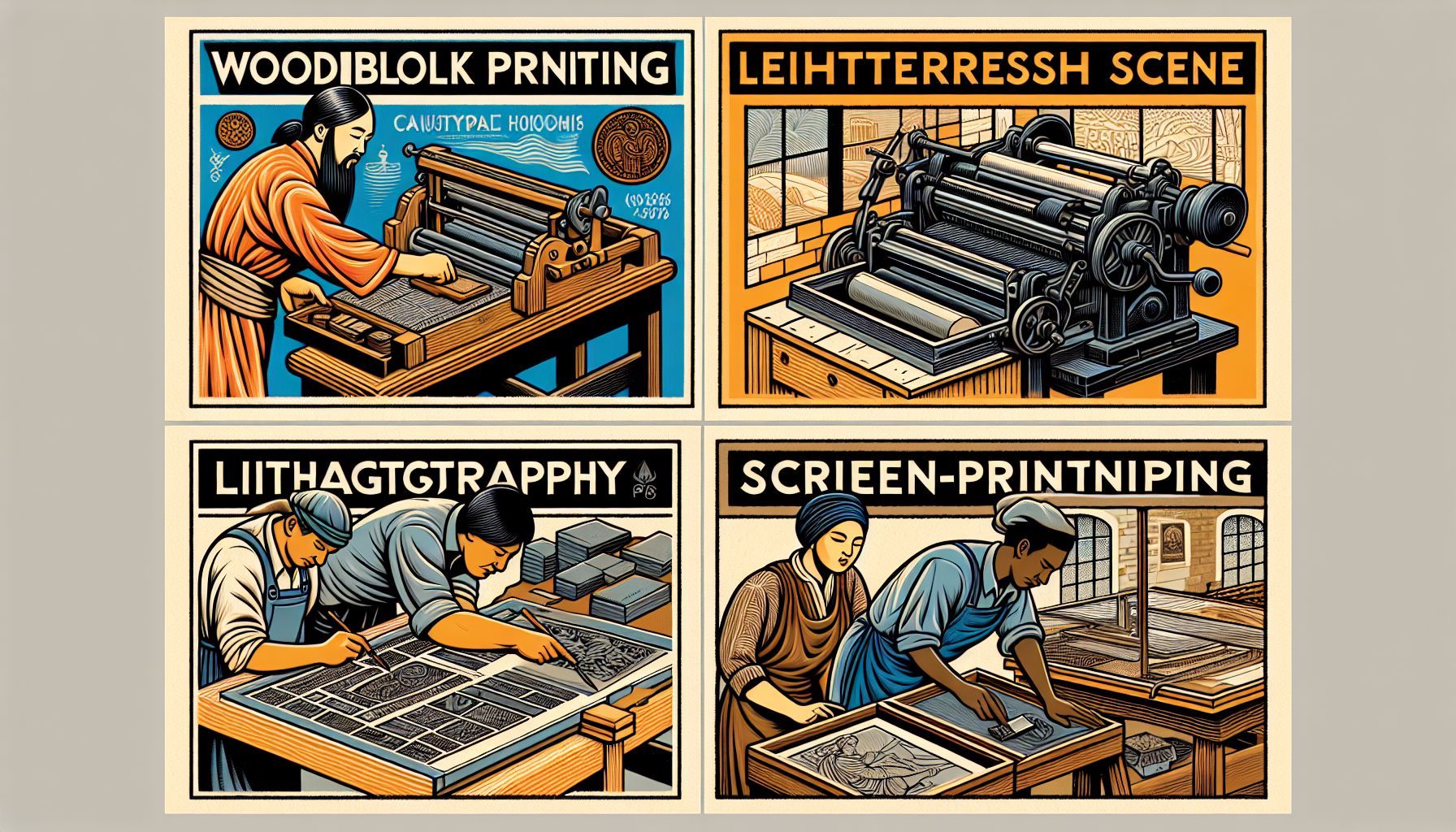
A technique that has been in use for almost two millennia, Screen Printing pushes ink through a mesh stencil onto a print surface. Each colour used in the design requires a separate stencil, which will be used to apply layers of ink on the printing surface.

Screen Printing boasts durability, vibrancy of colour and the ability to print on a variety of materials. It is excellent for large scale projects, however, it is less effective for designs that require high detailing or multiple colours.

Gravure Printing

High-quality printing technique, Gravure Printing or Rotogravure uses a small cell or well-like depression that holds the ink. It is transferred to the substrate using a metal plate that is attached to a cylinder.

It offers high-speed printing, superior quality, and is great for large volumes, making it ideal for newspapers, magazines, catalogues, and packaging. Although, the cost and time of producing plates and cylinders make it unsuitable for small scale or personalized projects.

Conclusion

Selecting the right printing technique depends on various factors such as quantity, printing surface, colour necessities, available budget, and turnaround time. Each method offers potential benefits and unique abilities to leave an impact on the viewer.

Whether you are a printing enthusiast just discovering the beauty of printing, or a business leader looking to invest in printed materials, understanding the different printing techniques is crucial. It not only refines your choice but also ensures capitalization on what each printing technique can uniquely bring to your project.

In the ever-changing world of printing technology, these techniques continually evolve and inspire, turning simple designs into lasting impressions. Regardless of the advancements we embrace in the future, these printing methodologies form the stepping stone, and their importance will never wane.
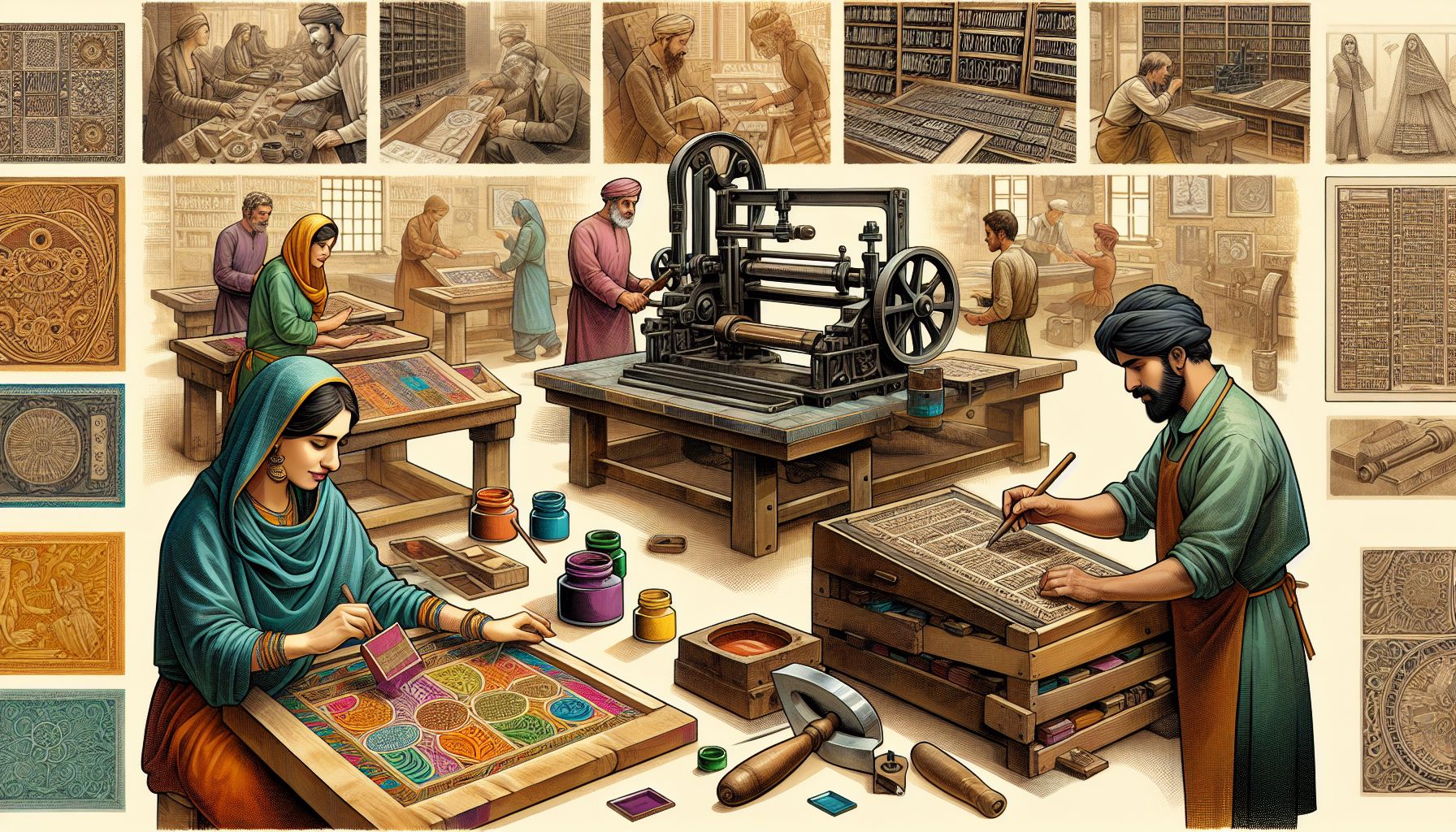
My Blog

The Fascinating World of Printing Techniques: From Offset to 3D

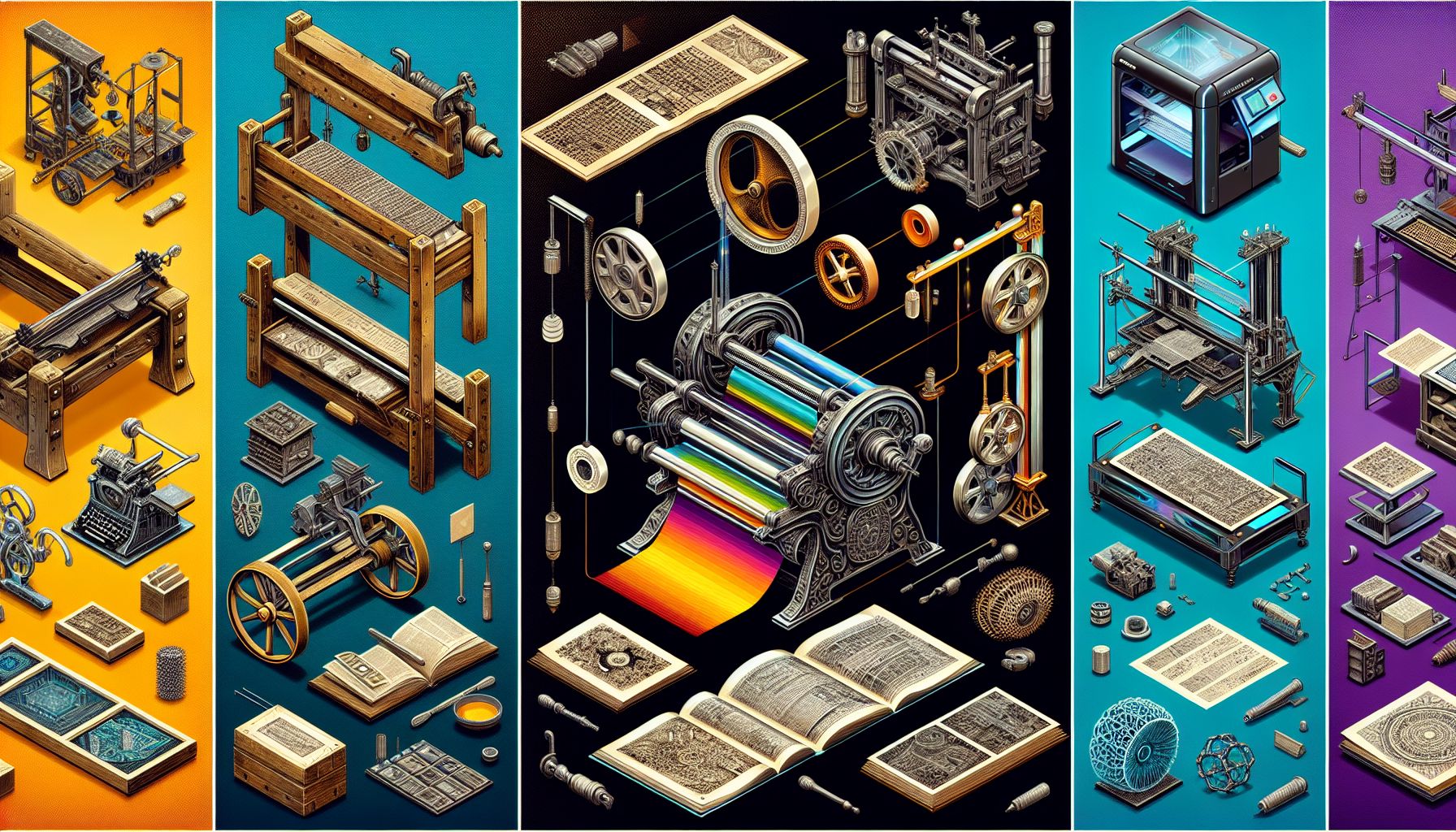
The evolution of printing techniques over the centuries is truly a mesmerizing journey to explore. From woodblock printing in ancient China to today’s cutting-edge 3D printing technology, each method has made its unique contribution to the way we disseminate and consume information. In this article, we take a close look at the most widely used printing techniques and their applications.

A Sneak Peek into the Past: The Inception of Printing

It might surprise many that the concept of printing has a history dating back as far as 3000 BC, starting with the Sumerians using round cylinder seals for roll-out impression onto clay tablets. However, the first recognisable form of printing as we know it today originated from China in the form of woodblock printing. The next leap in printing came in the 15th Century with the invention of the Gutenberg press, which revolutionised the printing industry by making it faster and cheaper to print books.

The Power of the Press: Offset Printing

Offset printing, which was developed in the late 19th century, is arguably the most common printing technique used today. It works on the simple principle that oil and water do not mix. In this method, the text and images to be printed are burned onto metal plates, which are dampened by water and oil-based ink. The ink sticks to the text and image areas of the plate and avoids the non-image, water soaked areas. This image is then transferred (or offset) onto a rubber blanket and then to the printing surface, usually paper.

The advantages of offset printing include high image quality, the ability to print on a wide range of printing surfaces and cost-effectiveness for large print runs. It is typically used for books, newspapers, stationery, brochures, and much more.

Capturing Maestro’s Art: Screen Printing

Screen printing, also known as silk screening or serigraphy, is one of the oldest printing techniques and is often used in the creation of artwork. The process involves creating a stencil on a mesh screen and pushing ink through the areas of the screen that are not blocked by your stencil.

The beauty of this method lies in its simplicity and adaptability, making it a popular technique for artists and entrepreneurs. Shirt designs, posters, artwork, and promotional items are just a few examples of products made using screen printing.

Revolutionizing the Digital Era: Digital Printing

Digital printing involves the transfer of a digital image directly onto a variety of media. A major allure of this method is the elimination of a printing plate, which makes it cost effective and quicker than other methods for small print runs.

Also, with digital printing, personalized and variable data printing becomes possible. This means that elements such as text, graphics or images can be changed from one printed piece to the next, without slowing down or stopping the printing process. This has sparked a revolution in direct marketing strategies like personalized direct mail campaigns.

Pushing Boundaries: 3D Printing

3D printing, or additive manufacturing, can be seen as the future of printing technology. It involves constructing a three-dimensional object from a digital file. Precise layers of materials are stacked and fused together, creating complex shapes and structures which would be almost impossible to create with traditional manufacturing methods.

While its widespread use in consumer goods manufacturing is still being refined, 3D printing has already done wonders for industries such as healthcare, where it is used for creating custom prosthetics, and aerospace, where it is used for producing components for aircrafts and satellites.

Conclusion: The Endless Possibilities of Printing

The ever-evolving world of printing techniques offers an insight into human ingenuity, continuously pushing the boundaries to ensure communication remains at the heart of civilization. From the humble beginnings of wooden blocks to the futuristic scope of 3D printing, it is a testament to the never-ending human quest for better techniques to disseminate information. Who knows what the future holds for printing techniques, but one thing is clear: the journey will continue to be an intriguing one.

My Blog

The Art of Printing: A Closer Look into Different Techniques

We encounter printed products on a daily basis, from newspapers to labels on food packaging, from books to business cards. However, we rarely stop to think how these items were made. This blog post aims to demystify the process by discussing different printing techniques, their unique characteristics, and their appropriate applications.

History of Printing Techniques

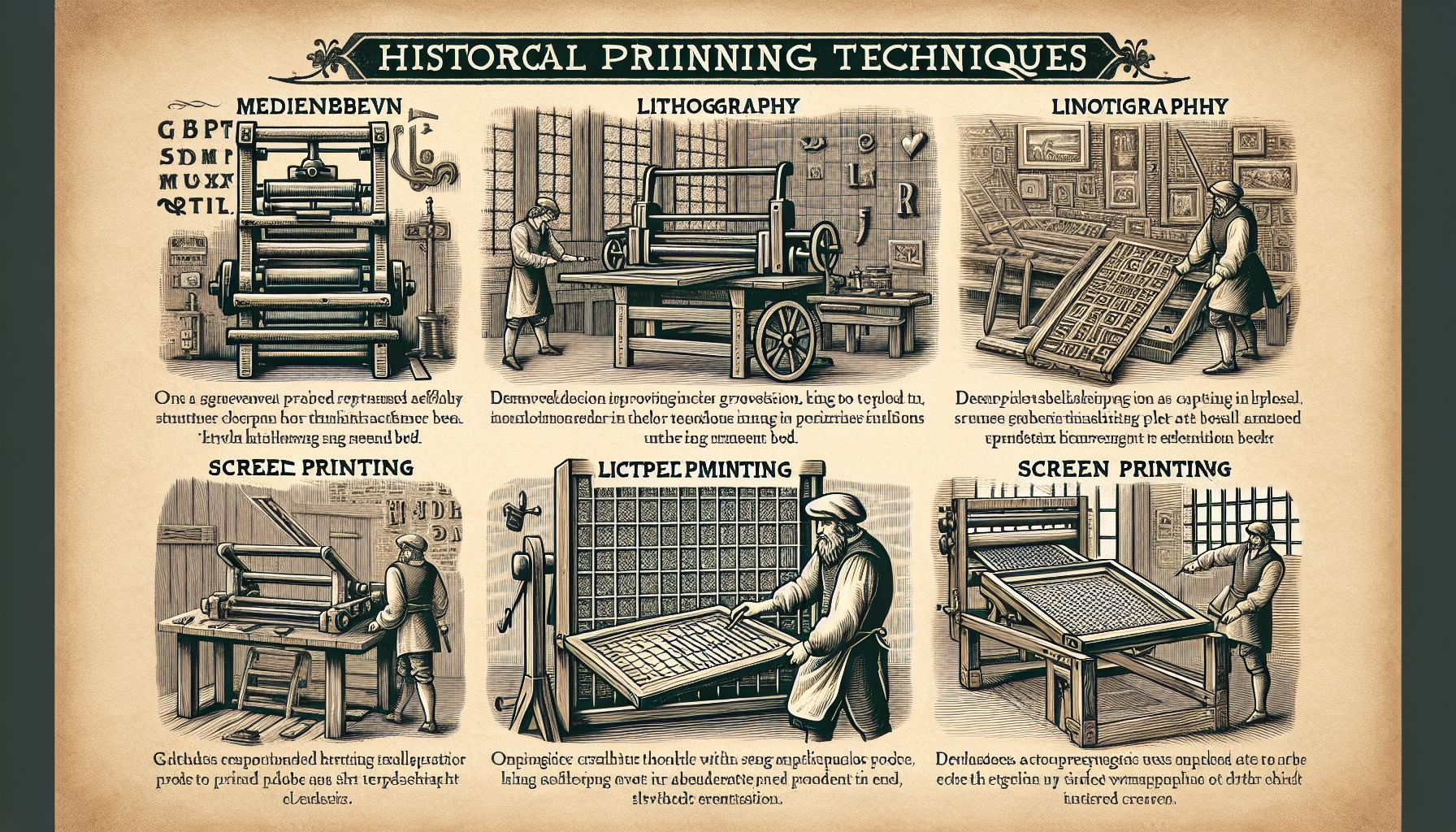
Before dissecting the subject of today, let’s take a detour into the history of printing techniques. The art of printing dates all the way back to 200AD, China, where media were studs of hardened ink that were used to print on textiles. Understanding the history of printing can give us a deeper appreciation of the sophisticated techniques we have at our disposal today.

The Age of Woodblock Printing

The oldest printing method known to man, woodblock printing, or block printing, was invented in East Asia. It involves carving an image or pattern onto a flat wooden block, applying ink to this block, and then pressing it onto paper or fabric.

The Revolution of Gutenberg’s Printing Press

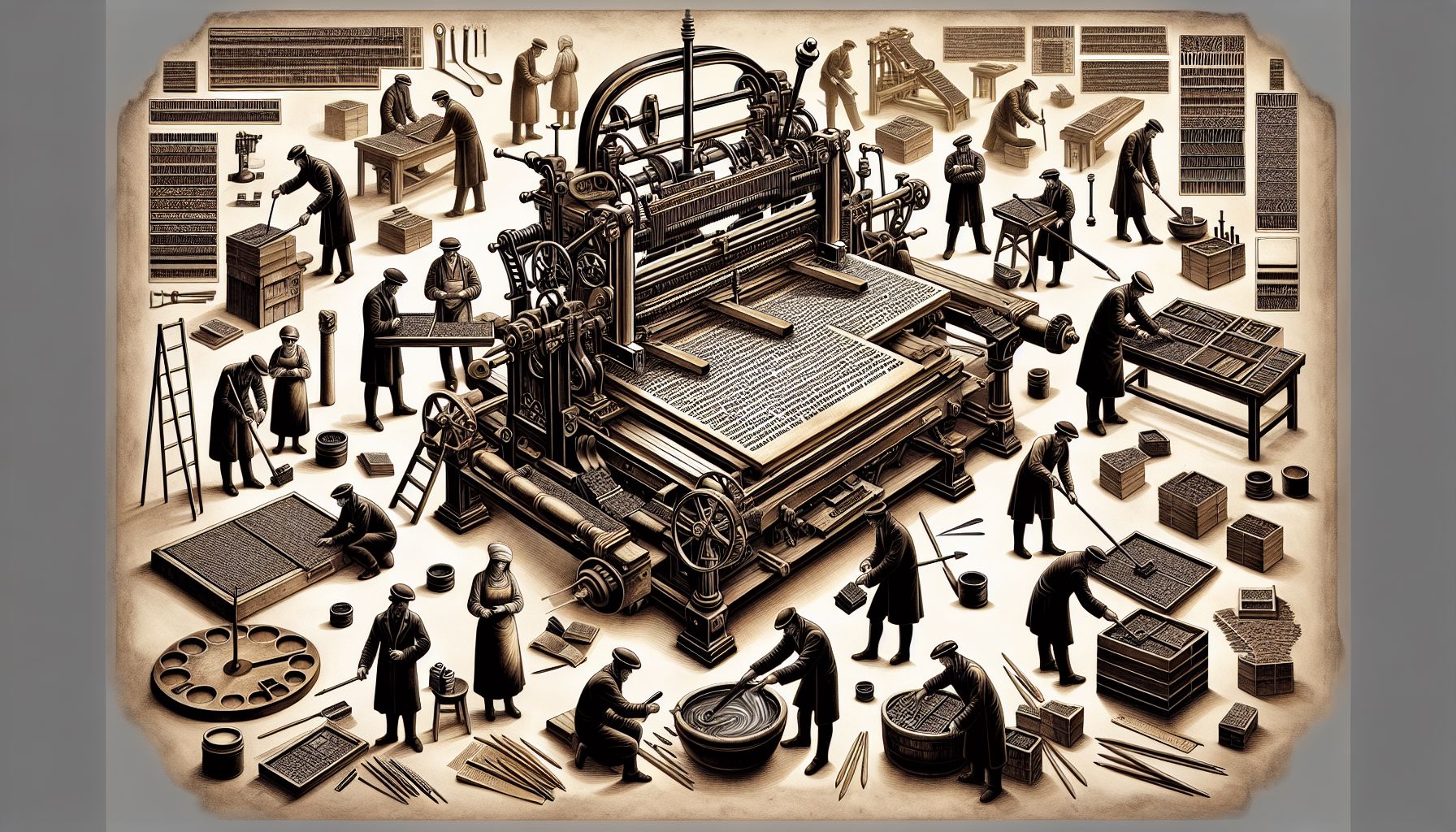
In the 15th century, Johannes Gutenberg revolutionized printing with the invention of movable type. This ushered in the era of mass communication, drastically changing how information was disseminated and consumed.

The Dawn of Modern Printing

The last few centuries marked the advent of lithography, offset printing and, more recently, digital printing. All of these utilize modern technology to deliver high quality print results quickly and efficiently.

Now that we have a brief history of printing, let’s delve into a closer examination of the most popular printing techniques used today.

Offset Lithography Printing

Offset printing, also known as offset lithography, is arguably the most common form of printing. It’s excellent for printing large volumes efficiently and cost-effectively.

During this process, an inked image is transferred (or “offset”) from a plate to a rubber blanket and then to the printing surface. Offset lithography can print on a variety of surfaces, including paper, cardboard, and plastic.

Digital Printing

Digital printing uses toner or liquid ink to create images. It eliminates the need for a printing plate, helping to reduce costs and turnaround times. Digital prints aren’t ‘wet’, offering instantly dry prints that can be cut or folded immediately.

This printing method is most suitable for small print runs and orders that require quick turnaround times. However, the drawback is its lower quality and resolution compared to other methods like offset lithography.

Letterpress Printing

Given its age, letterpress printing can be considered a traditional method, but it’s still widely celebrated for its elegance and craftsmanship. The design gets ‘pressed’ into the paper, creating an impression that adds depth to the final product.

This method is used to craft business cards, wedding invitations, stationery, and other bespoke and luxury print items. While the use of letterpress printing has decreased due to cost and time, it remains a favorite among those seeking a vintage and handcrafted feel.

Screen Printing

Screen printing method, alternatively known as silk screening, involves creating a stencil (or a “screen”) and then using that stencil to apply layers of ink on the printing surface.

This is the go-to method for products with unique shapes and sizes, including t-shirts and other apparel, mugs, pens, signs and displays. It offers thick, vibrant colors that last longer and stand up better to outdoor elements.

Flexography

Flexography, or flexo, is a high-speed roll-to-roll printing process and is the primary method for printing packaging materials. It’s used for printing on many different types of substrate, including plastic, metallic film, cellophane, and paper.

Gravure Printing

Also known as roto or rotogravure, this printing style is a type of intaglio printing process, which involves engraving the image onto an image carrier. It’s quite expensive and primarily used for large commercial printing.

Conclusion

The world of printing is both vast and fascinating, with each technique serving a purpose. Understanding these methods and their unique strengths can empower you to make an informed decision when choosing the best technique for your next project.

The power of print comes from its ability to physically make an impression. Between your fingers, the pages of a book, or a beautifully printed business card, maintain an intimacy that digital interactions often lack. So whether you’re using digital printing or sticking with traditional letterpress, keep in mind the impact of your final product.

To recap, we’ve explored an array of printing techniques from woodblock printing, the oldest form of printing, to modern techniques like offset lithography and digital printing. We reflected on the strengths of each method, whether it’s the efficiency of offset lithography, the quick turnaround of digital prints, the elegance of letterpress, or the durability of screen printing. With this newfound understanding, you’re now ready to embark on your printing journey. Happy printing!

My Blog

An In-depth Look at Diverse Printing Techniques

From books and magazines to t-shirts and artwork, printing techniques have been at the heart of communication and expression for centuries. As technology has advanced, we have seen a remarkable evolution of printing methods, allowing us to print in a wide variety of formats and on an equally diverse range of materials. This blog post will delve into the world of printing, exploring various techniques, their applications, and how they’ve shaped the industry.

What is Printing Technique?

Printing technique refers to the method used to apply ink onto a surface to deliver an image, letter or pattern. The technique used can vary based upon a number of factors including but not limited to; the material of the surface, the design’s complexity, and the desired final look of the print.

A Brief History of Printing

The history of printing dates back to ancient times when the first recognizable printing was found in the form of block printing used by ancient civilizations such as the Sumerians and Egyptians. The Chinese are credited with inventing the wooden block printing method around 600 AD. This method involved carving a mirror image of a document or design into a wooden block. The block was then inked and pressed onto fabric or paper.

Fast forward a few centuries, Johannes Gutenberg revolutionized the printing world in the 15th century with the invention of printing press using movable type. This significant development paved the way for mass production of printed materials, making information more available to the general public.

Now, let’s delve into the various printing methods that have evolved over time.

Offset Lithography

Offset lithography is one of the most common printing techniques, capable of printing on flat surfaces such as paper, cardboard, and plastic. It works on a simple principle: water and printing ink do not mix. The image to be printed is placed on a plate, which is then dampened; ink is applied but adheres only to the image area. The image is then transferred (or offset) onto a rubber blanket and finally applied to the printing surface.

This printing method is perfect for high volume commercial needs like books, newspaper, stationaries and is appreciated for its cost-effectiveness and high-quality outputs.

Flexography

Flexography, frequently referred to as flexo, is a direct descendant of the basic techniques used in letterpress. It uses a flexible relief plate made usually of rubber or plastic. This technique is most commonly used for packaging, labels, and any type of substrate that requires printing.

Flexography has high press speeds, can print on a wide variety of substrate materials and has low equipment and maintenance costs making it a popular choice for packaging designs.

Digital Printing

Digital printing came about with the advent and progress of technology. It involves the process of printing directly from a digital-based image onto a variety of media. It usually refers to professional printing methods where small-run jobs are processed using large format and/or high volume print/copy machines.

Digital printing provides flexibility as you can easily modify images before printing and its high resolution provides clear, high-quality prints. This method is perfect for individuals with small business needs or a need for variable data printing like personalized mail pieces.

Screen Printing

Screen printing, also known as silk screening, is a technique where a mesh is used to transfer ink onto a substrate, except in areas made impermeable to the ink by a blocking stencil. Originally, this process was done using silk screens hence the name “silk screening”.

This technique is often employed in fabric and clothing printing but can be utilized on other surfaces too. The benefit of screen printing is that it produces vibrant colors even on dark backgrounds.

Gravure Printing

Gravure printing or rotogravure is an intaglio printing process, where the image to be printed is engraved into a cylinder. This process is highly efficient for high volume work such as newspapers, magazines, and packaging.

Conclusion

The world of printing is as diverse as it is intriguing, with each technique suited to different tasks, resulting in a finished product that often reveals the method in its look, feel, and quality. Whether you’re an artist trying to best showcase your work, a small business owner seeking to establish their brand, or an industry mogul aiming to mass produce, understanding these methods can steer you towards the best technique for your needs.

My Blog

Printing Techniques: An Insight into the World of Print

In world overshadowed by the move to digital, the art and science of printing can often be overlooked. With the majority of our reading done on screen, the tactile and visual impact of a beautifully printed piece can be underestimated. However, knowing the intricacies of different printing techniques can open up a world of creative opportunities – enabling you to choose the best method for your project, match your budget efficiently, and achieve an outstanding finished product. In this blog post, we are going to explore some of the most common printing techniques and delve into their unique characteristics.

1. Digital Printing

Digital printing is probably the most familiar printing technique for the majority of us. Unlike traditional printing methods, digital printing doesn’t create plates. Rather, digital printing uses toner or larger printers that do use liquid ink. One advantage of digital printing is the ease of personalization or ‘Variable Data Printing’. This makes it an ideal choice for projects requiring customization like personalized emails or direct marketing materials.

GRACoL 7, a method used in handling color in digital printing, helps achieve consistency across multiple printing devices. Ultimately, digital printing’s flexibility and cost-effectiveness make it an excellent choice for small to medium print volumes.

2. Offset Printing

Offset printing, or offset lithography, is a technique commonly used for bulk printing jobs. The process involves transferring an image from a plate (usually aluminum) to a rubber ‘blanket’, and finally to the printing surface. Offset printing can handle many different types of surfaces – including paper, cloth, wood, and even leather.

One significant advantage of offset printing is the remarkable image quality it offers. The method is also cost-effective for large printing projects and is popular for producing high-quality brochures, magazines, and newspapers.

3. Flexography

Favored for printing on uneven or rough surfaces, flexography is a versatile printing technique. It employs flexible relief plates and fast-drying, water-based inks, which are also environmentally friendly. Flexible packaging, labels, newspapers, and even corrugated boxes are among the broad spectrum of products printed with this method.

A major advantage of flexography is its suitability for long, continuous runs. The process is rapid and can print on a variety of substrates, making flexography a widely used technique in the packaging industry.

4. Screen Printing

If you own a printed T-Shirt, chances are it was created using screen printing. This technique utilizes a mesh to transfer ink onto a substrate, except in areas made impermeable to the ink by a blocking stencil.

Screen printing is robust and versatile and can be performed on various surfaces, including textiles, ceramics, wood, paper, glass, metal, and plastic. Its durability makes it an excellent choice for products exposed to harsh conditions or heavy usage, like T-shirts, banners, and billboards.

5. Gravure Printing

Gravure printing is an intaglio printing technique, where the desired image is engraved into a cylinder, which then gets inked and transferred to the paper or other media. It’s particularly suited for high-volume printing, like newspapers, magazines, catalogs, and packaging.

One of the strengths of gravure printing is its superior quality and longevity. The depth of the engraving can give an unmatched richness and definition to the printed image. However, the high cost and time-input of cylinder engraving may not make it a practical choice for all projects.

6. Letterpress Printing

Letterpress printing is one of the oldest forms of printing. It is a relief printing technique where a raised surface is inked and then pressed onto the paper. This method creates a beautiful, tactile impression in the paper, often referred to as ‘debossing’.

Letterpress printing is typically associated with a handmade, premium feel and is favored for high-end stationery, invitations, business cards, and artisan books. Its unique charm lies in the fact that every piece is handcrafted and bears the individual hallmarks of the process.

Conclusion

There is a vast range of printing techniques out there, each with its strengths, limitations, and unique aesthetic qualities. The printing method you choose will significantly impact the visual and tactile quality of your finished product, as well as the cost and timeframe of production.

A good understanding of different printing techniques can also fuel your creativity, prompt new design solutions, and enhance the communication and effectiveness of your printed piece. From the crisp, modern aesthetic of digital printing to the tactile, vintage vibe of letterpress, there is a world of possibilities to explore.

In a digital age, the tactile world of print still carries a profound value. Choosing the right print technique for your project can be the difference between a good impression and a piece that is treasured, remembered, and leaves a lasting impact.

My Blog

The Art and Science of Modern Printing Techniques

The evolution of civilization has always been marked by significant advancements in technology. From the creation of wheel to the internet, there have been a plethora of innovative creations that transformed our world. Among them, printing technology stands as one of the most influential innovations of humanity. The process of creating texts or images, usually on paper, has evolved greatly from its humble beginnings. This article will explore some of the most widespread modern printing techniques, discussing their functions, benefits, and potential drawbacks.

Offset Lithography

Perhaps the most common type of printing, offset lithography is a technique that is used extensively in high-volume commercial printing. This method involves the use of plates, usually made from aluminum, which are used to transfer an image onto a rubber “blanket”, and then rolling that image onto a sheet of paper.

Offset lithography is popular because it provides high-quality images and can be used on different materials, not just paper. However, the setup for offset is more considerable than that of digital printing. Hence, it might not be as cost-effective for smaller runs.

Digital Printing

As we continue to fragment our communications across multiple media channels, traditional, large-volume printing jobs are moving towards smaller but more targeted batches. These types of jobs are perfectly suited for digital printing.

Digital printing works by assembling images from a complex set of numbers and mathematical formulas. These images are captured from a matrix of dots, typically called pixels, this process is called digitising. The digitised images are then transferred to a physical surface, such as paper or merchandise. The main advantage of digital printing is very fast turnaround times and printing on-demand. While the image quality might not be as high, it’s adequate for the majority of everyday printing tasks.

Flexography

Flexography is a direct descendant of the letterpress and can be used for print runs of millions or just several hundreds. This method has become particularly popular for packaging where the quality demands are less robust. Think plastic wrap and paper bags.

Flexography uses flexible relief plates that are mounted on a cylinder. Due to its flexibility and durability, the method can be used on almost any type of substrate including plastic, metallic films, cellophane, and paper.

Engraving

The most high-quality and traditional printing technique is engraving. This is a complex process, using high-quality inks and soft high-quality cotton papers. It involves etching text or designs onto a metal plate, filling the etching with ink, and then pressing the inked plate onto the paper.

Engraving is typically used for high-end jobs where a sharp, crisp finish is desired. The output has a unique look and feel that is instantly identified as a symbol of prestige, which is why it’s commonly used for business cards of high-ranking executives and official business documents.

Conclusion

Choosing the right printing technique is crucial in ensuring the success of your print project. While the details of the methods might seem daunting at first, a skilled and experienced printer is capable of advising the most suitable method to apply, depending on the specifications of your project.

The final decision ultimately depends on several factors such as quality, time, and cost. However, given the continuous advancements in printing technology, it is quite exciting to think about what the future may bring for this age-old practice. Will 3D printing become mainstream? Will digital eventually replace traditional printing methods? Whatever the future holds, it is evident that printing will remain an essential part of our lives.

My Blog

A Deep Dive Into The Intricate World Of Printing Techniques

The evolution of time has snugly embraced the advent of technology, transforming our conventional practices by adding more efficiency, precision, and convenience. Among the shining examples of this metamorphosis is the pervasive domain of printing. Therefore, let’s unpack the vibrant world of print technology, unveiling the nuance of diverse printing techniques.

The Genesis Of Printing: A Brief Throwback

Before delving into the meat of the matter, let’s take a moment to contemplate the inception of printing technology. This journey will help us appreciate the advancements and developments which have sculpted the array of printing techniques we exploit today.

The umbilical cord of printing is tethered to the ancient Chinese civilization, with block printing emerging as a primitive method around 200 AD. The advent of Gutenberg’s movable type in the 15th century opened a new chapter in the evolution of printing, setting the stage for a future that brought forth a revolution.

Casting Light On Different Printing Techniques

Printing technology has evolved to a point where diverse techniques are available, each featuring its unique characteristics and application niches. Let’s traverse this intricate universe, exploring some of the prevalent printing techniques.

1. Offset Lithography

This common printing technique is versatile, catering to a variety of surfaces, including paper, plastics, and wood. In offset lithography, an image is inked onto a plate and then transferred to a rubber blanket. This image is then further transferred onto the printing surface. The technique is remarkably efficient for large quantity prints and guarantees high image quality.

2. Flexography

Flexography is a modern technique specially honed for packaging materials, including plastic bags, corrugated cardboards, and labels. Its operational efficiency emanates from the use of flexible relief plates and the rapid-drying mechanism of the ink.

3. Digital Printing

This technique has introduced a paradigm shift by bridging the technology gap between printing and the ever-evolving digital world. Digital printing eliminates the need for plates, allowing direct printing from digital files. This technique is exceptionally viable for small printing jobs which emphasize customization and variations within the project.

4. Screen Printing

Screen Printing, hailing from the ancient Chinese era, has modernized itself over the decades. This technique involves pushing the ink onto the printing surface through a stenciled, mesh screen. Primarily used for fabrics and posters, screen printing allows for bright and vibrant color impressions.

5. Gravure Printing

Gravure printing is ideal for large volume printing projects, such as magazines, catalogs, and packaging. This technique engraves the image onto a cylindrical plate, ensuring consistently high image quality.

Key Considerations When Choosing a Printing Technique

Choosing the right printing technique can challenge individuals and organizations, as it is inherently contingent on specific needs and circumstances. Here, the crucial factors to consider include the printing volume, desired quality, lead time available, and the budget constraints.

Moreover, the choice of printing surfaces and the need for customization play a critical role in shaping this decision. For instance, if you aim for high-volume printing, offset lithography or gravure printing could be your safest bet. Conversely, if your project involves heavy customization, digital printing will likely be the most viable route.

Conclusion: Printing Techniques Fueling Our Impressions

In the grand scheme of the graphic arts and printing industry, understanding different printing techniques is paramount. These techniques not only equip you with a better understanding of this thriving industry but also provide necessary insights to make informed decisions based on explicit requirements.

Living in a digital age, it is enticing to envision that the future of printing techniques will intertwine even more with cutting-edge technology, delivering outputs with unprecedented precision, efficiency, and convenience. As the world of print continues to evolve, who knows what exciting innovations are on the horizon? We all wait with bated breath.

My Blog

The Comprehensive Guide to Different Printing Techniques

Printing has been around for hundreds of years, revolutionizing communication and the way we disseminate information. Over time, numerous printing techniques have evolved to serve different needs, each bringing a unique mix of quality, speed, cost, and capabilities. This comprehensive guide explores diverse printing techniques to help you choose the ideal method for your next printing project.

The Evolution of Printing Techniques

Gutenberg’s invention of the moveable type in the 15th century laid the foundation for modern-day printing. The following centuries saw rapid growth and evolution in printing technologies, guided by the demands of industry trends and advancements in related areas such as digital technology and materials engineering.

Although originated centuries ago, traditional printing techniques like letterpress, engraving, and lithography are still in use today, prized for their unique aesthetic qualities. However, these techniques have been largely superseded by digital printing methods, which offer unprecedented speed, flexibility, and affordability.

Modern Printing Techniques

There are several modern printing techniques currently in use. Here’s a detailed look at some of the most popular ones.

Digital Printing

Digital printing is the most common type of printing technique used today, primarily due to its speed and versatility. Instead of using plates like traditional printing methods, digital printing employs toners (like in laser printers) or larger printers that use liquid ink. Digital printing makes it easy to customize individual prints and is also cost-effective for small quantities.

Advantages of Digital Printing

  1. Flexibility: Digital files can be updated and adjusted right up until the moment of print, making last-minute changes easy.
  2. Speed: The process can produce high-quality prints within minutes.
  3. Lower Costs: For small quantity printing, digital printing can be much cheaper than other printing methods.

Offset Lithography

Offset lithography is a common method for printing on flat surfaces, such as paper, cardboard, or plastic. It works on a simple principle: water and oil don’t mix. Images (or text) are applied to printing plates, which are dampened by water and ink. Since oil-based ink doesn’t mix with water, it sticks only to the desired design areas.

Advantages of Offset Lithography

  1. High-Quality Images: Offset Lithography can produce sharp, clean, high-quality images and typefaces.
  2. Efficiency: The more you print, the cheaper the price-per-piece becomes.
  3. Versatility: It can print on a wide variety of printing surfaces.

Screen Printing

Screen printing or silk-screening is a technique where a stencil (or a “screen”) is used to apply layers of ink on the printing surface. Each color uses a different stencil, applied one at a time, combined to achieve the final look.

Advantages of Screen Printing

  1. Long-Lasting: Due to the composition and thickness of inks used in screen printing, designs placed with this method can withstand a lot more stress than others without losing the quality of the print.
  2. Versatility: It can print on almost any material.
  3. Vibrant Colors: The ink in screen printing is applied thicker than digital printing, which results in brighter colors.

Specialty Techniques

In addition to these primary printing methods, a range of specialty techniques exist to meet specific needs or deliver aesthetic qualities.

Letterpress

Letterpress printing is a relief printing technique that involves ‘pressing’ an inked raised surface against sheets of paper. It’s one of the oldest forms of printing and is used nowadays for the unique and high-end look it provides.

Engraving

Another traditional technique, engraving, uses engraved plates to print a design onto paper. The method is generally used for high-end invitations, stationery, and business cards, as it gives an appealing tactile finish.

Thermography

Thermography produces raised prints, similar to engraving but without the same price tag. This technique involves applying a heat source to a design that has been dusted with a resinous powder, causing it to bubble and create a raised effect.

Conclusion

Each printing technique has its unique characteristics, strengths, and considerations. Your choice will indeed depend on the nature of your project and desired outcome. Our guide serves as a starting point, enabling you to understand and explore the wide world of printing techniques to achieve remarkable results for your print projects.

My Blog

Dive into The World of Printing Techniques – A Comprehensive Guide

Printing is a conventional art form that has transformed dramatically over the years. From the first movable type system by Johannes Gutenberg in 1440 to modern-day digital printing, printing has truly come a long way. In this post, we will explore different types of printing techniques – their process, their applications, and pros and cons – aiming to provide a comprehensive guide that can assist both beginners and seasoned professionals.

1. Offset Lithography

Offset lithography is one of the most commonly used printing techniques in modern times. It functions by transferring ink from a plate onto a rubber blanket, and further onto the printing surface.

Offset Lithography Process

The process starts with creating an image on a plate, usually made from aluminum. This image is then transferred onto a rubber blanket, which in turn transfers the image onto the printing surface. The principle behind this is lithography, where the image area attracts the ink while the non-image area repels it.

Applications of Offset Lithography

Offset lithography is used extensively in large-scale print jobs, including brochures, magazines, stationery, and books. It’s also used for packaging, such as cartons and corrugated boxes.

Pros and Cons

One of the key benefits of offset printing is its high image quality. Furthermore, it offers cost-effectiveness for large volumes, as the cost per unit goes down as the quantity increases. However, short print runs may be expensive due to setup charges. Additionally, making adjustments or corrections after the plate has been made is also complex and time-consuming.

2. Digital Printing

Digital printing has revolutionized the printing industry, allowing the production of higher volumes faster and more cost-effectively than traditional printing techniques.

Digital Printing Process

This process works by translating digital files into printed images using dots of ink. The ink is directly applied to the media, eliminating the need for a printing plate, which saves time and money.

Applications of Digital Printing

Digital printing is commonly used for desktop publishing, variable data printing (such as personalized marketing materials), on-demand printing, and for businesses that want consistency and quality for small print jobs.

Pros and Cons

Digital printing provides an excellent option for small print runs as it has little-to-no setup costs. It also allows for quick turnaround times and customization. However, it may be costly for large volume print jobs compared to offset printing.

3. Flexography

Flexography, often called “flexo,” uses a flexible relief plate for printing.

Flexography Process

The process involves creating an image on a rubber or plastic plate. This plate is inked and directly applied to the material. Flexo presses can be set up to print on nearly any type of substrate.

Applications of Flexography

Flexography is widely used in printing on non-porous substrates required for various types of food packaging. It’s also used for printing on cellophane, paper, plastic, metallic film, and more.

Pros and Cons

Flexo provides high press speeds and is suitable for long runs. It can also be used with a wide range of materials and quick-drying inks. However, setup costs and plate production can be expensive.

4. Screen Printing

Screen printing, also called silk screening or serigraphy, is a technique that uses a woven mesh to support an ink-blocking stencil.

Screen Printing Process

The process involves creating a stencil, which is held in place by a screen. Ink is applied to this screen and forced through onto the printing surface.

Applications of Screen Printing

Screen printing is commonly used for fabrics and textiles, but it’s also used in technology for producing printed circuit boards. It can be used on a variety of materials, such as glass, wood, paper, and plastic.

Pros and Cons

Screen printing allows for high levels of vibrancy, as the ink layer is typically much thicker than other printing techniques. However, it has high initial setup costs, and it’s less suited for intricate, detailed designs.

5. Gravure Printing

Gravure printing, also known as rotogravure or just gravure, is an intaglio printing process that uses a rotating cylinder where the image is engraved.

Gravure Printing Process

The process involves engraving an image onto a copper-plated cylinder. The engraved areas then pick up the ink, while the non-engraved areas are wiped clean before the image is transferred onto the material.

Applications of Gravure Printing

Gravure printing is used for high-quality print work such as brochures, mail order catalogues, magazines, and packaging.

Pros and Cons

Gravure printing can achieve high-quality results fast for extensive runs. But the cost of the copper plate is extremely high and demands high volume runs to be cost-effective.

Conclusion

The world of printing techniques is vast – from the traditional offset lithography to the modern digital printing, and from the high-speed flexography to the detail-oriented gravure printing. Understanding the process, applications, pros and cons of each method can guide you to select the most suitable technique for your specific print job. Happy printing!

My Blog

A Comprehensive Guide to Modern Printing Techniques

In our digitally dominated world, traditional printing processes might seem irrelevant or outdated. Yet, it’s far from the truth. Even with enormous technological advancements, print media still holds its ground, creating unique visual effects and tactile experiences that can’t be replicated in the digital domain. This article offers a comprehensive guide to modern printing techniques, offering invaluable insight into the vast world of printing.

Introduction

Different printing techniques have distinct abilities to communicate messages, evoke emotions, and create physical connections. The best printing method for your project ultimately relies on several factors, including the material you’re printing on, your design’s complexity, and your budget. Each technique has its strengths and weaknesses, so understanding them will help you make the right decision.

Offset Lithography

Offset lithography or offset printing is one of the most commonly used printing techniques, especially for high-volume printing. This technique involves the transfer of an image from a plate to a rubber blanket, which is then transferred again to the printing surface. One of the advantages of offset lithography is its high image quality, which can be crucial when printing photographs, images with fine detail, or color gradients. However, it also requires more time and higher costs, as the plates need to be created and set up.

Digital Printing

Digital printing involves the direct transfer of an image or text from a digital file to a printer, similarly to how home printers work. However, commercial digital printers are far more advanced, offering higher quality prints. Digital printing requires less setup time and lower costs than offset printing. You can even print varying images or texts in one print run – a function that is practically impossible in offset printing. But when it comes to very large print volumes, offset printing would likely be more cost-effective.

Laser Printing

Laser printing, a type of digital printing, allows for high-quality outputs with precise detailing. It uses lasers to charge a photosensitive drum, which then attracts toner particles to create the print. Although their purchase cost can be higher, laser printers offer lower cost per page compared to inkjet printers. However, they’re usually used for text-heavy documents rather than images due to their limited color range.

Inkjet Printing

Inkjet printers create images by pushing microscopic ink droplets onto the paper. The accuracy and flexibility of the process make it ideal for high-resolution image printing, especially for color gradations and a range of color nuances. But since the ink must dry upon printing, the process can be slower compared to laser printing.

Screen Printing

Screen printing, also known as silk screening, is a vibrant and versatile printing technique that can be used on an array of different materials beyond paper, like fabric, wood, and metal. The process involves pushing ink through a mesh screen onto the surface, one color at a time. It’s excellent for large design prints and vibrant colors but proves expensive and time-consuming for multi-color designs.

Letterpress Printing

The origins of letterpress printing date back to the 15th century. It’s a relief printing technique where a raised surface is inked and pressed against the paper, creating an impression. Letterpress is effective for text and simple line art using one or two colors. It provides a distinguished look and a tactile feel, making it popular in high-end stationery, like wedding invitations. Despite its elegance, letterpress is relatively expensive and less suitable for large solid areas and photographs.

Flexography

Flexography, or flexo, is a printing process using flexible relief plates to print on porous and non-porous substrates, including plastic, metallic films, cellophane, paper, and even corrugated cardboard. Its versatility makes it an ideal choice for packaging materials, wallpapers, and labels. While set-up costs are expensive since it requires making new plates for each job, flexo is cost-effective for long print runs.

Conclusion

The world of printing techniques is more varied and fascinating than one might assume at first. From traditional methods like letterpress printing to modern digital techniques, there are countless ways to bring your projects and ideas to life on paper, fabric, or other surfaces.

Understanding these techniques and their unique characteristics allows you to select the optimal one for your project needs, whether it’s quality, cost, or other factors. As technology continues to advance, so do these techniques, giving professional printers and enthusiasts alike even more choices in creative expression. Despite the evident dominance of digital media, the demand for print isn’t disappearing, proving that where there’s print, there’s a way.