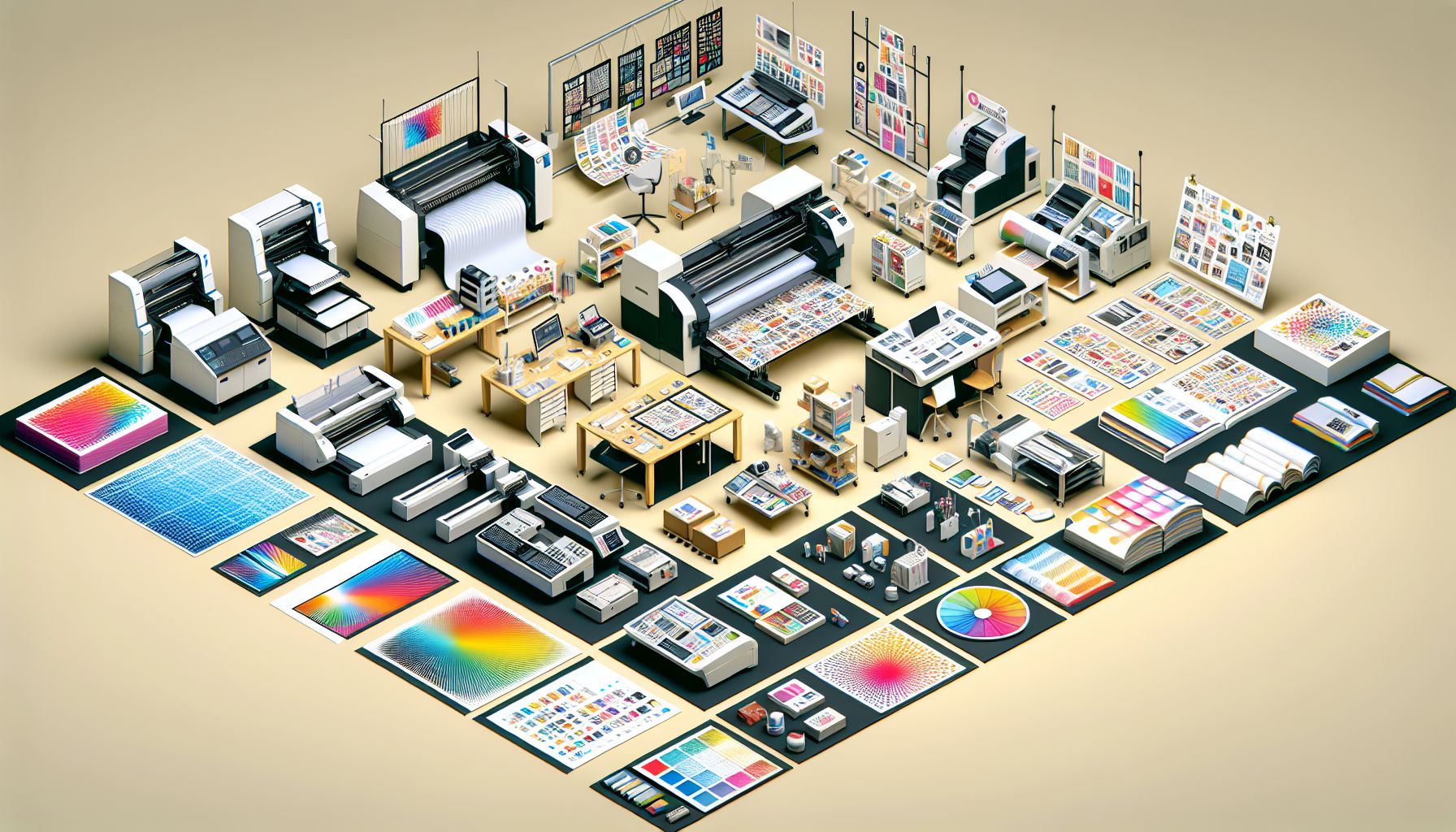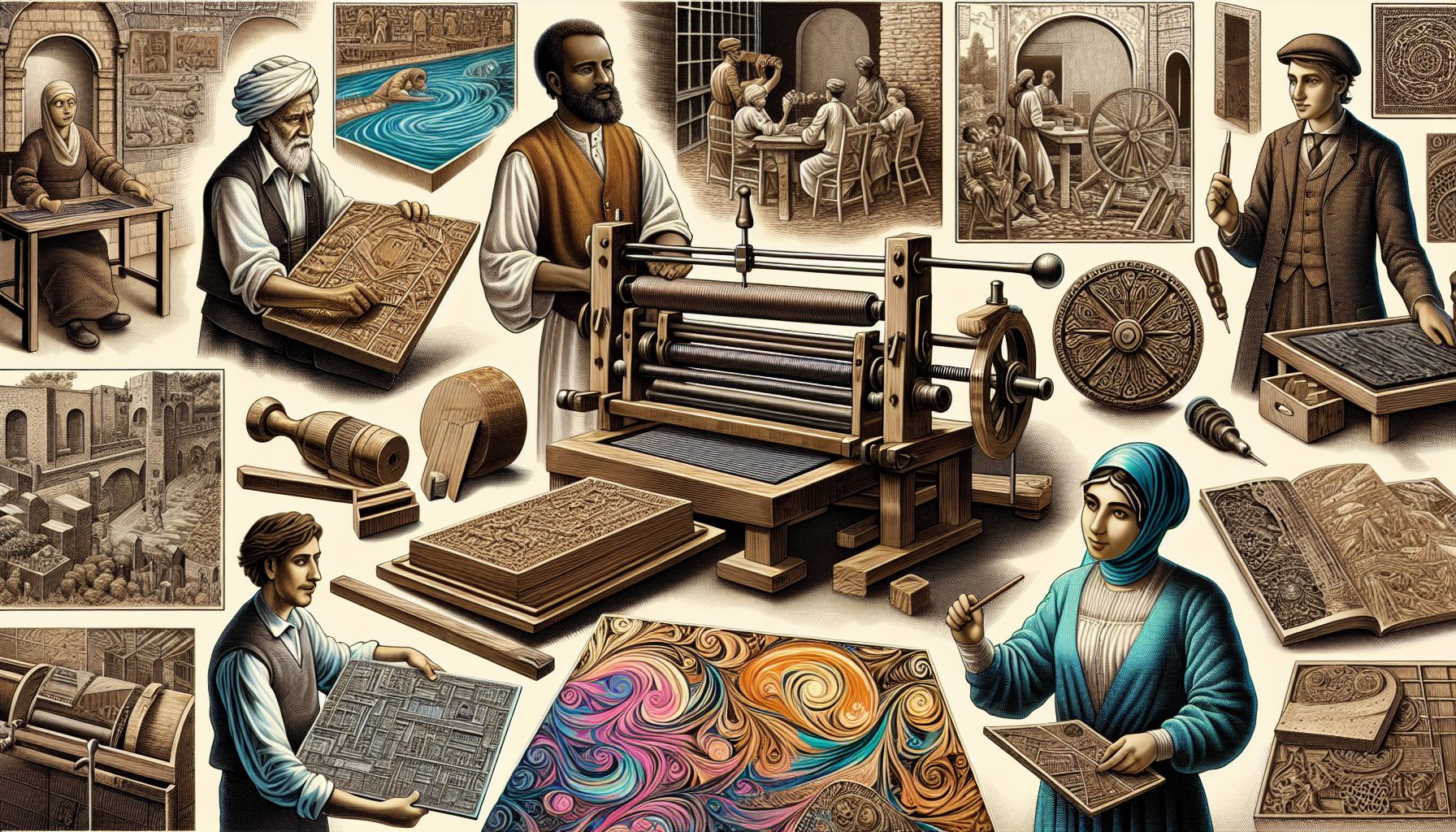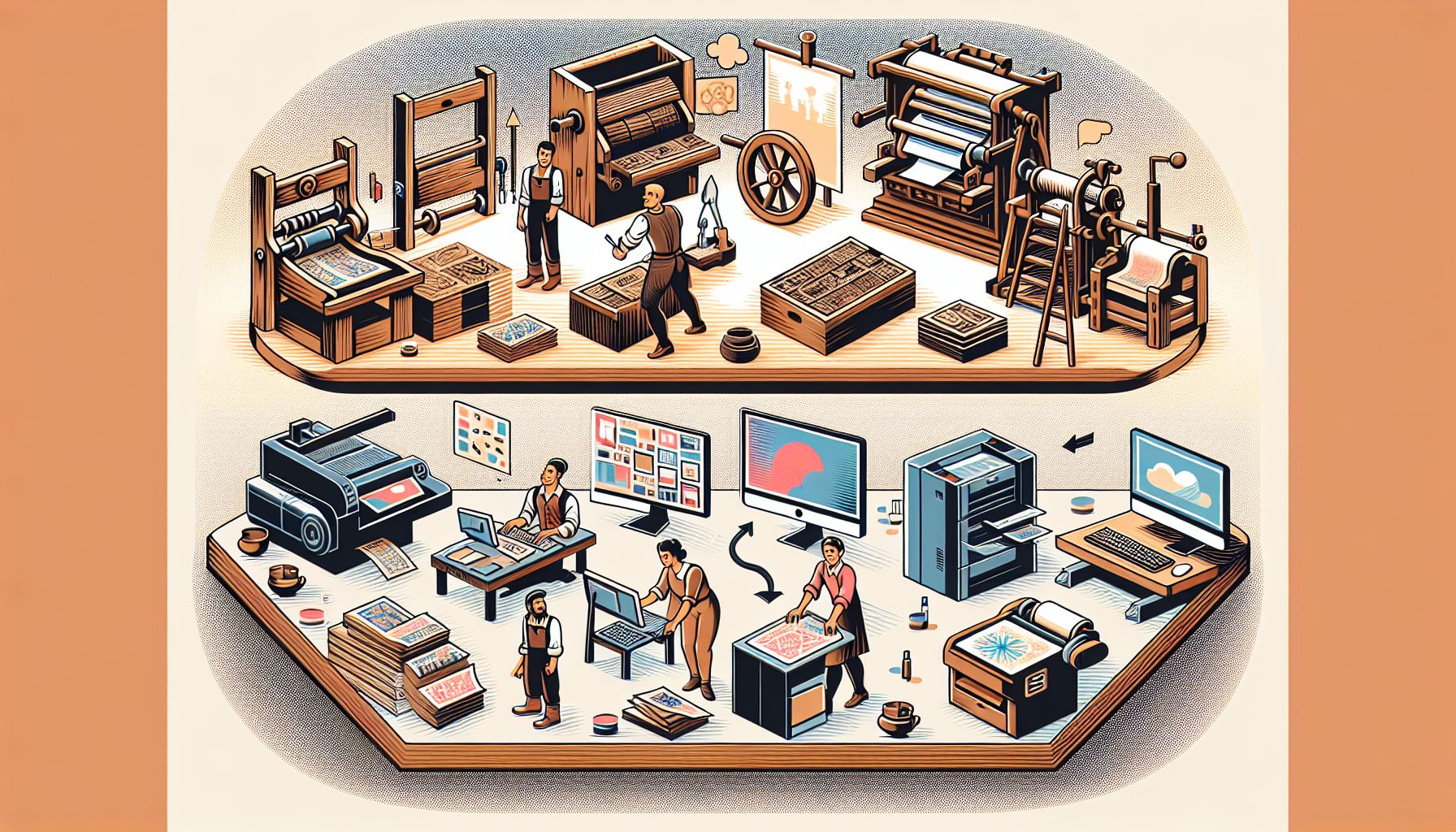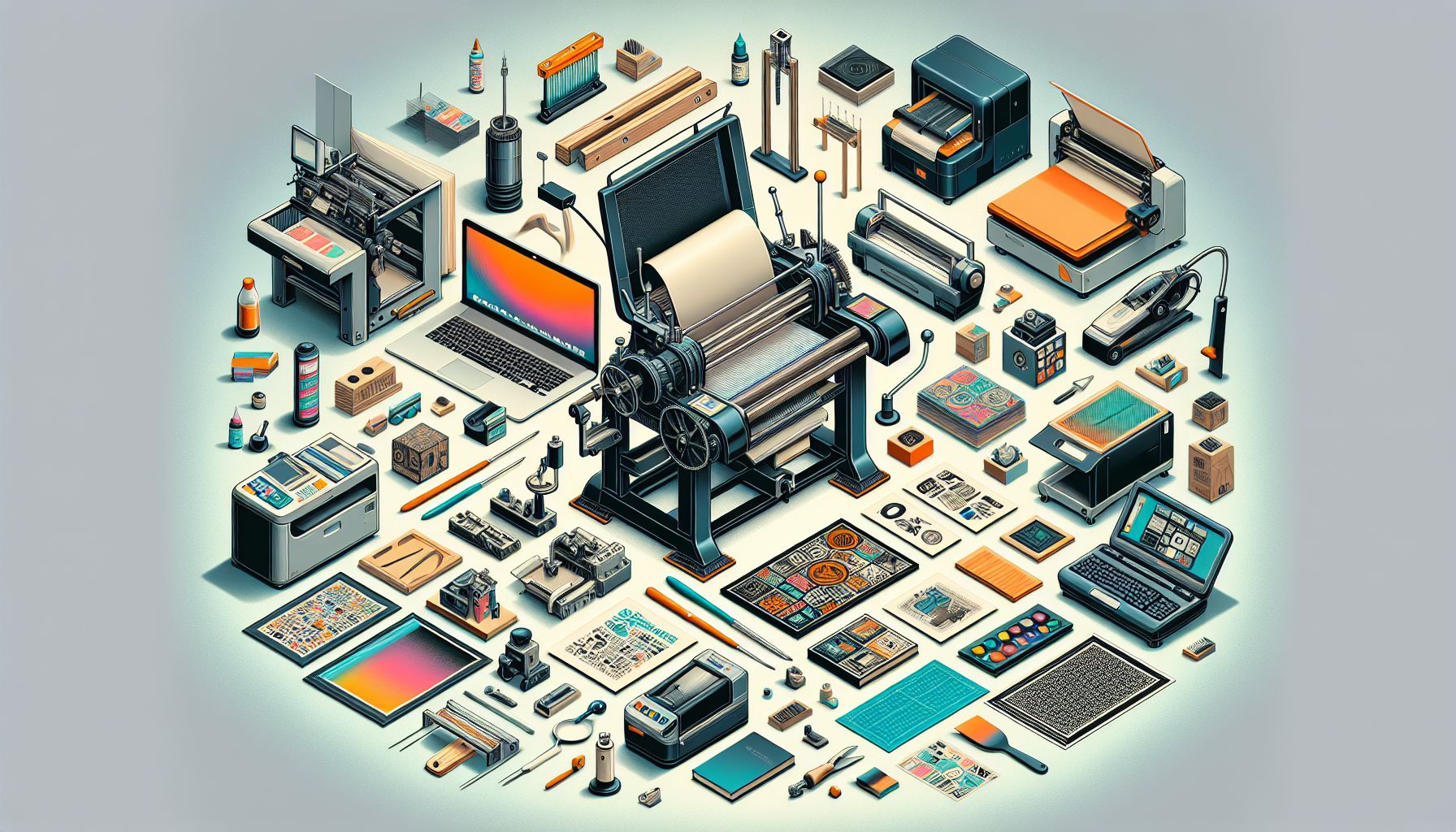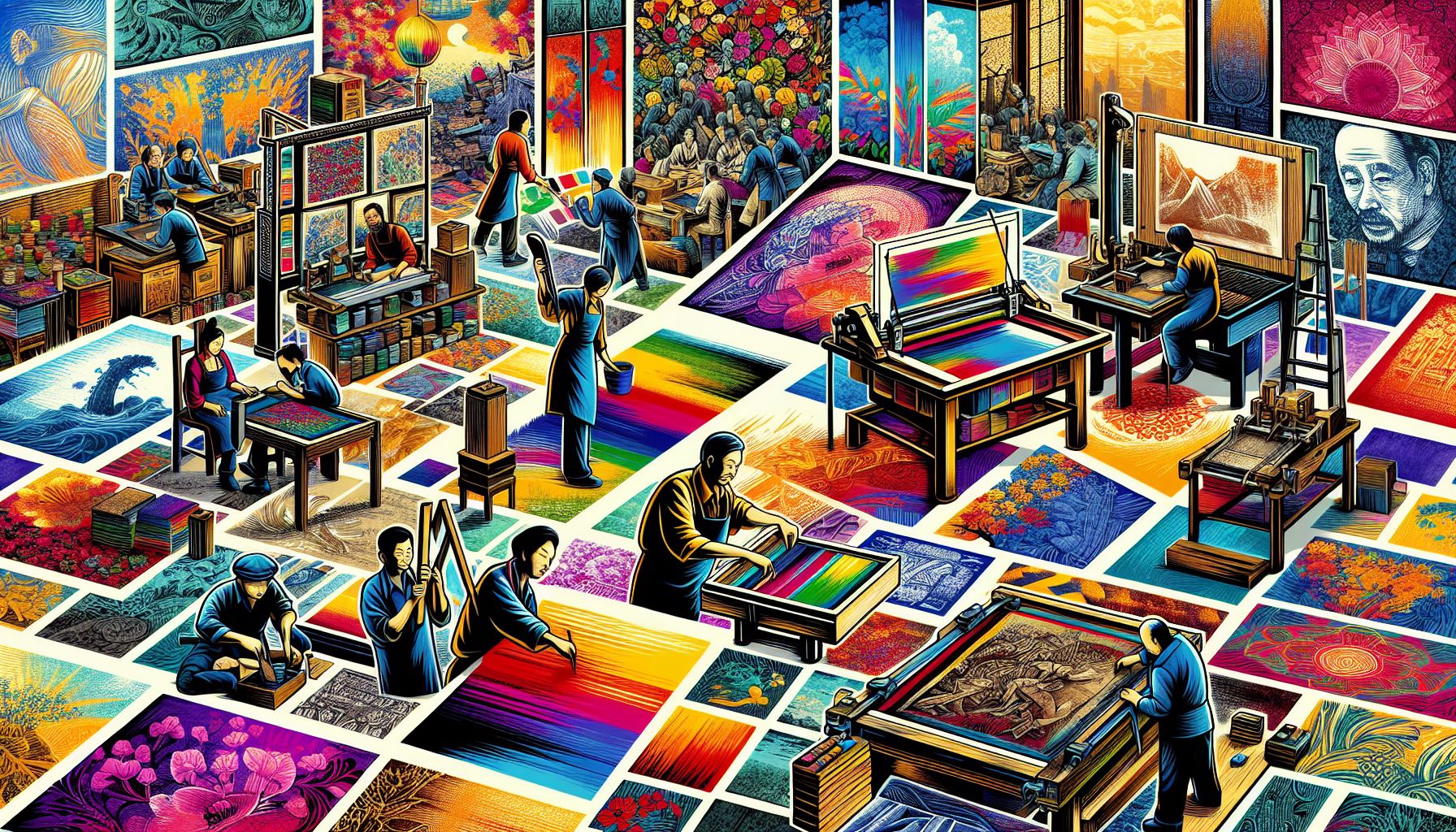

Printing has come a long way from the time of Gutenberg’s press. This technology has transformed over the centuries, adapting to the fast-paced digital world. Today, there are various innovative printing techniques to cater to different needs and applications. This blog post’s aim is to acquaint you with some of these common printing techniques used in the present era. We’ll discuss various aspects of different methods from traditional offset printing to state-of-the-art 3D printing.
Screen Printing
Screen printing, also known as silk-screening, is one of the oldest printing techniques still in use. Primarily utilized for t-shirt printing and poster printing, it involves the use of a stencil and a nylon mesh.
How Does It Work?
A design is imposed on a screen and blank areas are coated with a substance that’s impermeable to the ink. The ink is then forced into the mesh onto the printing surface. This method guarantees high-quality prints and is cost-effective when producing large quantities.
Offset Lithography
Considered as a go-to method for high-volume commercial jobs like newspapers, magazines, stationeries, and books, offset lithography provides consistent and high-quality printed materials.
How Does It Work?
The method involves an inked image from a plate being transferred (or “offset”) onto a rubber blanket, and then to the printing surface. The lithographic process is based on the repulsion of oil and water, where the image to be printed gains ink from ink rollers, while the non-printing area attracts water, keeping it ink-free.
Digital Printing
One of the most prevalent printing techniques in today’s market, digital printing is a revolutionary method that delivers high-quality prints, fast results, and allows for on-demand printing.
How Does It Work?
Digital printing employs large-format and high-volume laser or inkjet printers. The digital files are directly printed onto the material. Due to its capability of a quickly changing image, it’s perfect for personalized printing, ensuring cost efficiency for lower quantity orders.
Flexography
Utilized for packaging, labels, newspapers, and other high-output needs, flexography is a modern version of letterpress that can print on almost any type of substrate, from plastic, metallic films, cellophane, and paper.
How Does It Work?
This technique uses fast-drying, semi-liquid inks and flexible photopolymer printing plates wrapped around rotating cylinders on a web press. The inked plates have a slightly raised image and rotate at high speed to transfer the ink onto the substrate.
Gravure Printing
Considered to be the best approach for high-volume, superior-quality printing, such as brochures, mail order catalogues, magazines, and packaging.
How Does It Work?
Gravure or rotogravure involves engraving an image onto a copper cylinder. These cells are filled with ink, and the excess is scraped off using a blade. The substrate then comes in contact with the cylinder, drawing the ink out of the cells to produce an image.
3D Printing
One of the most groundbreaking techniques birthed in the digital age, 3D printing or Additive Manufacturing creates three-dimensional objects from a digital 3D model.
How Does It Work?
The method involves laying down successive layers of material in different shapes. The materials used are diverse and consist of plastic, metal, ceramics, and even biomaterials.
Conclusion – Choosing the Right Printing Technique
Selecting the right printing technique depends on many factors such as the nature of the project, volume, budget, and the desired quality. While traditional methods like screen printing and offset lithography are ideal for bulk orders and high-quality results, digital printing serves the demand for quick, personalized printing. Flexography is perfect for high-output needs on various substrates, and gravure is the top choice for high-volume, superior-quality printing. Lastly, 3D printing serves a unique purpose altogether, allowing the creation of 3D objects from digital models.
With knowledge about these printing techniques, you can make better decisions to meet your specific printing needs. The evolution of print techniques will continue, unlocking more possibilities and pushing the boundaries of what can be achieved.