My Blog

The Art and Technique of Printing: A Comprehensive Look

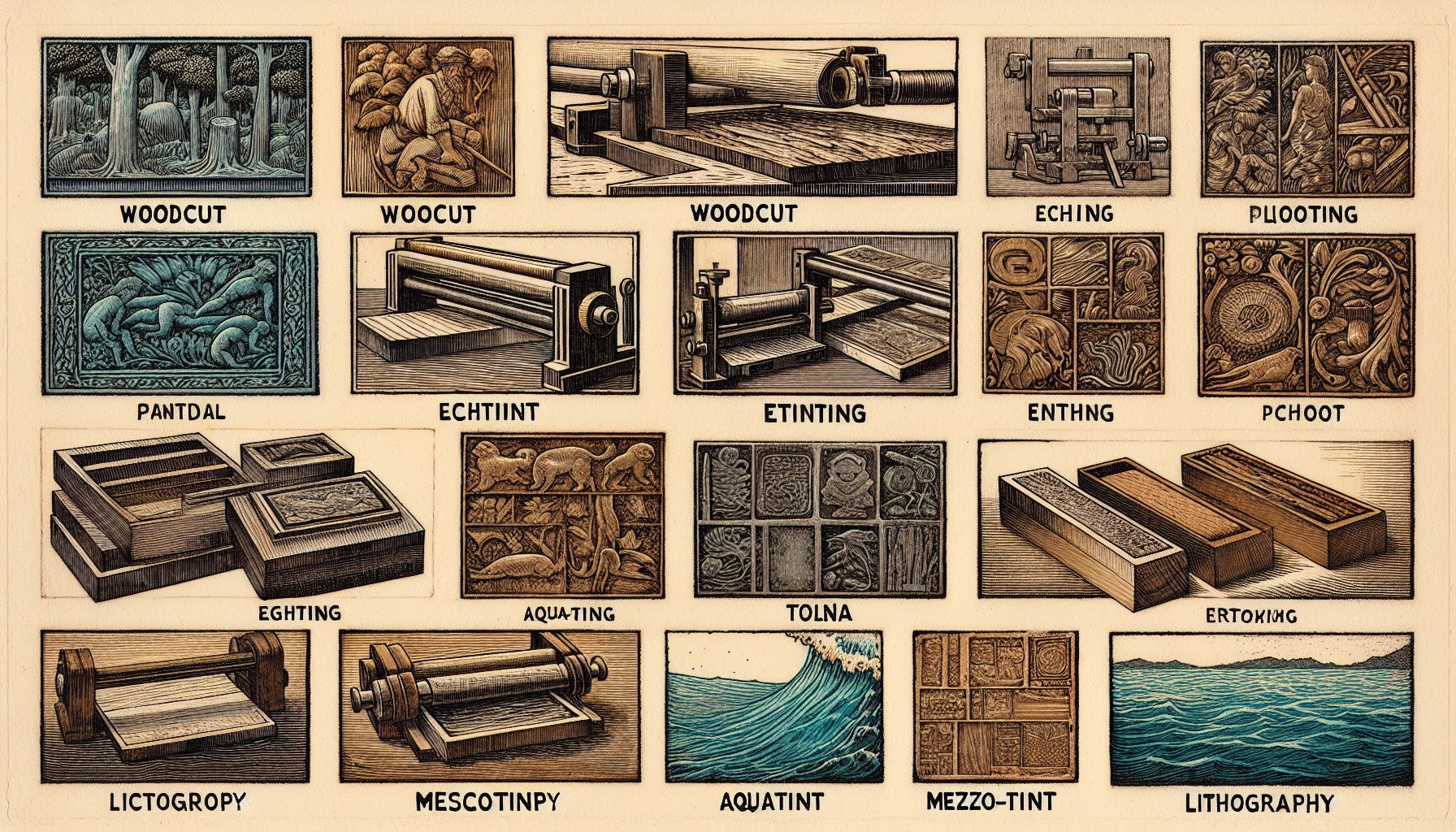
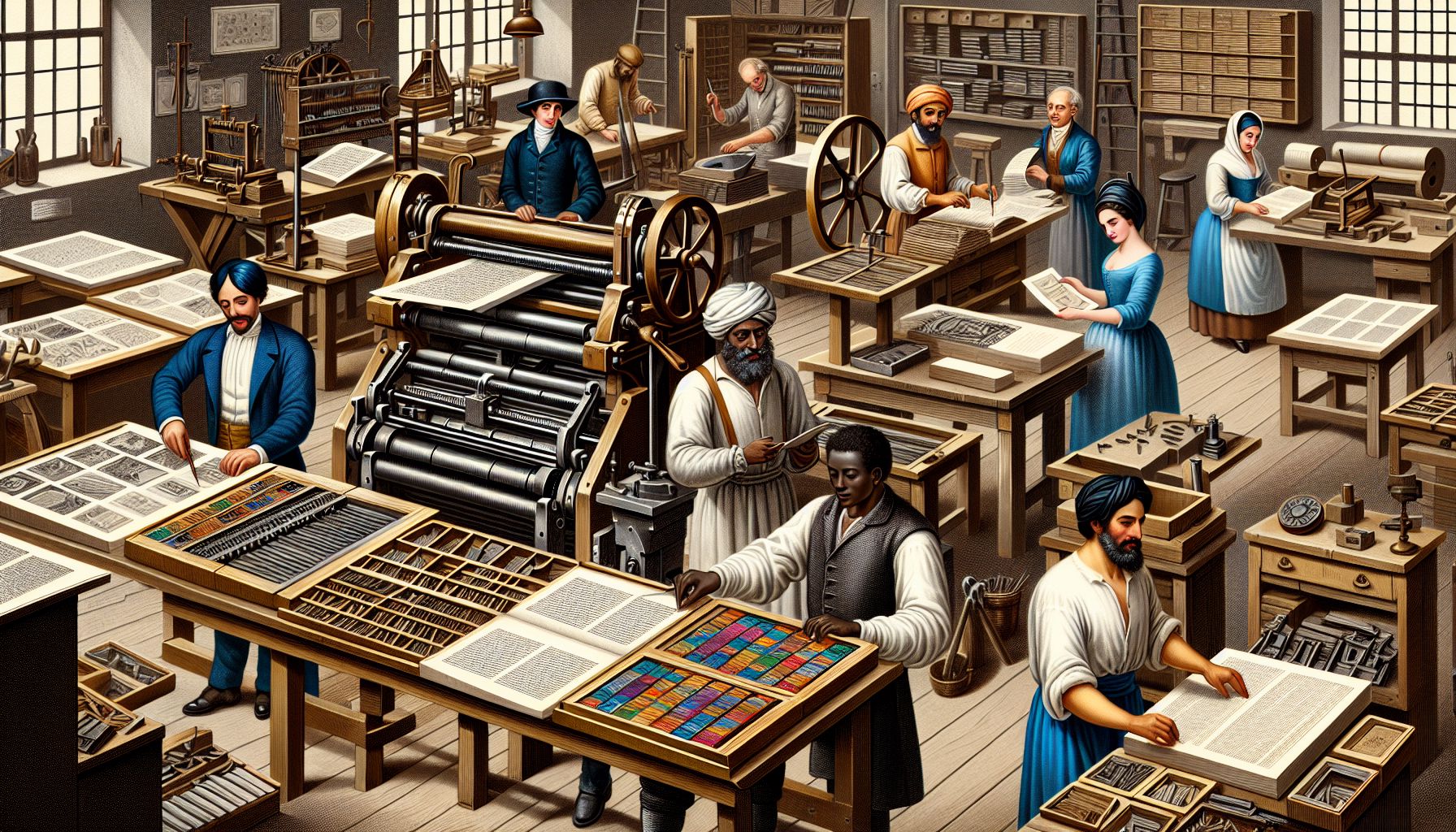
The art of printing is one that dates back to thousands of years. Various techniques and methods have been employed, each representing an era and a technological advancement. This comprehensive guide takes a deep dive into the fascinating world of printing, takes a look at a number of these techniques, and explores what makes them uniquely important.

Introduction

Printing is an all-encompassing term for methods used to recreate images or text. Historically, printing has facilitated the spread of written material, democratizing knowledge, and allowing unprecedented communication on a global scale. The different techniques of printing have evolved over hundreds of years, each technique delivering a unique aesthetic and functional result.

The Evolution of Printing Techniques

Letterpress Printing

This method heralds back to 1440 and is still being used today, mostly for boutique and artisanal applications. Letterpress printing utilizes movable type whereby every letter was made out of metal or wood. The type would be inked and then pressed onto a sheet of paper. The result was a page with the letters indented, providing a tactile feel.

Engraving

Engraving was typically used to print sophisticated illustrations or images in books before photography was invented. The process involved inscribing an image onto a metal plate, including all details, textures, and tones. It required immense skill due to its detailed and meticulous process.

Lithography

Invented in 1796, lithography utilizes the principle that water and oil don’t mix. An image would be drawn onto a stone with a greasy material. The stone was then dampened with water and ink applied. The greasy drawn parts of the image would trap the ink, creating an image transfer.

Offset Printing

Offset Printing is a widely used commercial printing technique where the inked image is transferred from a plate to a rubber blanket, and then to the printing surface. The modern offset press is typically a four-color process, utilizing cyan, magenta, yellow, and black (CMYK) to create a wide spectrum of colors.

Flexography

Originally used in the early 20th century for food packaging, flexography remains an essential printing method for companies needing to print on non-porous materials like plastic. Images are made on large rubber plates and the process is efficient, especially for high-volume orders.

Digital Printing

A relatively modern method, digital printing doesn’t use plates but prints directly onto the paper, canvas, fabric or other materials. It’s generally faster and cheaper for low volume printing compared to other methods. It can also easily accommodate customization or variable data.

Comparing Different Printing Techniques

When comparing these techniques, several factors should be taken into account such as the volume of the print run, the printing medium, the desired aesthetic look, the turnaround time, and the budget. Traditional methods of printing like lithography, flexography, and offset printing are also utilized for large volume runs. They produce high-quality images but setting up the equipment can be time-consuming and expensive.

On the other hand, digital printing doesn’t have setup costs and prints directly onto the material, making it perfect for short runs or projects with variable data. However, it may not match the high-quality image reproduction of traditional printing methods, and it doesn’t provide a wide range of special printing effects.

The Future of Printing

Just as printing techniques have evolved over hundreds of years, we anticipate that the future will bring more advancements in printing. Sustainability is one such area that the printing industry is looking to improve upon. Some immediate steps in this regard include the shift towards more eco-friendly inks, reducing waste, and recycling whenever possible.

Advancements in technology will also likely create even more efficient, higher quality digital printing methods. The capacity for personalization, coupled with reduced costs, makes digital printing a strong contender for the future of the industry.

Conclusion

Printing is a fascinating world, rich in history and filled with ingenuity and artistic flair. Each printing method has its own unique set of characteristics, advantages, and disadvantages. The choice largely depends on the project at hand, your desired aesthetic, budget, and timeframe. As we look forward to the future of printing, the possibilities are virtually endless. With technology advancing at an unprecedented rate, new methods, techniques, and advances in sustainability are undoubtedly well on the horizon. The art and technique of printing continue to evolve, making it an exciting industry to watch.
My Blog

Printing Techniques: A Comprehensive Tour Through The Art Of Imprinting

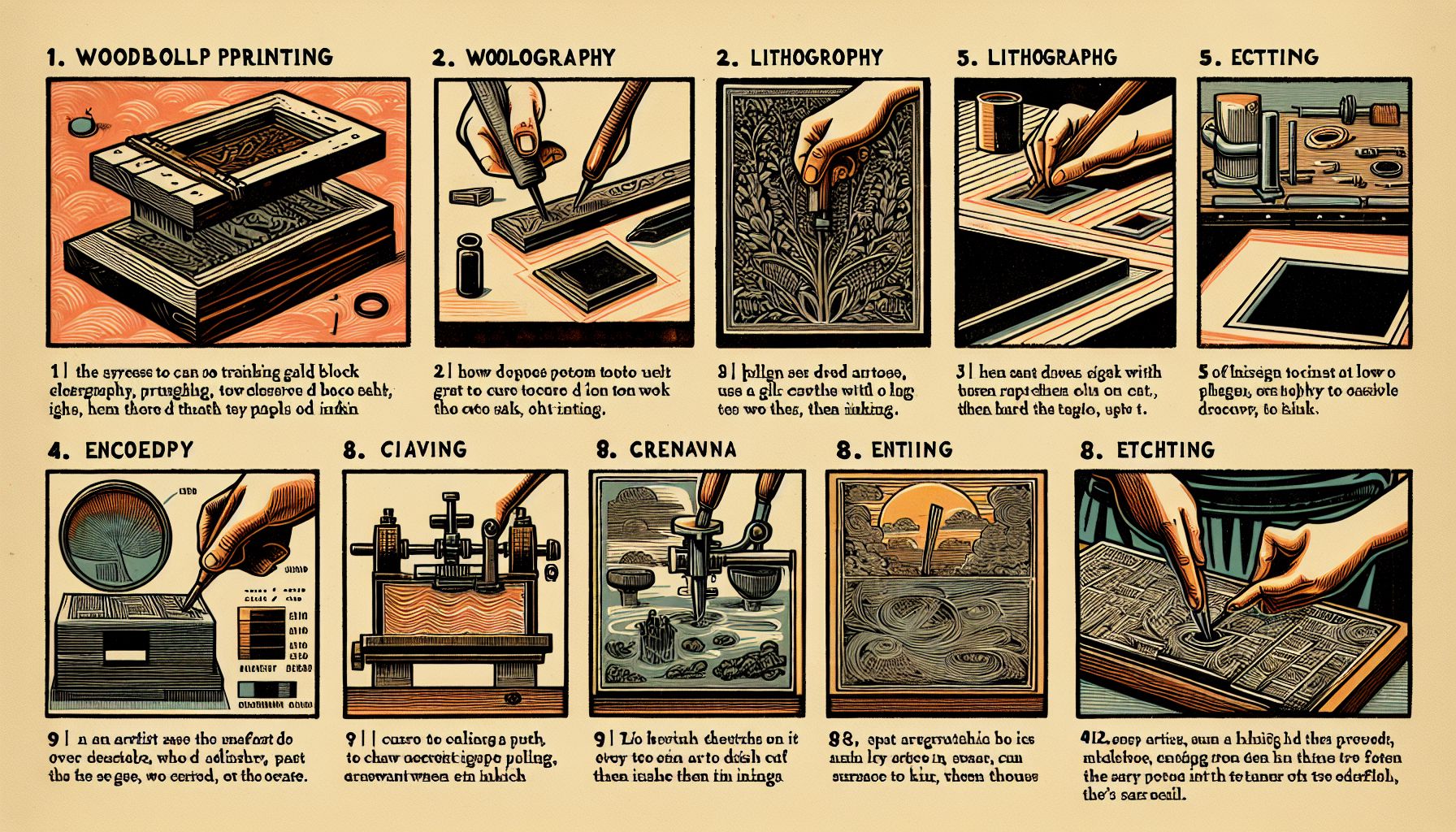
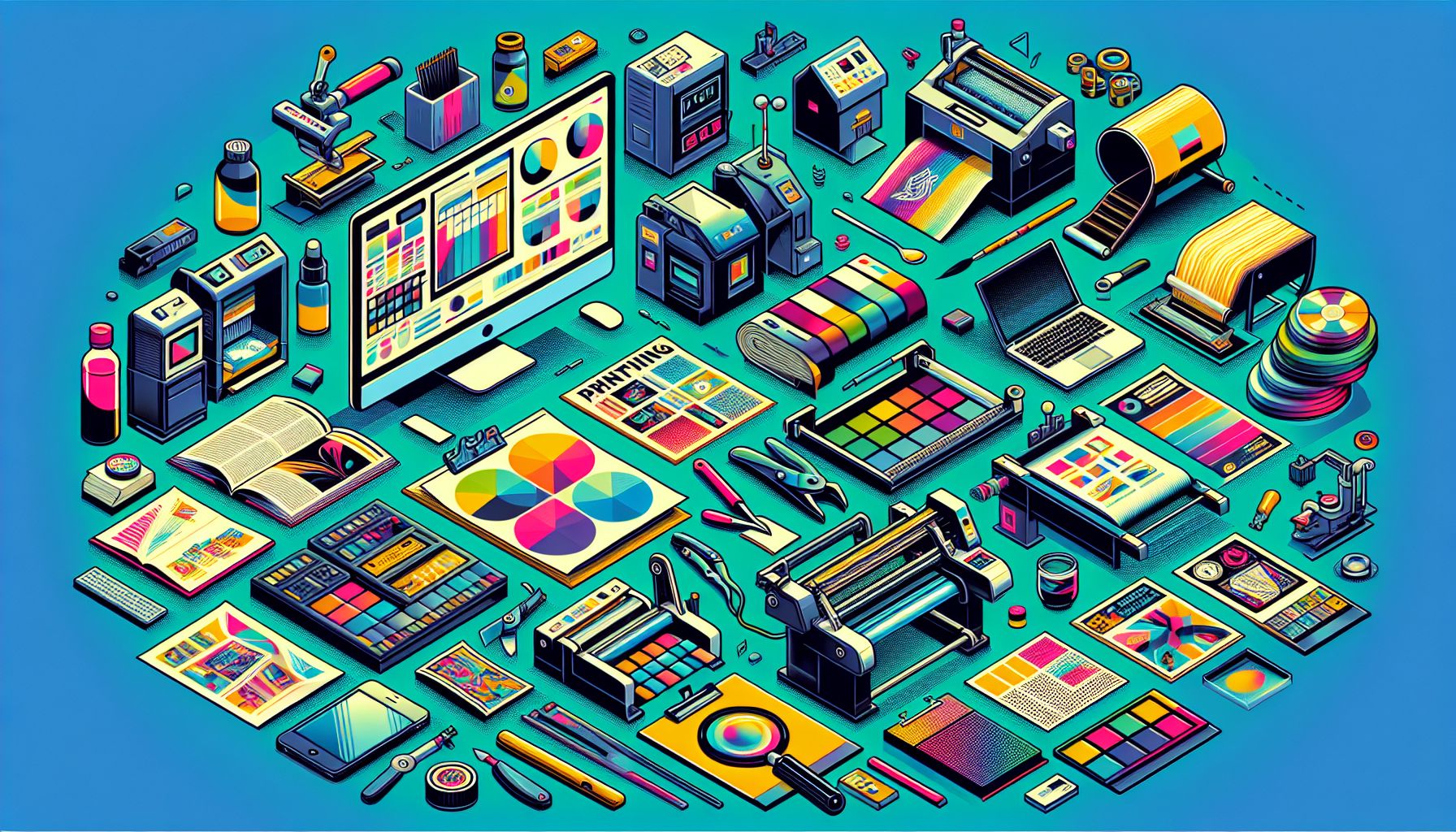
In the world of design and production, printing techniques occupy a significant niche. It is a vast realm filled with creativity, precision, and technical know-how – a craft combining art and technology. Today, we embark on a comprehensive journey to explore the various methods of printing. Let’s delve into this intriguing world through an understanding of the processes, tools, and the brilliant results they yield.

Introduction

Printing dates back to antiquity, evolving from rudimentary stamps on clay to sophisticated digital printing technologies of the current times. However, the relevance remains as potent as ever. Whether it’s contributing to the aesthetic appeal of a garment or decorating a living room with ornately printed wallpaper, printing techniques help us express our creativity and style.

Different Types of Printing Techniques

There’s an eclectic collection of printing techniques available today. Each method has its uniqueness, quirks, and distinct advantages depending upon the desired outcome. Here, we will explore some of the most widely-used printing techniques and their salient features.

Screen Printing

Also known as silkscreen or serigraphy, screen printing is one of the oldest and most versatile printing techniques. In this method, an image is applied to a fine mesh screen and ink is pushed through only where the screen is devoid of a stencil. Screen printing is renowned for its ability to produce high volumes of the same design efficiently and cost-effectively, making it popular for T-shirts and posters.

Offset Printing

Offset printing or offset lithography uses plates to transfer an image onto a rubber blanket, then rolling that image onto paper or other material. Renowned for producing consistently high image quality and highly accurate color reproduction, offset printing is ideal for large quantity print jobs such as newspapers and magazines.

Digital Printing

A versatile and modern technique, digital printing bypasses many traditional pre-press stages of conventional printing by transferring a digital image directly onto the printed material. It’s perfect for small print runs and situations where the content may need to change regularly.

Letterpress Printing

One of the oldest forms of printing, letterpress printing involves a raised surface with reversed letters being inked and then pressed onto the print medium, resulting in a debossed effect. Offering a beautifully organic and high-quality feel, this technique is increasingly popular for invitations and stationery.

Gravure Printing

In gravure printing, an image is etched onto a metal plate which is then filled with ink and applied to the print medium. This technique is best for high-volume print jobs of consistent high quality, such as magazines, mail order catalogues, or packaging.

Flexography

Utilizing a flexible relief plate, flexography, more commonly referred to as flexo, is essentially a modern version of letterpress that can be used for printing on almost any type of substrate. It’s highly flexible, pun intended, and commonly used for printing on packaging and products.

Engraving

Engraving or intaglio printing involves incising a design onto a material. The incised area holds the ink which, once pressed onto paper, produces a raised print. Renowned for its high quality and durability, engraving is often used for event invitations and stationery.

Selecting the Right Printing Technique

Choosing the most appropriate technique largely depends on your project’s specifics: the volume, budget, preferred medium, and overall desired effect. For instance, digital printing might offer the best solution for short-run, precise, and high-quality printing, while offset or flexography may be better suited for high-volume projects to keep per-unit cost down.

Conclusion

Looking at the array of printing techniques available today, it’s clear that this realm of art and technology is rich in variety and capability. The right technique could add a new dimension to your project, increasing its aesthetic value and elevating its status beyond expectation. As we continually adapt and innovate, the importance of understanding these techniques and their potential applications becomes indisputable.

My Blog

A Comprehensive Guide to Modern Printing Techniques

Printing technologies have evolved significantly over the last few centuries. From rudimentary woodblock carving to intricate 3D printing, the technological advancements in the printing industry have paved the way for designers, artists, and manufacturers to express their visions effectively and efficiently.

In this guide, we will explore the most common printing techniques, from traditional to cutting-edge. We will delve into how they work, their applications, and their advantages and disadvantages.

Traditional Printing Techniques

Let’s start by visiting some of the traditional printing techniques that have shaped the industry.

Offset Lithography

Offset lithography is one of the most conventional printing processes, predominantly used for mass-produced items such as newspapers, magazines, brochures, and stationery. It involves using plates, usually made of aluminum, onto which the design is imprinted. These plates are then inked and applied to rubber blankets, which transfer the design onto the paper.

The key advantage of offset lithography is its high image quality. Plus, the cost per piece is lower for large runs due to the lower price of materials. However, it may not be cost-effective for short-run printing due to the high setup time and cost.

Engraving

Engraving is one of the oldest forms of printing technology. Originally implemented on metal plates, the process involves etching a design into the plate, which is then filled with ink. A piece of paper is then pressed onto the plate, leaving a raised print on the paper.

Engraved printing is often used for high-end stationery, like business cards and invitations, as it provides a unique texture and a professional appearance. However, it can be time-consuming and expensive compared to other methods.

Letterpress

Letterpress printing, like engraving, is also a traditional method. This technique uses raised, inked, reversed images pressed against paper to create a correctly oriented picture or lettering. This printing method is often used for business cards, wedding invitations, and other stationery.

The attractiveness of letterpress lies in its beautiful, handcrafted aesthetic with its trademark impression in the paper. But it’s a labor-intensive process and not very suitable for large volume printing.

Modern Printing Techniques

Now, let’s delve into some of the more modern techniques that have revolutionized the printing industry.

Digital Printing

Digital printing refers to methods of printing from a digital-based image directly to various media. It typically uses toner or larger printers that use liquid ink. Digital printing is particularly expedient for short-run and personalized printing, covering a wide range of services, from photo books to corporate collaterals.

The main advantages of digital printing are speed and cost-effectiveness for lower volume jobs. However, the image quality may not be as fine as traditional printing methods.

Screen Printing

Also known as silk screening, this printing technique involves creating a stencil (printers call this a “screen”), and then using that stencil to apply layers of ink on the printing surface. It is a popular method for printing high-quality t-shirt designs, posters, and other textiles.

While this technique can produce brilliant, vibrant colors, it may not be as cost-effective or practical for small quantities or detailed, multi-color designs.

Flexography

Using flexible relief plates, flexography or flexo printing is essentially a more modern version of letterpress. It is used for high-volume runs, and is suited to printing on a variety of materials including plastic, foil, acetate film, and paper.

While flexography delivers a quick production speed and ability to print on a variety of surfaces, it can be expensive to set up and may not offer the best image quality.

Cutting-Edge 3D Printing

Touted as the future of printing, 3D printing or additive manufacturing builds 3D objects from a computer-aided design (CAD) model by successively adding material layer by layer.

The great advantage of 3D printing is its ability to produce complex shapes and designs that traditional manufacturing methods are unable to achieve. It’s a game-changer for many industries including healthcare, education, construction, and more. However, the cost and time associated with 3D printing may make it less viable for mass production.

Concluding Remarks

The world of printing is vast and expanding with constant innovations. Whether it’s the hands-on craftmanship of traditional methods or the precise and quick delivery of digital and 3D printing, there is a printing technique out there to suit varied needs and applications.

As we move forward, the line between traditional and modern techniques will likely continue to blur, combining the best of both worlds – the quality, feel, and aesthetic of traditional methods with the speed, versatility, and cost-effectiveness of modern techniques.

The one certain factor is that the printing industry will continue to grow, evolve, and influence many aspects of our lives, from the business cards we hand out, the magazines we read, to the clothes we wear. Knowing and understanding these printing techniques is key to making the right decision for your printing needs.

My Blog

Unlocking the Art of Printing: Top Techniques Explained

Printing has been an essential part of human civilization. From ancient woodblock printing to our modern digital printing, the art and science of printing have grown exponentially, creating a myriad of impressive techniques that significantly impact numerous aspects of our lives. This article aims to deepen your understanding of various printing techniques, their unique properties, and how they contribute to the world of print.

The History and Evolution of Printing Techniques

In the beginning, printing was a painstaking process, where every word or image had to be carved onto blocks of material for reproduction. The invention of movable type printing by Johannes Gutenberg in the mid-15th century revolutionized the concept, leading to the proliferation of books and, eventually, the spread of knowledge and ideas. Throughout the centuries, the continuous pursuit of efficiency and quality has led to the birth of many printing techniques, each with its unique set of benefits and applications.

Letterpress Printing

This classic printing technique is all about creating an impression. Injection-molded using lead-based alloy, the raised surface of a metal plate is inked and pressed onto the paper, creating a beautifully embossed effect. This method is now often used for high-quality, bespoke stationary like wedding invitations or business cards.

Lithography and Offset Printing

Lithography originates from the Greek words ‘lithos’ meaning stone, and ‘graphien,’ which means to write. The original process involved drawing an image with an oil-based substance on a smooth limestone surface, then applying water onto the stone. Once the stone is inked and pressed onto paper, the ink sticks only to the oil-based drawing.

Offset printing is a later evolution of lithography, where the image is first transferred (‘offset’) onto a rubber blanket and then onto paper. This technique can produce high quality, sharp, and clean images, and is commonly used in mass-produced print works like newspapers, magazines, brochures, and stationery.

Screen Printing

This method, also known as silk screen, serigraphy, and serigraph printing, involves creating a stencil (printers call this a “screen”), and then using it to apply layers of ink on the printing surface. Each color is applied using a different stencil, one at a time, combined to achieve the final look. Screen printing is useful for printing designs on fabric, wood, glass, metal, and plastic and is widely used in printing posters, labels, signage, and artwork.

Digital Printing

Harnessing the power of technology, digital printing techniques imprint images onto surfaces using digital files such as PDFs. This technique doesn’t require a printing plate, and can include inkjet or laser printers that deposit pigment or toner onto a variety of surfaces. Digital printing is excellent for highly detailed images, producing sharp, vibrant print outs with high resolution. It is especially suitable for short-run print jobs, personalized printing, and for producing print-on-demand materials.

Gravure Printing

Also known as rotogravure, this technique is a type of intaglio printing process, which involves engraving the image onto an image carrier. In gravure printing, the image is engraved onto a cylinder because, like offset and flexography, it is a roll-to-roll process. Gravure is notable for its exceptional quality and remarkable density range. It also has long been favored for high-volume work such as newspapers, magazines, and packaging.

Fleoxography

Flexography or flexo is a modern version of letterpress and can be utilized on almost any type of substrate, including plastic, metallic film, cellophane, and paper. It is widely used for printing packaging and labels, but also suitable for banners, wallcoverings, and billboard advertisements. Although flexo printing is not as quality-conscious as gravure or offset printing, it is an effective solution for many kinds of print tasks.

Future Trends of Print Technology

Just as the static blocks of yesteryears have given way to dynamic digital files, the print technology of tomorrow will likely go beyond the flat plane of paper. Already, we’ve seen the rise of 3D printing, where physical objects can be printed from digital designs. Augmented reality is also making waves, enabling print materials to interact with digital elements. As technology continues to evolve, so do the possibilities for print.

Conclusion

Printing techniques have been with us for hundreds of years, still, they continue to evolve, producing consistently better results, more efficiently. From letterpress to digital printing, each method offers a unique set of advantages and applications, making different aspects of our visual world possible. It’s fascinating to recognize the versatility these techniques offer, and we can only look forward to the future of printing with anticipation and excitement.

My Blog

A Comprehensive Guide To Different Printing Techniques

Printing has been around for thousands of years, serving as a dominant method of communication and advancement in technology. Today, several types of printing techniques are being used around the world, each with its unique properties, advantages, and applications. This article aims to delve into the nitty-gritty of different printing techniques, from traditional methods to modern digital technologies.

Introduction

Printing is perhaps one of the most significant inventions in human history. From the ancient times of block printing on fabrics, the industry has come a long way. Staying relevant in today’s digital era, printing techniques have expanded and evolved, offering expanded possibilities. Whether you are an artist trying to bring a design to life, a business owner trying to captivate your audience with vivid and extraordinary prints, or simply a curious mind wanting to understand how words and images get on paper, this guide will help you understand various types of printing techniques and their applications.

Offset Lithography

Offset Lithography or Offset printing for short, is one of the most commonly used printing techniques, especially for high volume commercial printing. The fundamental principle lies in its process that separates oil-based ink and water using a metallic plate and rubber blanket. This method is ideal for printing smooth and detailed images or text on flat surfaces, including paper, cardboard, plastic, and metal.

Advantages:

  • Produces high-quality images.
  • Economical and efficient for large print runs.
  • Prints on a wide range of printing surfaces.

Flexography

Flexography, often known as flexo, is a technique mainly used for packaging and label printing. It uses flexible relief plates that are wrapped around rotating cylinders on a web press. These plates are fast-drying and highly versatile, capable of printing on a variety of materials including plastic, metallic films, cellophane, paper, etc.

Advantages:

  • Ideal for large runs.
  • Can print on a variety of materials.
  • Quick drying and high-speed production.

Digital Printing

Digital printing has revolutionized the printing world, offering quick, affordable, and high-quality solutions. There are two primary types of digital printing:

Inkjet Printing:

Inkjet printing sprays droplets of ink onto the printing surface directly from the digital file. It is commonly used for small jobs that require high amounts of detail and color variation.

Laser Printing:

Laser printing uses toners adhered to the material through heat. It generally offers faster speed and is a go-to choice for many businesses for high-volume jobs.

Advantages:

  • Allows quick delivery due to a reduced setup time.
  • Excellent for short to medium print runs.
  • High detail precision and color variation possibilities.

Gravure Printing

Gravure printing also known as rotogravure, uses engraving on a metal plate mounted on a cylinder. The image to be printed is engraved into this plate, and the ink is filled in the depressions. This process ensures a high-quality image reproduction and is ideal for long-run, high volume applications such as magazines, catalogues, and packaging.

Advantages:

  • Exceptional quality for high-volume jobs.
  • Fast production speed.
  • Image cells can hold a lot of ink, leading to richer, deeper colors.

Screen Printing

Screen printing is a stencil method where ink is forced onto the surface through a silk or mesh screen. It is one of the oldest printing techniques and is primarily used for printing on fabric, wood, glass, ceramics, and metal.

Advantages:

  • Extremely durable, especially on fabrics.
  • Prints vibrant colors even on darker surfaces.
  • Can be repeated multiple times with the same stencil.

Conclusion

From traditional methods to state-of-the-art digital variants, each printing technology has offered incredible value to our society. Understanding different printing techniques can guide you to choose the most suitable method for your specific needs, whether it’s for business promotion, artistic expression, or personal use. In a world increasingly dependent on digital content, printed materials still bring a substantial, tangible, and lasting effect that digital cannot replace. With continued advancements and innovations, the realm of printing techniques is expected to evolve, adapting to changing requirements while continuing to leave a lasting impact.

My Blog

The Fascinating World of Printing Techniques

The art of printing has been around for centuries, evolving and expanding with the development of technology and the human intellect. Today, printing has grown to be more innovative and versatile than ever, offering a plethora of techniques to suit diverse needs. From traditional methods steeped in history to cutting-edge digital solutions, the world of printing is engaging and diverse. Let’s delve deep into some popular printing techniques and explore their distinctive features, advantages, and applications.

Letterpress Printing: A Nod to The Past

Arguably one of the oldest and most respected forms of printing, letterpress printing harks back to the days of Johannes Gutenberg. Despite its historic roots, it still enjoys considerable popularity among designers and typographers today for its ability to imbue every print with a unique tactile quality.

In Letterpress printing, a raised surface is inked and then pressed onto a sheet of paper. This process leaves an impression on the paper, creating a distinct texture both visually and physically. Artists and printers who value tradition, craftsmanship, and the rich textural nuance that letterpress brings to the table, often prefer this method.

Offset Lithography: The High Volume Workhorse

When it comes to large-scale, commercial print jobs, offset lithography is the go-to technique. This method utilizes a delicate balance of water and oil-based inks, which are not miscible. The printing plate, usually made of aluminum, is treated such that the image area attracts the oil-based ink, while the rest attracts the water, creating a perfect reproduction of the original image on the printing surface.

Offset lithography is speedy, efficient, and cost-effective for high volume printing, making it perfectly suited for producing newspapers, magazines, brochures, and books.

Digital Printing: The Modern Day Maverick

As a recent addition to the printing techniques arsenal, digital printing has quickly earned its stripes as a convenient, versatile, and cost-effective method. It can efficiently handle small runs and offers the flexibility to tweak and adjust the design between runs without significant time consumption or expense.

Digital printing harnesses the power of inkjet or laser printers where tiny droplets of ink are sprayed onto the surface of the paper. Its major advantages include quick turnaround times, high accuracy levels, low cost for small volumes, and the ability to personalise prints.

Screen Printing: The Color Master

If bright, vibrant colours are your priority, screen printing stands out as the best choice. This method can lay down denser inks than most, resulting in exceptionally vibrant colours, even on darker surfaces. The technique involves creating a stencil (the ‘screen’) and using it to apply layers of ink onto the printing surface. Each colour is applied using a separate stencil, making it ideal for designs with few colours.

Screen printing is a popular choice for designing posters, billboards, fabrics, and textiles due to its vivid output and versatility on different surfaces.

Gravure Printing: The Detail Dictator

Gravure or rotogravure is known for its exceptional ability to capture minute detail and produce long, uninterrupted print runs. In this process, a copper plate is engraved with a load of small recesses to hold the ink. It formerly reigned supreme for reproducing photography and other detailed, graphic designs.

While its setup cost is high, on sustained runs, the cost per unit falls, making it a viable option for high-quality magazines, mail order catalogues, and glossy packaging materials.

Flexography: Versatility and Volume

Flexography, also known as flexo printing, is a versatile process that employs fast-drying, semi-liquid inks. This method lends itself to an impressive array of surfaces, including plastics, metallic films, and non-porous substrates, which are commonly used in food packaging.

Flexo printing is unprecedented for high volumes, speedy print runs, and its ability to manage both absorbent and non-absorbent surfaces.

Conclusion: Choosing the Right Printing Technique

There’s a dizzying array of printing techniques out there, each with its strengths and weaknesses, quirks and character. Your choice should be guided by factors such as the nature of your project, volume, required quality, budget, and time frame.

Every technique tells a different story. Whether you’re a fan of the tactile impress of the letterpress or the vibrant allure of screen printing, the sharp precision of digital or the detailed finesse of gravure, there’s a whole world of printing to explore and appreciate. The trend towards sustainable and environmentally friendly practices is also emerging, making the future of printing an exciting prospect.

So next time you pick up your morning newspaper, a glossy brochure, or your favourite t-shirt, spare a thought for the journey it has gone through and the careful selection of printing techniques that have shaped its final form.

My Blog

Unraveling The Intricacies of Various Printing Techniques

In the vast world of print media, numerous printing techniques have evolved over time, each with its unique strengths, weaknesses, and perfect use scenarios. This blog post aims to shed light on these intricate processes, detailing various forms of printing techniques, their characteristics, respective benefits, and best use cases. Whether you’re relatively new in the print media industry, or just curious to learn more about printing techniques, this guide will provide an insightful tour.

Screen Printing

Sometimes referred to as silk-screening, screen printing is one of the oldest printing techniques around. Predominantly used for clothing and other fabric-based items, screen printing forces ink through a silk-screen stencil to create a design.

With screen printing, multiple colors have to be applied one at a time, hence making it a slow and labor-intensive process. However, this method produces high-quality vibrant prints that last even after several washes. For apparel businesses thinking of large volumes of the same design, then screen printing is your go-to choice.

Digital Printing

As a rather modern printing technique, digital printing favors speed and flexibility. This method captures and processes images from a digital file then applies them directly onto the substrates – bypassing the need for a printing plate. Using laser or inkjet printers, tiny droplets of ink are released either directly onto the material or through a toner cartridge.

Digital printing allows for low volume printing and swift turnaround times. It’s the ideal print method for personalized printing, direct mail campaigns, picture books, and full-color documents.

Offset Lithography

Offset lithography is a traditional form of mass-production printing whereby ink and water are applied to a high-grade lithographic plate containing an image of the print. The plate surface then repels water while holding onto the oil-based ink, which then transfers (‘offsets’) onto a rubber blanket before finally applying it to the printing surface.

This technique shines in creating sharp, clean, and consistent high-quality images. It’s preferable for massive print jobs such as newspapers, magazines, brochures, and stationery.

Letterpress Printing

Letterpress dates back to the 15th century and was the standard form of printing until offset lithography took over. This technique involves the physical pressing of an inked raised surface (usually metalic types) against the print substrate, leaving a tactile and visually appealing impression.

While it’s no longer fast or economical enough for most modern applications, letterpress is making a huge comeback in the high-end market segment – serving niches such as wedding invitations, greeting cards, and artisanal prints.

Gravure Printing

Also known as rotogravure, this technique involves engraving an image onto a metal plate, which is then filled with ink and pressed onto the print surface. Gravure printing produces high-quality, continuous-tone images, making it a popular choice for large volume jobs that require top-notch image quality, such as photography books and high-quality magazines.

Flexography

Lastly, let’s talk about flexography – a versatile print method that uses flexible relief plates. It’s somewhat similar to letterpress but with higher efficiency and speed. Flexography is ideal for packaging materials, wallpapers, gift wrap, and large banners, owing to its capacity to print on a wide variety of substrates.

In conclusion, each printing technique has its key strengths, unique characteristics, and best-fit application scenarios. Your choice among them largely depends on the specific requirements of the project at hand, such as speed, color fidelity, volume, precision detailing, and the type of substrate to print on.

Understanding how these methods work ensures that you can make the most out of each printing project – whether you’re a seasoned print shop owner, a graphic designer planning to invest in a printer, or just a curious enthusiast wanting to learn more about the fascinating world of print media. Whatever your use case might be, having this knowledge tucked under your belt will no doubt be a valuable tool as you venture into the multicolored realm of printing.

My Blog

Unleashing Creativity: The World of Printing Techniques

Printing has come a long way throughout the history of humanity. From the days of stone tablet pressings to complex, modern-day digital printing techniques, the process of creating a physical copy of text, image and more has truly evolved. The beauty of printing techniques lies in their variety, each providing different outcomes and benefits, and each best suited for different purposes. In this article, we will introduce you to the vast world of printing techniques, their purpose, and some of their occasionally overlooked yet fascinating history.

The Humble Beginnings: Letterpress Printing

Letterpress printing is the most well-established form of printing, dating back to the 15th century. Developed by Johannes Gutenberg, this technique uses a press to apply an inked, raised surface against sheets or a continuous roll of paper. This method creates a clear, legible printed page ready for viewing.

The charm of letterpress printing is its raw and artisan feel. It is often used today for boutique and luxury print applications, such as wedding invitations, business cards, and stationery. The feel of the pressed letters and images added a tactile feel, that many today still find charming.

Accessible and Versatile: Offset Lithography

Offset lithography is a commonly used printing technique, often referred to simply as “offset printing”. Owned by Robert Barclay of England in 1875, the technique was designed for printing on tin. It was later adapted for paper and patented in 1904 by Ira Washington Rubel.

Offset lithography uses an image carrier on which the image to be printed obtains ink from ink rollers, while the non-printing area attracts a film of water, keeping the non-printing areas ink-free.

This method is perfect for producing sharp and clean images, and thus is popular for large-volume commercial applications such as newspapers, magazines, stationery, brochures, and books.

Enthralling Imagery: Screen Printing

Developed over a thousand years ago in China, screen printing, also known as serigraphy, is a printing technique particularly suitable for flat or relatively flat surfaces. The heart of the technique involves a fine mesh or screen that is tightly stretched around a rigid frame.

Screen printing is used heavily in fine arts due to its flexibility to work with a range of materials and surfaces. It’s also a favourite for t-shirt and poster printing, as it confidently produces bold and vibrant images.

Sophisticated Textiles: Heat Press Printing

Heat press printing is a modern printing technique that involves applying a design to a material through heat and pressure. It is popular for applying designs to fabrics, but can also be used on ceramics, glass, and other materials.

A heat press machine is economical and less labor-intensive than other methods. Due to this approach, heat press printing is a common choice for small business start-ups that need to produce a large quantity of quality prints in a short period.

Precision and Convenience: Digital Printing

Entering the scene in the 1990s, digital printing has revolutionized the printing industry. This technique involves images being sent directly to the printer using digital files such as PDFs and those from graphics software such as Illustrator and InDesign.

Digital printing is perfect for jobs that require high amounts of detail and orders of a smaller quantity. It also proves cost effective for print material that is customized or needs updating frequently.

The Art of Engraving: Gravure Printing

Gravure printing, or intaglio printing, uses a plate, also called a cylinder, that has been etched or engraved with an image. When the cylinder is inked, the ink fills the etched areas, while the non-etched areas are cleaned off.

Gravure printing is a high-speed, high-volume, high-quality printing method often used for magazines, catalogues, and packaging.

Conclusion: The Future of Printing Techniques

The world of printing techniques is constantly evolving. From Gutenberg’s letterpress to today’s powerful digital machines, each revolution in printing technology has brought us a clearer, faster, more vibrant way to express ideas.

As new technologies emerge and old ones are continually refined, the future of printing techniques promises to be as varied and dynamic as its history. No matter your needs, there’s a printing technique out there to bring your vision to life — be it for business, art, or anything in between.

Since the dawn of the first printing press, humans have endeavoured to commit their thoughts to physical form. Today, the variety of accessible and versatile ways to do so means that anyone can communicate their unique ideas to the world. And who knows what the future of printing techniques will hold? The only certainty is that humans will never cease their quest for better means of expression and communication.

My Blog

A Deep Dive into the World of Printing Techniques

Printing, from its primitive forms to the advanced techniques we see today, has been an indispensable part of our civilization. With the rapid developments in the digital world, the printing strategies have seen significant advancements, broadening the horizons of its application in various sectors. This blog post takes a closer look at some of the popular printing techniques—how they work, their unique features, and the contexts in which they are most useful.

Section 1: A Brief History of Printing Techniques

The history of printing dates back to the Mesopotamian civilization when people used round seals for rolling impressions into clay tablets. The first movable type system was invented in China during the Han dynasty, and the good old printing press was introduced by Johannes Gutenberg in the mid-15th century.

However, as technology continues to evolve, printing techniques have gained sophistication. From letterpress and lithography to digital and 3D printing, each method is formulated to cater to varying needs and purposes, demonstrating a unique blend of the aesthetic and the functional.

Section 2: Screen Printing Method

Screen printing, also known as silkscreen or serigraphy, is a technique that involves the transfer of designs onto a material through a meshed screen. The screen is usually made of a synthetic transparent material, over which the image or pattern is superimposed. A thick, ink-like substance is then spread on top, which is absorbed by the areas not blocked by the stencil.

Screen printing is largely employed in the textile industry, specifically for T-shirts and fabric decoration. It delivers high-quality prints that are resistant to wear and fading, making it also widely used for posters, wallpapers, and art prints.

Section 3: Lithography

A method that started with a piece of limestone and a greasy crayon, lithography has expanded far beyond its simple beginnings. Invented in 1796 by German author and actor Alois Senefelder, lithography involves ink being applied to a grease-treated image on a flat printing surface.

In the world of commercial printing, Offset lithography is the standard. It provides high-quality and cost-effective production, especially for large print runs. This technique is most commonly used for printing books, newspapers, stationery, brochures, and much more.

Section 4: Digital Printing

Digital printing utilizes modern technology to transfer digital files to print. Unlike traditional printing methods, it does not require printing plates. Instead, artwork is processed by a computer and then directly printed onto the material.

The significant advantage of digital printing is that it allows for on-demand printing, shorter turnaround, modification of the image, and long-term cost efficiency for small print runs. It also supports high-definition image quality with a full spectrum of colors, making it ideal for exquisite designs and pictures.

Section 5: 3D Printing

3D printing, or additive manufacturing, is a groundbreaking method that creates three-dimensional objects from a digital file. It involves layering materials such as plastic until the object is complete, essentially “printing” the item into existence.

The applications of 3D printing are widespread, from product prototyping to manufacturing parts in aerospace and the automotive industry. It’s also used in the creation of dental and medical implants, amongst other health-related applications.

Section 6: Letterpress Printing

The oldest form of printing that has roots in Gutenberg’s inventions, letterpress printing involves setting movable type and images into the bed of a press, inking it, and pressing the inked type onto the paper. Known for its distinguished, handcrafted look, letterpress is mostly used for high-end stationery, books, and decorative prints.

Conclusion: Choosing the Right Printing Technique

While each printing method has its own set of advantages, the choice ultimately depends on your specific needs and budget. Screen printing and letterpress may bring a traditional and tactile feel to your materials, but digital and 3D printing present more versatility and precision. Lithography remains the go-to method for commercial and high-volume production.

Regardless of the method you choose, the magic of printing remains. From eye-catching posters and detailed fabrics to intricate 3D objects and readable texts, different printing techniques continue to shape our visual and tangible world.

In this rapidly changing digital world, we’re sure to see more advancements in printing methods. So, whether you’re a designer seeking the best medium for your creation, or a business looking to convey your message effectively, staying informed about these techniques will make the printing process smoother and more successful.

My Blog

A Comprehensive Overview of Printing Techniques

The world of printing has evolved significantly and there are different printing techniques now available to serve various design and business needs. From traditional printing press techniques to modern digital printing, the options are numerous and each of them brings unique characteristics and advantages. This blog post is aimed at providing a comprehensive guide to understanding these various printing techniques.

Introduction

It was Johannes Gutenberg who first introduced the printing press to Europe in the 15th century. Since then printing has evolved a lot, witnessing a shift from traditional, manual methods to modern, digital processes. Although digital printing has gained significant popularity due to its convenience and cost-effectiveness, traditional printing techniques are still in demand due to their unique aesthetic appeal.

It’s important for businesses, graphic designers, and anyone else with printing needs to understand these different methods to choose the best one for their purposes. This guide will navigate you through the popular printing techniques highlighting their unique characteristics, advantages, and applications.

Traditional Printing Techniques

Letterpress Printing

Letterpress printing is one of the oldest and most revered print techniques. The process involves inking a plate with raised surfaces, then pressing it onto a sheet of paper. The pressure from the press imprints the ink onto the paper, resulting in a print that not only looks good but also feels nice to the touch.

Despite being time consuming and labor-intensive, letterpress is loved for the unique, old-world charm it brings to the finished products. This technique is commonly used for wedding invitations, business cards, and high-end stationery.

Flexography

Flexography or flexo printing is a technique similar to letterpress that can be used for printing on a variety of materials including plastic, metallic film, cellophane, and paper.

Flexography is often used for high-volume runs such as labels, packaging, and newspapers. It is known for its efficiency and the ability to produce high-quality prints with a fast-drying process.

Gravure Printing

Gravure printing, also known as rotogravure, involves engraving an image onto a copper cylinder. This technique provides remarkable image detail and is popular for large-volume printing such as magazines, wallpaper, gift wrap, and vinyl upholstery.

However, the initial engraving cost may be high, making it unsuitable for smaller print runs.

Offset Lithography

Offset lithography or simply ‘offset’ is one of the most common print techniques used today. It is an indirect printing technology, meaning the ink is not directly pressed onto the paper.

The primary advantage of offset lithography is that it produces clear, sharp images and can be used to print on a wide variety of materials, including paper, cardboard, plastic, and even wood. Typically used for mass-production print jobs such as newspapers, magazines, brochures, and books.

Modern Printing Techniques

Digital Printing

Digital printing, as the name implies, involves the usage of digital files like PDFs to print directly onto the medium. The process can be likened to a sophisticated version of a home inkjet printer on a much larger scale.

Digital printing is ideal for lower quantity print jobs and when the delivery timeline is tight. It is also a preferred choice when variable data printing such as personalizing each printed piece with a unique name or address is required.

Large Format

Large format printing, or wide-format printing, involves printing onto large roll-fed media or rigid substrates to create large-scale visuals. It typically uses inkjet technology to produce full-color prints.

You can easily spot examples of large format printing outdoors with billboards, banners, and even vehicle wraps. Indoors, it’s used for wall and floor graphics, event signage, trade show displays, and more.

Conclusion

Different printing techniques serve different purposes and understanding them enables you to make better printing choices.

While modern printing techniques like digital and large format have brought about more efficiency and versatility, traditional printing methods like letterpress and offset lithography continue to hold their charm by offering rich, textural prints.

Remember, there is no absolute best printing technique. The ideal choice often depends on your specific needs such as the type of project, budget, quantity, delivery time, and the level of quality desired. Having a broad understanding of these techniques empowers you to make the right choice that resonates with your needs and delivers the desired results.