
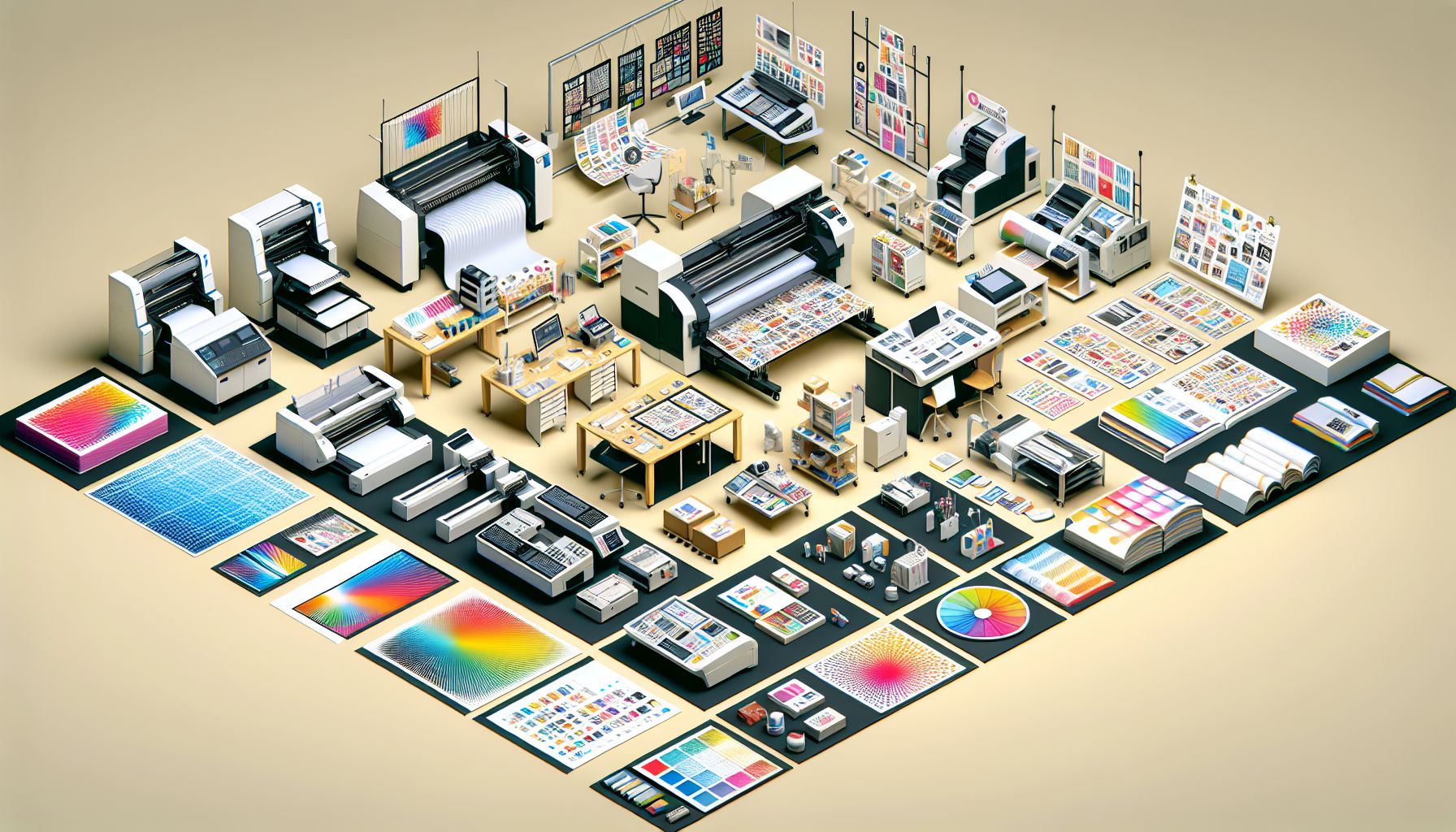
An Insight on Modern Printing Techniques: Unleashing the Art of Reproduction
In the age of digital advancements, the art of printing has evolved phenomenally. From traditional to modern, the printing industry has witnessed remarkable progress, driving new grounds for creativity and communication. This article will provide you with comprehensive knowledge about modern printing techniques while delving into their applications, pros, and cons.
Introduction
Arguably, printing is among humanity’s most important inventions, revolutionizing the way we spread ideas and information. From the Gutenberg printing press of the 15th century to today’s digital techniques, the process has transformed, accommodating the dynamic needs of the era.
Every printing technique serves different needs and has its characteristics, advantages, and potential drawbacks. We will delve deeper into digital printing, offset lithography, screen printing, and flexography to gain insight into their functionalities.
Digital Printing
Digital printing has become increasingly popular due to its efficiency and cost-effectiveness, especially for small print runs.
What is Digital Printing?
Digital printing refers to the technique of printing digital-based images directly onto a variety of media. Unlike traditional methods, it does not require a printing plate. It utilizes large-format and high-volume laser or inkjet printers.
Applications of Digital Printing
Digital printing is widely used to print documents, photos, banners, marketing materials, or any specific job that requires lower volumes. It’s especially beneficial for personalized marketing, allowing modification of images for each impression.
Pros & Cons of Digital Printing
The advantages of digital printing are impressive speed, low cost for short print runs, and the ability to customize prints. However, compared to other techniques, it might offer slightly lesser quality and less material flexibility.
Offset Lithography
Offset lithography is a go-to for high-volume commercial jobs. Let’s take a close look.
What is Offset Lithography?
Offset lithography primarily works on the principle that water and oil do not mix. It involves printing plates that are treated to repel water in image areas while non-image areas attract water. Rollers apply oil-based ink and water onto the plates, which are then offset onto a rubber blanket and finally printed onto the paper.
Applications of Offset Lithography
Given its cost-effectiveness for high-volumes and compatibility with a wide range of printing surfaces, offset lithography finds applications in newspapers, magazines, brochures, stationery, and books.
Pros & Cons of Offset Lithography
Offset lithography offers high image quality, works on a wide range of printing surfaces and offers cost-effectiveness for high volume printings. However, it has high setup costs and isn’t suitable for short print runs.
Screen Printing
Screen printing is one of the oldest printing techniques, popularly known as silk screening.
What is Screen Printing?
Screen printing involves creating a stencil, known as the screen, and then using it to apply layers of ink onto the printing surface. Each color is applied using a different stencil, enabling vibrant multicolor prints.
Applications of Screen Printing
Screen printing is versatile and widely used in product labels, signages, snowboard graphics, clothing, and textiles.
Pros & Cons of Screen Printing
Screen printing delivers vibrant colors, durability, and cost-effectiveness for large batches. However, creating stencils involve much time and isn’t ideal for high-resolution and complex designs.
Flexography
Primarily used for packaging, flexography is compatible with an array of substrates.
What is Flexography?
Flexography is a modern version of letterpress printing and uses flexible relief plates. It is a quick and versatile printing method.
Applications of Flexography
Flexography is ideal for printing on different materials, primarily in packaging – plastic bags, gift wrap, wall coverings, and more.
Pros & Cons of Flexography
Flexography offers high-speed production, versatility, and works on an array of substrates. However, setup costs are high.
Conclusion
Choosing between these printing techniques depends upon your business needs, budget, volume, and the material to be printed on. Each form has its unique characteristics that may or may not align with your requirements – be it digital printing’s customization or offset lithography’s high-quality production for long print runs.
Printing technology will continue to evolve, making ways for innovative methodologies that empower artists, businesses, or anyone looking to put their impression in a tangible format. So, the next time you ponder over your printing requirements, evaluate the possibilities these printing techniques offer, and choose wisely!