My Blog

Explore the World of Printing Techniques

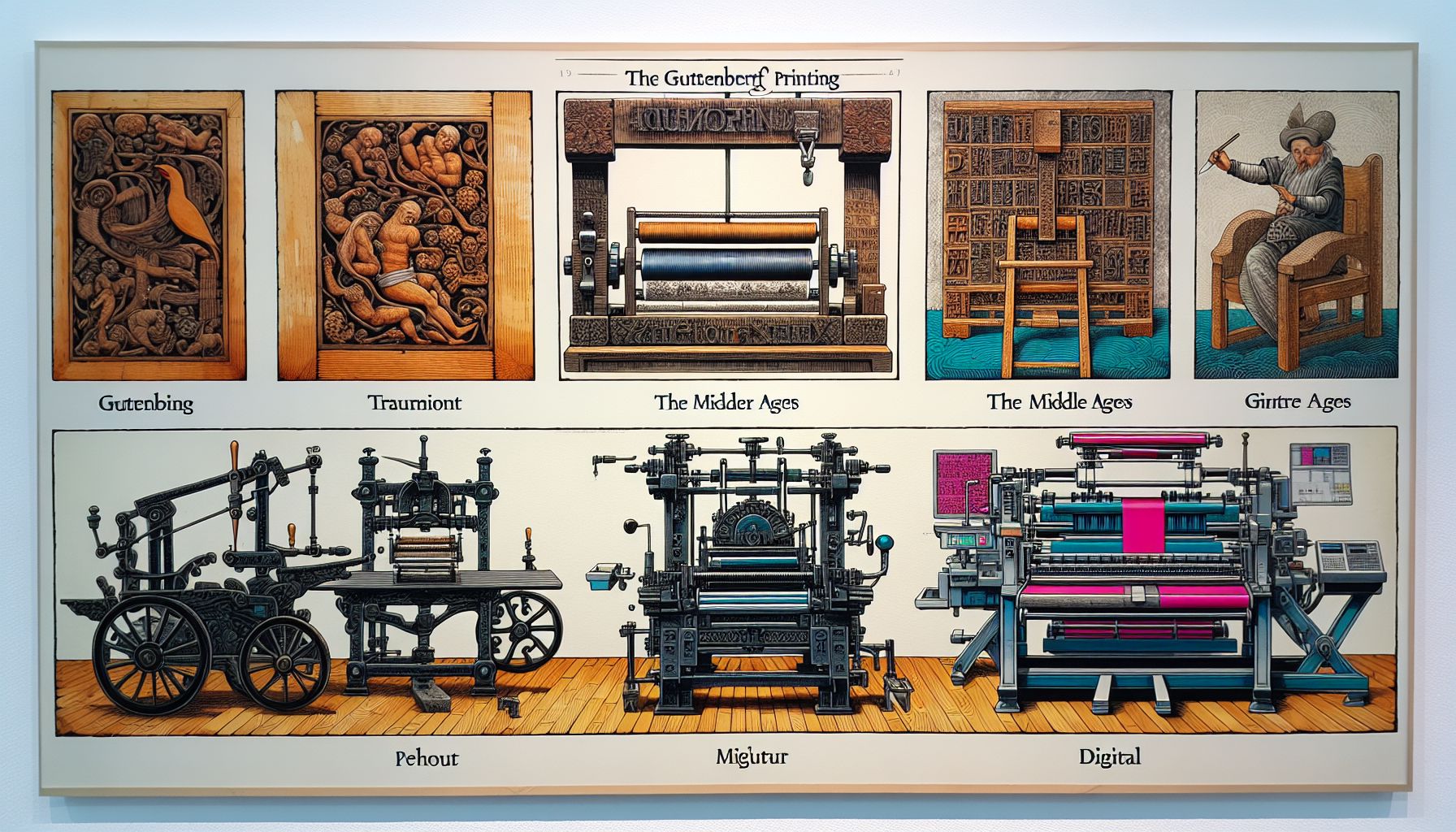
Printing techniques have come a long way since the invention of the printing press by Johannes Gutenberg in the 15th century. Today, there are a myriad of printing methods available, each with its own unique characteristics and applications. Whether you are looking to create business cards, posters, packaging, or fine art prints, understanding the different printing techniques can help you choose the best method for your project. In this article, we will explore some of the most common printing techniques used today and their various advantages and disadvantages.

Offset Printing

Offset printing, also known as lithography, is one of the most widely used printing techniques for high-volume commercial printing. In offset printing, the image is transferred from a plate onto a rubber blanket, and then onto the printing surface. This method is ideal for producing large quantities of prints with consistent quality and sharp detail. Offset printing is often used for brochures, magazines, catalogs, and other marketing materials.

One of the main advantages of offset printing is its ability to produce high-quality prints with vibrant colors and sharp details. It is also cost-effective for large print runs, making it a popular choice for businesses and publishers. However, offset printing requires more setup time and specialized equipment, which can make it less practical for small print runs or on-demand printing.

Digital Printing

Digital printing has revolutionized the printing industry by allowing for on-demand printing and customization. Unlike offset printing, which requires plates and setup time, digital printing transfers the image directly onto the printing surface from a digital file. This method is ideal for short print runs, variable data printing, and quick turnaround times. Digital printing is often used for business cards, brochures, posters, and personalized marketing materials.

One of the main advantages of digital printing is its ability to produce high-quality prints with minimal setup time. Digital printing also allows for variable data printing, which means that each print can be customized with unique information or images. However, digital printing may not be suitable for large print runs or prints that require special finishes, such as embossing or spot UV coating.

Screen Printing

Screen printing, also known as silkscreen printing, is a versatile printing technique that can be used on a wide range of materials, including paper, fabric, metal, and glass. In screen printing, a stencil or “screen” is used to transfer ink onto the printing surface. This method is ideal for producing bold, vibrant prints with a tactile quality. Screen printing is often used for t-shirts, posters, packaging, and signage.

One of the main advantages of screen printing is its ability to produce prints with vibrant colors and opaque inks. Screen printing is also cost-effective for medium to large print runs, making it a popular choice for apparel and merchandise. However, screen printing can be labor-intensive and may not be suitable for prints with fine details or gradients.

Flexography

Flexography, also known as flexo printing, is a versatile printing technique that is commonly used for packaging and label printing. In flexography, a flexible relief plate is used to transfer ink onto the printing surface. This method is ideal for printing on non-porous materials, such as plastic, metal, and foil. Flexography is often used for food packaging, labels, and corrugated boxes.

One of the main advantages of flexography is its ability to produce prints with fast drying inks and high-speed printing presses. Flexography is also cost-effective for medium to large print runs, making it a popular choice for packaging and label printing. However, flexography may not be suitable for prints that require fine details or complex colors.

Conclusion

Printing techniques have evolved significantly over the years, offering a wide range of options for creating high-quality prints. Whether you are looking to produce business cards, posters, packaging, or fine art prints, understanding the different printing techniques can help you choose the best method for your project. From offset printing to digital printing, screen printing to flexography, each technique has its own unique characteristics and applications. By exploring the world of printing techniques, you can unleash your creativity and bring your designs to life with vibrant colors and sharp details.
My Blog

Exploring the World of Printing Techniques

When it comes to bringing designs to life on various surfaces, printing techniques play a crucial role in achieving the desired results. From simple documents to elaborate packaging designs, understanding different printing methods can help you select the one that best suits your project’s needs. In this article, we will delve into the world of printing techniques, exploring the various methods available and their unique characteristics.

Introduction to Printing Techniques

Printing techniques can be broadly categorized into two main types: traditional and digital printing. Traditional printing methods, such as offset printing and screen printing, have been around for decades and are known for their high-quality results. Digital printing, on the other hand, offers greater flexibility and faster turnaround times, making it ideal for short print runs and personalized projects.

Offset Printing

Offset printing, also known as lithography, is one of the most commonly used printing methods for commercial projects. This technique involves transferring ink from a plate to a rubber blanket and then onto the printing surface. Offset printing is known for its high-quality, consistent results and is often used for large print runs.

Screen Printing

Screen printing, or silk screening, is a versatile printing technique that dates back to ancient times. In screen printing, a stencil is used to transfer ink onto the printing surface through a fine mesh screen. This method is popular for printing on apparel, posters, and other promotional items.

Digital Printing

Digital printing has revolutionized the printing industry by providing a cost-effective, fast alternative to traditional printing methods. With digital printing, artwork is directly transferred onto the printing surface using a digital file. This method is ideal for short print runs, variable data printing, and personalized projects.

Exploring Specialized Printing Techniques

In addition to the traditional offset, screen, and digital printing methods, there are several specialized printing techniques that cater to specific needs and requirements. These techniques often involve unique processes and materials to achieve distinct results.

Letterpress Printing

Letterpress printing is a traditional printing technique that involves pressing a raised surface, typically metal type or a polymer plate, onto the printing surface. This method creates a deep impression on the paper, giving it a tactile and elegant finish. Letterpress printing is popular for wedding invitations, business cards, and stationery.

Flexography

Flexography, or flexo printing, is a versatile printing technique that uses flexible relief plates to transfer ink onto a variety of substrates. Flexography is commonly used for packaging materials, such as labels, cartons, and bags, due to its ability to print on different surfaces and shapes.

Gravure Printing

Gravure printing, also known as intaglio printing, involves etching an image onto a metal plate, which is then filled with ink and pressed onto the printing surface. Gravure printing is known for its high-quality results and is often used for printing magazines, catalogs, and packaging.

Embossing and Debossing

Embossing and debossing are techniques used to create raised or recessed designs on paper or other materials. Embossing involves raising an image above the surface, while debossing involves pressing the image into the surface. These techniques add texture and depth to printed materials, making them visually appealing.

Choosing the Right Printing Technique

When selecting a printing technique for your project, it’s essential to consider various factors, such as budget, turnaround time, and desired results. Traditional printing methods, such as offset and screen printing, are ideal for large print runs and high-quality finishes. Digital printing offers flexibility and customization options for personalized projects and short print runs.

Specialized printing techniques, such as letterpress, flexography, and gravure printing, cater to specific needs and can add unique elements to your designs. Embossing and debossing are great options for adding texture and visual interest to printed materials.

In conclusion, understanding different printing techniques and their characteristics can help you make informed decisions when selecting a printing method for your project. Whether you’re looking for high-quality results, fast turnaround times, or unique finishes, there is a printing technique that can meet your needs. By exploring the world of printing techniques, you can bring your designs to life in ways you never thought possible.

My Blog

Exploring Different Printing Techniques

In the world of printing, there are a plethora of techniques that businesses and individuals can choose from to create high-quality, visually appealing materials. From traditional methods like offset printing to modern digital printing processes, the options are endless. Each technique has its own unique advantages and disadvantages, making it important for consumers to understand the differences in order to make informed decisions. In this article, we will explore some of the most popular printing techniques and their characteristics.

Offset Printing

Offset printing is one of the most widely used printing methods in the industry. It involves transferring an inked image from a plate to a rubber blanket, and then onto the printing surface. This process produces consistent and high-quality results, making it ideal for large volume print runs. Offset printing is known for its ability to accurately reproduce colors and intricate designs, making it a popular choice for projects that require precise detail.

One of the key benefits of offset printing is its cost-effectiveness for larger orders. While the initial setup costs may be higher than other printing methods, offset printing becomes more economical as the quantity of prints increases. Additionally, offset printing can accommodate a wide range of paper sizes and finishes, giving consumers the flexibility to choose the perfect combination for their needs.

Digital Printing

Digital printing is a modern printing technique that involves directly transferring digital files onto a variety of substrates. Unlike offset printing, digital printing does not require the use of plates, which makes it a faster and more efficient option for smaller print runs. Digital printing is also ideal for projects that require quick turnaround times, as the setup process is minimal compared to traditional methods.

One of the main advantages of digital printing is its versatility. Digital printers can produce high-quality prints on a variety of materials, including paper, cardstock, and even fabric. This makes digital printing a popular choice for projects that require customization or variable data printing. Additionally, digital printing allows for on-demand printing, which reduces waste and storage costs for businesses.

Screen Printing

Screen printing is a versatile printing technique that involves using a mesh screen to transfer ink onto a substrate. This method is commonly used for printing on textiles, such as t-shirts and tote bags, but can also be used for paper and other materials. Screen printing is known for its vibrant colors and durability, making it a popular choice for products that require long-lasting designs.

One of the key benefits of screen printing is its ability to produce opaque prints on dark or colored substrates. The thick layers of ink used in screen printing ensure that designs stand out against any background, making it a preferred choice for creating eye-catching products. Additionally, screen printing is a cost-effective option for larger print runs, as the setup costs are relatively low compared to other methods.

Flexography

Flexography is a printing technique that uses flexible relief plates to transfer ink onto a substrate. This method is commonly used for packaging materials, such as labels, bags, and corrugated cardboard. Flexography is known for its high-speed production capabilities and ability to print on a variety of materials, making it a popular choice for businesses that require large volume printing.

One of the main advantages of flexography is its ability to produce consistent and high-quality prints at a rapid pace. The flexible nature of the printing plates allows for quick setup times and efficient production, making it an ideal choice for time-sensitive projects. Additionally, flexography can accommodate a wide range of inks and coatings, giving consumers the flexibility to choose the perfect finish for their products.

Conclusion

In conclusion, the world of printing offers a wide range of techniques for consumers to choose from. Each method has its own unique advantages and disadvantages, making it important for individuals and businesses to carefully consider their needs before selecting a printing technique. Whether you opt for the precision of offset printing, the speed of digital printing, the vibrancy of screen printing, or the efficiency of flexography, there is a printing technique out there to suit every project. By understanding the characteristics of each method, consumers can make informed decisions that result in high-quality, visually appealing materials.

My Blog

Exploring Various Printing Techniques: From Traditional to Modern

Printing techniques have evolved significantly over the years, from the traditional methods involving manual labor to the modern processes that utilize advanced technology. Whether you are an artist, a designer, or a business owner, understanding the different printing techniques available can help you choose the best method for your specific needs. In this article, we will explore some of the most common printing techniques used today, ranging from the traditional methods like screen printing and letterpress to the more modern digital printing and 3D printing.

Traditional Printing Techniques

1. Letterpress Printing

Letterpress printing is one of the oldest printing techniques that dates back to the 15th century. In this method, raised metal or wooden type is inked and pressed onto paper to create an impression. Letterpress printing is known for its tactile quality and deep impression on the paper, making it a popular choice for wedding invitations, business cards, and stationery.

2. Screen Printing

Screen printing, also known as silk screening, is a versatile printing technique that involves using a mesh screen to transfer ink onto a substrate. Each color in the design requires a separate screen, making it ideal for producing vibrant and durable prints on various materials such as textiles, glass, and plastics. Screen printing is widely used in creating posters, apparel, and signage.

3. Offset Printing

Offset printing is a widely used commercial printing technique that produces high-quality prints with sharp images and vibrant colors. In this method, the ink is transferred from a plate to a rubber blanket and then onto the printing surface. Offset printing is suitable for large print runs and is commonly used for brochures, magazines, and packaging.

Modern Printing Techniques

1. Digital Printing

Digital printing is a modern printing method that involves transferring digital files directly onto the printing surface, eliminating the need for plates or screens. This technique is cost-effective for short print runs and allows for customization and variable data printing. Digital printing is commonly used for business cards, flyers, and personalized marketing materials.

2. 3D Printing

3D printing, also known as additive manufacturing, is a revolutionary printing technique that creates three-dimensional objects by layering materials based on a digital model. 3D printing is used in various industries, including aerospace, automotive, and healthcare, for prototyping, customization, and production of complex geometries. With advancements in technology, 3D printing is becoming more accessible and affordable for small businesses and hobbyists.

3. UV Printing

UV printing is a modern printing technique that uses ultraviolet light to dry ink quickly and produce vibrant colors on various substrates, including plastics, glass, and metal. UV printing offers high-quality, durable prints with precise details and can be used for both flat and textured surfaces. This technique is commonly used for signage, point-of-sale displays, and packaging.

Choosing the Right Printing Technique

When selecting a printing technique for your project, consider the following factors:

  1. Quantity: Traditional methods like offset printing are cost-effective for large print runs, while digital printing is ideal for short print runs.
  2. Material: Different printing techniques are suitable for specific materials, such as screen printing for textiles and UV printing for plastics.
  3. Design Complexity: 3D printing is best suited for intricate designs with complex geometries, while letterpress printing is preferred for simple, elegant designs.
  4. Budget: Consider the cost implications of each printing technique, including setup fees, materials, and labor.

In conclusion, printing techniques have come a long way from the traditional methods of letterpress and screen printing to the modern digital and 3D printing technologies. Each technique offers unique advantages and is suited for different applications, depending on factors such as quantity, material, design complexity, and budget. By understanding the variety of printing techniques available, you can choose the best method to bring your creative vision to life.

My Blog

Exploring the World of Printing Techniques

In today’s digital age, printing techniques have evolved significantly to offer a wide range of options for businesses and individuals looking to create high-quality printed materials. From traditional offset printing to modern digital printing, there are various methods to choose from depending on the desired outcome and budget. In this article, we will explore some of the most popular printing techniques and their unique features.

Offset Printing

Offset printing, also known as lithography, is one of the most commonly used printing techniques in the industry. This method involves transferring ink from a plate to a rubber blanket and then onto the printing surface. Offset printing is ideal for large volume printing jobs as it offers high-quality results with sharp images and consistent color reproduction. It is also cost-effective for large print runs due to the setup costs involved.

Digital Printing

Digital printing has gained popularity in recent years due to its ability to provide quick turnaround times and cost-effective solutions for short print runs. This method involves transferring digital files directly to the printing surface without the need for plates or setup equipment. Digital printing is ideal for personalized printing projects such as variable data printing and short-run projects. It also offers the flexibility to make last-minute changes and adjustments to the design.

Screen Printing

Screen printing, also known as serigraphy, is a versatile printing technique that is suitable for a wide range of materials including paper, fabric, glass, and metal. This method involves forcing ink through a fine mesh screen onto the printing surface to create a desired image or pattern. Screen printing is popular for producing vibrant colors and durable prints that can withstand wear and tear. It is commonly used for printing t-shirts, posters, signage, and promotional materials.

Flexography

Flexography, also known as flexo printing, is a popular choice for printing flexible packaging materials such as labels, boxes, and pouches. This method involves using a flexible relief plate to transfer ink onto the printing surface. Flexography offers fast production speeds and can accommodate a wide range of substrate materials. It is suitable for printing large solid areas of color and is commonly used in the food and beverage industry for packaging labels.

Gravure Printing

Gravure printing, also known as intaglio printing, is a high-quality printing technique that is ideal for producing detailed images and fine text. This method involves etching an image onto a cylinder and transferring ink onto the printing surface using a rotating printing press. Gravure printing is suitable for long print runs and is commonly used for high-end magazines, catalogs, and packaging materials. It offers precise color reproduction and is capable of producing sharp and consistent prints.

Letterpress Printing

Letterpress printing is a traditional printing technique that involves pressing inked type or images onto the printing surface to create a raised impression. This method is popular for producing elegant and tactile prints with a classic aesthetic. Letterpress printing is commonly used for wedding invitations, business cards, and stationery. It offers a unique look and feel that cannot be replicated by other printing techniques.

In conclusion, the world of printing techniques offers a wide range of options for businesses and individuals looking to create high-quality printed materials. Whether you are looking for cost-effective solutions for short print runs or high-quality prints for long print runs, there is a printing technique to suit your needs. By understanding the unique features of each printing method, you can choose the right technique to achieve your desired outcome. So, explore the world of printing techniques and unleash your creativity with the power of print.

My Blog

Exploring the World of Printing Techniques

Printing has been a fundamental aspect of human communication and expression for centuries. From the invention of the printing press in the 15th century to the modern digital printing technologies of today, the art of printing has evolved and diversified in countless ways. In this article, we will delve into some of the most common printing techniques used in the industry today, their unique characteristics, and the pros and cons of each method.

Introduction to Printing Techniques

Printing techniques can be broadly categorized into two main types: traditional and digital. Traditional printing methods, such as offset printing and letterpress, involve the transfer of ink from a plate to a surface, typically paper. Digital printing, on the other hand, uses computer-based technologies to transfer digital images directly onto a variety of substrates. Each method has its own set of advantages and limitations, making them suitable for different types of projects and budgets.

Traditional Printing Techniques

Offset Printing

Offset printing is one of the most commonly used traditional printing techniques. It involves transferring ink from a plate to a rubber blanket, which then transfers the ink onto the printing surface. This method is known for its high quality and consistency, making it ideal for large print runs and projects that require precise color matching. However, offset printing can be expensive for small runs due to the setup costs involved.

Letterpress

Letterpress is a timeless printing technique that dates back to the 15th century. It involves pressing raised type or images into paper, creating a tactile impression. Letterpress is revered for its unique and luxurious look, making it popular for wedding invitations, business cards, and other high-end projects. However, the process can be labor-intensive and time-consuming, limiting its suitability for large-scale printing.

Flexography

Flexography, also known as flexo printing, is a versatile printing technique commonly used for packaging materials and labels. It utilizes flexible relief plates and fast-drying inks to transfer images onto a variety of substrates, including plastics, metals, and paper. Flexography is known for its speed and efficiency, making it cost-effective for high-volume printing. However, it may not be well-suited for projects that require intricate details or high-resolution images.

Digital Printing Techniques

Inkjet Printing

Inkjet printing is a popular digital printing technique that uses droplets of ink to create images on paper or other substrates. Inkjet printers are widely available and affordable, making them ideal for small print runs and on-demand printing. This method offers high-quality results with vibrant colors and sharp details. However, inkjet printing can be slow compared to other digital methods, and the cost per page may be higher for large print runs.
Laser Printing

Laser printing is another common digital printing technique that uses a laser beam to transfer toner onto paper. Laser printers are known for their quick output and high-resolution results, making them suitable for a wide range of printing applications. Laser printing is cost-effective for medium to large print runs and offers consistent quality across all copies. However, laser printers may require regular maintenance and can be more expensive than inkjet printers.

Conclusion

Printing techniques play a crucial role in the visual communication industry, offering a wide range of options for designers, marketers, and businesses. Whether you are looking for high-quality offset printing for a large campaign or on-demand digital printing for a small project, there is a printing method that will suit your needs and budget. By understanding the unique characteristics and pros and cons of each technique, you can make informed decisions and create printed materials that stand out and make an impact.

In conclusion, the world of printing techniques is vast and ever-evolving, offering endless possibilities for creativity and expression. By exploring the different methods available and experimenting with various approaches, you can elevate your printed materials and make a lasting impression on your audience. So next time you embark on a printing project, consider the techniques discussed in this article and choose the one that best aligns with your vision and goals. Happy printing!

My Blog

Exploring the World of Printing Techniques

Printing has been a staple in communication and artistic expression for centuries. With the advancement of technology, there are now various printing techniques available to cater to different needs and preferences. From offset printing to digital printing, each method has its own unique advantages and applications. In this article, we will delve into the world of printing techniques, exploring the different methods and their uses.

Introduction to Printing Techniques

Printing techniques can be broadly categorized into two main types: traditional printing methods and digital printing methods. Traditional printing methods, such as offset printing and letterpress printing, involve transferring ink onto a surface from a plate or block. These methods have been around for centuries and are highly regarded for their quality and durability. On the other hand, digital printing methods, like inkjet and laser printing, involve using digital files to directly transfer ink onto a surface. These methods are faster and more cost-effective compared to traditional printing methods.

Types of Printing Techniques

Offset Printing

Offset printing is one of the most widely used printing techniques in the world. It involves transferring ink onto a rubber blanket before transferring it onto the printing surface. This method is ideal for large print runs and produces high-quality prints with consistent color reproduction. Offset printing is commonly used for newspapers, magazines, and brochures.

Digital Printing

Digital printing has gained popularity in recent years due to its speed and cost-effectiveness. This method involves transferring digital files directly onto the printing surface without the need for plates or blocks. Digital printing is ideal for short print runs and personalized printing projects, such as business cards and invitations.

Letterpress Printing

Letterpress printing is a traditional printing method that involves pressing inked metal type or plates onto paper. This method produces a tactile and textured print with a vintage charm. Letterpress printing is commonly used for wedding invitations, business cards, and art prints.

Screen Printing

Screen printing is a versatile printing technique that involves pressing ink through a stencil onto a surface. This method is ideal for printing on a variety of surfaces, including fabric, paper, and metal. Screen printing is commonly used for t-shirts, posters, and signage.

Flexography

Flexography is a modern printing technique that uses flexible relief plates to transfer ink onto a surface. This method is ideal for printing on flexible materials, such as plastic and cardboard. Flexography is commonly used for packaging, labels, and newspapers.

Choosing the Right Printing Technique

When choosing a printing technique, it is important to consider factors such as print quality, cost, turnaround time, and the type of material being printed on. Offset printing is ideal for high-volume print runs with consistent color reproduction, while digital printing is better suited for short print runs and personalized projects. Letterpress printing is perfect for creating tactile and textured prints, while screen printing is versatile and can be used on a variety of surfaces.

Conclusion

Printing techniques play a crucial role in the world of communication and artistic expression. From offset printing to digital printing, each method has its own unique advantages and applications. By understanding the different printing techniques available, you can choose the method that best suits your needs and preferences. Whether you are looking to print business cards, invitations, or posters, there is a printing technique out there for you. Explore the world of printing techniques and unleash your creativity today!

My Blog

Exploring the World of Printing Techniques

Printing techniques have been around for centuries, playing a crucial role in the dissemination of information and the creation of beautiful works of art. From the earliest forms of woodblock printing to the modern digital printing technologies, the world of printing is vast and diverse. In this article, we will explore some of the most common printing techniques used today, their history, and how they are being used in the modern world.

Introduction to Printing Techniques

Printing techniques can be broadly classified into four categories: relief printing, intaglio printing, planographic printing, and stencil printing. Relief printing involves carving an image into a block of material, applying ink to the raised surface of the block, and transferring the image onto paper. Intaglio printing, on the other hand, involves creating an image by incising or etching into a plate, filling the incised lines with ink, and then transferring the image onto paper. Planographic printing involves creating an image on a flat surface, such as a stone or a metal plate, and applying ink to the entire surface before transferring the image onto paper. Stencil printing involves creating a stencil of the desired image and then applying ink through the stencil onto paper.

History of Printing Techniques

The history of printing techniques can be traced back to ancient China, where woodblock printing was used to reproduce text and images on paper. This method spread to Korea and Japan, where it was further developed and refined. The invention of movable type by Johannes Gutenberg in the 15th century revolutionized the printing industry, making it possible to mass produce books and other printed materials. Intaglio printing techniques, such as engraving and etching, became popular in Europe in the 15th and 16th centuries, allowing artists and printmakers to create intricate and detailed prints. Planographic printing techniques, such as lithography, were developed in the late 18th century, making it possible to reproduce images with great precision and detail. Stencil printing techniques, such as screen printing, emerged in the early 20th century and became popular for their versatility and ease of use.

Common Printing Techniques

  1. Relief Printing: Relief printing techniques include woodblock printing, linocut, and letterpress. Woodblock printing involves carving an image into a block of wood, applying ink to the raised surface of the block, and transferring the image onto paper. Linocut is a similar technique, but the image is carved into a block of linoleum instead of wood. Letterpress involves arranging movable type on a press bed, applying ink to the type, and then transferring the image onto paper.

  2. Intaglio Printing: Intaglio printing techniques include engraving, etching, and drypoint. Engraving involves incising an image into a metal plate with a sharp tool, filling the incised lines with ink, and then transferring the image onto paper. Etching involves using acid to eat away at a metal plate, creating the image, filling the etched lines with ink, and transferring the image onto paper. Drypoint involves scratching an image into a metal plate with a sharp tool, creating a burr along the incised lines, filling the burr with ink, and transferring the image onto paper.

  3. Planographic Printing: Planographic printing techniques include lithography and offset printing. Lithography involves creating an image on a flat surface, such as a stone or a metal plate, using a greasy medium, applying ink to the entire surface, and then transferring the image onto paper. Offset printing is a variation of lithography that involves transferring the image onto a rubber blanket before transferring it onto paper.

  4. Stencil Printing: Stencil printing techniques include screen printing and stencil printing. Screen printing involves creating a stencil on a mesh screen, applying ink through the stencil onto paper, and then transferring the image onto paper. Stencil printing involves creating a stencil of the desired image and then applying ink through the stencil onto paper.

Modern Printing Technologies

In addition to traditional printing techniques, modern printing technologies have revolutionized the printing industry, making it faster, more versatile, and more accessible than ever before. Digital printing technologies, such as inkjet and laser printing, have made it possible to produce high-quality prints quickly and cost-effectively. 3D printing technologies have opened up new possibilities for creating three-dimensional printed objects, from prototypes to custom-designed products. UV printing technologies have made it possible to print on a wide range of materials, including glass, metal, and plastic, with vibrant colors and high durability.

Conclusion

Printing techniques have come a long way since the early days of woodblock printing and movable type. From relief printing to intaglio printing to planographic printing to stencil printing, the world of printing is vast and diverse, offering a wide range of possibilities for artists, designers, and printmakers. While traditional printing techniques continue to be used and appreciated for their craftsmanship and beauty, modern printing technologies have revolutionized the industry, making it faster, more versatile, and more accessible than ever before. Whether you’re a seasoned printmaker or just getting started in the world of printing, there’s a technique out there for you to explore and experiment with. So pick up a block of wood, a metal plate, a stencil, or a digital printer, and start creating your own prints today.

My Blog

The Art of Printing: Exploring Different Techniques

In today’s digital world, printing techniques have come a long way from the traditional methods of hand-printing. With advancements in technology, there are now various printing techniques available to artists and designers, each offering unique benefits and outcomes. In this article, we will explore some of the most popular printing techniques and how they can be used to create stunning prints.

Introduction to Printing Techniques

Printing techniques can be broadly classified into two categories: traditional and modern. Traditional techniques, such as woodcut, etching, and lithography, have been used for centuries and require a skilled hand to create intricate prints. On the other hand, modern techniques, such as digital printing and screen printing, offer a quicker and more efficient way to produce prints.

Traditional Printing Techniques

Woodcut

Woodcut is one of the oldest printing techniques, dating back to ancient China. It involves carving an image or design into a block of wood, applying ink to the raised surface, and then pressing the block onto paper or fabric. Woodcut prints have a distinctive and rustic look, with visible wood grain adding texture to the print.

Etching

Etching is a technique commonly used in printmaking, where an image is created by using acid to bite into a metal plate. The artist first coats the plate with a wax-like substance called a resist, then scratches the design into the resist using a sharp tool. The plate is then submerged in an acid bath, which eats away at the exposed metal to create the image. Etching produces prints with fine lines and intricate details.

Lithography

Lithography is a printing technique based on the principle that oil and water do not mix. The image is drawn or painted onto a flat surface, usually a limestone or metal plate, using an oil-based medium. The plate is then dampened with water, which adheres to the blank areas but repels the oily ink. When the plate is rolled with ink, the image is transferred onto paper. Lithography allows for colorful and detailed prints.

Modern Printing Techniques

Digital Printing

Digital printing is a modern technique that involves printing an image directly from a computer onto paper or other substrates. Unlike traditional printing methods, digital printing does not require any physical plates or screens, making it a cost-effective and versatile option. Digital printing is commonly used for creating posters, banners, and flyers.

Screen Printing

Screen printing, also known as silkscreen printing, is a versatile technique that can be used on a variety of materials, including paper, fabric, and glass. A stencil is created on a fine mesh screen, and ink is then pushed through the stencil onto the substrate using a squeegee. Screen printing allows for vibrant colors and can be used to create detailed prints with multiple layers.

The Art of Printing

As you can see, there are many different printing techniques available to artists and designers, each offering its own unique benefits and outcomes. Whether you prefer the traditional charm of woodcut prints or the vibrant colors of digital printing, there is a technique to suit every artistic vision. Experimenting with different printing techniques can help you discover new possibilities and push the boundaries of your creativity.

In conclusion, printing techniques have evolved over time, offering artists and designers a wide range of options for creating stunning prints. From traditional methods like woodcut and etching to modern techniques like digital printing and screen printing, there is no shortage of ways to bring your artistic vision to life. So next time you embark on a printing project, consider exploring different techniques to see what works best for you. Happy printing!

My Blog

Exploring Different Printing Techniques

Printing has been an essential aspect of human communication for centuries. From the early days of woodblock printing in ancient China to the digital printing technologies of today, the evolution of printing techniques has been vast and varied. In this article, we will explore some of the most common printing techniques used in the modern world, their unique characteristics, and the pros and cons of each method.

Introduction to Printing Techniques

Printing techniques can be broadly categorized into three main types: relief printing, intaglio printing, and planographic printing. Relief printing involves transferring ink from a raised surface to paper, while intaglio printing involves transferring ink from recessed areas to paper. Planographic printing, on the other hand, involves printing from a flat surface. Each of these techniques has its own set of advantages and applications, making them suitable for different types of projects.

Relief Printing

Relief printing is one of the oldest and most popular printing techniques, dating back to ancient civilizations such as the Egyptians and the Chinese. In relief printing, the image or text to be printed is raised above the surface, and ink is applied to the raised areas before transferring the image onto paper. Common examples of relief printing include woodcut and linocut printing.

Woodcut printing involves carving an image into a wood block, applying ink to the raised areas, and pressing the block onto paper to create a print. Linocut printing is a similar technique, but instead of using wood, a linoleum block is used. Relief printing is known for its bold and textured prints, making it a popular choice for artists and designers looking to create unique and eye-catching pieces.

Intaglio Printing

Intaglio printing involves creating recessed areas on a printing plate, filling these areas with ink, and then transferring the ink onto paper. Common examples of intaglio printing include etching, engraving, and aquatint. Unlike relief printing, intaglio printing produces prints with fine lines and intricate details, making it a popular choice for artists and illustrators.

Etching involves coating a metal plate with a thin layer of acid-resistant material, then using a needle to etch the desired image into the plate. The plate is then submerged in acid, which eats away at the exposed areas, creating recessed areas that hold ink. Engraving, on the other hand, involves using a sharp tool called a burin to carve the image directly into the plate. Aquatint is a variation of etching that involves using a fine powder to create tonal areas on the plate.

Planographic Printing

Planographic printing, also known as flatbed printing, involves printing from a flat surface. Common examples of planographic printing include lithography and offset printing. In lithography, the image to be printed is drawn onto a flat surface, usually a stone or metal plate, using a greasy substance such as ink or crayon. The plate is then dampened with water, which adheres to the non-greasy areas, while the greasy areas repel water. Ink is then applied to the plate, adhering only to the greasy areas, and transferred onto paper.

Offset printing is a modern variation of lithography that involves transferring the image from the plate onto a rubber blanket before transferring it onto paper. This process allows for high-speed and high-quality printing, making offset printing one of the most commonly used printing techniques in commercial printing.

Pros and Cons of Different Printing Techniques

Each printing technique has its own set of pros and cons, making them suitable for different types of projects and applications. Relief printing, for example, is known for its bold and textured prints, making it a popular choice for artists and designers looking to create unique and eye-catching pieces. However, relief printing can be time-consuming and labor-intensive, requiring careful carving of the printing plate.

Intaglio printing, on the other hand, produces prints with fine lines and intricate details, making it a popular choice for artists and illustrators. However, intaglio printing can be expensive and require specialized equipment and expertise. Planographic printing, such as lithography and offset printing, is known for its high-speed and high-quality printing capabilities, making it a popular choice for commercial printing. However, planographic printing can be expensive and require large-scale printing presses.

Conclusion

Printing techniques have evolved significantly over the centuries, from the early days of woodblock printing to the digital printing technologies of today. Each printing technique has its own unique characteristics, advantages, and applications, making them suitable for different types of projects and requirements. Whether you are a designer looking to create bold and textured prints or a commercial printer looking for high-speed and high-quality printing capabilities, there is a printing technique out there for you. So next time you need to create a print project, consider exploring the different printing techniques available and choose the one that best suits your needs.