
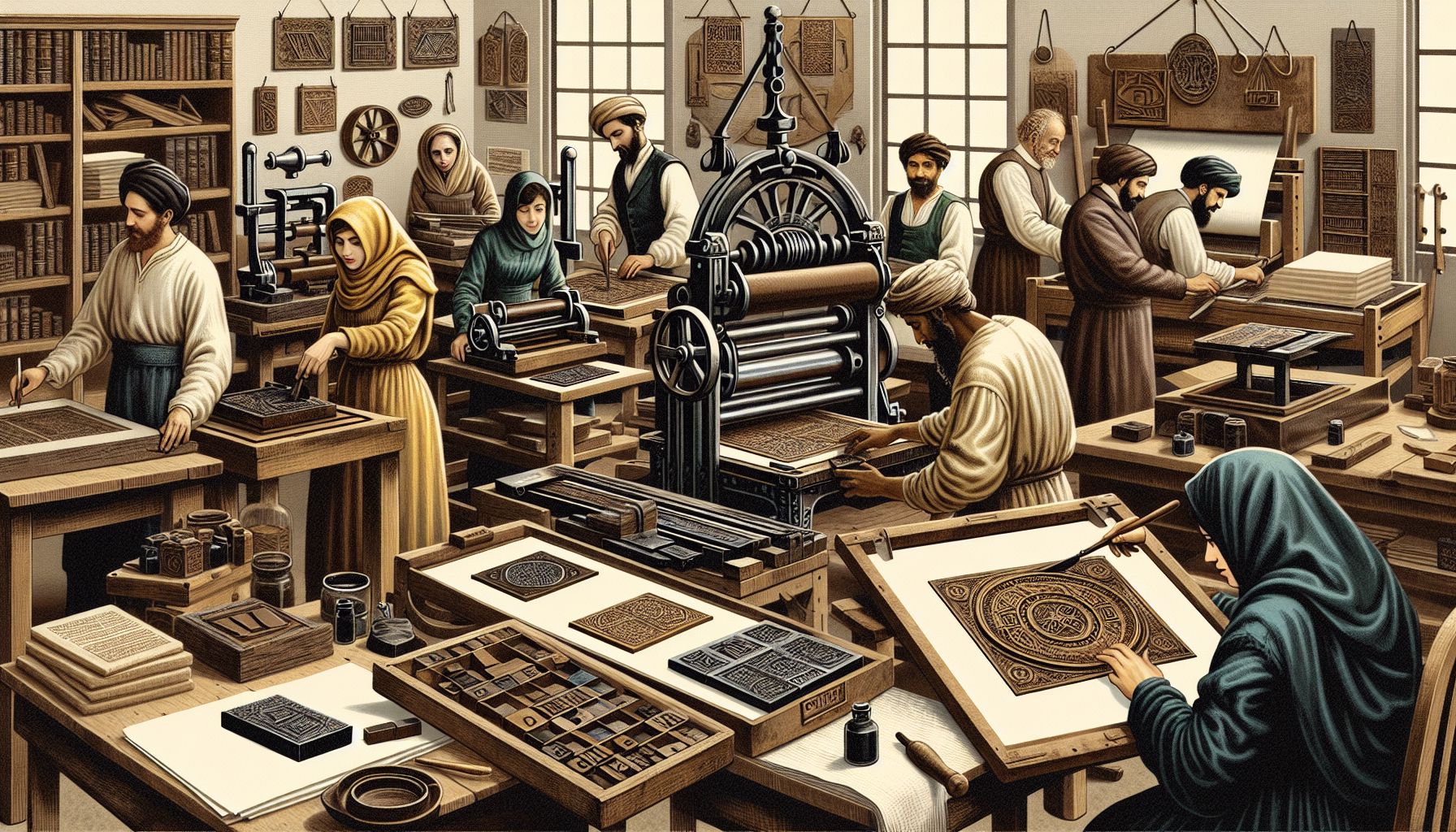
Exploring the World of Printing Techniques
Printing techniques have been around for centuries, playing a crucial role in the dissemination of information and the creation of beautiful works of art. From the earliest forms of woodblock printing to the modern digital printing technologies, the world of printing is vast and diverse. In this article, we will explore some of the most common printing techniques used today, their history, and how they are being used in the modern world.
Introduction to Printing Techniques
Printing techniques can be broadly classified into four categories: relief printing, intaglio printing, planographic printing, and stencil printing. Relief printing involves carving an image into a block of material, applying ink to the raised surface of the block, and transferring the image onto paper. Intaglio printing, on the other hand, involves creating an image by incising or etching into a plate, filling the incised lines with ink, and then transferring the image onto paper. Planographic printing involves creating an image on a flat surface, such as a stone or a metal plate, and applying ink to the entire surface before transferring the image onto paper. Stencil printing involves creating a stencil of the desired image and then applying ink through the stencil onto paper.
History of Printing Techniques
The history of printing techniques can be traced back to ancient China, where woodblock printing was used to reproduce text and images on paper. This method spread to Korea and Japan, where it was further developed and refined. The invention of movable type by Johannes Gutenberg in the 15th century revolutionized the printing industry, making it possible to mass produce books and other printed materials. Intaglio printing techniques, such as engraving and etching, became popular in Europe in the 15th and 16th centuries, allowing artists and printmakers to create intricate and detailed prints. Planographic printing techniques, such as lithography, were developed in the late 18th century, making it possible to reproduce images with great precision and detail. Stencil printing techniques, such as screen printing, emerged in the early 20th century and became popular for their versatility and ease of use.
Common Printing Techniques
-
Relief Printing: Relief printing techniques include woodblock printing, linocut, and letterpress. Woodblock printing involves carving an image into a block of wood, applying ink to the raised surface of the block, and transferring the image onto paper. Linocut is a similar technique, but the image is carved into a block of linoleum instead of wood. Letterpress involves arranging movable type on a press bed, applying ink to the type, and then transferring the image onto paper.
-
Intaglio Printing: Intaglio printing techniques include engraving, etching, and drypoint. Engraving involves incising an image into a metal plate with a sharp tool, filling the incised lines with ink, and then transferring the image onto paper. Etching involves using acid to eat away at a metal plate, creating the image, filling the etched lines with ink, and transferring the image onto paper. Drypoint involves scratching an image into a metal plate with a sharp tool, creating a burr along the incised lines, filling the burr with ink, and transferring the image onto paper.
-
Planographic Printing: Planographic printing techniques include lithography and offset printing. Lithography involves creating an image on a flat surface, such as a stone or a metal plate, using a greasy medium, applying ink to the entire surface, and then transferring the image onto paper. Offset printing is a variation of lithography that involves transferring the image onto a rubber blanket before transferring it onto paper.
-
Stencil Printing: Stencil printing techniques include screen printing and stencil printing. Screen printing involves creating a stencil on a mesh screen, applying ink through the stencil onto paper, and then transferring the image onto paper. Stencil printing involves creating a stencil of the desired image and then applying ink through the stencil onto paper.
Modern Printing Technologies
In addition to traditional printing techniques, modern printing technologies have revolutionized the printing industry, making it faster, more versatile, and more accessible than ever before. Digital printing technologies, such as inkjet and laser printing, have made it possible to produce high-quality prints quickly and cost-effectively. 3D printing technologies have opened up new possibilities for creating three-dimensional printed objects, from prototypes to custom-designed products. UV printing technologies have made it possible to print on a wide range of materials, including glass, metal, and plastic, with vibrant colors and high durability.
Conclusion
Printing techniques have come a long way since the early days of woodblock printing and movable type. From relief printing to intaglio printing to planographic printing to stencil printing, the world of printing is vast and diverse, offering a wide range of possibilities for artists, designers, and printmakers. While traditional printing techniques continue to be used and appreciated for their craftsmanship and beauty, modern printing technologies have revolutionized the industry, making it faster, more versatile, and more accessible than ever before. Whether you’re a seasoned printmaker or just getting started in the world of printing, there’s a technique out there for you to explore and experiment with. So pick up a block of wood, a metal plate, a stencil, or a digital printer, and start creating your own prints today.