
Unraveling the Art of Printing: An In-depth Look at Various Printing Techniques
Printing, in its myriad way, plays a pivotal role in our daily lives. A complex craft, printing varies in techniques and materials used, allowing for a broad scope of aesthetics and practicalities. To more effectively understand this fascinating art, we shall embark on an exploration of various printing techniques – from the conventional to the technologically advanced.
The Evolution of Printing
Printing dates back to ancient civilizations, developing alongside the trajectory of human progress. Originally, it involved arduous hand copying, till the revolutionary invention of movable type in the era of the Song Dynasty in China. However, it was the Gutenberg Press in the 15th century that notably marked the onset of mass communication. Since then, printing has continually evolved, incorporating newer technologies and techniques that cater to a diverse span of requirements – from commercial to artistic, and much more.
Different Printing Techniques
1. Letterpress Printing
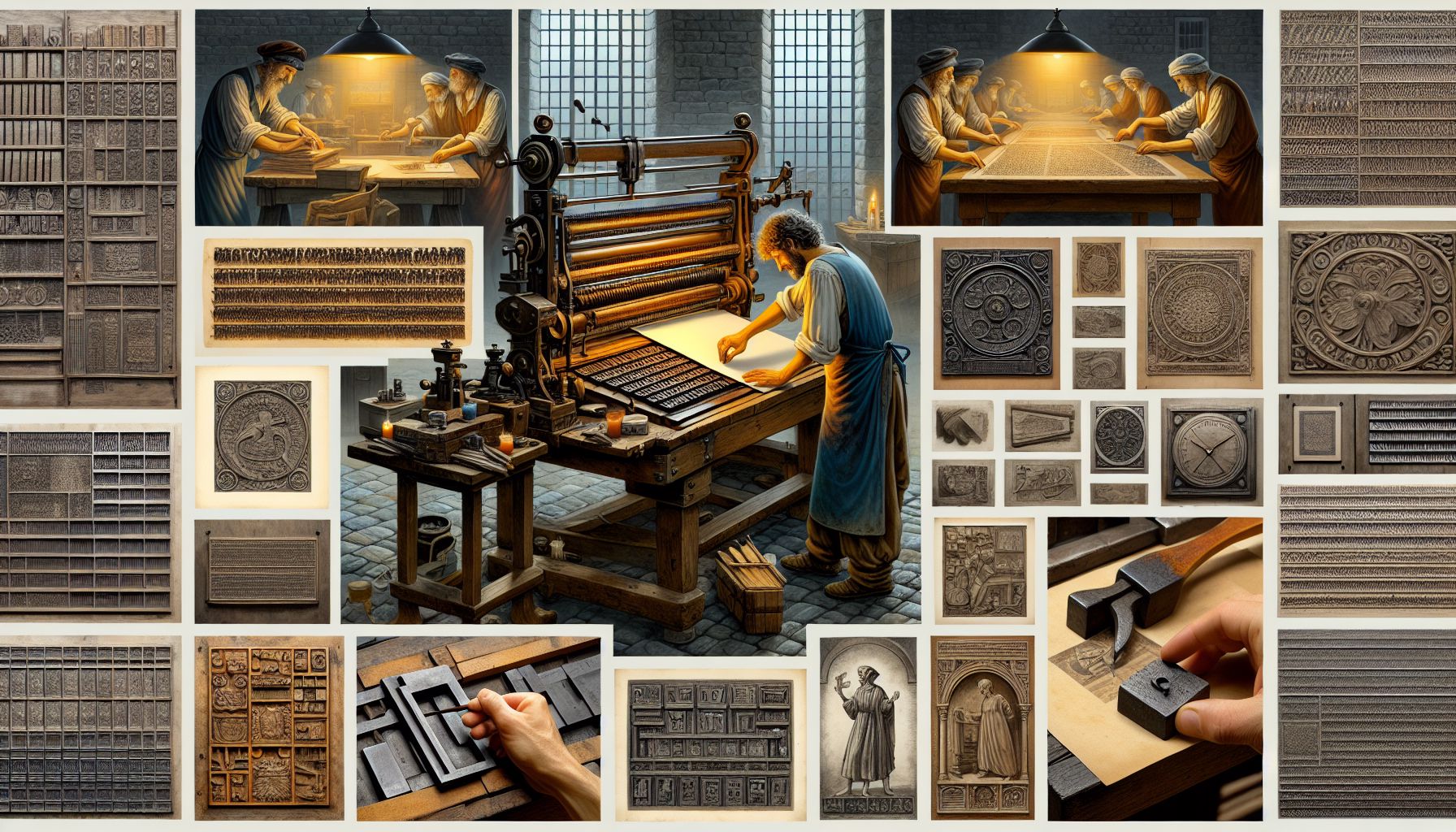
The Gutenberg Press was the pioneering form of letterpress printing, involving movable type set into a ‘bed’ or ‘chase’ to create messages.Printing relied on inked raised surfaces pressed onto paper. Today, the technique has been refined, yet retains its original essence. Convenient for small run prints, letterpress printing gives an appealing three-dimensional feel and a vintage, minimalistic look.
2. Lithography and Offset Printing
This is a flat printing method, using the fundamental principle that oil and water do not mix. Artists initially drew with greasy crayons directly onto lithographic stones. Later, aluminum plates replaced these stones, proving more efficient for mass production. Offset printing refined lithography by incorporating an extra cylinder to provide indirect printing on the paper. offset printing is ideal for large scale productions like newspapers and magazines, providing a high-quality, versatile, and cost-effective printing solution.
3. Gravure Printing
Originally called copperplate printing, gravure printing is an intaglio process involving an engraved plate. The plate is coated in ink, and then wiped clean, leaving ink only in the incisions. When paper is pressed onto the plate, a crisp, high-fidelity image is produced. Used primarily for large volume printing like stamps and packaging, gravure printing provides top-tier image quality, but requires heavy initial investment due to the costly engraved cylinders.
4. Flexography
Primarily used in packaging, flexography uses flexible relief plates. This process excels in printing on various substrates – from plastics to metallic films and even non-absorbent materials, and allows fast-drying, long-run printing while maintaining relatively high-quality prints.
5. Screen Printing
An ancient method used by the Chinese nearly two millennia ago, screen printing involves a stencil supported by a woven mesh, with one color printed at a time. It’s utilized in various fields, such as textile printing, ceramic decoration, and even circuit board production. The technique grants excellent color vibrancy, especially on darker surfaces, and is highly durable.
6. Digital Printing
The most recent evolution in printing technology, digital printing eliminates the need for a printing press, plates, or setup costs. It provides high-quality prints with extensive color options, and is economical for small-scale, customized prints. Digital printing includes methods such as inkjet printing and laser printing.
The Future of Printing
With continuous advancements in technology, the horizon of printing is expanding. Sustainable printing has emerged as a significant trend, aiming to reduce the environmental footprint. Additive manufacturing, popularly known as 3D printing, is revolutionizing industries from medicine to architecture. Furthermore, interactive print technology, where printed materials connect to digital platforms, is steadily gaining momentum.
Concluding Thoughts
The shifting dynamics of the printing industry rapidly change printing techniques. While traditional methods retain their beauty, digital advancements provide bold new avenues. Understanding different techniques can help choose the right printing solution for unique requirements. As the story of printing continues to unfold, we face an exciting intersection of tradition and innovation, blending craftsmanship with emerging technologies. It is indeed a journey from ‘Gutenberg to Google’ – a testament to the indomitable human spirit of invention and creativity.