
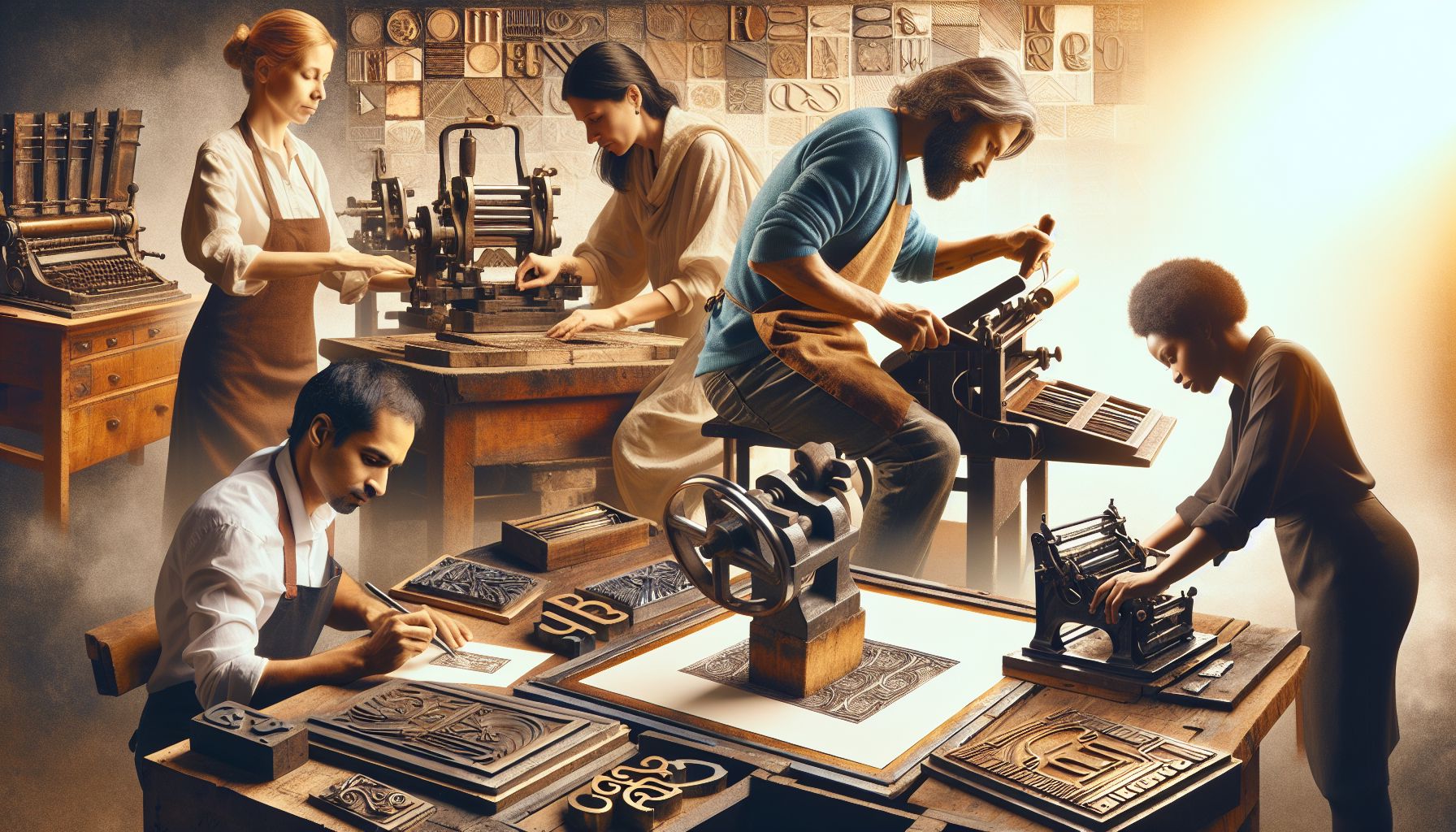
Exploring the World of Printing Techniques
In the world of design and printing, there are countless techniques that can be utilized to bring your creations to life. From traditional methods like offset printing to modern digital printing technologies, each technique has its own unique characteristics and advantages. In this article, we will delve into the various printing techniques available to designers and discuss their strengths and limitations.
Introduction to Printing Techniques
Printing techniques can be broadly categorized into two main types: traditional printing and digital printing. Traditional printing methods include processes like offset printing, letterpress, and screen printing, which have been used for centuries to produce high-quality printed materials. On the other hand, digital printing technologies, such as inkjet and laser printing, offer more flexibility and speed in the production of printed materials.
Traditional Printing Techniques
Offset Printing
Offset printing is one of the most commonly used printing techniques in the commercial printing industry. In this process, the image is transferred from a plate to a rubber blanket, and then onto the printing surface. Offset printing is known for its high image quality and color accuracy, making it ideal for printing magazines, brochures, and other marketing materials.
Letterpress Printing
Letterpress printing is a traditional printing technique that dates back to the 15th century. In this process, raised metal type or plates are pressed into the paper to create an impression. Letterpress printing is prized for its tactile quality and unique aesthetic, making it a popular choice for wedding invitations, business cards, and other specialty items.
Screen Printing
Screen printing, also known as silk screening, is a versatile printing technique that can be used on a wide range of materials, including paper, fabric, and plastic. In screen printing, a stencil is used to transfer ink onto the printing surface through a mesh screen. Screen printing is commonly used for printing posters, t-shirts, and signage.
Digital Printing Techniques
Inkjet Printing
Inkjet printing is a digital printing technique that uses tiny droplets of ink to create images on paper or other substrates. Inkjet printers are popular for their affordability and versatility, making them suitable for a wide range of printing applications, from documents and photos to banners and labels.
Laser Printing
Laser printing is another digital printing technique that uses a laser beam to create images on a printing surface. Laser printers are known for their speed and precision, making them a popular choice for producing high-volume print jobs, such as flyers, newsletters, and business documents.
Choosing the Right Printing Technique
When selecting a printing technique for your project, there are several factors to consider, including the desired quality, budget, turnaround time, and quantity of printed materials. Traditional printing methods like offset printing and letterpress may be more suitable for projects that require high image quality and a tactile finish, while digital printing technologies like inkjet and laser printing are better suited for projects that require quick turnaround times and cost-effective solutions.
In conclusion, the world of printing techniques offers a wide range of options for designers and creators to bring their ideas to life. Whether you choose a traditional printing method like offset or letterpress, or opt for a modern digital printing technology like inkjet or laser, each technique has its own unique strengths and limitations. By understanding the characteristics of each printing technique, you can make informed decisions to ensure the success of your printed materials.