
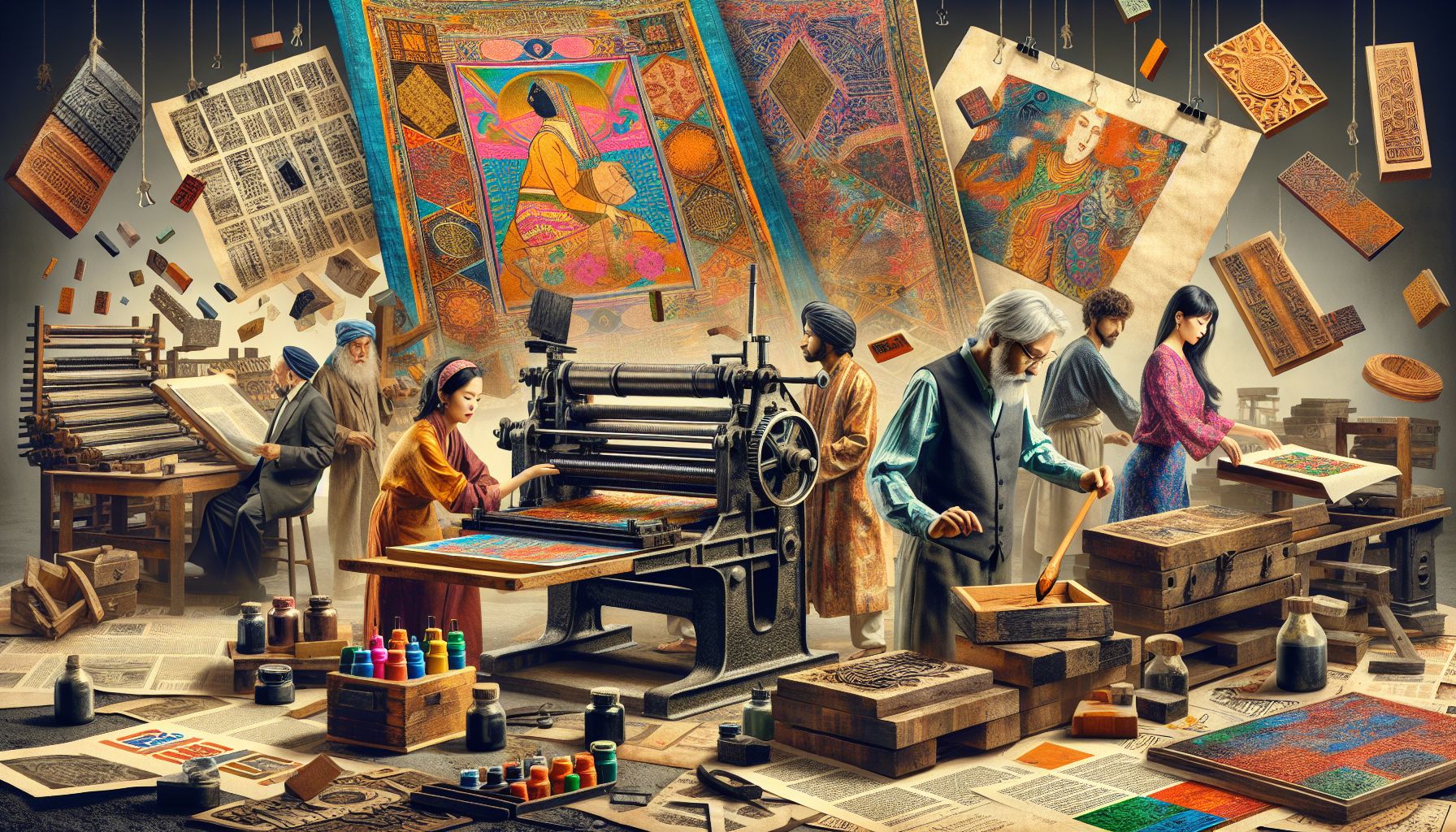
Exploring the World of Printing Techniques
In today’s digital era, printing techniques play a crucial role in the creation of various printed materials, from newspapers and magazines to posters and packaging. Advances in technology have led to a wide range of innovative printing methods that offer unique finishes and effects. In this article, we will delve into some of the most popular printing techniques used in the industry today, exploring their benefits, applications, and limitations.
Introduction to Printing Techniques
Printing techniques can be broadly categorized into two main types: traditional and digital. Traditional printing methods, such as offset lithography and letterpress, rely on physical plates and machinery to transfer ink onto the printing substrate. On the other hand, digital printing utilizes electronic files and printers to produce high-quality prints with minimal setup time.
Each printing technique has its own set of advantages and drawbacks, making it essential to choose the right method based on the specific requirements of the project. Factors such as print run size, budget, and desired finish all play a significant role in determining the most suitable printing technique.
Offset Lithography
Offset lithography, also known as offset printing, is one of the most commonly used printing techniques in the industry. It involves transferring ink from a printing plate onto a rubber blanket, which then transfers the image onto the printing surface. Offset lithography is ideal for high-volume printing jobs, such as newspapers, magazines, and brochures, due to its cost-effectiveness and consistent print quality.
One of the key advantages of offset lithography is its ability to produce sharp and vibrant prints with a wide range of colors. This technique also allows for precise color matching and precise registration, making it a popular choice for projects that require high-quality images. However, offset lithography can be time-consuming and has a higher setup cost compared to digital printing methods.
Letterpress Printing
Letterpress printing is a traditional printing technique that dates back to the 15th century. It involves pressing a raised surface of type or image onto the printing substrate, creating a debossed effect. Letterpress printing is renowned for its tactile quality and vintage appeal, making it a popular choice for wedding invitations, business cards, and stationery.
One of the distinctive features of letterpress printing is its ability to create deep impressions on the paper, adding a luxurious feel to the printed material. This technique works best with thick, textured paper stock, as it enhances the embossed effect. However, letterpress printing is not suitable for intricate designs or multiple colors, as it requires separate plates for each color.
Digital Printing
Digital printing has revolutionized the printing industry by offering a fast and cost-effective alternative to traditional printing methods. This technique uses electronic files to directly transfer ink onto the printing substrate, eliminating the need for plates and setup time. Digital printing is ideal for short print runs, personalized printing, and on-demand projects.
One of the primary advantages of digital printing is its versatility, as it allows for variable data printing and quick turnaround times. This technique is also environmentally friendly, as it reduces waste and uses fewer resources compared to traditional printing methods. However, digital printing may not achieve the same level of color accuracy and consistency as offset lithography.
Screen Printing
Screen printing, also known as silk screening, is a versatile printing technique that can be used on a wide range of substrates, including paper, fabric, and plastic. It involves creating a stencil on a mesh screen and transferring ink onto the printing surface through the open areas of the stencil. Screen printing is popular for producing vibrant, long-lasting prints on various products, such as t-shirts, posters, and signage.
One of the primary advantages of screen printing is its ability to produce bold and opaque colors, making it ideal for designs that require high color saturation. This technique also allows for printing on uneven surfaces and specialty inks, such as metallic and glow-in-the-dark inks. However, screen printing can be time-consuming and may not be cost-effective for small print runs.
Flexography
Flexography, also known as flexo printing, is a versatile printing technique commonly used for packaging materials, labels, and corrugated cardboard. It involves transferring ink from flexible rubber plates onto the printing substrate, using a rotary press with fast-drying inks. Flexography is ideal for printing on non-porous surfaces and achieving high print speeds.
One of the primary advantages of flexography is its ability to print on a variety of substrates, such as plastic, metal, and cellophane. This technique also allows for vibrant color reproduction and consistent print quality, making it popular for brand packaging and product labeling. However, flexography requires specialized equipment and skilled operators to achieve optimal results.
Conclusion
Printing techniques play a vital role in the creation of printed materials, offering a wide range of options for achieving different finishes and effects. Whether you choose traditional methods like offset lithography and letterpress or opt for modern techniques like digital printing and screen printing, it is essential to understand the unique characteristics of each technique to make informed decisions for your projects.
By exploring the world of printing techniques and their applications, you can unlock new creative possibilities and enhance the visual impact of your printed materials. Whether you are a graphic designer, marketer, or business owner, the right printing technique can make all the difference in creating engaging and memorable prints that stand out from the crowd. So, next time you embark on a printing project, consider the various printing techniques available and choose the one that best suits your needs and budget.