
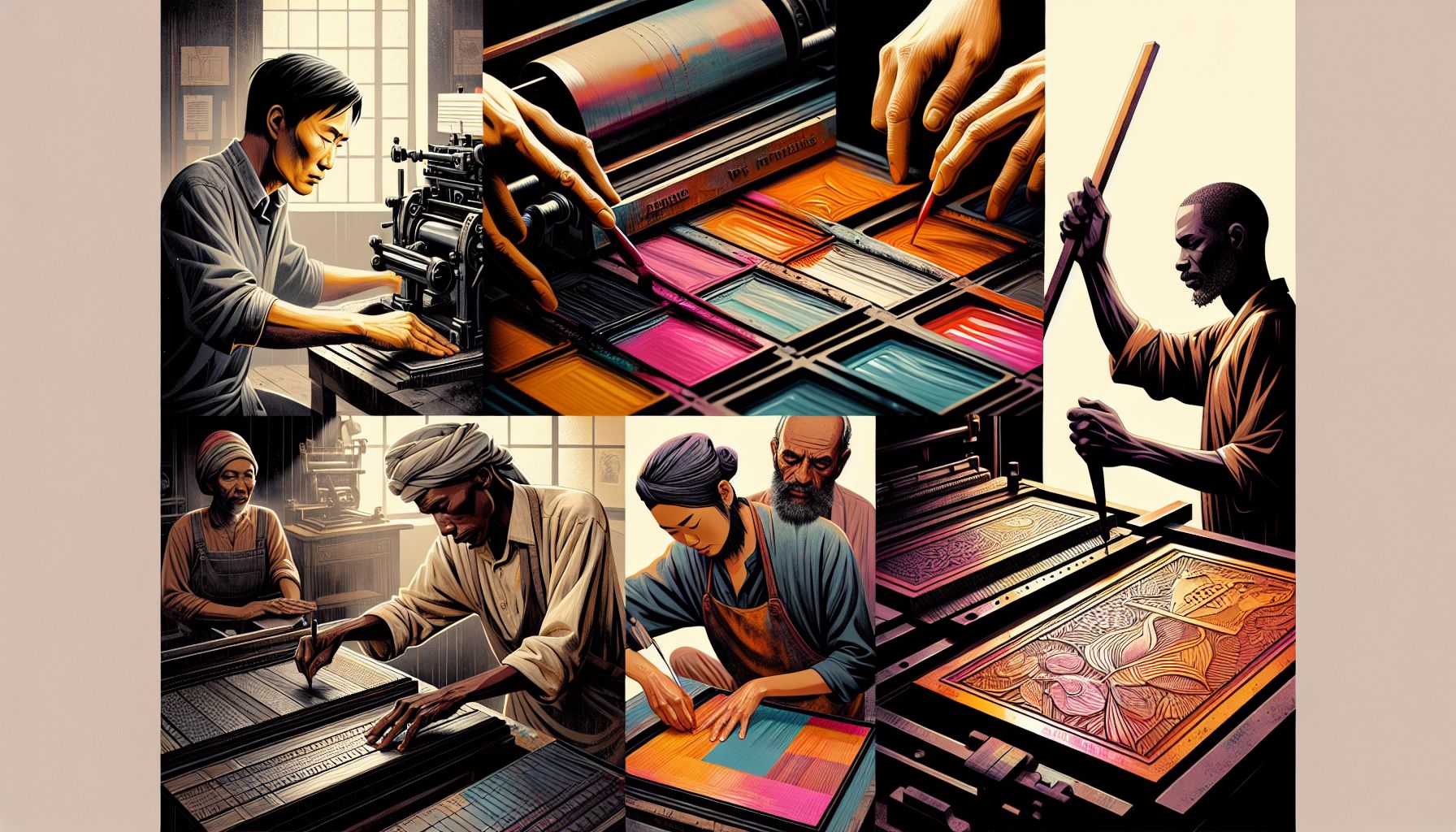
Exploring Different Printing Techniques
When it comes to creating printed materials, there are a variety of techniques that can be used to achieve different effects. From traditional methods like offset printing to modern digital printing, each technique has its own strengths and limitations. In this article, we will explore some of the most common printing techniques used today and discuss the benefits and drawbacks of each.
Offset Printing
Offset printing is one of the most widely used printing techniques, particularly for large print runs. This process involves transferring an inked image from a plate to a rubber blanket, which then transfers the image onto the printing surface. Offset printing is known for its high-quality results, sharp details, and vibrant colors. It is often used for producing magazines, brochures, and other high-quality printed materials.
One of the main advantages of offset printing is its ability to produce consistent, high-quality prints at a relatively low cost per unit. However, offset printing can be time-consuming and may not be cost-effective for small print runs. Additionally, this technique requires the creation of printing plates, which adds to the initial setup costs.
Digital Printing
Digital printing is a more modern printing technique that involves transferring a digital image directly to the printing surface. This process eliminates the need for printing plates, making it a more cost-effective option for small print runs. Digital printing is also known for its quick turnaround times and the ability to easily customize prints.
While digital printing is more cost-effective for short print runs, it may not always produce the same level of quality as offset printing. Colors may not be as vibrant, and details may not be as sharp. Additionally, digital printing may not be as suitable for certain types of materials, such as those that require special finishes or coatings.
Screen Printing
Screen printing is a versatile printing technique that can be used to print on a wide variety of materials, including paper, fabric, and glass. This process involves using a mesh screen to transfer ink onto the printing surface. Screen printing is often used for printing T-shirts, posters, and other promotional materials.
One of the main advantages of screen printing is its ability to produce vibrant colors and durable prints. Screen printing is also cost-effective for large print runs. However, screen printing can be more time-consuming and may not be suitable for highly detailed prints. Additionally, this technique may not be as cost-effective for small print runs.
Flexography
Flexography is a printing technique commonly used for printing packaging materials, labels, and newspapers. This process involves using flexible relief plates to transfer ink onto the printing surface. Flexography is known for its high-speed capabilities and ability to print on a variety of substrates.
One of the main advantages of flexography is its ability to produce high-quality prints at a fast pace. This makes it an ideal choice for industries with high production volumes. However, flexography may not always produce the same level of detail as other printing techniques, such as offset printing. Additionally, the setup costs for flexography can be higher than other printing methods.
Conclusion
In conclusion, there are many different printing techniques available, each with its own strengths and limitations. The choice of printing technique will depend on factors such as print volume, budget, and desired quality. Offset printing is a good choice for high-quality prints at a low cost per unit, while digital printing is ideal for customized prints and short print runs. Screen printing is versatile and durable, while flexography is well-suited for high-speed printing on packaging materials. By understanding the strengths and limitations of each printing technique, you can choose the method that best suits your needs.