My Blog

My Blog

Printing Techniques: A Comprehensive Guide

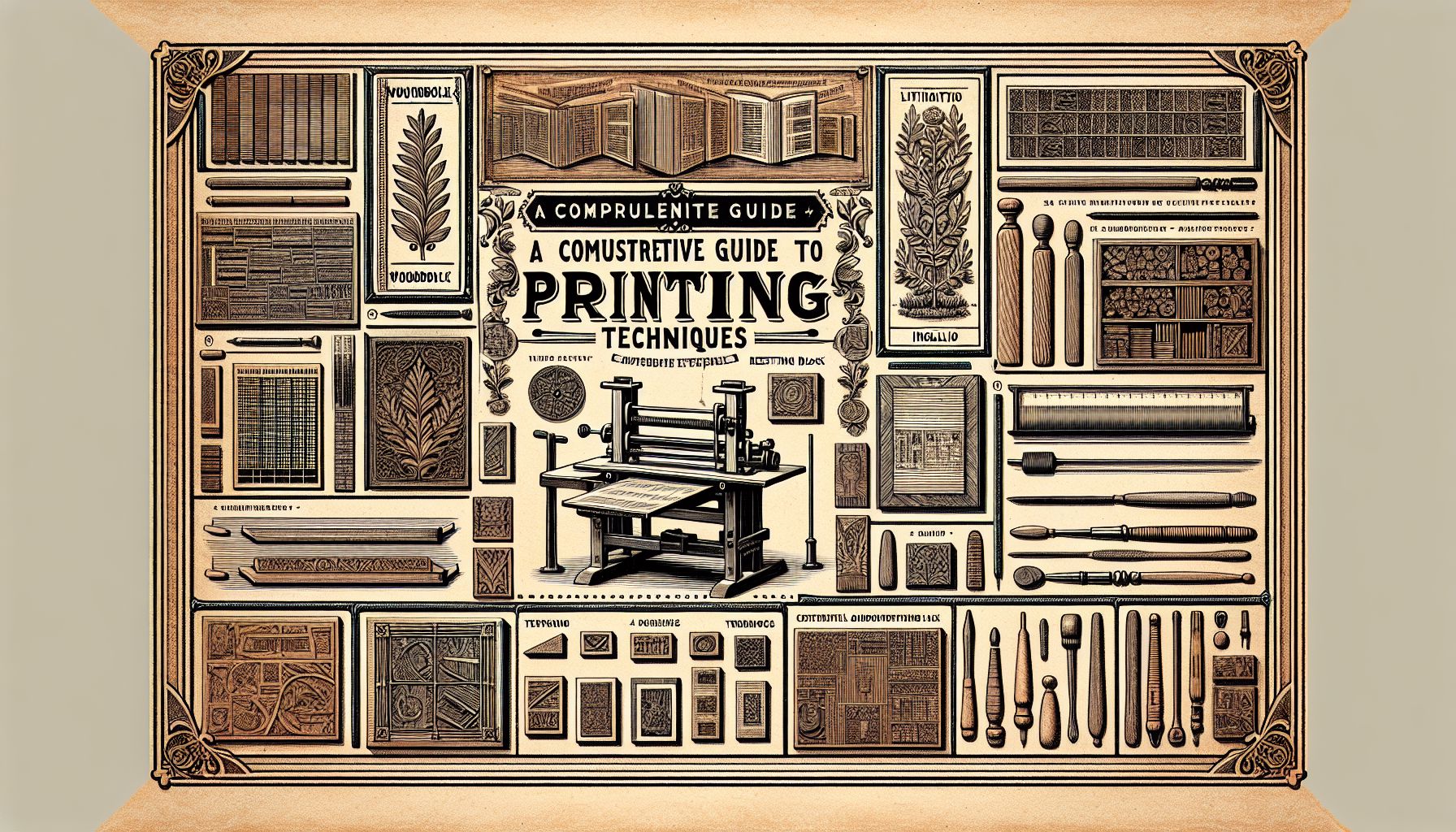
From ancient times to the modern era, printing has played a pivotal role in the dissemination of information, art, and culture. It has come a long way since its inception, with countless techniques emerging over the centuries. In this blog post, we will delve into the world of printing techniques, exploring their history, applications, and unique features. Whether you are an artist, designer, or simply curious about the various methods used in print production, this comprehensive guide will offer valuable insights and inspire you to explore the possibilities of print.

Introduction: The Evolution of Printing Techniques

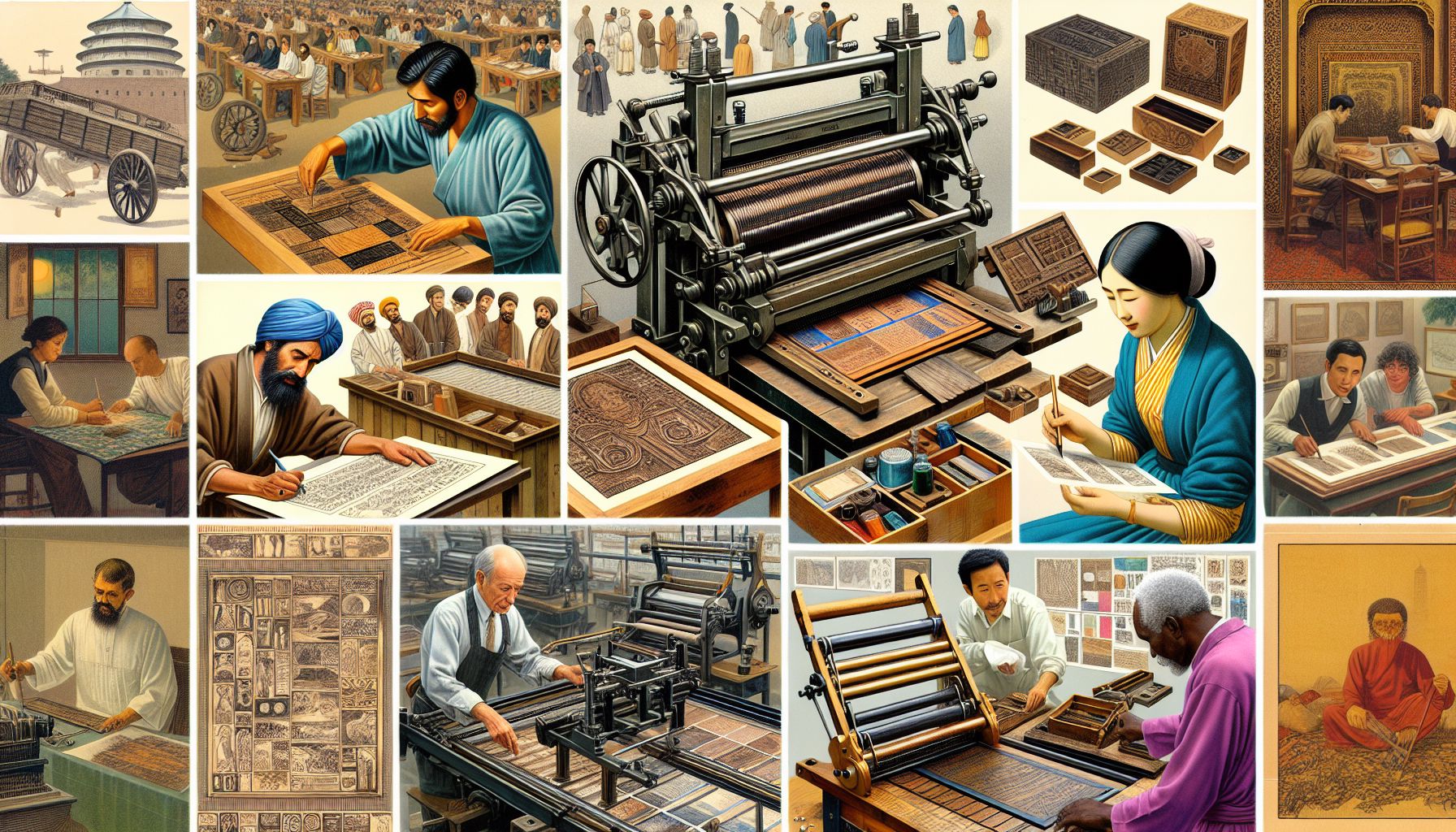
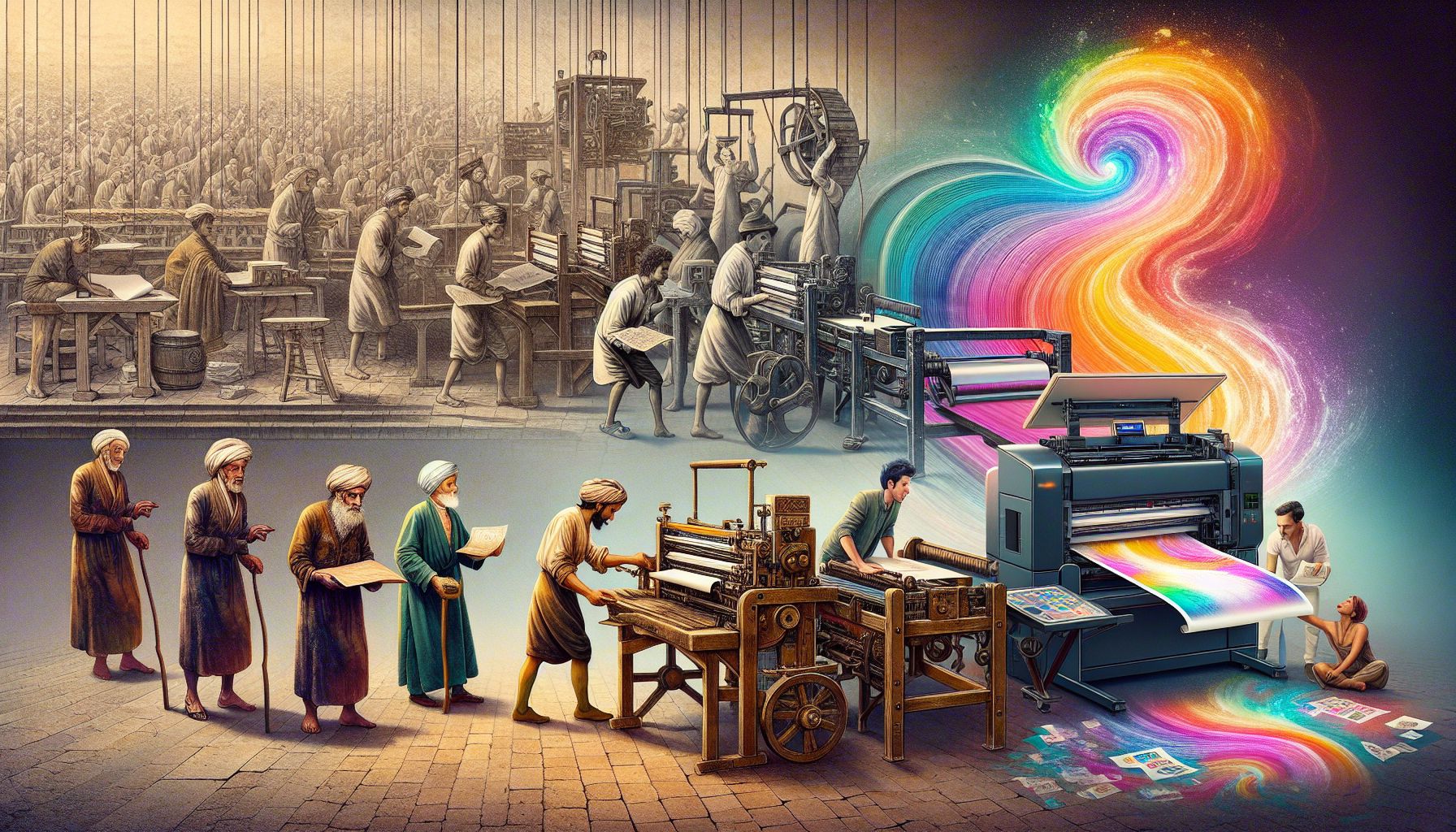
Printing techniques have evolved significantly since their origins, transforming from simple, manual processes to complex, automated systems. Ancient forms of printing, such as woodblock printing and letterpress, paved the way for innovations in the 19th and 20th centuries. Each technique has its own characteristics, resulting in different aesthetic and tactile qualities. Today, we will explore some of the most notable techniques, including offset printing, digital printing, screen printing, and more.

1. Offset Printing: The Industry Standard

Offset printing, also known as lithography, has been the go-to technique for commercial printing since the 20th century. It utilizes the principle that oil and water do not mix, relying on a metal plate, ink, and rubber blanket to transfer the image onto paper. Offset printing is known for its exceptional color reproduction and ability to handle large print runs efficiently. This technique is commonly used for newspapers, magazines, brochures, and other mass-produced printed materials.

2. Digital Printing: The Age of Personalization

In recent years, digital printing has revolutionized the printing industry by offering short-run, customized printing solutions. Instead of using plates, digital printers employ toner or inkjet technology to apply the image directly onto the paper. This method allows for on-demand printing with minimal setup time, making it an ideal choice for personalized books, business cards, and promotional materials. Digital printing is known for its vibrant colors and sharp details, offering endless possibilities for creative expression.

3. Screen Printing: Bringing Designs to Life

Screen printing, also known as serigraphy, is a versatile printing technique that has been around for centuries. It involves creating a stencil (screen) and forcing ink through it onto the desired surface using a squeegee. Screen printing is renowned for its ability to produce vibrant, opaque colors on various materials, including fabric, glass, and paper. This technique is commonly used for printing t-shirts, posters, signage, and other promotional items. With the advancement of technology, automated screen printing machines have made the process faster and more efficient.

4. Letterpress: A Time-Honored Art Form

Letterpress, once the primary printing technique, has experienced a resurgence in recent years due to its distinct charm and tactile appeal. This technique utilizes raised metal or wooden type and applies pressure to transfer ink onto paper. Despite being a labor-intensive process, letterpress produces unique, debossed impressions with a vintage aesthetic that cannot be replicated by other techniques. It is particularly popular for creating wedding invitations, business cards, and fine art prints.

5. Flexography: High-Speed Output for Packaging

Flexography, commonly known as flexo, is a versatile technique widely used for high-speed printing, particularly in the packaging industry. It involves using flexible relief plates and a rotary press to transfer ink onto various substrates, including paper, plastic, and even cellophane. Flexography offers excellent color reproduction and is suitable for large print runs, making it ideal for labels, packaging materials, and newspapers. Its ability to print on uneven surfaces and different substrates makes it a cost-effective choice for many industries.

6. Gravure Printing: Image Precision at High Volumes

Gravure printing, also known as intaglio, is a high-speed, high-volume printing technique commonly used for long print runs. It employs recessed cells or holes engraved into a cylinder, which are filled with ink and then transferred onto the paper. Gravure printing is known for its exceptional image precision, making it ideal for reproducing fine details and high-quality images. It is widely used for magazines, catalogs, and packaging requiring intricate, photorealistic prints.

Conclusion: Harnessing the Power of Print

Printing techniques have evolved and diversified, catering to the unique needs of various industries and creative pursuits. The advent of digital printing has further opened the doors for personalized, short-run printing, while traditional techniques like letterpress and screen printing continue to captivate with their timeless beauty. Whether you are a designer seeking the perfect printing method for a project, an artist exploring new avenues of expression, or a consumer appreciating the aesthetics of print, understanding the diverse techniques available allows you to make informed choices and harness the power and beauty of the printed medium.

In conclusion, the world of printing techniques is vast and continuously evolving. Each method offers its own advantages and characteristics that make it suitable for specific applications. As technology advances, new printing techniques will likely emerge, pushing the boundaries of what can be achieved in print. So, embrace the possibilities, experiment with different techniques, and bring your ideas to life through the captivating art of print.
My Blog

The Different Printing Techniques: Exploring Options for High-Quality Prints

As technology advances, so do the various methods for printing. Whether you’re a professional artist, a business owner looking to enhance your marketing materials, or simply someone who enjoys printing beautiful photographs, understanding the different printing techniques available can help you achieve the desired results with accuracy and precision.

In this article, we will explore various printing techniques, their applications, and the benefits they offer. From traditional methods to modern digital advancements, let’s dive into the world of high-quality prints.

I. Introduction: The Art of Printing

Printing has been an essential part of human communication for centuries. From the earliest woodblock prints to the advent of modern digital printing, the techniques employed have evolved dramatically. Initially used primarily for written texts, printing techniques now encompass a wide range of applications, including fine art reproduction, photography, packaging, signage, and more.

With countless printing techniques available today, understanding the unique advantages and considerations of each can help you make informed decisions about the most suitable method for your specific needs.

II. Traditional Printing Techniques

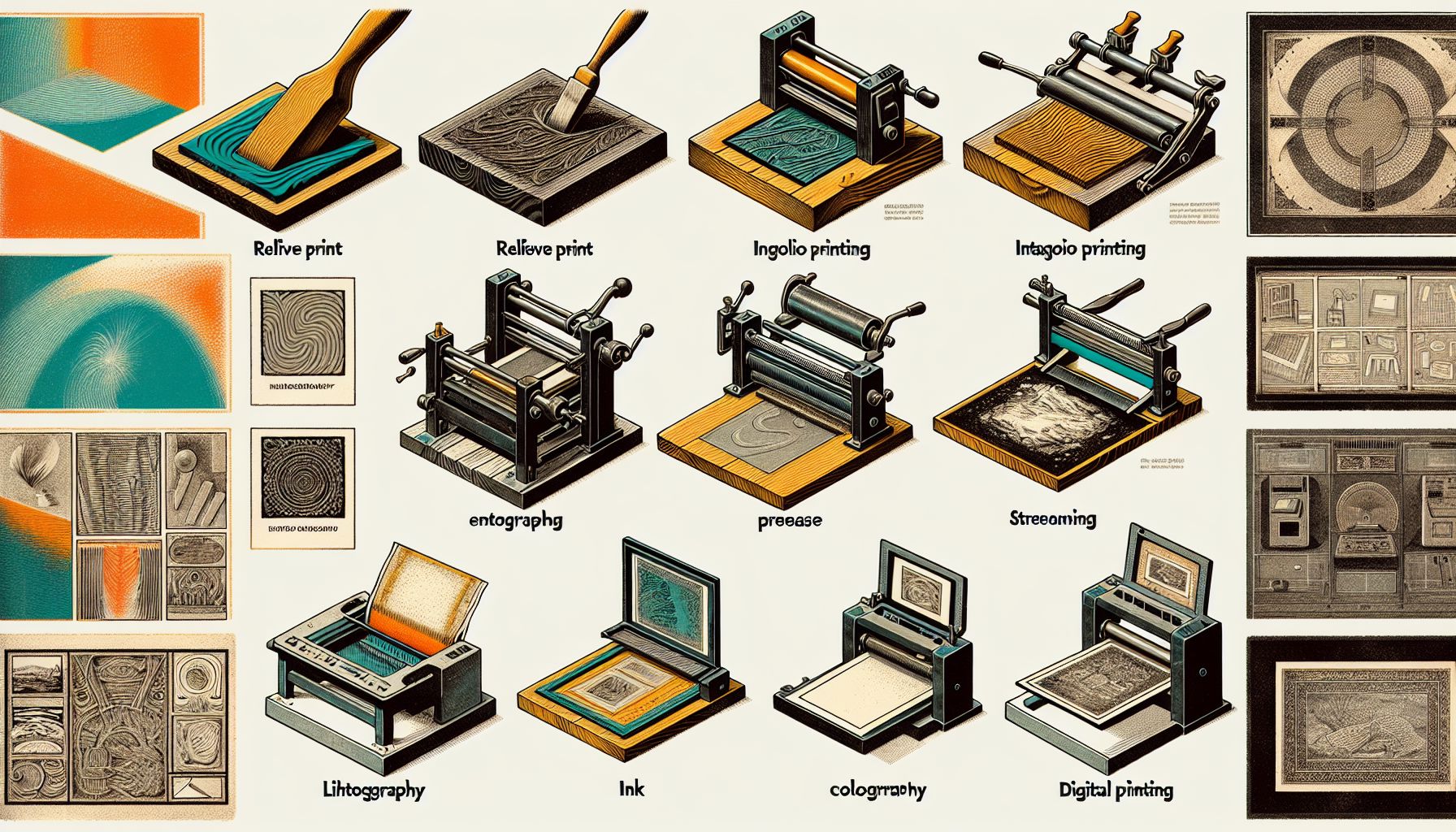
  1. Relief Printing: One of the oldest printing methods, relief printing involves carving a design into a material such as wood or linoleum, leaving raised areas that are then inked and pressed onto paper. This technique is best suited for bold, graphic images or text and can create a distinctive textured effect.

  2. Intaglio Printing: In intaglio printing, the image or text is incised into a surface, often a metal plate, using tools or chemicals. The plate is then covered with ink and wiped, leaving ink only in the incised areas. The print is made by pressing a damp paper onto the plate with significant pressure, resulting in fine details and rich tonal ranges. Engravings and etchings are popular forms of intaglio printing.

  3. Lithography: Lithography is based on the principle that oil and water repel each other. An image is drawn onto a smooth stone or metal plate using oil-based materials. The surface is then moistened, with water adhering to the untouched areas and repelling the greasy image. Ink is applied to the wet areas, transferred to the paper, and finally compressed with a roller or press. Lithography enables high-quality prints with exceptional detail and color range.

  4. Letterpress: Originating in the 15th century, letterpress printing involves arranging movable type or plates with raised surfaces and inking them before pressing onto paper. Initially used for books, this technique now lends itself well to artistic prints and specialty items such as invitations and stationery. The pressing action creates a distinct indentation on the paper, giving letterpress its unique tactile appeal.

III. Modern Printing Techniques

  1. Digital Printing: With the rise of digital technology, digital printing has become widely accessible and offers excellent versatility. This method involves transferring a digital image directly onto the printing surface using advanced inkjet or laser printers. Digital printing is well-suited for quick turnaround times, variable data printing, and small to medium print quantities. It offers high-quality results with vibrant colors and sharp details.

  2. Dye-Sublimation Printing: This technique is commonly used for high-quality photographic prints or vibrant designs on fabric. Dye-sublimation printing employs heat to transfer dye onto special transfer paper. The paper is then applied to a polyester-coated surface, typically fabric, and heat is again applied permanently sealing the image. This process ensures long-lasting colors and excellent color reproduction, popular in sportswear, interior decoration, and personalized gift items.

  3. Screen Printing: Also known as silkscreen printing, this technique involves transferring ink through a mesh screen onto the printing surface. The mesh contains areas blocked by a stencil, allowing ink to pass only through the desired image areas. Screen printing is an excellent choice for bold designs on various substrates such as paper, fabric, and plastics. It offers durability and versatility, often used in apparel, posters, and promotional products.

IV. Choosing the Right Printing Technique

When deciding which printing technique to use, several factors should be considered:

  1. Intended Purpose: Determine the purpose of your print, whether it’s for fine art, marketing materials, or personal use. Some techniques excel in reproducing detailed artwork, while others are more suitable for vibrant graphics or large quantities.

  2. Budget and Quantity: Consider your budget and the desired print quantity. Traditional methods like letterpress or intaglio can be more time-consuming and costly, while digital printing or screen printing offer cost-effective options for large quantities.

  3. Printing Surface: Different techniques work better with specific surfaces. For instance, digital printing is highly versatile and compatible with various materials, while screen printing excels on fabrics and flat surfaces.

  4. Color Range and Detail: Evaluate the level of detail and color accuracy required for your print. Digital printing, dye-sublimation, and lithography techniques can provide greater color variation and intricate details, while relief printing or letterpress can result in more tactile and textured effects.

V. Conclusion: Endless Possibilities of Printing

Printing techniques have come a long way, offering a wide spectrum of options to suit diverse needs. Whether you prefer the traditional craftsmanship of relief printing or the speed and accuracy of digital printing, each method provides unique advantages for creating high-quality prints.

Understanding the different printing techniques available empowers you to make informed choices and achieve optimal results for your projects. Explore the various options, experiment with different techniques, and elevate your artistic vision or business branding with the endless possibilities that printing offers.

My Blog

Understanding Different Printing Techniques

From the earliest form of cave paintings to the modern digital printing techniques, humans have always found innovative ways to capture and communicate visual information. Over time, numerous printing techniques have emerged, each with its own unique characteristics and applications. In this blog post, we will explore some of the most popular printing techniques used today and delve into what makes them distinct and valuable in the ever-evolving world of print.

I. Introduction

In the digital age, where screens dominate our everyday lives, the significance of print may seem overlooked. However, it remains a vital medium for tangible communication, artistic expression, and marketing materials. Understanding the techniques behind print can unlock a world of possibilities, enabling us to make informed decisions when it comes to producing visual content.

II. Offset Printing

Offset printing, also known as lithography, has been the most widely used commercial printing technique for many years. This method utilizes a flat plate to transfer an image onto a rubber blanket and then onto the printing surface, whether it be paper, cardboard, or other materials. Offset printing is capable of reproducing high-quality images and crisp text with excellent color fidelity and vibrancy.

One of the greatest advantages of offset printing is its economic efficiency for large-scale productions. It offers consistent, reliable results, making it suitable for various applications like brochures, magazines, and packaging. Additionally, the range of paper stocks available for offset printing allows for diverse finishes, such as glossy, matte, or textured surfaces, further enhancing the visual appeal of the final product.

III. Digital Printing

With the advances in technology, digital printing has gained significant popularity over the past few decades. Unlike offset printing, which relies on plates, digital printing involves reproducing the image directly from a digital file onto the chosen medium. This flexibility eliminates the need for setup and reduces printing time, making it an ideal option for small to medium-sized print runs.

Digital printing offers great versatility in terms of the materials it can print on, including paper, fabric, plastic, and even metal. Its ability to handle variable data printing allows for personalized marketing materials that can target specific audiences more effectively. Furthermore, digital printing provides an excellent solution for on-demand printing, reducing waste and inventory costs.

However, it is worth noting that digital printing may not offer the same level of color accuracy and sharpness as offset printing, especially for large-scale projects. Additionally, the cost per page may be higher compared to offset printing for high-volume production.

IV. Screen Printing

Screen printing, also known as silk screening, is an ancient printing technique that has evolved over centuries. Originally practiced using silk screens, it now utilizes synthetic meshes stretched over a frame. The process involves transferring ink through the mesh onto the printing surface by pushing it with a squeegee. Each color requires a separate screen, allowing for vibrant, layered designs.

Screen printing is highly versatile and can be performed on various materials, such as fabric, glass, metal, plastic, and wood. It is widely used for apparel printing, signage, posters, and art prints. The thick layers of ink used in screen printing result in a vibrant and durable image that can withstand frequent washing, weathering, or exposure to sunlight.

Despite its versatility, screen printing has some limitations. Fine details and intricate designs may not be reproduced with the same level of precision as other printing techniques. It is also more time-consuming and requires meticulous setup, making it less suitable for short print runs or time-sensitive projects.

V. Flexography

Flexography, often referred to as flexo printing, is a commonly used method for printing on packaging materials, particularly when it comes to flexible packaging and labels. This technique involves using flexible relief plates made of rubber or photopolymer to transfer ink onto the printing substrate. Flexo printing can be performed at high speeds, making it suitable for high-volume productions.

Flexography is known for its ability to print on a wide range of materials, including plastics, metal foils, cellophane, and paper. It offers excellent color reproduction and is often used for printing labels, cartons, bags, and newspapers. Additionally, recent advancements in flexographic technology have led to improved print quality, making it a competitive choice for various applications.

One of the primary advantages of flexography is its compatibility with water-based inks, which are more environmentally friendly compared to the solvent-based inks used in some other techniques. Flexo printing also allows for inline printing processes, such as laminating, die-cutting, and varnishing, contributing to its efficiency and cost-effectiveness.

VI. Gravure Printing

Gravure printing, also known as intaglio printing, is a technique that involves engraving the image onto a cylinder, which is then inked and pressed against the printing surface. The recessed image areas retain the ink, transferring it onto the paper or other materials. Gravure printing is commonly used for high-quality magazines, catalogs, and packaging materials.

This technique offers exceptional image reproduction and fine detail, making it ideal for highly specialized applications. It can achieve consistent and precise color matching, creating visually stunning results. Gravure printing is particularly valued for its ability to reproduce high-resolution images and intricate artwork, often seen in the production of stamps, banknotes, and security prints.

While gravure printing offers exceptional quality, it is less cost-effective for small print runs due to the substantial setup required. It also has limited flexibility when it comes to changing or modifying designs between print jobs. However, for large-scale projects that demand superior print quality and consistency, gravure printing remains an excellent choice.

VII. Conclusion

In the vast world of printing, understanding the different techniques available is crucial to achieving the desired results. Offset printing provides high-quality, consistent results for large-scale projects, while digital printing offers flexibility, cost-effectiveness, and on-demand capabilities. Screen printing produces vibrant, durable designs, especially on fabric and signage, while flexography shines in the realm of packaging and labels. Gravure printing excels in high-quality reproductions, suited for specialized applications.

By exploring and comprehending the various printing techniques, we empower ourselves to make informed decisions based on our specific needs and project requirements. Whether it is a promotional brochure, a personalized invitation, or an eye-catching poster, the print techniques we choose bring our visions to life, ultimately communicating our messages effectively.

So, the next time you embark on a print project, take a moment to reflect on the array of printing techniques available, and find the one that best captures the essence of your vision.

My Blog

Exploring the World of Printing Techniques

From the traditional ink-on-paper methods to recent advancements in digital printing, the realm of printing techniques offers a plethora of options for businesses and individuals. These techniques are not only essential for reproducing documents and images accurately but also play a crucial role in creating visually striking and unique printed materials. In this blog post, we will unravel the diverse world of printing techniques, discussing their benefits, applications, and the technology behind them. So, let’s dive in and explore the fascinating world of printing!

Introduction to Printing Techniques

Printing techniques have evolved significantly since their inception thousands of years ago. Earlier, manual methods like woodblock printing and letterpress dominated the scene. Today, however, modern technologies have revolutionized the printing industry, providing a wide range of advanced printing techniques. Let’s take a closer look at some of the most popular ones:

1. Offset Lithography

Offset lithography, also known as offset printing, is one of the most widely used printing techniques today. It involves transferring ink from a plate to a rubber blanket and finally to the printing surface. The process takes advantage of the fact that water and oil repel each other, enabling the ink to adhere only to the desired areas. Offset lithography offers excellent color reproduction, making it ideal for various printing applications, such as magazines, brochures, and packaging materials.

2. Digital Printing

Digital printing has witnessed significant advancements in recent years, offering quick and cost-effective printing solutions. This process involves sending digital files directly to a printing device, eliminating the need for traditional printing plates. Digital printing offers exceptional flexibility, allowing for short print runs and personalization. Moreover, it provides quick turnaround times and the ability to make on-the-fly changes. With its wide range of applications, digital printing has brought printing capabilities directly into the hands of individuals and small businesses.

3. Flexography

Flexography, commonly referred to as flexo printing, is a versatile technique primarily used for packaging materials. It involves using a flexible relief plate and specialized inks to transfer images to various substrates, including plastic, metal, and paper. Flexography enables high-speed, high-volume printing with excellent color reproduction and image clarity. It finds extensive applications in industries such as food packaging, labels, and newspaper printing.

4. Gravure

Gravure printing is a technique that utilizes engraved cylinders or plates to transfer ink onto the printing surface. The recessed areas hold the ink, while the non-printing areas are smooth and free from ink. This process is popular for long print runs, especially for magazines, catalogs, and newspapers. Gravure printing offers exceptional image detail and consistency, making it a preferred choice for high-quality image reproduction.

Specialized Printing Techniques

Apart from the aforementioned techniques, there exist several specialized printing methods that cater to specific requirements. Let’s explore a few of these techniques:

1. Screen Printing

Screen printing, also known as silk-screening, is a versatile technique that involves spreading ink over a mesh screen using a squeegee. The areas not blocked by a stencil allow ink to pass through onto the substrate below, creating vibrant and durable prints. Screen printing offers versatility in terms of substrates used and is commonly employed for printing on fabrics, posters, signage, and promotional merchandise.

2. Letterpress

Although traditional letterpress printing has become less common, it has recently experienced a resurgence due to its unique aesthetic appeal. This technique involves pressing inked raised surfaces, typically metal type or plates, onto paper. Letterpress provides a timeless and tactile quality to printed materials, making it a popular choice for wedding invitations, business cards, and high-end stationery.

3. 3D Printing

One of the most revolutionary printing techniques, 3D printing, enables the creation of three-dimensional objects from digital models. Instead of using inks, 3D printers deposit layer upon layer of various materials, such as plastic or metal, to build intricate objects. This technique has found applications in fields like manufacturing, healthcare, architecture, and even culinary arts.

The Future of Printing Techniques

As technology continues to advance at a rapid pace, the world of printing techniques is not left untouched. Here are a few trends that could shape the future of printing:

1. Environmentally Friendly Printing

Sustainability has become a key concern in every industry, including printing. With this in mind, the development of eco-friendly printing techniques has gained traction. Printers are now opting for soy or vegetable-based inks, recyclable materials, and energy-efficient equipment to reduce their carbon footprint. As environmental awareness continues to grow, we can expect to witness further innovations in this direction.

2. Nanographic Printing

Nanographic printing combines the benefits of offset and digital printing, offering high-quality, cost-effective, and versatile printing solutions. It utilizes tiny pigment particles, in the range of tens of nanometers, which are deposited onto the printing surface to create images. This innovative technique boasts the ability to print on a wide range of substrates while maintaining the quality and resolution seen in traditional offset printing.

3. 4D Printing

Building on the concept of 3D printing, researchers are making strides in the field of 4D printing. This emerging technology involves printing objects that can change shape, self-assemble, or morph over time due to external stimuli, such as heat or water. 4D printing holds immense potential in sectors like robotics, biomedicine, and architecture, where adaptive and self-transforming structures are desired.

Conclusion

From traditional techniques that have withstood the test of time to cutting-edge digital printing methods, the world of printing offers endless possibilities for creative expression and functionality. Each technique brings its unique benefits and applications, catering to diverse printing needs. Whether you seek vibrant and customizable prints for your marketing materials or extraordinary three-dimensional objects, there is a printing technique perfectly suited to fulfill your requirements. As technology advances, we are bound to witness exciting innovations that will further expand the boundaries of what can be accomplished through printing. So, embrace the world of printing techniques and unlock the power of your imagination!

My Blog

The Magic Behind Printing Techniques: From Analog to Digital

Printing has come a long way since its inception, evolving from manual hand presses to advanced digital printing techniques. Today, these techniques play a crucial role in various industries, providing us with vivid imagery, informative literature, and stunning artworks. In this article, we will explore the fascinating world of printing techniques, from the traditional to the cutting-edge, and understand how they have revolutionized the way we communicate visually.

Introduction: The Evolution of Printing

Printing as a practice dates back to ancient times when woodblock printing was used in Asia to reproduce texts and images. Over time, printing methods evolved, and technology progressed, leading to the development of more sophisticated techniques. From letterpress and offset printing to digital printing and beyond, each step in this historical timeline has contributed to the art of printing as we know it today.

The Traditional Printing Techniques

1. Letterpress Printing

Letterpress printing is one of the oldest and most widely recognized printing techniques. It involves creating a raised surface with inked letters or images and pressing them onto paper. Originally, metal or wooden type was used, making it a time-consuming process. Letterpress printing is renowned for providing a tactile feel and a classic, vintage aesthetic. Though less commonly used now, it has seen a revival in recent years, appreciated by designers and artists for its unique qualities.

2. Offset Printing

Offset printing, also known as lithography, has been the dominant printing technique for several decades. It involves transferring ink from a metal plate to a rubber blanket, which then applies the image or text onto the paper. This indirect method allows for high-quality and consistent prints. Offset printing is widely used for various applications, such as newspapers, magazines, packaging, and marketing materials. It offers a cost-effective solution for medium to high-volume print runs.

3. Gravure Printing

Gravure printing, often used for high-volume production, involves engraving the image onto a cylinder. The cylinder is then submerged in ink, and the excess is wiped off, leaving ink only in the recessed areas. A paper or plastic sheet is pressed against the cylinder, transferring the image onto the surface. Gravure printing is ideal for large-scale projects, including magazines, catalogs, and packaging. It produces remarkable detail and vibrant colors, making it popular for reproducing photographs.

4. Flexography

Flexography, or flexo printing, is a technique similar to letterpress printing. However, instead of using rigid plates, flexible rubber or polymer plates are utilized. These flexible plates can easily conform to various surfaces, making flexography suitable for printing on irregularly shaped objects, such as labels, packaging materials, and even newspapers. Flexo printing enables fast printing speeds and is well-suited for large, continuous print runs.

The Rise of Digital Printing Techniques

The advent of digital technology revolutionized the printing industry. Digital printing techniques have not only simplified the process but also expanded the possibilities in terms of customization and speed.

1. Inkjet Printing

Inkjet printing is a popular digital printing technique that recreates digital images by propelling droplets of ink onto the paper. With precise control over the droplets, inkjet printers can produce high-resolution prints with exceptional color accuracy. The ability to print on a wide range of materials, including paper, canvas, and fabrics, makes inkjet printing versatile for various applications. Additionally, it allows for on-demand printing, making it cost-effective for small print quantities.

2. Laser Printing

Laser printing involves using a laser beam to create an electrostatic image on a drum or photoreceptor. The image is then transferred onto the paper using toner, which is fused onto the surface by heat. Laser printers are known for their fast printing speeds and sharp output quality, making them popular in offices and schools. While laser printing is primarily used for text-heavy documents, advancements have allowed for improved color printing capabilities on certain laser printers.

3. Dye-Sublimation Printing

Dye-sublimation printing is a technique commonly used to print onto fabrics and textiles. By using heat to transfer dye onto a synthetic material like polyester, the dye sublimates and permanently bonds with the fibers. Dye-sublimation printing produces vibrant, long-lasting images with excellent color reproduction. This technique is often employed in textile printing, producing personalized clothing, banners, and soft signage.

4. 3D Printing

While not traditionally considered within the realm of “printing,” 3D printing has become an increasingly popular technique in recent years. 3D printers produce solid objects by adding layers upon layers of material, such as plastic or metal, based on a digital model. This incredible innovation has opened up new possibilities in various fields, including product prototyping, medical applications, architecture, and even culinary arts. 3D printing is transforming industries and challenging traditional manufacturing methods.

Conclusion: The Future of Printing Techniques

From letterpress and gravure to inkjet and 3D printing, the world of printing techniques has continually evolved, enabling communication through visual media. Each technique offers unique capabilities, catering to different needs and sectors. As technology progresses, we can expect further advancements in the field of printing, providing us with even more efficient, cost-effective, and sustainable solutions. Whether for personal or commercial purposes, printing techniques continue to shape our world, and it will be exciting to witness the innovations that lie ahead.

My Blog

Printing Techniques: Enhancing Your Designs with the Art of Printing

printing techniques

Introduction:

In today’s digital era, where screens dominate our lives, the art of printing has somewhat lost its charm. However, for designers, artisans, and creative enthusiasts, printing techniques hold a special place. The tactile feel, the unique textures, and the stunning finish that printing brings cannot be replicated on any digital medium. From letterpress to screen printing, engraving to thermography, this article will explore various printing techniques and how they can take your designs to the next level.


Unveiling the Artistry of Different Printing Techniques

Printing techniques have evolved over centuries, and each one offers a unique visual and tactile experience. Whether you are looking to print business cards, wedding invitations, or art prints, understanding which technique suits your purpose can greatly enhance the final result. Let’s delve into the magical world of printing:

1. Letterpress Printing

Letterpress printing is one of the oldest forms of relief printing. It involves inking a raised surface and then applying pressure to transfer the ink onto the paper. The result is a distinct impression that adds depth and texture to the design. Letterpress is often used for wedding invitations, business cards, and stationery where elegance and refinement are desired.

2. Offset Lithography

Offset lithography, often referred to as offset printing, is the most common printing technique used today. It involves transferring the inked image from a printing plate to a rubber blanket and then onto the paper. This method is perfect for printing high volumes of documents as it offers quick and cost-effective reproduction. Offset printing can produce vibrant colors and sharp details, making it suitable for brochures, flyers, and magazines.

3. Screen Printing

Screen printing, also known as silk screen printing, is a versatile technique that involves pushing ink through a fine mesh screen onto the desired surface. Each color requires a separate screen, enabling the printing of complex, multicolored designs. Screen printing is admired for its vibrant and opaque colors, making it a popular choice for t-shirts, posters, and promotional materials.

4. Engraving

Engraving is an intricate printing technique that involves etching a design onto a metal plate. Ink is then applied to the plate, and the excess is wiped away, leaving only the ink trapped in the engraved lines. The plate is pressed onto paper under substantial pressure, transferring the ink and creating raised text or images. Engraved prints possess an elegant and luxurious feel, making them ideal for formal invitations, certificates, and fine stationery.

5. Embossing and Debossing

Embossing and debossing are techniques that create a three-dimensional effect on paper. Embossing raises a design above the surface, while debossing creates an impression by pressing the design into the paper. These techniques add a sense of sophistication and elegance to wedding invitations, business cards, and packaging, providing a tactile experience that will leave a lasting impression.

6. Thermography

Thermography is a printing technique that combines heat and resin-like powder to achieve a raised and glossy print. The printed material is briefly exposed to high heat, causing the powder to swell and create a textured effect on the paper. Frequently used for business cards and stationery, thermography offers a cost-effective alternative to engraving, with a similar visual impact.

7. Foil Stamping

Foil stamping utilizes a heated die to transfer a metallic foil onto the paper. This technique can create a mirror-like, metallic effect or a matte, pigmented appearance, depending on the type of foil used. Foil stamping adds a touch of luxury and flair to packaging, invitations, and book covers, offering a visually striking result.

Conclusion

Printing techniques open up a world of creative possibilities, adding depth, texture, and tactile appeal to your designs. Whether you choose the traditional elegance of letterpress, the versatility of screen printing, or the opulence of foil stamping, each technique brings its unique charm to any project. Ultimately, the choice of which printing technique to employ depends on your desired aesthetic, budget, and target audience.

Next time you embark on a printing project, take a moment to reflect on the myriad techniques available. Embrace the artistry of printing, experimenting with different methods to elevate your designs and create memorable, tangible experiences.


My Blog

A Comprehensive Guide to Printing Techniques

Printing techniques have come a long way since the invention of the printing press in the 15th century. From simple ink on paper to advanced technologies capable of creating intricate designs, the world of printing has witnessed an evolution that has made it an essential tool in various industries. In this comprehensive guide, we will explore different printing techniques, their applications, and the unique advantages they offer.

Introduction to Printing Techniques

Printing techniques can be broadly categorized into four types: relief printing, intaglio printing, planographic printing, and stencil printing. Each technique utilizes different processes and tools to transfer ink onto various surfaces. Let’s dive into the details of each type to understand their functionalities.

1. Relief Printing

Relief printing involves printing from a raised surface, where the areas to be printed are higher than the areas to be left blank. The most common example of this technique is letterpress printing. In this method, ink is applied to the raised surfaces of metal or wooden type blocks, and then pressed onto the printing surface. Relief printing is known for its strong and bold lines, making it suitable for projects requiring high contrast and fine details.

2. Intaglio Printing

Intaglio printing, unlike relief printing, involves printing from recessed or engraved areas. The most popular form of intaglio printing is etching, where lines are incised onto a plate using acid. After inking the plate, excess ink is wiped away, leaving only the ink within the engraved lines. The design is then transferred onto paper by applying pressure using a printing press. Intaglio printing produces exquisite fine lines and textures, making it ideal for producing works of art and currency.

3. Planographic Printing

Planographic printing, also known as lithography, is based on the principle that oil and water repel each other. In this technique, the printing surface is flat, and the design is created using an oil-based substance. The surface is then dampened with water, and ink is applied. The ink sticks only to the oily areas, which are transferred to the paper. Planographic printing allows for a wide range of tones and textures and is commonly used for fine art and commercial printing.

4. Stencil Printing

Stencil printing, as the name suggests, involves creating a stencil and then applying ink over it onto the surface. The stencil is typically made of a thin material, such as paper or plastic, with cutouts or openings in specific areas. Ink is applied through the stencil using brushes or rollers. Stencil printing is popular for creating multiple copies of the same design quickly and efficiently. It is commonly used for screen printing, wall art, and fabric printing.

Applications of Different Printing Techniques

Now that we have explored the various printing techniques let’s delve into their unique applications in different industries.

1. Publishing Industry

In the publishing industry, relief printing, especially letterpress printing, is still favored for its ability to create crisp and high-quality text. Many independent publishers and specialized book-makers use traditional letterpress printing to achieve a unique aesthetic appeal. The tactile nature of the raised print adds a layer of sophistication to books, invitations, and business cards.

2. Fine Art and Reproduction

Intaglio printing is widely used in the fine art industry due to its ability to create intricate and detailed prints. Artists often use this technique to reproduce their original artworks, as it retains the delicate lines and textures of the original piece. Intaglio prints, with their subtle tonal variations and rich textures, are highly sought after by art collectors and enthusiasts.

3. Commercial Printing

Planographic printing, especially lithography, dominates the commercial printing industry. It allows for large-scale production of books, magazines, and promotional materials. With the ability to reproduce a wide range of tones and textures, lithography delivers consistent, high-quality prints in bulk. Additionally, planographic printing is also utilized for printing packaging materials with eye-catching designs.

4. Textile and Fashion Industry

Stencil printing or screen printing finds extensive applications in the textile and fashion industry. It enables designers to produce unique patterns, logos, and graphics on fabrics like T-shirts, bags, and home textiles. Screen printing allows for vibrant, durable prints that can withstand numerous washes without fading. This versatility makes it a popular choice for both small-scale designers and large textile manufacturers.

Advancements in Printing Technology

As technology continues to advance, printing techniques have also seen significant innovations. Here are a few notable advancements in recent years:

  1. Digital Printing: Digital printing has revolutionized the industry, enabling high-speed and cost-effective production. Unlike traditional methods, digital printing does not require printing plates, reducing setup time and making it ideal for on-demand printing.

  2. 3D Printing: While not classified under traditional printing techniques, 3D printing has made tremendous strides in recent years. It involves creating three-dimensional objects by layering materials based on digital designs. The applications of 3D printing are vast, ranging from prototyping to manufacturing customizable products.

  3. UV Printing: UV printing utilizes ultraviolet light to rapidly cure ink, resulting in faster production times and reduced drying time. This technology is suitable for a wide variety of substrates, including plastics, glass, and wood. It offers high-quality, durable prints with vibrant colors.

Conclusion

The world of printing techniques encompasses a rich history and a wide array of applications. From the traditional relief printing to the modern marvels of 3D printing and UV printing, each technique brings its own unique advantages to the table. Understanding these techniques and their applications can help individuals and businesses make informed decisions when it comes to printing projects. Whether it’s creating exquisite fine art, branding materials, or fabric designs, there is a printing technique suitable for every purpose. Embrace the power of printing techniques and unlock endless creative possibilities!

My Blog

The Ultimate Guide to Printing Techniques

From ancient civilizations creating stamps to modern-day digital printing, the art of printing has undergone significant transformations. Today, printing techniques are diverse and offer endless possibilities for businesses, artists, and individuals alike. In this comprehensive guide, we will explore various printing techniques, their applications, and benefits. Whether you’re looking to create stunning artwork, advertise your business, or simply print personal items, this guide will empower you with the knowledge to make informed decisions. So, let’s dive into the fascinating world of printing.

Introduction to Printing Techniques

Printing techniques encompass a range of methods used to transfer images, texts, or designs onto various mediums. Each technique has its unique characteristics, applications, and aesthetic outcomes. Understanding the different types of printing techniques can help you determine which method best suits your needs and desired outcome.

Traditional Printing Techniques

1. Relief Printing

Relief printing is one of the oldest known printing techniques. It involves the carving of a design onto a surface, usually wood or linoleum, and inking the raised portions. The ink is then transferred onto paper or another medium by applying pressure. Relief printing is commonly associated with woodcuts and linocuts. This technique is perfect for creating bold, graphic images with a distinctive textured appearance.

2. Intaglio Printing

Intaglio printing, also known as engraving, involves incising or etching a design into a metal plate, usually copper or zinc. Ink is then applied to the plate, and excess ink is removed, leaving only ink in the incised areas. The plate is pressed against paper under high pressure, resulting in a crisp and detailed print. Intaglio printing is often used for producing currency, stamps, and fine art prints.

3. Planographic Printing

Planographic printing, such as lithography, relies on the principle that oil and water do not mix. The design is drawn or transferred onto a flat surface, usually a lithographic stone or metal plate. The surface is chemically treated to retain the design and repel ink in other areas. When the surface is inked, the oily ink adheres to the design and is transferred to the paper or desired medium. Planographic printing allows for a wide range of artistic effects and works well for large print runs.

4. Serigraphy

Also known as screen printing, serigraphy involves forcing ink through a stencil onto a printable surface. The stencil, traditionally made of silk (hence the name), blocks areas where ink is not intended to pass through. Each color requires a separate stencil, allowing for intricate multi-colored designs. Serigraphy is popular for printing on fabric, making posters, and creating vibrant artwork with distinct color layers.

Modern Printing Techniques

1. Digital Printing

With the advancements in technology, digital printing has revolutionized the printing industry. Digital printing involves transferring digital files directly to the printing machine. It offers accuracy, sharpness, and the ability to print on-demand, making it suitable for short print runs and personalized items. Digital printing is widely used in marketing materials, books, and custom clothing.

2. Offset Printing

Offset printing, also known as lithographic offset printing, is a commercial printing technique widely used for high-volume printing. In this process, the image is transferred to a rubber blanket from a metal plate and then onto the paper. Offset printing provides consistent and high-quality results, making it ideal for magazines, newspapers, and brochures.

3. Flexography

Flexography, often used for packaging materials, involves the use of flexible relief plates. The plates are typically made of rubber or photopolymer and are attached to rotating cylinders. Inks are transferred from the plate to the substrate, often a roll of paper. Flexography is known for its fast production speed, making it suitable for large-scale printing of labels, packaging, and newspapers.

4. 3D Printing

In recent years, 3D printing has gained immense popularity. It is an additive manufacturing technique that builds three-dimensional objects layer by layer from a digital file. 3D printers use materials such as plastic, metal, or even living cells. This technology allows for the creation of complex, customized objects and has applications in various industries, including healthcare, automotive, and architecture.

Choosing the Right Technique

Selecting the appropriate printing technique depends on several factors, including your desired outcome, budget, quantity, and the medium you wish to print on. Each technique has its strengths and weaknesses, so it is essential to evaluate your specific requirements before making your decision.

Conclusion

Printing techniques have come a long way, from ancient relief prints to modern 3D printing. Each technique offers its distinct advantages and applications in different fields. Whether you seek to create traditional fine art prints, market your business, or bring concepts to life with 3D objects, understanding the diverse range of printing techniques empowers you to make informed choices. So, embrace the world of printing, choose the technique that best aligns with your needs, and bring your ideas to life with the wonders of print!

My Blog

A Comprehensive Guide to Printing Techniques: From Offset to Digital

Printing has long been a fundamental part of human communication, allowing us to disseminate information, express ourselves artistically, and preserve knowledge for future generations. As technology has advanced, so too have printing techniques. From traditional methods like offset printing to cutting-edge digital processes, the options available today offer a wide range of possibilities. In this article, we will delve into the world of printing techniques, exploring their characteristics, applications, and advantages. So, whether you’re an aspiring designer or simply curious about the world of print, read on to discover the fascinating world of printing techniques.

1. Introduction to Printing Techniques

Printing techniques refer to the methods and processes used to create text and images on paper or other substrates. These techniques can vary based on factors such as speed, quality, cost, and the nature of the project. Over time, various printing methods have evolved, each with its own unique characteristics and applications.

2. Traditional Printing Techniques

2.1 Offset Printing

Offset printing, also known as lithography, is one of the most commonly used printing techniques. It involves transferring an image onto a metal plate and then onto a rubber blanket before finally transferring it onto the paper. This method allows for high-quality and consistent prints, making it ideal for large-scale commercial printing.

2.2 Letterpress Printing

Letterpress printing is an age-old technique that has recently seen a resurgence in popularity due to its tactile and vintage appeal. In this method, raised surfaces, often made of metal, are inked and pressed onto the paper, leaving an impression. Letterpress printing is often used for wedding invitations, business cards, and artisanal prints.

2.3 Flexography

Flexography, also known as surface printing, is commonly used for packaging materials and labels. It involves a flexible relief plate that rotates at high speeds, transferring ink onto different substrates such as plastic, paper, and cardboard. Flexography is fast, efficient, and cost-effective, making it suitable for high-volume printing.

3. Digital Printing Techniques

3.1 Inkjet Printing

Inkjet printing is a widely used digital printing technique that recreates an image by propelling tiny droplets of ink onto the paper. This method offers high-quality results with sharp details and vibrant colors. Inkjet printers are popular among photographers, artists, and small businesses due to their ease of use and versatility.

3.2 Laser Printing

Laser printing, often referred to as xerography, employs a laser beam to create static electricity on a photosensitive drum, attracting toner particles that are then fused onto the paper. This technique offers fast printing speeds and excellent image quality, making it suitable for both home and office environments.

3.3 Digital Offset Printing

Digital offset printing combines the best aspects of traditional offset printing with the convenience of digital technology. Unlike traditional offset printing, which requires producing film plates, digital offset printing transfers the image electronically directly onto the printing plate. This method allows for shorter print runs and more economical pricing, making it a popular choice for on-demand or variable data printing.

4. Specialized Printing Techniques

4.1 Screen Printing

Screen printing involves pressing ink through a mesh screen onto the printed surface, allowing ink to pass only through specific areas. It is often used for printing on textiles, promotional items, and posters. Screen printing offers vibrant colors and excellent longevity, making it suitable for both indoor and outdoor applications.

4.2 Gravure Printing

Gravure printing, also known as intaglio printing, utilizes recessed areas on a printing plate that are filled with ink. The plate is then pressed onto the paper, transferring the ink from the recessed areas. Gravure printing is commonly used for high-volume projects such as magazines, catalogs, and packaging due to its ability to produce consistent, high-quality prints.

5. Conclusion

As technology continues to advance, printing techniques are becoming increasingly diverse and sophisticated. From traditional methods like offset and letterpress printing to digital techniques such as inkjet and laser printing, each method offers its own set of advantages and applications. By understanding the characteristics and capabilities of different printing techniques, creators and consumers alike can make informed choices about which method best suits their specific needs. So, whether you’re printing a cherished photograph, publishing a magazine, or creating a work of art, explore the vast world of printing techniques and unlock your creative potential.

My Blog

The Art of Printing: Exploring Different Techniques

From the earliest days of human civilization, the desire to communicate and preserve information has driven the development of various printing techniques. Over time, these techniques have evolved and diversified, offering a world of possibilities in the realm of art, design, and communication. In this blog post, we will delve into different printing techniques, their characteristics, and the incredible outcomes they can achieve.

Introduction to Printing Techniques

Printing techniques encompass a wide range of processes used to reproduce images, text, and designs onto various surfaces. Whether you’re an artist, designer, or simply someone curious about the world of printing, understanding these techniques can enrich your appreciation for the unique characteristics each one brings. Let’s explore some of the most popular printing techniques in use today.

1. Relief Printing

Relief printing is one of the oldest techniques known to mankind. It involves carving away parts of a block or plate to create raised surfaces, which are then inked and pressed onto paper or another medium. Woodcut and linocut are common relief printing methods.

Woodcut Printing: Woodcut printing is accomplished by carving an image onto a block of wood. The raised areas, left behind after removing the non-image areas, are then inked and pressed onto paper. The wood’s natural grain often adds a distinctive texture to the final print, giving each piece a unique character.

Linocut Printing: Linocut is similar to woodcut, but instead of wood, a block of linoleum is used. Linoleum’s soft and smooth surface allows for greater detail and precision in carving. Linocut prints often have a clean and bold appearance, with sharp lines and defined shapes.

2. Intaglio Printing

Intaglio, meaning “incised” or “engraved” in Italian, refers to techniques in which ink is held in the recessed areas of a plate or block. The surface is then wiped clean, leaving ink only in the incised lines or depressions. When pressed onto paper, the ink transfers, creating the desired image or design.

Engraving: Engraving involves incising a design onto a metal plate using a sharp tool called a burin. The plate is then inked and wiped, leaving ink only in the engraved lines. The pressure of the press forces the paper into the recesses, resulting in fine, detailed prints that bear the distinctive quality of engraved lines.

Etching: Etching is an intaglio technique that utilizes the corrosive action of acid on a metal plate. A wax or resin ground is applied to the plate, protecting the areas that will not be etched. The design is then incised into the ground using a needle, exposing the metal. The plate is submerged in acid, which eats away at the exposed metal. Afterward, the ground is removed and ink is applied, with the ink adhering to the etched lines. Etching allows for delicate tonal variations and is often used for artistic prints.

3. Planographic Printing

Planographic printing, also known as lithography, refers to techniques that rely on the principle of oil and water repelling each other. It involves drawing or painting with greasy materials on a smooth stone or metal plate to create the image.

Stone Lithography: Stone lithography was the original form of lithographic printing. An image is drawn onto a polished stone using an oil-based medium. The stone is then dampened, and the ink, which adheres to the greasy parts of the image, is transferred to paper. Stone lithography offers a distinctive range of tonal values and a rich surface texture.

Offset Lithography: Offset lithography is a more modern variation of lithographic printing. The image is transferred from the plate to a rubber blanket, which then applies the ink to the final printing surface. Offset lithography has become the most widely used method for commercial printing, allowing large volumes of prints with precise detail and vibrant colors.

4. Screen Printing

Screen printing, also known as silkscreen printing, involves applying ink through a fine mesh screen onto a substrate. The screen is prepared by blocking out areas that are not part of the design. A squeegee is then used to draw the ink across the screen, pushing it through the open areas and onto the paper or fabric below.

Screen printing offers a high degree of versatility, making it suitable for various materials. It allows for vibrant colors, strong contrasts, and the ability to print on both flat and three-dimensional surfaces. This technique is commonly used in textile printing, creating t-shirts, posters, and other art prints.

Conclusion

Printing techniques have come a long way since the early woodcuts and stone lithography. The myriad options available today enable artists, designers, and printers to push the boundaries of creativity. Whether you prefer the fine details of an engraved print or the boldness of relief printing, each technique has its own unique charm to offer.

Understanding these techniques not only gives us a glimpse into the rich history of printing but also allows us to fully appreciate the artistry and technical skill involved. So the next time you encounter a beautifully printed piece, take a moment to consider the technique used, and let it inspire you to explore the wonderful world of printing further.