
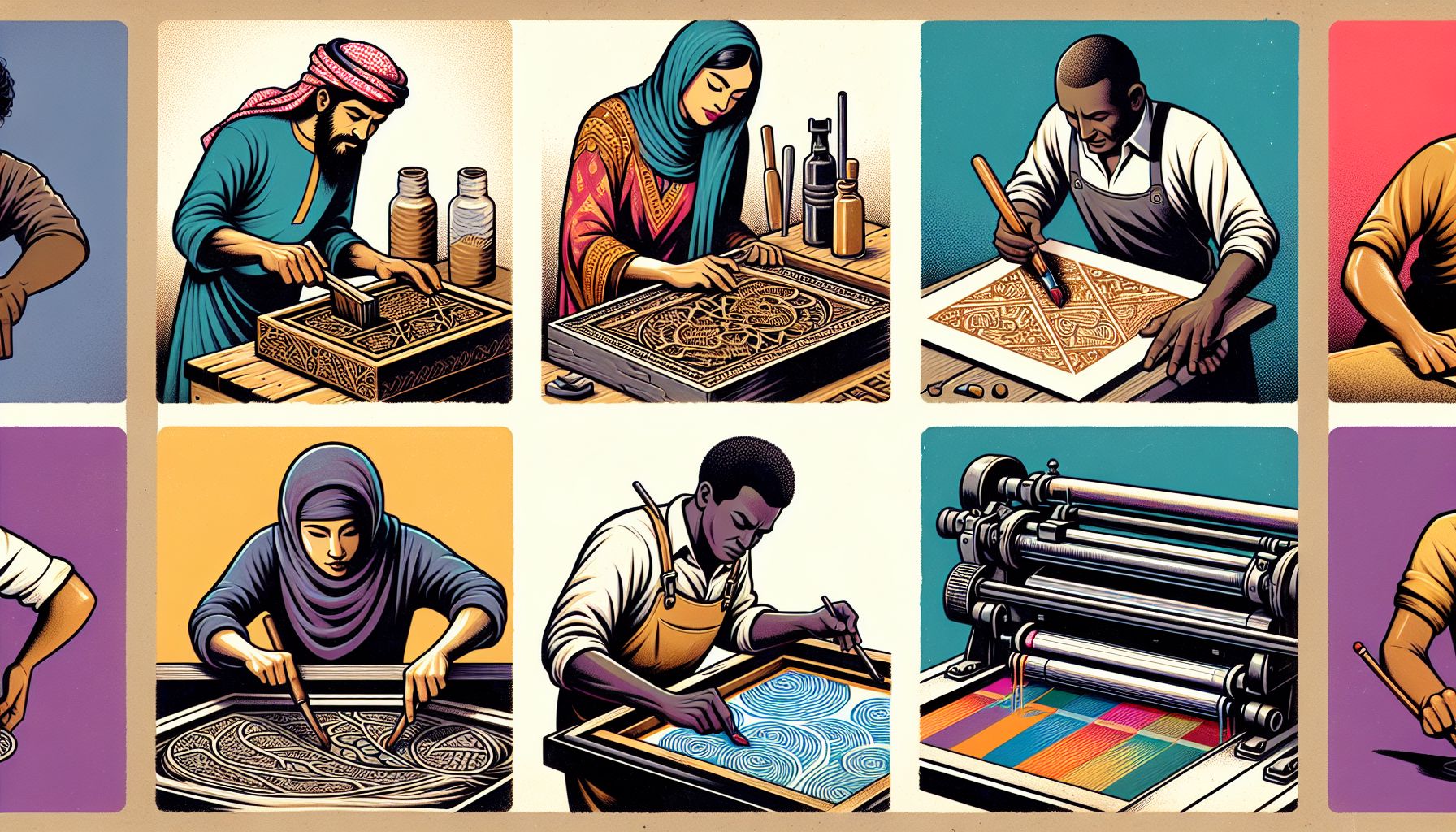
Printing Techniques: Enhancing Your Designs with the Art of Printing

Introduction:
In today’s digital era, where screens dominate our lives, the art of printing has somewhat lost its charm. However, for designers, artisans, and creative enthusiasts, printing techniques hold a special place. The tactile feel, the unique textures, and the stunning finish that printing brings cannot be replicated on any digital medium. From letterpress to screen printing, engraving to thermography, this article will explore various printing techniques and how they can take your designs to the next level.
Unveiling the Artistry of Different Printing Techniques
Printing techniques have evolved over centuries, and each one offers a unique visual and tactile experience. Whether you are looking to print business cards, wedding invitations, or art prints, understanding which technique suits your purpose can greatly enhance the final result. Let’s delve into the magical world of printing:
1. Letterpress Printing
Letterpress printing is one of the oldest forms of relief printing. It involves inking a raised surface and then applying pressure to transfer the ink onto the paper. The result is a distinct impression that adds depth and texture to the design. Letterpress is often used for wedding invitations, business cards, and stationery where elegance and refinement are desired.
2. Offset Lithography
Offset lithography, often referred to as offset printing, is the most common printing technique used today. It involves transferring the inked image from a printing plate to a rubber blanket and then onto the paper. This method is perfect for printing high volumes of documents as it offers quick and cost-effective reproduction. Offset printing can produce vibrant colors and sharp details, making it suitable for brochures, flyers, and magazines.
3. Screen Printing
Screen printing, also known as silk screen printing, is a versatile technique that involves pushing ink through a fine mesh screen onto the desired surface. Each color requires a separate screen, enabling the printing of complex, multicolored designs. Screen printing is admired for its vibrant and opaque colors, making it a popular choice for t-shirts, posters, and promotional materials.
4. Engraving
Engraving is an intricate printing technique that involves etching a design onto a metal plate. Ink is then applied to the plate, and the excess is wiped away, leaving only the ink trapped in the engraved lines. The plate is pressed onto paper under substantial pressure, transferring the ink and creating raised text or images. Engraved prints possess an elegant and luxurious feel, making them ideal for formal invitations, certificates, and fine stationery.
5. Embossing and Debossing
Embossing and debossing are techniques that create a three-dimensional effect on paper. Embossing raises a design above the surface, while debossing creates an impression by pressing the design into the paper. These techniques add a sense of sophistication and elegance to wedding invitations, business cards, and packaging, providing a tactile experience that will leave a lasting impression.
6. Thermography
Thermography is a printing technique that combines heat and resin-like powder to achieve a raised and glossy print. The printed material is briefly exposed to high heat, causing the powder to swell and create a textured effect on the paper. Frequently used for business cards and stationery, thermography offers a cost-effective alternative to engraving, with a similar visual impact.
7. Foil Stamping
Foil stamping utilizes a heated die to transfer a metallic foil onto the paper. This technique can create a mirror-like, metallic effect or a matte, pigmented appearance, depending on the type of foil used. Foil stamping adds a touch of luxury and flair to packaging, invitations, and book covers, offering a visually striking result.
Conclusion
Printing techniques open up a world of creative possibilities, adding depth, texture, and tactile appeal to your designs. Whether you choose the traditional elegance of letterpress, the versatility of screen printing, or the opulence of foil stamping, each technique brings its unique charm to any project. Ultimately, the choice of which printing technique to employ depends on your desired aesthetic, budget, and target audience.
Next time you embark on a printing project, take a moment to reflect on the myriad techniques available. Embrace the artistry of printing, experimenting with different methods to elevate your designs and create memorable, tangible experiences.