
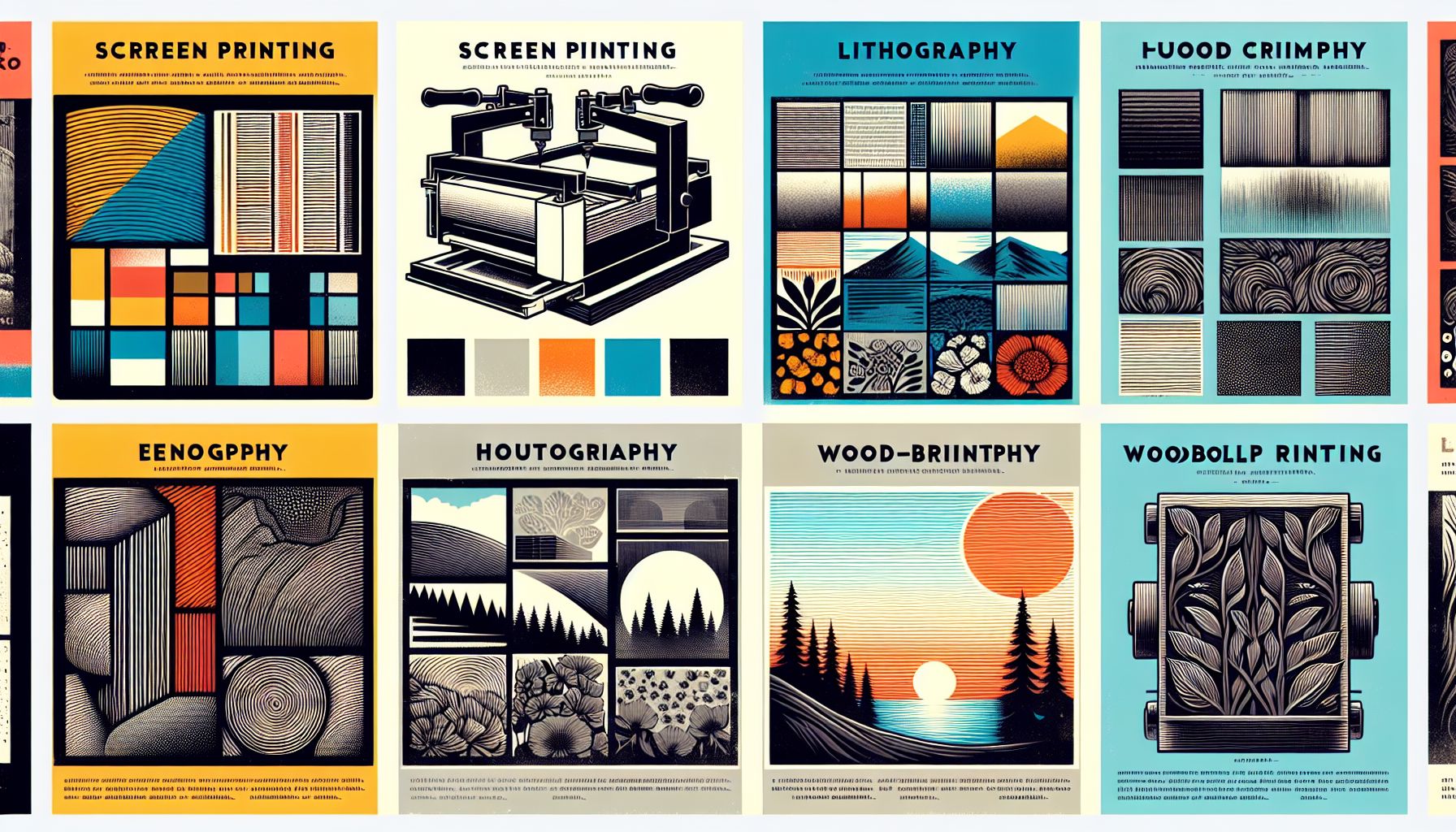
The Different Printing Techniques: Exploring Options for High-Quality Prints
As technology advances, so do the various methods for printing. Whether you’re a professional artist, a business owner looking to enhance your marketing materials, or simply someone who enjoys printing beautiful photographs, understanding the different printing techniques available can help you achieve the desired results with accuracy and precision.
In this article, we will explore various printing techniques, their applications, and the benefits they offer. From traditional methods to modern digital advancements, let’s dive into the world of high-quality prints.
I. Introduction: The Art of Printing
Printing has been an essential part of human communication for centuries. From the earliest woodblock prints to the advent of modern digital printing, the techniques employed have evolved dramatically. Initially used primarily for written texts, printing techniques now encompass a wide range of applications, including fine art reproduction, photography, packaging, signage, and more.
With countless printing techniques available today, understanding the unique advantages and considerations of each can help you make informed decisions about the most suitable method for your specific needs.
II. Traditional Printing Techniques
-
Relief Printing: One of the oldest printing methods, relief printing involves carving a design into a material such as wood or linoleum, leaving raised areas that are then inked and pressed onto paper. This technique is best suited for bold, graphic images or text and can create a distinctive textured effect.
-
Intaglio Printing: In intaglio printing, the image or text is incised into a surface, often a metal plate, using tools or chemicals. The plate is then covered with ink and wiped, leaving ink only in the incised areas. The print is made by pressing a damp paper onto the plate with significant pressure, resulting in fine details and rich tonal ranges. Engravings and etchings are popular forms of intaglio printing.
-
Lithography: Lithography is based on the principle that oil and water repel each other. An image is drawn onto a smooth stone or metal plate using oil-based materials. The surface is then moistened, with water adhering to the untouched areas and repelling the greasy image. Ink is applied to the wet areas, transferred to the paper, and finally compressed with a roller or press. Lithography enables high-quality prints with exceptional detail and color range.
-
Letterpress: Originating in the 15th century, letterpress printing involves arranging movable type or plates with raised surfaces and inking them before pressing onto paper. Initially used for books, this technique now lends itself well to artistic prints and specialty items such as invitations and stationery. The pressing action creates a distinct indentation on the paper, giving letterpress its unique tactile appeal.
III. Modern Printing Techniques
-
Digital Printing: With the rise of digital technology, digital printing has become widely accessible and offers excellent versatility. This method involves transferring a digital image directly onto the printing surface using advanced inkjet or laser printers. Digital printing is well-suited for quick turnaround times, variable data printing, and small to medium print quantities. It offers high-quality results with vibrant colors and sharp details.
-
Dye-Sublimation Printing: This technique is commonly used for high-quality photographic prints or vibrant designs on fabric. Dye-sublimation printing employs heat to transfer dye onto special transfer paper. The paper is then applied to a polyester-coated surface, typically fabric, and heat is again applied permanently sealing the image. This process ensures long-lasting colors and excellent color reproduction, popular in sportswear, interior decoration, and personalized gift items.
-
Screen Printing: Also known as silkscreen printing, this technique involves transferring ink through a mesh screen onto the printing surface. The mesh contains areas blocked by a stencil, allowing ink to pass only through the desired image areas. Screen printing is an excellent choice for bold designs on various substrates such as paper, fabric, and plastics. It offers durability and versatility, often used in apparel, posters, and promotional products.
IV. Choosing the Right Printing Technique
When deciding which printing technique to use, several factors should be considered:
-
Intended Purpose: Determine the purpose of your print, whether it’s for fine art, marketing materials, or personal use. Some techniques excel in reproducing detailed artwork, while others are more suitable for vibrant graphics or large quantities.
-
Budget and Quantity: Consider your budget and the desired print quantity. Traditional methods like letterpress or intaglio can be more time-consuming and costly, while digital printing or screen printing offer cost-effective options for large quantities.
-
Printing Surface: Different techniques work better with specific surfaces. For instance, digital printing is highly versatile and compatible with various materials, while screen printing excels on fabrics and flat surfaces.
-
Color Range and Detail: Evaluate the level of detail and color accuracy required for your print. Digital printing, dye-sublimation, and lithography techniques can provide greater color variation and intricate details, while relief printing or letterpress can result in more tactile and textured effects.
V. Conclusion: Endless Possibilities of Printing
Printing techniques have come a long way, offering a wide spectrum of options to suit diverse needs. Whether you prefer the traditional craftsmanship of relief printing or the speed and accuracy of digital printing, each method provides unique advantages for creating high-quality prints.
Understanding the different printing techniques available empowers you to make informed choices and achieve optimal results for your projects. Explore the various options, experiment with different techniques, and elevate your artistic vision or business branding with the endless possibilities that printing offers.