My Blog

My Blog

Exploring the World of Printing Techniques

Printing techniques have come a long way since the invention of the printing press by Johannes Gutenberg in the 15th century. Today, there are a myriad of printing techniques available, each with its own unique characteristics and applications. From traditional methods like offset printing to modern digital printing technologies, the world of printing is constantly evolving.

In this article, we will take a closer look at some of the most popular printing techniques used today, their advantages and disadvantages, and the types of projects for which they are best suited.

Offset Printing

Offset printing is one of the most widely used printing techniques in the industry today. It involves transferring an image from a plate onto a rubber blanket, which is then rolled onto the printing surface. This method is known for producing high-quality, consistent prints with vibrant colors and sharp detail.

One of the main advantages of offset printing is its ability to handle large volumes of prints efficiently. It is particularly well-suited for projects that require long print runs, such as magazines, books, and brochures. However, offset printing can be costly for smaller print jobs due to the setup costs involved.

Digital Printing

Digital printing has revolutionized the printing industry with its speed, efficiency, and cost-effectiveness. This method involves transferring digital files directly onto the printing surface without the need for plates or setup time. Digital printing is ideal for short print runs, variable data printing, and quick turnaround times.

One of the key advantages of digital printing is its ability to produce high-quality prints with minimal waste. It also allows for customization and personalization, making it ideal for projects like direct mail campaigns, promotional materials, and small run projects. However, digital printing may not always produce the same level of color accuracy and detail as offset printing.

Screen Printing

Screen printing is a versatile printing technique that can be used on a variety of materials, including paper, fabric, and plastic. It involves creating a stencil (or screen) of the desired image, which is then pressed onto the printing surface using a squeegee. Screen printing is known for its durability and vibrant colors, making it ideal for projects like apparel, posters, and signage.

One of the main advantages of screen printing is its ability to produce high-quality prints on a wide range of substrates. It also allows for the use of specialty inks, such as metallic or glow-in-the-dark inks, to create unique effects. However, screen printing can be time-consuming and may not be cost-effective for large print runs.

Flexography

Flexography is a popular printing technique used for packaging materials, labels, and corrugated cardboard. It involves using flexible relief plates mounted on rotating cylinders to transfer ink onto the printing surface. Flexography is known for its high-speed production capabilities, consistent results, and ability to print on a variety of substrates.

One of the main advantages of flexography is its ability to produce high-quality prints at a rapid pace. It is well-suited for projects that require large print runs, such as packaging labels and boxes. However, flexography may not be as cost-effective for short print runs compared to digital printing.

Conclusion

Printing techniques play a crucial role in bringing ideas to life and communicating messages effectively. Whether you are looking to produce a large volume of prints, customize promotional materials, or create durable packaging, there is a printing technique to suit your needs.

In this article, we have explored some of the most popular printing techniques used in the industry today, each with its own unique advantages and applications. By understanding the strengths and limitations of each method, you can make informed decisions when choosing the right printing technique for your next project. So, go ahead and explore the world of printing techniques to bring your creative vision to life!
My Blog

Exploring Different Printing Techniques

Printing has come a long way since the invention of the printing press by Johannes Gutenberg in the 15th century. Today, there are a variety of printing techniques used in the industry, each with its own unique characteristics and applications. In this blog post, we will explore some of the most commonly used printing techniques, including offset printing, digital printing, screen printing, and more.

Offset Printing

Offset printing is one of the oldest and most commonly used printing techniques in the industry. It involves transferring ink from a plate to a rubber blanket and then onto the printing surface. This process allows for high-quality prints with sharp images and vibrant colors. Offset printing is ideal for large print runs and is commonly used for newspapers, magazines, and brochures.

Digital Printing

Digital printing is a modern printing technique that involves printing directly from a digital file onto a variety of substrates, such as paper, cardboard, and fabric. Digital printing is known for its quick turnaround times and cost-effectiveness, making it ideal for short print runs and personalized printing projects. This technique is commonly used for business cards, flyers, and labels.

Screen Printing

Screen printing, also known as silk screening, is a versatile printing technique that involves pressing ink through a mesh screen onto a substrate. This process allows for vibrant, durable prints on a wide range of materials, including textiles, glass, and metal. Screen printing is commonly used for apparel, posters, and signage due to its ability to produce vibrant colors and intricate designs.

Flexography

Flexography is a high-speed printing technique that uses flexible relief plates to transfer ink onto a substrate. This process is commonly used for packaging materials, such as labels, bags, and corrugated boxes. Flexography is known for its ability to produce high-quality prints at a rapid pace, making it ideal for large print runs.

Gravure Printing

Gravure printing is a high-quality printing technique that involves etching an image onto a cylindrical roll, which is then coated with ink and pressed onto a substrate. This process allows for precise, detailed prints with consistent color reproduction. Gravure printing is commonly used for high-end applications, such as magazines, catalogs, and packaging.

Letterpress Printing

Letterpress printing is a traditional printing technique that involves pressing inked type or images onto a substrate to create a raised surface. This process produces a tactile, vintage look that is popular for wedding invitations, business cards, and stationery. Letterpress printing is known for its deep impression and rich texture, making it a favorite among designers and artists.

Conclusion

In conclusion, there are a variety of printing techniques available in the industry, each with its own unique characteristics and applications. Whether you are looking for high-speed production, vibrant colors, or a vintage look, there is a printing technique that can meet your needs. By understanding the different printing techniques and their capabilities, you can choose the best option for your printing project. So next time you need to print something, consider the different printing techniques available and choose the one that best suits your needs.

My Blog

Exploring Different Printing Techniques

Printing has been a crucial part of human communication for centuries. From the early days of hand-carved woodblock prints to the digital printing technologies of today, the art and science of printing continue to evolve. In this article, we will explore some of the most common printing techniques used in the industry today.

Introduction to Printing Techniques

Printing techniques can be broadly categorized into two main types: traditional and modern. Traditional techniques, such as letterpress and screen printing, involve the physical transfer of ink onto a substrate. On the other hand, modern techniques, like offset and digital printing, use technologies such as plates and electronic files to reproduce images.

Traditional Printing Techniques

Letterpress

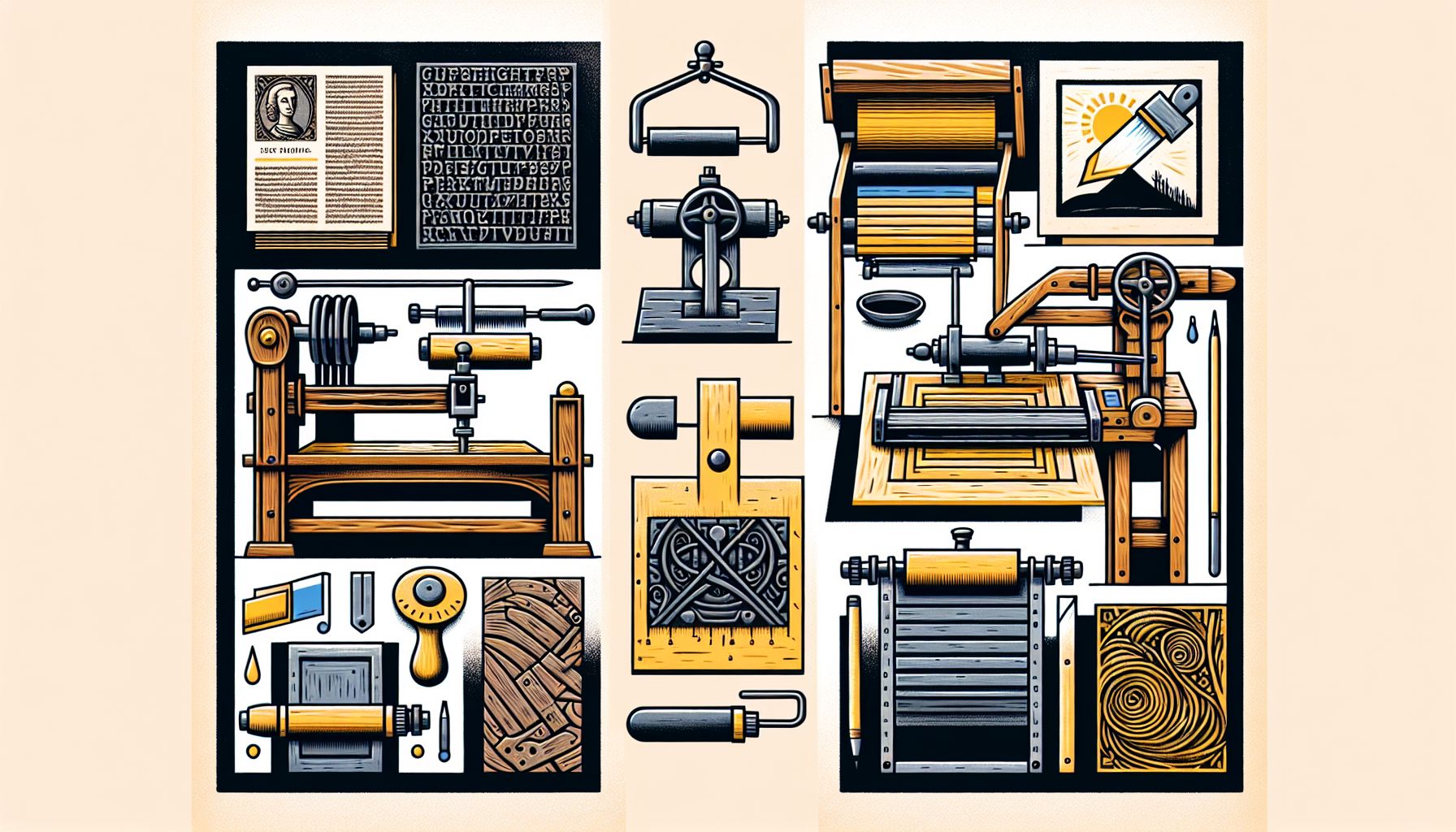
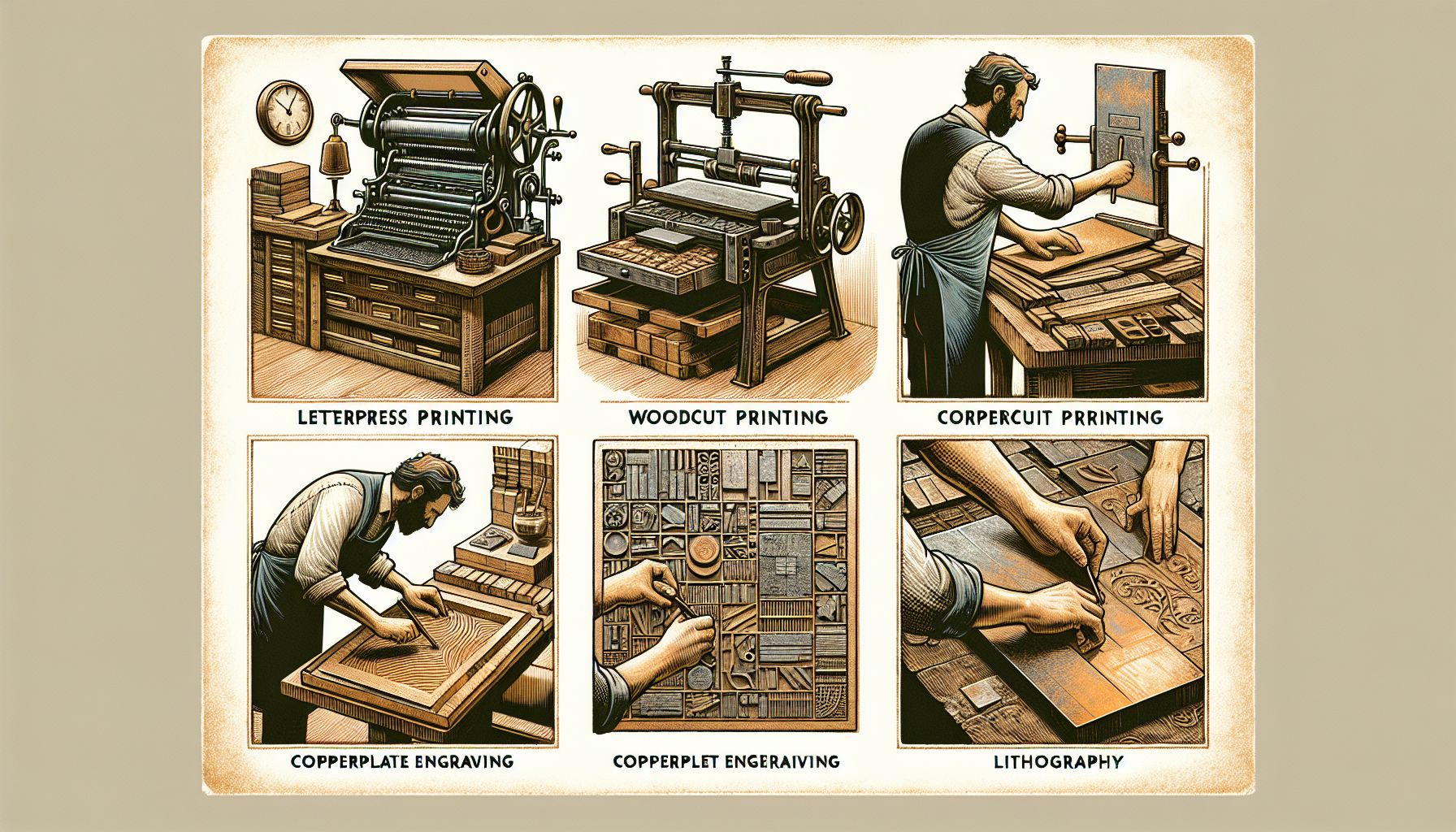
Letterpress printing is one of the oldest printing techniques, dating back to the 15th century. It involves pressing a raised surface, usually metal type, against paper to create an impression. Letterpress prints have a unique tactile quality and are often used for creating wedding invitations, business cards, and art prints.

Screen Printing

Screen printing, also known as silk screening, is a versatile printing technique that can be used on a variety of substrates, including paper, fabric, and metal. In this process, a stencil is created on a mesh screen, and ink is pushed through the stencil onto the substrate. Screen printing is popular for creating posters, apparel, and signage.

Woodcut

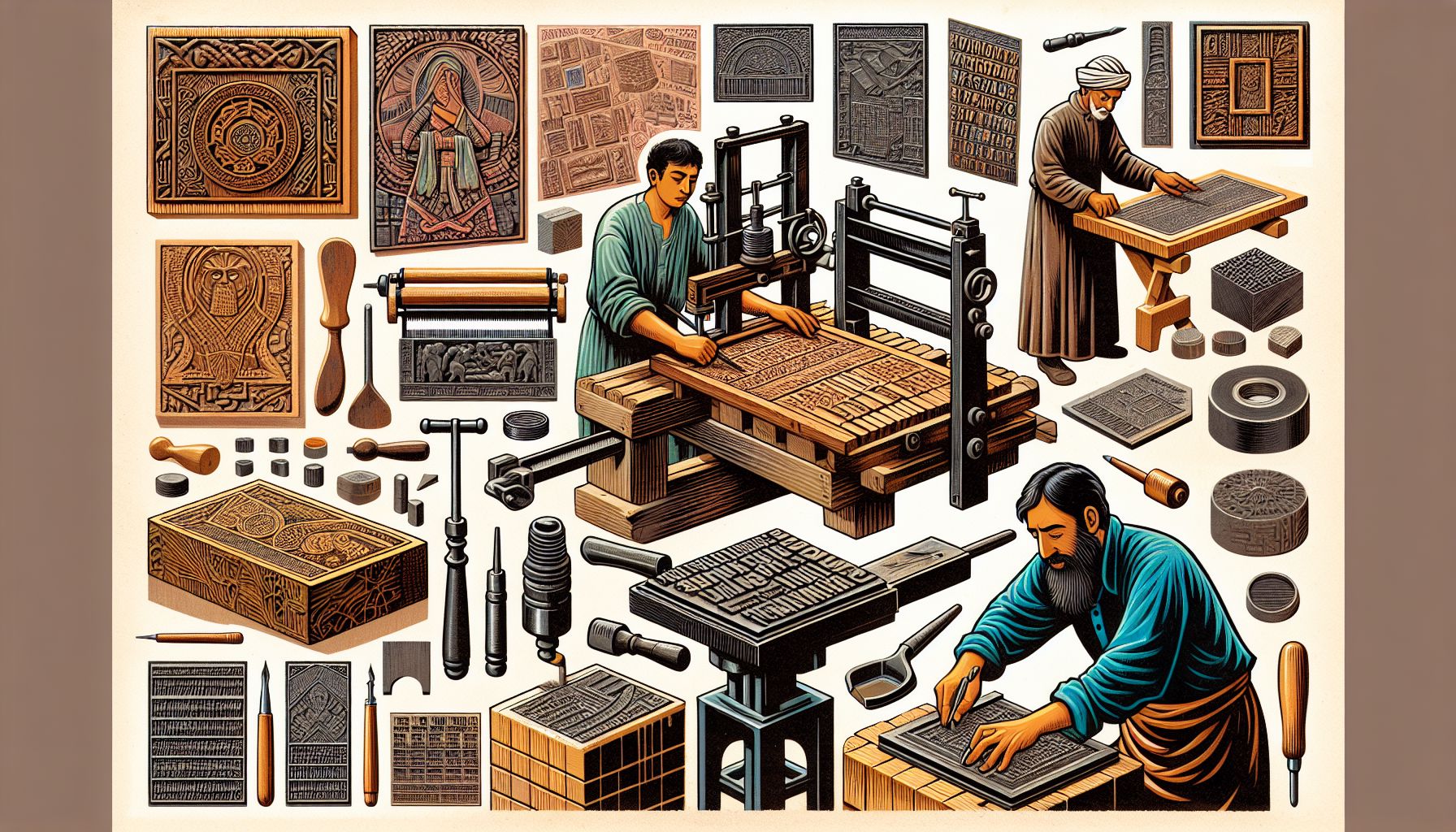
Woodcut printing is another traditional technique that involves carving an image into a block of wood. Ink is then applied to the block, and paper is pressed against it to transfer the image. Woodcut prints have a rustic and handmade look and are often used in fine art and book illustrations.

Modern Printing Techniques

Offset Printing

Offset printing is a widely used modern printing technique that produces high-quality prints with sharp detail and vibrant colors. In offset printing, the image is transferred from a plate to a rubber blanket and then onto the substrate. This indirect process allows for consistent and precise printing on a variety of materials.

Digital Printing

Digital printing is a modern printing technique that uses electronic files to reproduce images directly onto paper or other substrates. Unlike offset printing, digital printing does not require plates, making it a cost-effective option for short print runs and variable data printing. Digital printing is commonly used for brochures, business cards, and personalized merchandise.

3D Printing

3D printing is a cutting-edge printing technology that creates three-dimensional objects by layering material, such as plastic or metal, according to a digital design. 3D printing is revolutionizing industries such as manufacturing, healthcare, and architecture by enabling rapid prototyping and custom production.

Conclusion

Printing techniques have come a long way since the early days of letterpress and woodcut printing. Today, a wide range of traditional and modern printing techniques are available to suit different needs and budgets. Whether you are looking for a handmade aesthetic with letterpress or a high-volume print job with offset printing, there is a printing technique for every project. As technology continues to advance, we can only imagine what exciting new printing techniques the future holds.

My Blog

Exploring Printing Techniques: A Comprehensive Guide

Printing techniques have been around for centuries, evolving from traditional methods like woodcut and engraving to modern digital printing technology. From creating beautiful art prints to producing marketing materials, understanding the different printing techniques available can help you choose the best option for your specific needs. In this article, we will explore some of the most common printing techniques used today, their pros and cons, and how they can be applied in various industries.

Traditional Printing Techniques

Woodcut

Woodcut is one of the oldest printing techniques, dating back to ancient China. In this method, an image is carved into a block of wood, which is then inked and pressed onto paper. Woodcut prints have a distinct, rustic look with bold lines and textures. While woodcut is a labor-intensive process, it allows for precise details and can create unique, one-of-a-kind prints.

Engraving

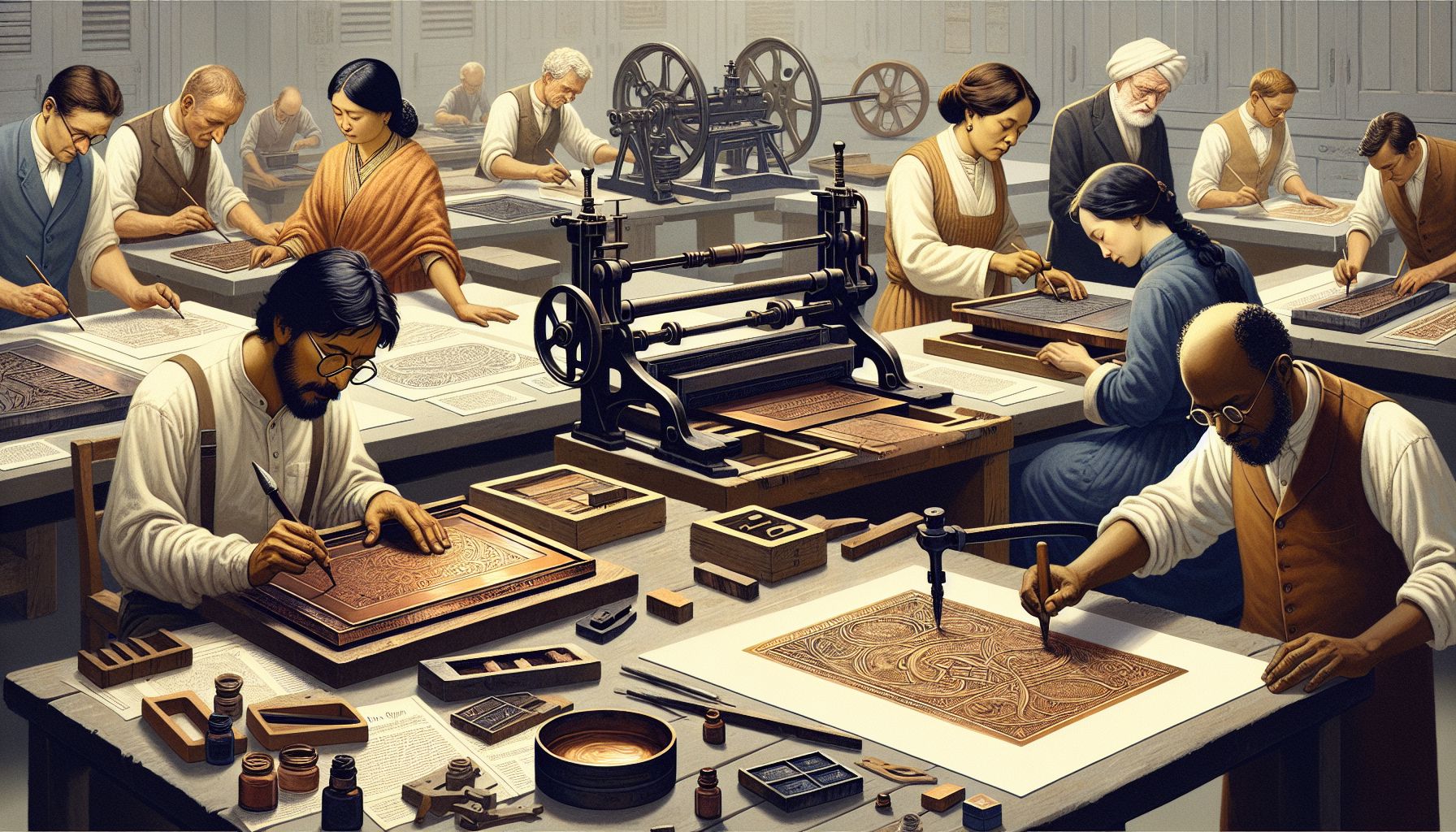
Engraving is another traditional printing technique that involves cutting an image into a metal plate using a sharp tool called a burin. The plate is then inked and pressed onto paper, creating a raised, tactile image. Engraving is often used for high-end stationery, wedding invitations, and business cards due to its elegant and luxurious appearance.

Lithography

Lithography is a printing technique based on the principle that oil and water do not mix. In this method, an image is drawn on a flat surface using an oil-based medium, such as a crayon or grease pencil. The surface is then moistened with water, which adheres to the untouched areas, while the oil-based image repels the water. Ink is applied to the surface, sticking only to the oily image, which is then transferred onto paper. Lithography is known for its vibrant colors and smooth gradients, making it popular for fine art prints and posters.

Digital Printing Techniques

Offset Printing

Offset printing is a popular commercial printing technique that uses a series of rollers to transfer ink from a plate onto a rubber blanket, which then presses the image onto paper. Offset printing is known for its high-quality, consistent results and is commonly used for large print runs like magazines, brochures, and catalogs. While offset printing can be more expensive upfront due to setup costs, the per-unit cost decreases with higher quantities, making it cost-effective for bulk orders.

Digital Printing

Digital printing is a modern printing technique that directly transfers digital files onto paper using inkjet or laser technology. Unlike offset printing, digital printing does not require plates or setup, making it ideal for short print runs and on-demand printing. Digital printing offers fast turnaround times, cost-effective pricing for small quantities, and the ability to customize each print with variable data. However, digital prints may not have the same level of color accuracy and detail as offset prints.

Specialty Printing Techniques

Screen Printing

Screen printing, also known as silk screening, is a versatile printing technique that involves pushing ink through a mesh screen onto a substrate, like paper, fabric, or plastic. Screen printing is popular for its vibrant colors, durability, and ability to print on a wide range of materials. It is commonly used for t-shirts, posters, signage, and packaging. Screen printing can also create unique effects, like metallic inks, puff ink, and glow-in-the-dark ink, making it a favorite among artists and designers.

Letterpress

Letterpress is a timeless printing technique that involves pressing raised type or image into paper to create a debossed effect. Originally used for printing books and newspapers, letterpress has made a comeback in recent years for its tactile, vintage charm. Letterpress is often used for wedding invitations, business cards, and fine art prints, where the deep impression adds a touch of elegance and sophistication.

Conclusion

Printing techniques are a crucial aspect of the design and production process, influencing the quality, cost, and outcome of printed materials. Whether you are creating art prints, marketing materials, or personal stationery, understanding the different printing techniques available can help you achieve the desired results. From traditional methods like woodcut and engraving to modern digital printing technology, each technique offers unique benefits and applications. By choosing the right printing technique for your project, you can ensure that your prints are visually stunning, high-quality, and tailored to your specific needs.

My Blog

Exploring the World of Printing Techniques: From Traditional to Modern

Printing techniques have evolved significantly over the years, with advancements in technology transforming the way we reproduce images and text on various surfaces. From traditional methods such as letterpress and screen printing to modern digital printing technologies, there are a wide range of techniques available to suit different needs and budgets. In this article, we will explore some of the most popular printing techniques used today, their characteristics, applications, and the pros and cons of each.

Traditional Printing Techniques

1. Letterpress Printing

Letterpress printing is one of the oldest printing techniques, dating back to the 15th century. It involves pressing raised metal type or plates onto paper to create an impression. Letterpress printing is known for its elegant and timeless look, making it popular for wedding invitations, business cards, and other high-end stationery. However, it can be time-consuming and expensive due to the manual labor involved.

2. Offset Printing

Offset printing, also known as lithography, is a widely used commercial printing method that involves transferring an image onto a rubber blanket before printing it onto a surface. This technique allows for high-quality, consistent prints at a relatively low cost, making it suitable for large print runs such as magazines, brochures, and newspapers. However, offset printing requires specialized equipment and skilled operators.

Modern Printing Techniques

1. Digital Printing

Digital printing has revolutionized the printing industry by allowing for quick and cost-effective printing of small to medium-sized runs. This technique involves transferring digital files directly to the printing press, eliminating the need for costly setup fees and making it ideal for on-demand printing. Digital printing also offers flexibility in terms of customization, allowing for variable data printing and personalization. However, digital printing may not always achieve the same level of color accuracy and consistency as offset printing.

2. Screen Printing

Screen printing is a versatile printing technique that involves creating a stencil on a mesh screen and transferring ink onto a surface through the openings in the stencil. It is commonly used for printing on textiles, apparel, signage, and promotional products. Screen printing offers vibrant colors, durability, and the ability to print on a wide variety of substrates. However, it can be labor-intensive and may not be cost-effective for small print runs.

Specialty Printing Techniques

1. Embossing and Debossing

Embossing and debossing are processes that create a raised or recessed design on paper or other materials. These techniques add a tactile and luxurious feel to printed materials, making them ideal for business cards, invitations, and packaging. Embossing involves pressing the paper from the back to raise the design, while debossing involves pressing the paper from the front to recess the design.

2. Foil Stamping

Foil stamping is a decorative printing technique that involves applying a metallic foil to a surface using heat and pressure. This process creates a shiny and eye-catching finish that is often used for embellishing packaging, business cards, and wedding invitations. Foil stamping offers a wide range of colors and finishes, including gold, silver, and holographic foils.

Conclusion

Printing techniques play a crucial role in bringing ideas to life and communicating messages effectively. Whether you are looking for a traditional, modern, or specialty printing technique, there are options available to suit every need and budget. Each technique has its own unique characteristics, applications, and advantages, so it is important to carefully consider your requirements before selecting a printing method. By understanding the different printing techniques and their pros and cons, you can make informed decisions to achieve the desired results for your projects.

My Blog

Exploring Different Printing Techniques

Printing techniques have evolved significantly over the years, offering a wide range of options to cater to different needs and preferences. From traditional methods like offset printing to modern techniques such as digital printing, there are various ways to bring your designs to life on paper. In this article, we will explore some of the most popular printing techniques, their benefits, and when to use them.

Offset Printing

Offset printing, also known as lithography, is one of the oldest and most widely used printing techniques. It involves transferring ink from a plate to a rubber blanket, then onto the printing surface. This method is ideal for large quantities of prints, as it is cost-effective and produces high-quality results. Offset printing is commonly used for newspapers, magazines, brochures, and business cards.

One of the main advantages of offset printing is its ability to reproduce vibrant colors and intricate details with precision. The process also allows for a wide range of paper options, including glossy, matte, and textured finishes. However, offset printing requires more time for setup and is not ideal for small print runs.

Digital Printing

Digital printing has gained popularity in recent years due to its speed and cost-effectiveness, especially for short print runs. This technique involves directly transferring digital files onto paper, eliminating the need for plates and setup time. Digital printing is ideal for on-demand printing, personalized materials, and prototypes.

With digital printing, you can easily make changes to your design without incurring additional costs, making it a flexible option for small businesses and individuals. The process also offers quick turnaround times and is environmentally friendly, as it produces less waste compared to offset printing. However, digital printing may not be suitable for large print runs or projects that require special finishes.

Screen Printing

Screen printing, also known as silk screening, is a versatile printing technique that works well on a variety of materials, including paper, fabric, and plastic. This method involves using a mesh screen to transfer ink onto the printing surface, one color at a time. Screen printing is popular for producing vibrant, long-lasting prints with high opacity.

Screen printing is often used for posters, T-shirts, and packaging materials, as it can create bold designs and special effects like metallic inks and textures. This technique is best suited for medium to large print runs, as the setup process can be time-consuming and costly for small quantities. Screen printing is also ideal for projects that require vibrant colors and durable finishes.

Flexography

Flexography, or flexo printing, is a modern printing technique that uses flexible relief plates to transfer ink onto various substrates. This method is commonly used for packaging materials, labels, and corrugated boxes, as it can print on a wide range of surfaces, including uneven and non-porous materials. Flexography offers fast printing speeds and is cost-effective for large print runs.

Flexo printing is known for its versatility and ability to produce high-quality prints with sharp images and consistent colors. This technique is ideal for projects that require vibrant colors, fine details, and fast turnaround times. However, flexography may not be suitable for projects that require intricate designs or specialty finishes.

Conclusion

In conclusion, there are various printing techniques available to suit different needs and preferences. Whether you need high-quality prints for a large print run or quick turnaround times for a small project, there is a printing method that can meet your requirements. By understanding the benefits and limitations of each technique, you can make an informed decision on which one to use for your next printing project. Whether you choose offset printing, digital printing, screen printing, or flexography, you can trust that your designs will come to life with precision and clarity. Happy printing!

My Blog

Exploring Different Printing Techniques for High-Quality Prints

Printing techniques have advanced significantly over the years, offering a wide range of options for creating high-quality prints. Whether you’re a photographer looking to showcase your work or a business owner in need of marketing materials, understanding the different printing techniques available can help you achieve the desired results. In this article, we will explore some of the most popular printing techniques used today and discuss their unique characteristics and benefits.

Introduction to Printing Techniques

Printing techniques can be broadly categorized into two main categories: digital printing and traditional printing. Digital printing, as the name suggests, involves printing directly from a digital file onto the desired material, such as paper or fabric. This process is ideal for short print runs and customizations, as it does not require the use of printing plates or screens.

Traditional printing, on the other hand, encompasses a wide range of techniques that have been used for centuries to create prints. These techniques include offset printing, letterpress, and screen printing, among others. While traditional printing methods may be more time-consuming and expensive than digital printing, they offer unique characteristics and qualities that cannot be replicated digitally.

Popular Printing Techniques

Digital Printing

Digital printing has become increasingly popular in recent years due to its flexibility and cost-effectiveness. This printing technique allows for quick turnaround times and the ability to print small quantities at a relatively low cost. Digital prints are known for their sharpness and clarity, making them ideal for photographs and detailed graphics.

One of the key advantages of digital printing is the ability to customize each print with variable data, such as names or addresses. This makes digital printing ideal for direct mail campaigns and personalized marketing materials. Additionally, digital prints can be produced on a wide range of materials, including paper, canvas, and vinyl.

Offset Printing

Offset printing is a traditional printing technique that involves transferring ink from a plate onto a rubber blanket, which then transfers the ink onto the desired material. This process allows for high-quality prints with crisp details and vibrant colors. Offset printing is ideal for large print runs and is commonly used for brochures, magazines, and packaging.

One of the main advantages of offset printing is its cost-effectiveness for large quantities. The setup costs for offset printing can be higher than digital printing, but the per-unit cost decreases significantly with higher print volumes. Additionally, offset prints have a consistent quality and color accuracy, making them a popular choice for professional printing projects.

Screen Printing

Screen printing is another traditional printing technique that involves pushing ink through a stencil onto the material. This process allows for bold, opaque prints with vibrant colors and a unique texture. Screen printing is commonly used for apparel, posters, and promotional products.

One of the main benefits of screen printing is its versatility in printing on various materials, including fabric, paper, and plastic. Screen prints are durable and long-lasting, making them ideal for items that will be washed or used frequently. While screen printing may be more labor-intensive than digital printing, the results are often worth the extra effort.

Choosing the Right Printing Technique

When selecting a printing technique for your project, consider the following factors:

  • Budget: Digital printing is typically more cost-effective for small print runs, while offset printing may be more economical for large quantities.
  • Material: Different printing techniques are suited for different materials, so consider the type of material you will be printing on.
  • Quality: Evaluate the level of detail and color accuracy required for your prints, as different printing techniques offer varying levels of quality.
  • Turnaround time: Digital printing offers quick turnaround times, while traditional printing methods may require more time for setup and production.

By considering these factors and researching the different printing techniques available, you can select the right method for creating high-quality prints that meet your specific needs.

Conclusion

Printing techniques have come a long way since the early days of printing presses, offering a wide range of options for creating high-quality prints. Whether you prefer the flexibility of digital printing or the unique qualities of traditional techniques like offset printing and screen printing, there is a printing technique suited for every project.

By understanding the characteristics and benefits of each printing technique, you can make an informed decision when selecting the best method for your printing projects. Whether you’re looking to create custom marketing materials, fine art prints, or promotional products, exploring the different printing techniques available can help you achieve the desired results with precision and quality.

My Blog

Exploring Different Printing Techniques

Printing has been a crucial part of human communication and expression for centuries. From the early days of woodblock printing in China to the sophisticated digital printing methods of today, the evolution of printing techniques has been remarkable. In this article, we will delve into some of the most common printing techniques used in the industry today, discussing their pros and cons and exploring how they can be utilized to achieve various artistic and practical outcomes.

Introduction to Printing Techniques

Printing techniques can broadly be categorized into traditional and modern methods. Traditional printing techniques, such as woodblock printing, letterpress, and screen printing, rely on manual processes and physical materials to transfer ink onto a surface. Modern printing techniques, on the other hand, involve digital technologies and automation to achieve high-quality, consistent results.

Traditional Printing Techniques

1. Woodblock Printing

Woodblock printing is one of the oldest printing techniques, dating back to ancient China. It involves carving a design into a wooden block, applying ink to the block, and pressing it onto paper or fabric to transfer the design. Woodblock printing can create intricate patterns and textures, making it a popular choice for art prints and textile designs.

2. Letterpress

Letterpress printing uses a raised surface, typically metal type or plates, to transfer ink onto paper. The raised surface is pressed onto the paper to create an impression, resulting in a distinct tactile quality. Letterpress printing is commonly used for wedding invitations, business cards, and fine art prints.

3. Screen Printing

Screen printing, also known as silkscreen printing, involves creating a stencil on a mesh screen and then using a squeegee to force ink through the stencil onto a substrate. Screen printing is versatile and can be used on a variety of materials, including paper, fabric, and plastic. It is popular for creating posters, T-shirts, and signage.

Modern Printing Techniques

1. Offset Printing

Offset printing is a widely used commercial printing technique that involves transferring ink from a plate to a rubber blanket before applying it to the printing surface. This indirect printing method allows for high-quality, consistent results and is suitable for large print runs. Offset printing is commonly used for books, magazines, and brochures.

2. Digital Printing

Digital printing eliminates the need for printing plates by transferring digital files directly onto the printing surface. This method is cost-effective for small print runs and allows for quick turnaround times and customization options. Digital printing is ideal for personalized products, such as business cards, flyers, and photo books.

3. 3D Printing

3D printing, also known as additive manufacturing, is a cutting-edge printing technique that builds up layers of material to create three-dimensional objects. 3D printing allows for intricate designs and complex geometries that traditional manufacturing methods cannot achieve. This technology is used in various industries, including automotive, aerospace, and healthcare.

Choosing the Right Printing Technique

When selecting a printing technique for a project, several factors should be considered, including the desired outcome, budget, timeline, and type of material. Traditional printing techniques may offer a handcrafted, artisanal feel, while modern printing techniques provide efficiency and scalability. By understanding the strengths and limitations of each printing technique, you can make an informed decision that aligns with your project goals.

In conclusion, printing techniques have come a long way since the days of woodblock printing, with a wide range of options available to suit different applications and preferences. Whether you opt for the timeless charm of letterpress or the versatility of digital printing, each technique has its unique benefits and can help you bring your creative visions to life. By exploring and experimenting with various printing techniques, you can discover new possibilities and elevate your printed materials to the next level.

My Blog

Exploring the World of Printing Techniques

In today’s digital age, printing has evolved far beyond traditional methods. From offset printing to digital printing, there are a myriad of techniques available for creating high-quality prints. Whether you’re a business looking to produce marketing materials or an artist seeking to showcase your work, understanding the different printing techniques can help you achieve the desired results. In this blog post, we’ll explore some of the most popular printing techniques and their unique advantages.

Offset Printing

Offset printing, also known as lithography, is one of the most commonly used printing techniques for producing high-volume prints. This method involves transferring ink from a plate onto a rubber blanket, which then transfers the ink to the printing surface. Offset printing is known for its crisp lines, vibrant colors, and consistent results, making it ideal for a wide range of print materials, from brochures to posters.

One of the main advantages of offset printing is its cost-effectiveness for large print runs. Because the setup costs are higher than digital printing, offset printing is most economical when producing a large quantity of prints. Additionally, offset printing allows for a wider range of paper options and finishing techniques, such as embossing and foiling, giving prints a professional and polished look.

Digital Printing

Digital printing has revolutionized the printing industry by offering a cost-effective and efficient solution for short print runs. This method uses digital files to directly print onto a variety of substrates, eliminating the need for plates and setup costs associated with offset printing. Digital printing is particularly well-suited for on-demand printing, variable data printing, and quick turnaround times.

One of the key advantages of digital printing is its ability to produce high-quality prints with minimal setup time. Digital printers can print small quantities of prints quickly and cost-effectively, making it a popular choice for businesses with tight deadlines or budget constraints. Additionally, digital printing allows for easy customization, making it a great option for personalized marketing materials or unique artistic prints.

Screen Printing

Screen printing, also known as silk screening, is a versatile printing technique that uses a mesh screen to transfer ink onto a substrate. This method is commonly used for printing on textiles, such as t-shirts and bags, as well as posters, signage, and other promotional materials. Screen printing allows for vibrant colors, durability, and the ability to print on a variety of surfaces.

One of the main advantages of screen printing is its ability to create bold and eye-catching designs. Screen printing is ideal for prints that require a high level of detail or multiple colors, as the ink can be layered to create unique effects. Additionally, screen printing is a durable and long-lasting option, making it a popular choice for items that will be washed or handled frequently.

Flexography

Flexography, or flexo printing, is a popular choice for printing packaging materials, labels, and other flexible substrates. This method uses flexible relief plates to transfer ink onto a variety of surfaces, including plastic, paper, and cardboard. Flexography is known for its fast production speed, high print quality, and ability to print on a wide range of substrates.

One of the main advantages of flexography is its cost-effectiveness for large print runs. Flexo printing can produce high-quality prints at a lower cost per unit than other printing methods, making it a cost-effective option for businesses that require large quantities of packaging or labels. Additionally, flexography allows for quick drying times and the ability to use a variety of inks, including water-based and UV-curable inks.

Conclusion

Printing techniques have come a long way from traditional methods to modern digital solutions. Each printing technique offers unique advantages and applications, depending on the desired outcome and budget. Whether you’re looking to produce marketing materials, packaging, or artistic prints, understanding the different printing techniques can help you achieve the best results for your project. By exploring the world of printing techniques, you can find the perfect method to bring your ideas to life in vibrant colors and high-quality prints.

My Blog

Exploring Different Printing Techniques

Printing is a crucial part of advertising and marketing materials, and choosing the right printing technique can make a significant difference in the quality and appeal of the final product. There are various printing techniques available, each with its own unique advantages and applications. In this article, we will explore some of the most popular printing techniques used in the industry today.

Introduction to Printing Techniques

Printing techniques have evolved over the years, from traditional methods like offset printing to newer digital printing technologies. Each technique offers its own set of advantages and limitations, depending on factors such as cost, quality, turnaround time, and the type of project being printed.

Types of Printing Techniques

1. Offset Printing

Offset printing is a traditional printing technique that involves transferring an inked image from a plate onto a rubber blanket, which then rolls the image onto the printing surface. This method is known for its high-quality results, vibrant colors, and cost-effectiveness for large print runs. Offset printing is ideal for projects like brochures, magazines, and stationery.

2. Digital Printing

Digital printing is a modern printing technique that uses digital files to print images directly onto the printing surface. This method is quick, cost-effective, and ideal for short print runs or projects that require variable data printing. Digital printing is commonly used for items like business cards, flyers, and posters.

3. Screen Printing

Screen printing is a versatile printing technique that involves pushing ink through a stencil onto the printing surface. This method is popular for its ability to print on a variety of materials, including paper, fabric, and plastic. Screen printing is commonly used for apparel, signage, and promotional items.

4. Flexography

Flexography is a printing technique that uses flexible relief plates to transfer ink onto the printing surface. This method is commonly used for packaging materials like labels, cartons, and bags. Flexography is known for its high-speed printing capabilities and ability to print on a variety of substrates.

5. Gravure Printing

Gravure printing is a high-quality printing technique that uses engraved cylinders to transfer ink onto the printing surface. This method is ideal for projects like magazines, catalogs, and packaging. Gravure printing offers exceptional color reproduction and is well-suited for large print runs.

6. Letterpress Printing

Letterpress printing is a traditional printing technique that involves pressing inked type or images onto the printing surface. This method is known for its tactile feel and vintage aesthetic. Letterpress printing is commonly used for greeting cards, invitations, and specialty stationery.

Conclusion

Choosing the right printing technique for your project is essential to achieving the desired result. Whether you opt for offset printing for high-quality images, digital printing for quick turnaround times, or screen printing for versatile applications, each technique offers its own unique set of advantages. By understanding the different printing techniques available, you can make an informed decision that will ensure the success of your next printing project.