
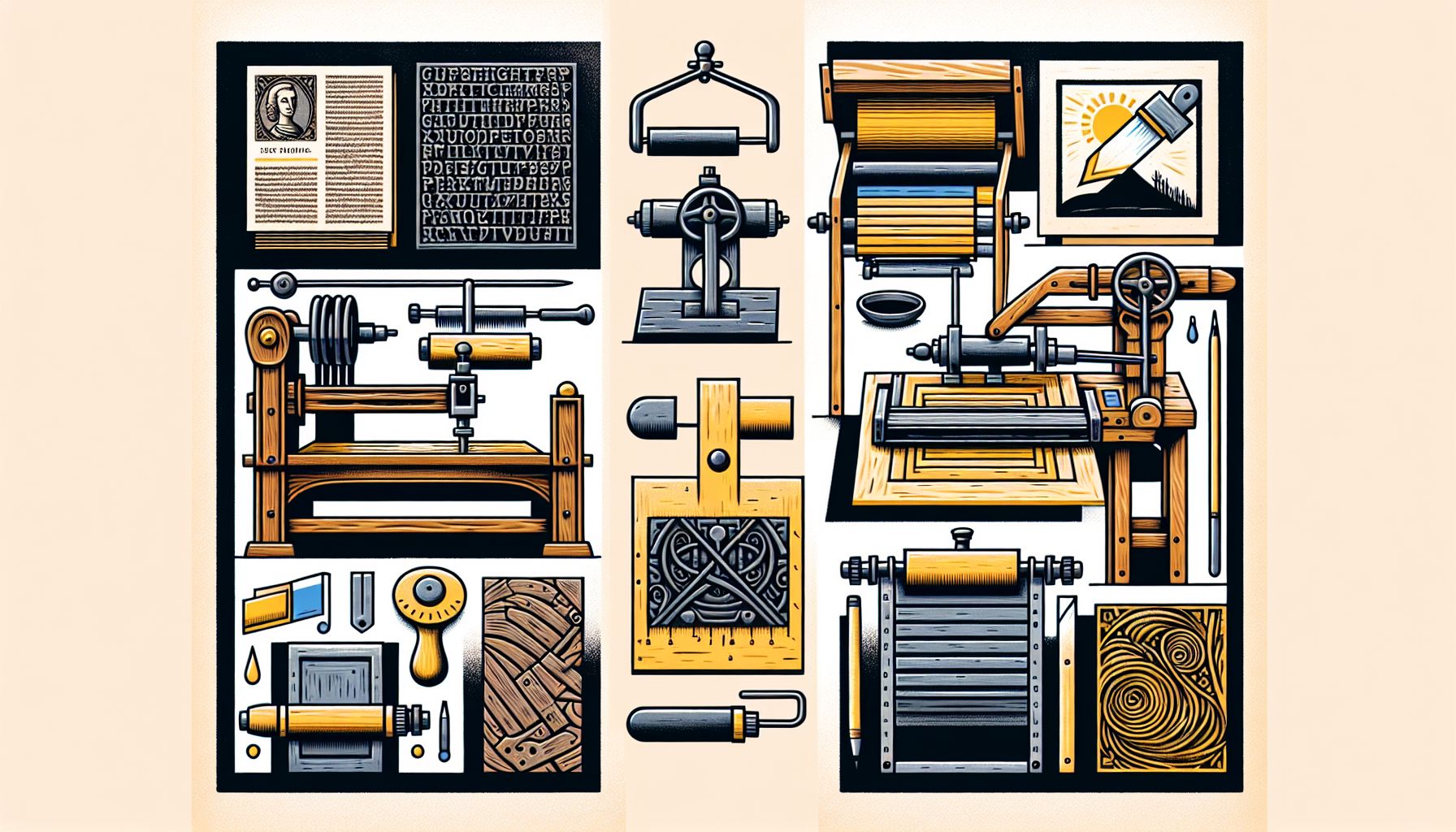
Exploring Different Printing Techniques
Printing has been a crucial part of human communication and expression for centuries. From the early days of woodblock printing in China to the sophisticated digital printing methods of today, the evolution of printing techniques has been remarkable. In this article, we will delve into some of the most common printing techniques used in the industry today, discussing their pros and cons and exploring how they can be utilized to achieve various artistic and practical outcomes.
Introduction to Printing Techniques
Printing techniques can broadly be categorized into traditional and modern methods. Traditional printing techniques, such as woodblock printing, letterpress, and screen printing, rely on manual processes and physical materials to transfer ink onto a surface. Modern printing techniques, on the other hand, involve digital technologies and automation to achieve high-quality, consistent results.
Traditional Printing Techniques
1. Woodblock Printing
Woodblock printing is one of the oldest printing techniques, dating back to ancient China. It involves carving a design into a wooden block, applying ink to the block, and pressing it onto paper or fabric to transfer the design. Woodblock printing can create intricate patterns and textures, making it a popular choice for art prints and textile designs.
2. Letterpress
Letterpress printing uses a raised surface, typically metal type or plates, to transfer ink onto paper. The raised surface is pressed onto the paper to create an impression, resulting in a distinct tactile quality. Letterpress printing is commonly used for wedding invitations, business cards, and fine art prints.
3. Screen Printing
Screen printing, also known as silkscreen printing, involves creating a stencil on a mesh screen and then using a squeegee to force ink through the stencil onto a substrate. Screen printing is versatile and can be used on a variety of materials, including paper, fabric, and plastic. It is popular for creating posters, T-shirts, and signage.
Modern Printing Techniques
1. Offset Printing
Offset printing is a widely used commercial printing technique that involves transferring ink from a plate to a rubber blanket before applying it to the printing surface. This indirect printing method allows for high-quality, consistent results and is suitable for large print runs. Offset printing is commonly used for books, magazines, and brochures.
2. Digital Printing
Digital printing eliminates the need for printing plates by transferring digital files directly onto the printing surface. This method is cost-effective for small print runs and allows for quick turnaround times and customization options. Digital printing is ideal for personalized products, such as business cards, flyers, and photo books.
3. 3D Printing
3D printing, also known as additive manufacturing, is a cutting-edge printing technique that builds up layers of material to create three-dimensional objects. 3D printing allows for intricate designs and complex geometries that traditional manufacturing methods cannot achieve. This technology is used in various industries, including automotive, aerospace, and healthcare.
Choosing the Right Printing Technique
When selecting a printing technique for a project, several factors should be considered, including the desired outcome, budget, timeline, and type of material. Traditional printing techniques may offer a handcrafted, artisanal feel, while modern printing techniques provide efficiency and scalability. By understanding the strengths and limitations of each printing technique, you can make an informed decision that aligns with your project goals.
In conclusion, printing techniques have come a long way since the days of woodblock printing, with a wide range of options available to suit different applications and preferences. Whether you opt for the timeless charm of letterpress or the versatility of digital printing, each technique has its unique benefits and can help you bring your creative visions to life. By exploring and experimenting with various printing techniques, you can discover new possibilities and elevate your printed materials to the next level.