
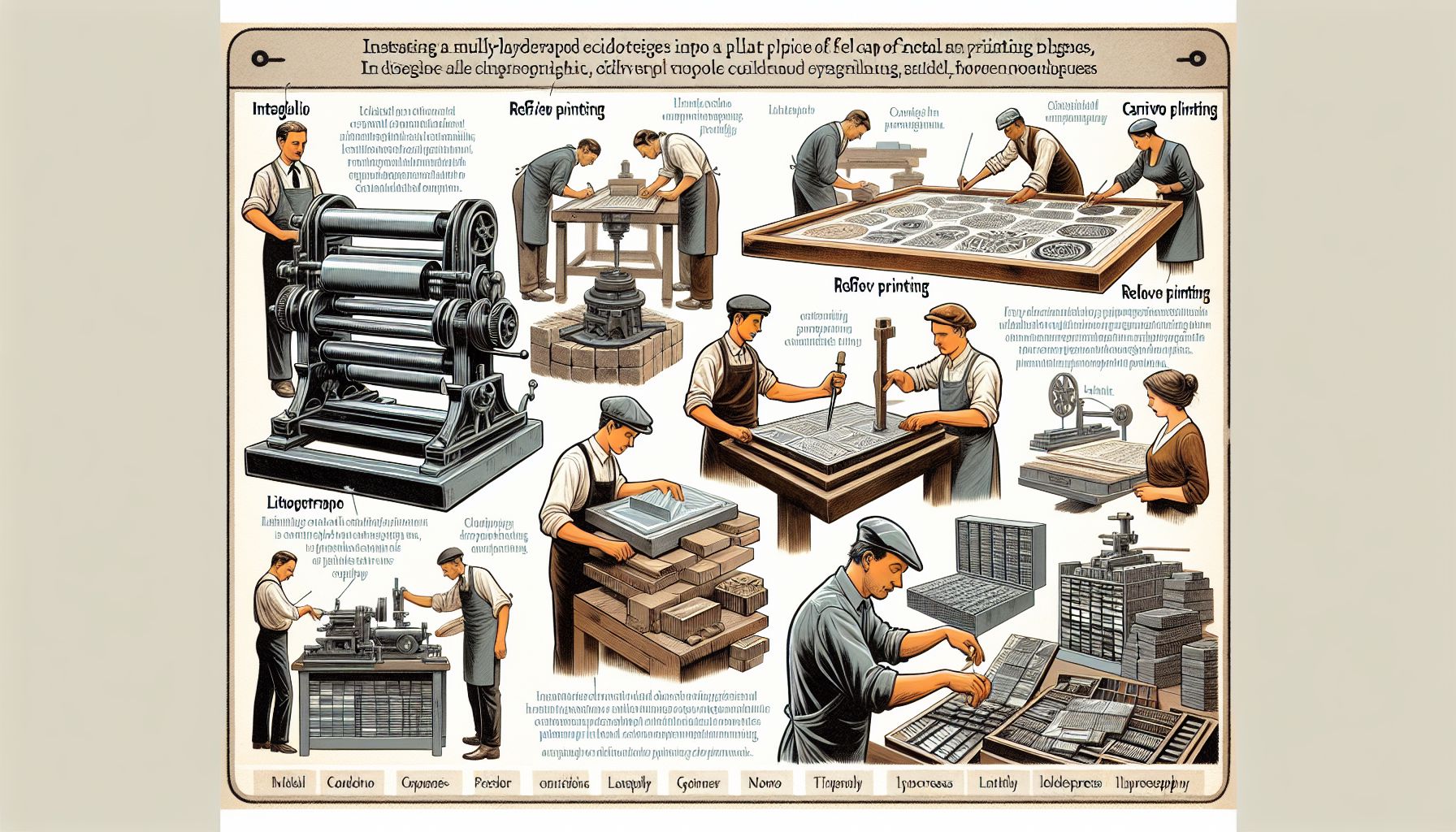
Exploring Different Printing Techniques
Printing techniques have evolved significantly over the years, offering a wide range of options to cater to different needs and preferences. From traditional methods like offset printing to modern techniques such as digital printing, there are various ways to bring your designs to life on paper. In this article, we will explore some of the most popular printing techniques, their benefits, and when to use them.
Offset Printing
Offset printing, also known as lithography, is one of the oldest and most widely used printing techniques. It involves transferring ink from a plate to a rubber blanket, then onto the printing surface. This method is ideal for large quantities of prints, as it is cost-effective and produces high-quality results. Offset printing is commonly used for newspapers, magazines, brochures, and business cards.
One of the main advantages of offset printing is its ability to reproduce vibrant colors and intricate details with precision. The process also allows for a wide range of paper options, including glossy, matte, and textured finishes. However, offset printing requires more time for setup and is not ideal for small print runs.
Digital Printing
Digital printing has gained popularity in recent years due to its speed and cost-effectiveness, especially for short print runs. This technique involves directly transferring digital files onto paper, eliminating the need for plates and setup time. Digital printing is ideal for on-demand printing, personalized materials, and prototypes.
With digital printing, you can easily make changes to your design without incurring additional costs, making it a flexible option for small businesses and individuals. The process also offers quick turnaround times and is environmentally friendly, as it produces less waste compared to offset printing. However, digital printing may not be suitable for large print runs or projects that require special finishes.
Screen Printing
Screen printing, also known as silk screening, is a versatile printing technique that works well on a variety of materials, including paper, fabric, and plastic. This method involves using a mesh screen to transfer ink onto the printing surface, one color at a time. Screen printing is popular for producing vibrant, long-lasting prints with high opacity.
Screen printing is often used for posters, T-shirts, and packaging materials, as it can create bold designs and special effects like metallic inks and textures. This technique is best suited for medium to large print runs, as the setup process can be time-consuming and costly for small quantities. Screen printing is also ideal for projects that require vibrant colors and durable finishes.
Flexography
Flexography, or flexo printing, is a modern printing technique that uses flexible relief plates to transfer ink onto various substrates. This method is commonly used for packaging materials, labels, and corrugated boxes, as it can print on a wide range of surfaces, including uneven and non-porous materials. Flexography offers fast printing speeds and is cost-effective for large print runs.
Flexo printing is known for its versatility and ability to produce high-quality prints with sharp images and consistent colors. This technique is ideal for projects that require vibrant colors, fine details, and fast turnaround times. However, flexography may not be suitable for projects that require intricate designs or specialty finishes.
Conclusion
In conclusion, there are various printing techniques available to suit different needs and preferences. Whether you need high-quality prints for a large print run or quick turnaround times for a small project, there is a printing method that can meet your requirements. By understanding the benefits and limitations of each technique, you can make an informed decision on which one to use for your next printing project. Whether you choose offset printing, digital printing, screen printing, or flexography, you can trust that your designs will come to life with precision and clarity. Happy printing!