
Exploring Different Printing Techniques
Printing is a crucial part of advertising and marketing materials, and choosing the right printing technique can make a significant difference in the quality and appeal of the final product. There are various printing techniques available, each with its own unique advantages and applications. In this article, we will explore some of the most popular printing techniques used in the industry today.
Introduction to Printing Techniques
Printing techniques have evolved over the years, from traditional methods like offset printing to newer digital printing technologies. Each technique offers its own set of advantages and limitations, depending on factors such as cost, quality, turnaround time, and the type of project being printed.
Types of Printing Techniques
1. Offset Printing
Offset printing is a traditional printing technique that involves transferring an inked image from a plate onto a rubber blanket, which then rolls the image onto the printing surface. This method is known for its high-quality results, vibrant colors, and cost-effectiveness for large print runs. Offset printing is ideal for projects like brochures, magazines, and stationery.
2. Digital Printing
Digital printing is a modern printing technique that uses digital files to print images directly onto the printing surface. This method is quick, cost-effective, and ideal for short print runs or projects that require variable data printing. Digital printing is commonly used for items like business cards, flyers, and posters.
3. Screen Printing
Screen printing is a versatile printing technique that involves pushing ink through a stencil onto the printing surface. This method is popular for its ability to print on a variety of materials, including paper, fabric, and plastic. Screen printing is commonly used for apparel, signage, and promotional items.
4. Flexography
Flexography is a printing technique that uses flexible relief plates to transfer ink onto the printing surface. This method is commonly used for packaging materials like labels, cartons, and bags. Flexography is known for its high-speed printing capabilities and ability to print on a variety of substrates.
5. Gravure Printing
Gravure printing is a high-quality printing technique that uses engraved cylinders to transfer ink onto the printing surface. This method is ideal for projects like magazines, catalogs, and packaging. Gravure printing offers exceptional color reproduction and is well-suited for large print runs.
6. Letterpress Printing
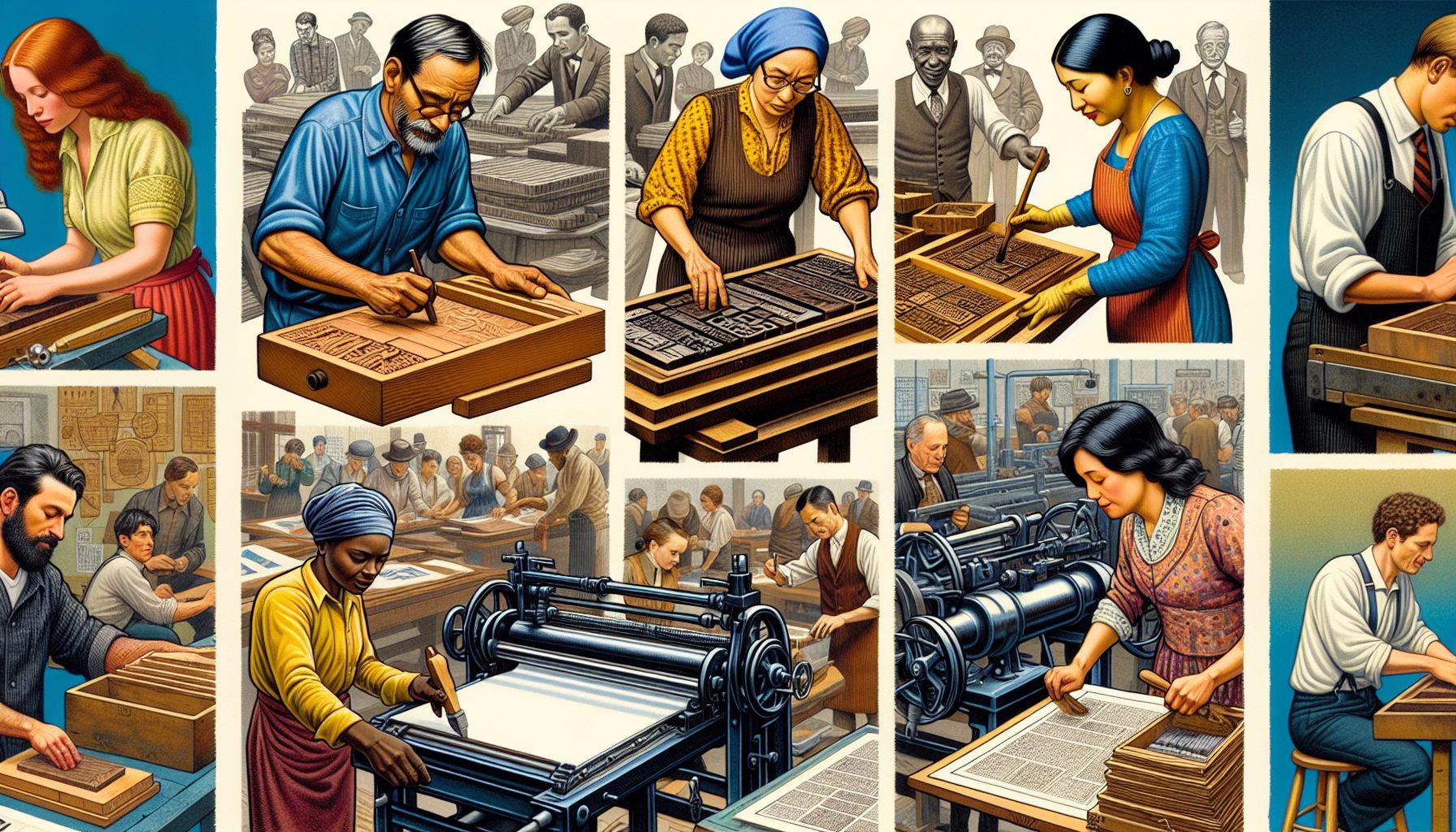
Letterpress printing is a traditional printing technique that involves pressing inked type or images onto the printing surface. This method is known for its tactile feel and vintage aesthetic. Letterpress printing is commonly used for greeting cards, invitations, and specialty stationery.
Conclusion
Choosing the right printing technique for your project is essential to achieving the desired result. Whether you opt for offset printing for high-quality images, digital printing for quick turnaround times, or screen printing for versatile applications, each technique offers its own unique set of advantages. By understanding the different printing techniques available, you can make an informed decision that will ensure the success of your next printing project.