
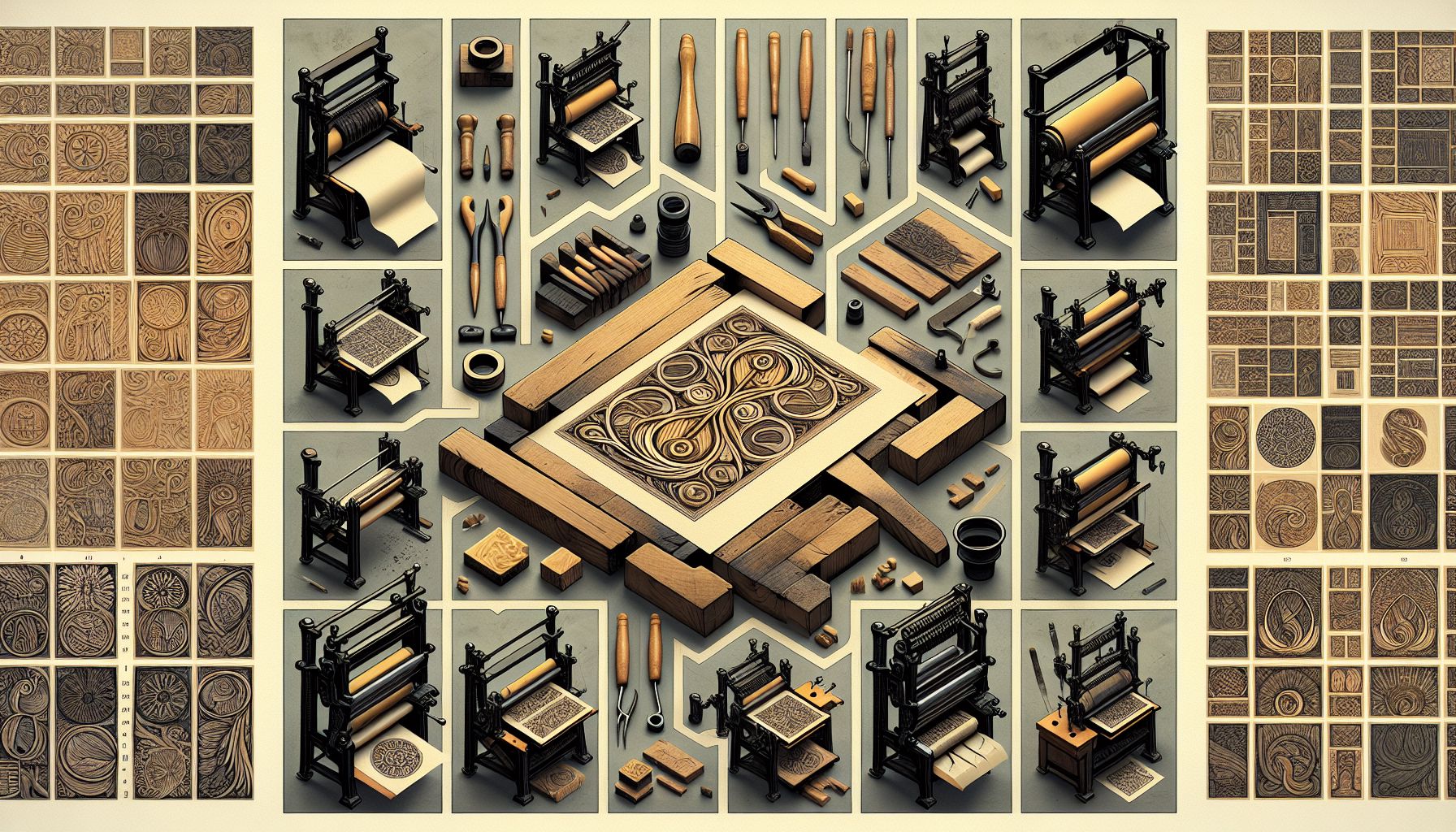
Printing Techniques: Exploring the Art of Reproduction
In today’s digitally inclined era, printing techniques may seem like an archaic art form. However, the world of printing is still alive and thriving with a multitude of exciting and intricate methods that continue to captivate artists, designers, and enthusiasts alike. From the traditional to the cutting-edge, this blog post will take you on a journey through the fascinating world of printing techniques, showcasing the rich history, distinct processes, and artistic possibilities that each method offers.
Introduction
Printing techniques have shaped human communication and artistic expression for centuries. From the early days of woodblock prints in ancient China to the rapid advancements in digital printing technology, the art of reproduction has evolved in countless ways. These techniques not only serve practical purposes like advertising, packaging, and publishing but also provide artists with a medium for their creativity to flourish. Today, we have an assortment of printing techniques at our disposal, each offering unique characteristics that cater to diverse requirements and preferences.
Body
1. Relief Printing
Relief printing is one of the oldest and most straightforward methods, dating back to ancient times. This technique involves carving a design into a material, such as wood or linoleum, and applying ink onto the raised surface. The block is then pressed onto paper, transferring the ink and creating an impression of the design. Woodblock printing, a subcategory of relief printing, was widely used in Asia and Europe during the Middle Ages.
2. Intaglio Printing
Intaglio printing is the opposite of relief printing, where the ink is held in the incised or sunken areas of the printing plate. The most common form of intaglio printing is engraving, where the artist incises an image into a metal plate, typically copper or zinc. Ink is applied to the plate, ensuring it fills the incised lines. Excess ink is then wiped off the plate, and the remaining ink is transferred onto paper under high pressure using a printing press. Engraving is renowned for its crisp and precise lines, making it ideal for detailed illustrations and banknote printing.
3. Lithography
Introduced in the late 18th century, lithography revolutionized the world of printing by allowing artists to create intricate and vibrant images. In this method, a design is drawn onto a smooth stone surface using an oil-based ink or a greasy crayon. The stone is then dampened with water, causing it to absorb the moisture while repelling the ink. When the ink is applied, it adheres only to the drawn areas, creating a visible image. Lithography is widely used for artistic prints, as it allows for large editions and excellent color reproduction.
4. Screen Printing
Screen printing, also known as silk screening, gained widespread popularity during the 1960s Pop Art movement and remains a favorite among artists, designers, and t-shirt printers. The process involves creating a stencil on a fine-mesh screen, typically made of silk or synthetic fibers. Ink is then forced through the open areas of the stencil onto the printing surface using a squeegee. Screen printing allows for vibrant colors, precise details, and a wide range of substrates, including fabric, paper, plastics, and glass.
5. Digital Printing
With the advent of digital printing, the reproduction of images has become significantly more accessible and efficient. This technique involves transferring digital images directly onto various surfaces, eliminating the conventional printing plate setup. Digital printing offers precise color control, faster turnaround times, and the ability to customize each print. Inkjet and laser printers are common digital printing devices, widely used for producing promotional materials, brochures, and photographs.
6. 3D Printing
In recent years, 3D printing has emerged as a groundbreaking printing technique that transcends the world of traditional flat printing. Also known as additive manufacturing, 3D printing builds three-dimensional objects layer by layer. Using computer-aided design (CAD) software, a digital model is dissected into numerous layers, which are then printed successively until the final object is formed. This technique has revolutionized fields like architecture, industrial design, and healthcare by enabling the fabrication of complex and customized objects.
Conclusion
Printing techniques have come a long way, from the ancient woodblock prints to the modern marvels of 3D printing. Each technique holds a unique place in history, allowing us to explore different avenues of artistic expression and visual communication. Whether it’s the timeless charm of relief printing or the limitless possibilities of digital and 3D printing, these techniques continue to shape and enhance the way we interact with art, design, and the world around us. Let’s celebrate the artistry, innovation, and versatility that printing techniques offer, appreciating the rich tapestry of human creativity they bring to life.