
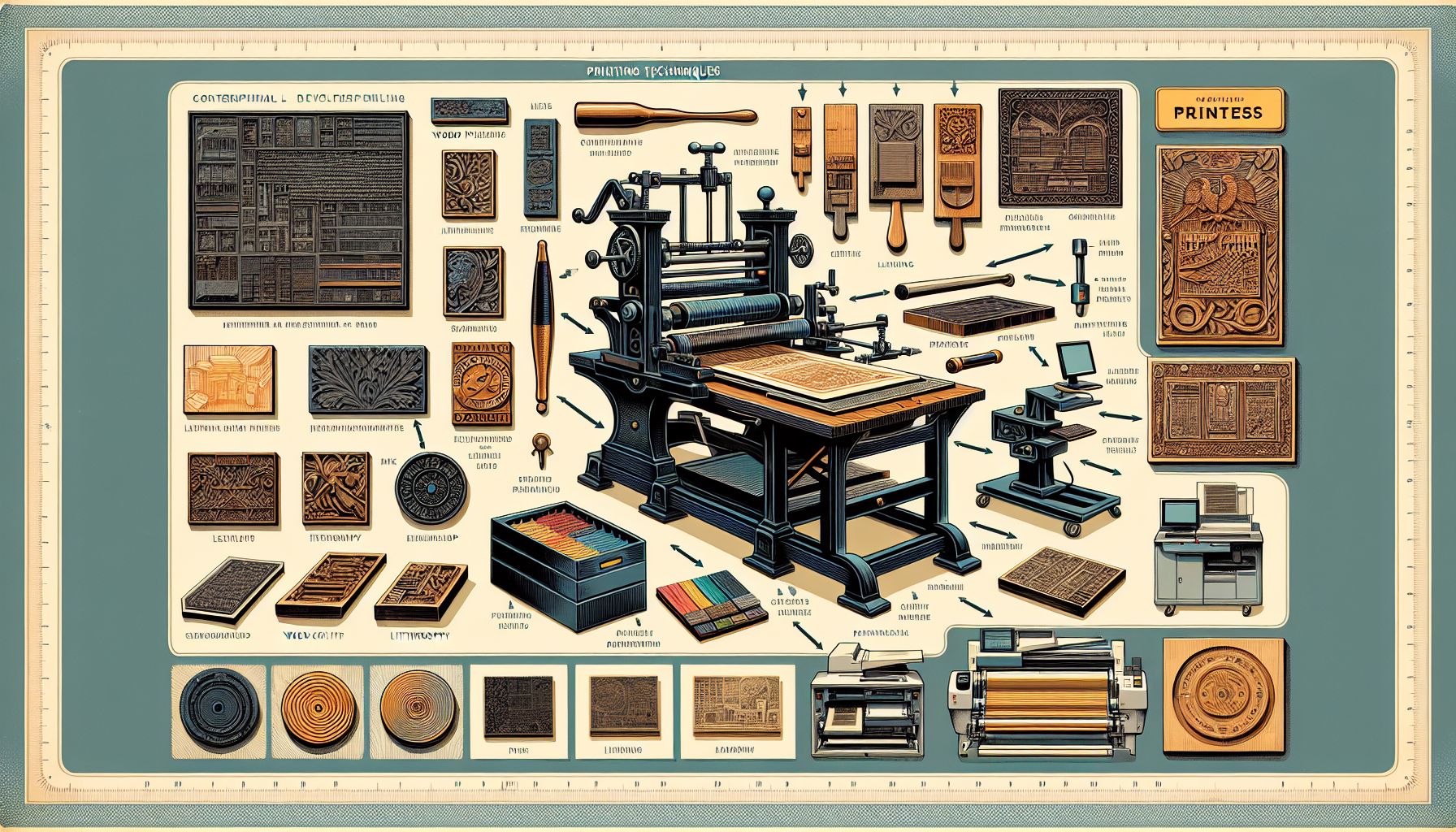
A Comprehensive Guide to Printing Techniques
There is no denying that the world of printing has come a long way since its inception. From the first printing press to today’s digital technologies, printing techniques have evolved and adapted to meet the diverse needs of businesses and individuals alike. In this blog post, we will delve into the fascinating world of printing techniques, exploring their history, applications, and advantages. Whether you are a graphic designer, a marketing professional, or simply someone curious about the art of printing, let’s take a closer look at the different printing techniques available today.
Introduction to Printing Techniques
Before we jump into the different techniques, it is essential to understand what printing techniques are and how they differ from one another. Put simply, printing techniques are methods of reproducing text and images onto various surfaces. These techniques vary in terms of cost, complexity, quality, and versatility, making certain methods more suitable for specific applications than others.
Traditional Printing Techniques
-
Letterpress: As the oldest printing technique, letterpress involves pressing raised metal or wooden typefaces onto paper. It produces a distinct and tactile charm, often used for creating elegant business cards, invitations, and other small-scale projects.
-
Offset Lithography: This commonly used printing method is based on the principle of oil and water repelling each other. The image is first transferred onto a rubber blanket cylinder before being transferred onto the paper. Offset lithography is ideal for large-scale commercial printing, such as magazines, brochures, and packaging materials.
-
Gravure: Utilizing etched copper cylinders, gravure printing is known for its ability to reproduce high-quality images with sharp details. With applications in long-run printings like magazines, catalogs, and postage stamps, this technique’s initial setup costs are higher due to the necessity of engraving cylinders.
Digital Printing Techniques
-
Inkjet Printing: Using tiny droplets of ink that are sprayed onto the paper, inkjet printing is widely recognized for its affordability and versatility. It is suitable for various applications, including personal printing, small-scale marketing materials, and even fabric printing.
-
Laser Printing: Based on the electrophotographic printing process, laser printing involves a laser beam that attracts toner onto the paper. Known for its fast and high-quality results, laser printing is commonly used for office documents, flyers, and promotional materials.
-
Digital Offset Printing: Combining the benefits of digital and offset printing, digital offset printing uses the principles of offset lithography but with digital plates instead of traditional ones. This technique offers high-quality results and is perfect for short to medium print runs, making it a preferred choice for business cards, letterheads, and similar applications.
Specialized Printing Techniques
-
Screen Printing: Using a mesh stencil and a squeegee to apply ink to a surface, screen printing is versatile and can be used on various materials, including paper, fabric, glass, and metal. It is commonly employed for signage, apparel, and artistic prints.
-
Flexography: Primarily used for packaging materials, such as labels, plastic bags, and cardboard boxes, flexography utilizes flexible relief plates and fast-drying inks. This technique is renowned for its fast production speeds and ability to print on non-porous materials.
-
3D Printing: Among the most innovative printing techniques, 3D printing allows for the creation of three-dimensional objects by laying down successive layers of material. Although it has seen remarkable advancements in recent years, 3D printing is currently primarily used in prototyping, manufacturing, and product development.
Factors to Consider When Choosing a Printing Technique
When selecting a printing technique for a particular project, several factors should be taken into account:
- Budget: Different printing techniques have varying setup costs, production costs, and overall affordability.
- Quantity: The required quantity of prints will determine whether a digital or traditional printing method is best suited for the job.
- Application: Certain printing techniques excel in specific applications, such as letterpress for elegant invitations or flexography for packaging materials.
Conclusion
Printing techniques have evolved alongside advancements in technology, offering a vast array of choices and possibilities for businesses and individuals alike. From traditional methods like letterpress and gravure to digital techniques like inkjet and laser printing, each method brings its own advantages and creative opportunities. By considering factors such as budget, quantity, and application, one can select the most suitable printing technique for each project, ensuring high-quality results that meet the desired objectives. So, whether you are looking to create stunning business cards, vibrant marketing materials, or even three-dimensional prototypes, explore the diverse world of printing techniques and unleash your creativity.