
Exploring Different Printing Techniques for High-Quality Prints
Printing techniques have advanced significantly over the years, offering a wide range of options for creating high-quality prints. Whether you’re a photographer looking to showcase your work or a business owner in need of marketing materials, understanding the different printing techniques available can help you achieve the desired results. In this article, we will explore some of the most popular printing techniques used today and discuss their unique characteristics and benefits.
Introduction to Printing Techniques
Printing techniques can be broadly categorized into two main categories: digital printing and traditional printing. Digital printing, as the name suggests, involves printing directly from a digital file onto the desired material, such as paper or fabric. This process is ideal for short print runs and customizations, as it does not require the use of printing plates or screens.
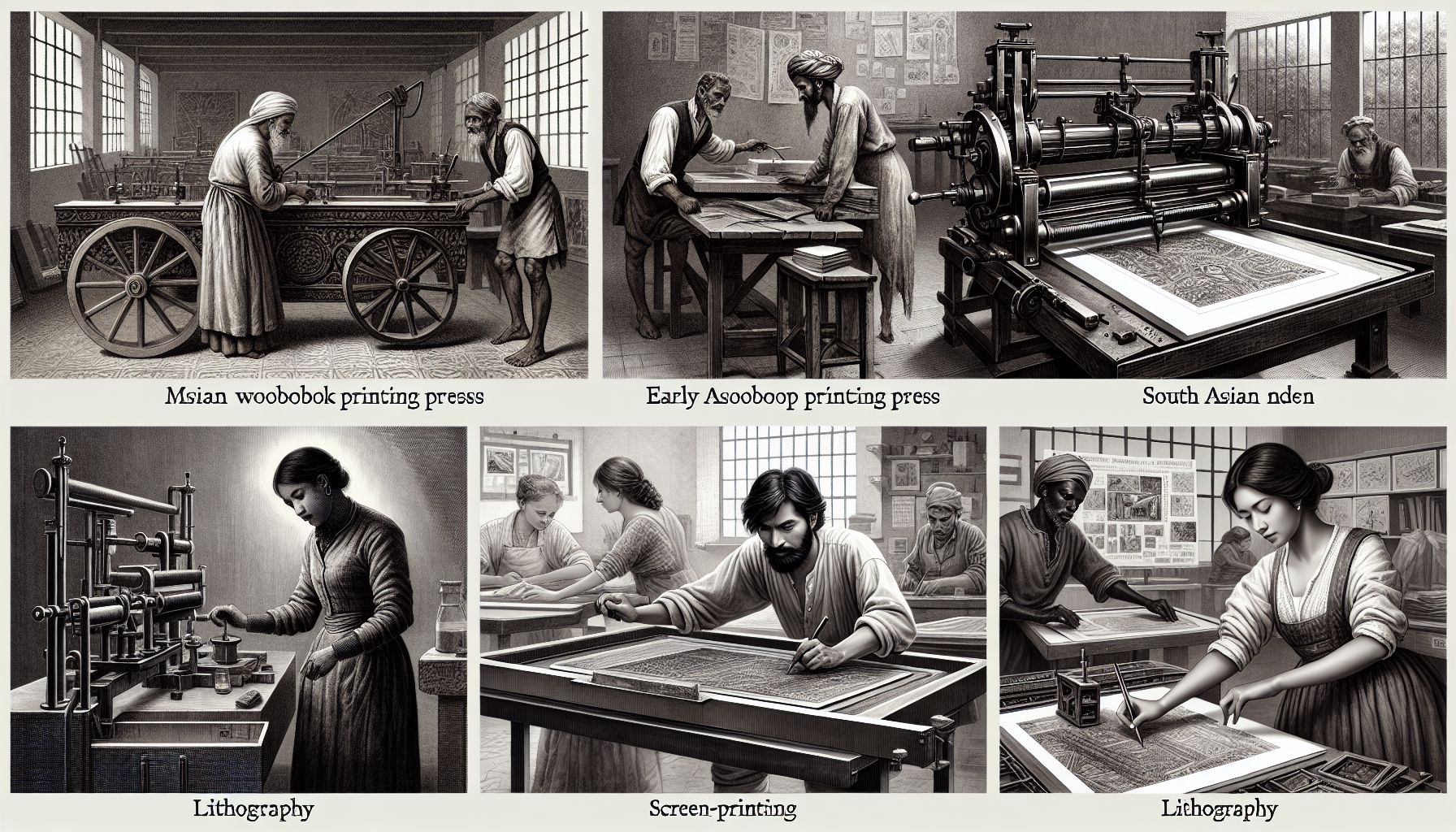
Traditional printing, on the other hand, encompasses a wide range of techniques that have been used for centuries to create prints. These techniques include offset printing, letterpress, and screen printing, among others. While traditional printing methods may be more time-consuming and expensive than digital printing, they offer unique characteristics and qualities that cannot be replicated digitally.
Popular Printing Techniques
Digital Printing
Digital printing has become increasingly popular in recent years due to its flexibility and cost-effectiveness. This printing technique allows for quick turnaround times and the ability to print small quantities at a relatively low cost. Digital prints are known for their sharpness and clarity, making them ideal for photographs and detailed graphics.
One of the key advantages of digital printing is the ability to customize each print with variable data, such as names or addresses. This makes digital printing ideal for direct mail campaigns and personalized marketing materials. Additionally, digital prints can be produced on a wide range of materials, including paper, canvas, and vinyl.
Offset Printing
Offset printing is a traditional printing technique that involves transferring ink from a plate onto a rubber blanket, which then transfers the ink onto the desired material. This process allows for high-quality prints with crisp details and vibrant colors. Offset printing is ideal for large print runs and is commonly used for brochures, magazines, and packaging.
One of the main advantages of offset printing is its cost-effectiveness for large quantities. The setup costs for offset printing can be higher than digital printing, but the per-unit cost decreases significantly with higher print volumes. Additionally, offset prints have a consistent quality and color accuracy, making them a popular choice for professional printing projects.
Screen Printing
Screen printing is another traditional printing technique that involves pushing ink through a stencil onto the material. This process allows for bold, opaque prints with vibrant colors and a unique texture. Screen printing is commonly used for apparel, posters, and promotional products.
One of the main benefits of screen printing is its versatility in printing on various materials, including fabric, paper, and plastic. Screen prints are durable and long-lasting, making them ideal for items that will be washed or used frequently. While screen printing may be more labor-intensive than digital printing, the results are often worth the extra effort.
Choosing the Right Printing Technique
When selecting a printing technique for your project, consider the following factors:
- Budget: Digital printing is typically more cost-effective for small print runs, while offset printing may be more economical for large quantities.
- Material: Different printing techniques are suited for different materials, so consider the type of material you will be printing on.
- Quality: Evaluate the level of detail and color accuracy required for your prints, as different printing techniques offer varying levels of quality.
- Turnaround time: Digital printing offers quick turnaround times, while traditional printing methods may require more time for setup and production.
By considering these factors and researching the different printing techniques available, you can select the right method for creating high-quality prints that meet your specific needs.
Conclusion
Printing techniques have come a long way since the early days of printing presses, offering a wide range of options for creating high-quality prints. Whether you prefer the flexibility of digital printing or the unique qualities of traditional techniques like offset printing and screen printing, there is a printing technique suited for every project.
By understanding the characteristics and benefits of each printing technique, you can make an informed decision when selecting the best method for your printing projects. Whether you’re looking to create custom marketing materials, fine art prints, or promotional products, exploring the different printing techniques available can help you achieve the desired results with precision and quality.