
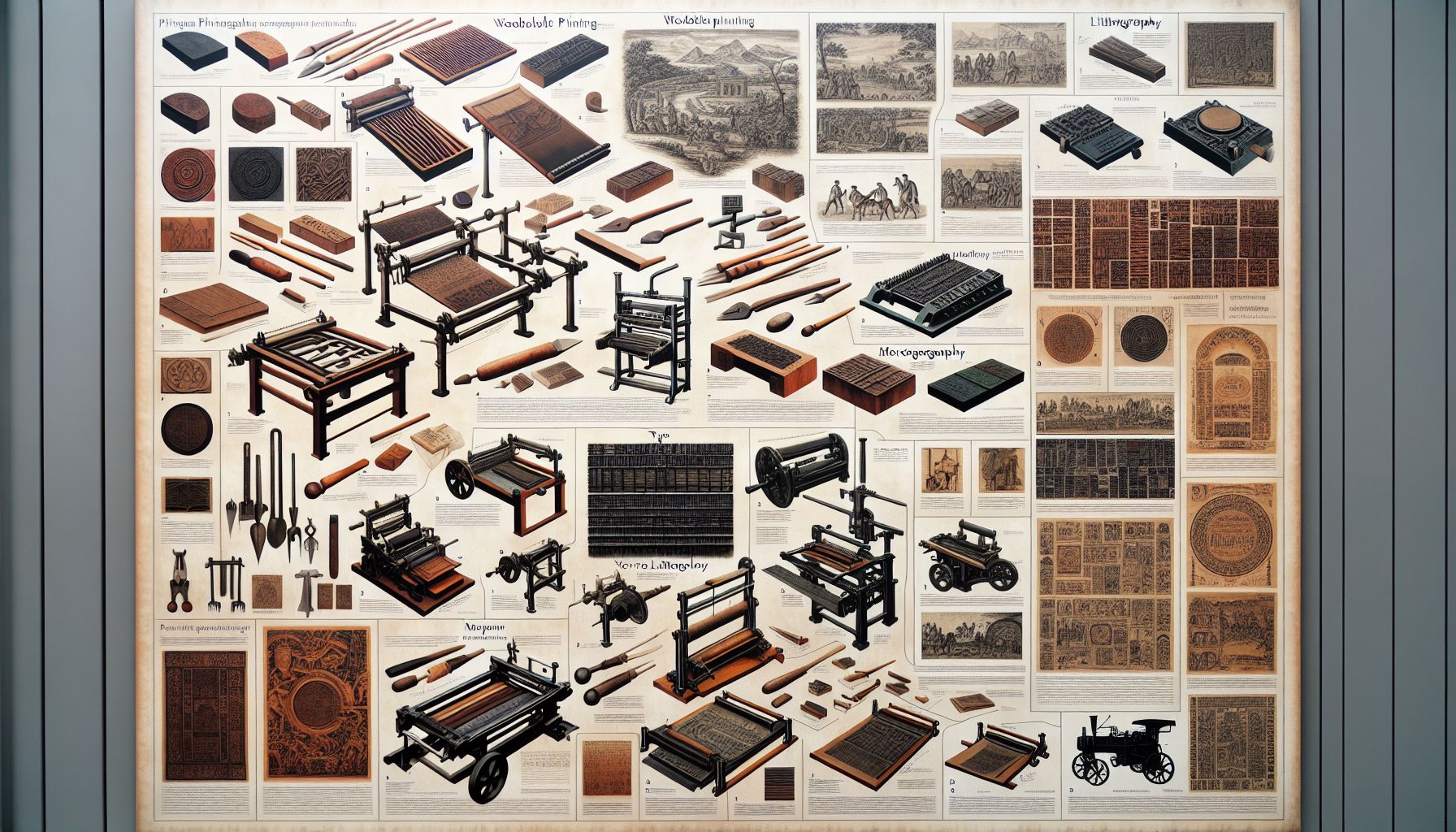
Exploring Various Printing Techniques: An Insight on Different Methods and Their Uses
Printing – a process that dates back centuries ago, is an art form that has truly revolutionized the way we reproduce text and images. With numerous different techniques available for aspiring artists, seasoned professionals and every print enthusiast in between, it’s easy to feel overwhelmed by choice, especially if you’re new to the world of printing.
This post will explore various printing techniques, their benefits, uses, and some examples of where you might see these techniques in action. So, whether you’re simply researching the technique perfect for your next project, or looking to expand your print-based knowledge, continue reading.
Description of Various Printing Techniques
Digital Printing
Considered one of the most common printing techniques of the modern age, digital printing uses either inkjet or laser printers to translate digital files into print. High-speed and versatile, digital printing allows for on-demand printing, short turnaround time, and even a modification of the image used for each impression.
Digital printing is commonly used for personalized marketing materials, such as direct mail campaigns, or for any project that requires high-volume printing in a short amount of time, like flyers, brochures, and posters.
Offset Lithography
Offset lithography, commonly referred to as offset printing, is another popular printing technique. It involves the application of ink to a plate, then transferring it from the plate to a rubber blanket, and finally setting it on the printing surface. Offset printing is ideal for producing large volumes of high-quality documents, such as books, newspapers, stationery, corrugated boxes, and posters.
Screen Printing
Screen printing, or silk screen printing, is a technique that involves forcing ink through a mesh screen onto the print surface. Each color is applied using a different screen, one at a time, combined to achieve the final look.
Screenprinting is most commonly seen in the fashion and textile industry, for printing on T-shirts, hats, and other apparel. It’s also used within the tech industry for printing on circuit boards.
Flexography
Flexography is a modern version of letterpress printing and is commonly used for packaging and labels. It uses a flexible relief plate and fast-drying, waterproof inks. Furthermore, flexography can be used on almost any substrate, including plastic, metallic films, cellophane, and paper.
Thermography
This printing technique is a budget-friendly alternative to engraving. With thermography, printed ink is dusted with a resin then heated to make the resin rise, resulting in a braille-like feel to the areas it’s been applied to. It will often be used for wedding invitations, letterheads, business cards and packaging.
Benefits of Different Printing Techniques
Each printing technique possesses unique benefits.
Digital printing requires minimal setup time, allowing for quick turnarounds and accurate proofs since what you see on the screen is typically what you get on paper. However, it may be less cost-effective for larger print runs.
Offset lithography, on the other hand, is economical for large quantities since the more your print, the less price per unit. It provides excellent image quality, consistent high image definition, and sharper, cleaner images.
Screen printing is beneficial for its vibrancy. The technique lays down a thicker ink deposit than other methods, which allows for brighter colors that stand out, even on dark backgrounds.
Flexography is a versatile printing method ideal for food packaging as it uses safe and non-toxic inks. Finally, thermography printing creates a tactile and professional-looking result, adding a touch of luxury at a fraction of the price of engraving.
Conclusion
When it comes to printing, the technique you choose can make all the difference. From digital and offset lithography to screen printing, flexography, and thermography, each method has its own unique benefits and potential applications.
Consider the requirement of your project, the volume of your print run, your budget, and the material you’re printing on when deciding on the printing technique to use. Each technique opens up a world of possibilities, making it easier than ever to achieve the exact outcome you’re hoping for.
No matter which method you choose, the wealth of options available ensures that you can bring almost any project to life with print. Whether you’re an artist creating your next masterpiece, a business promoting your services, or a print enthusiast looking forward to the next project, understanding these various printing techniques can be a valuable asset.