
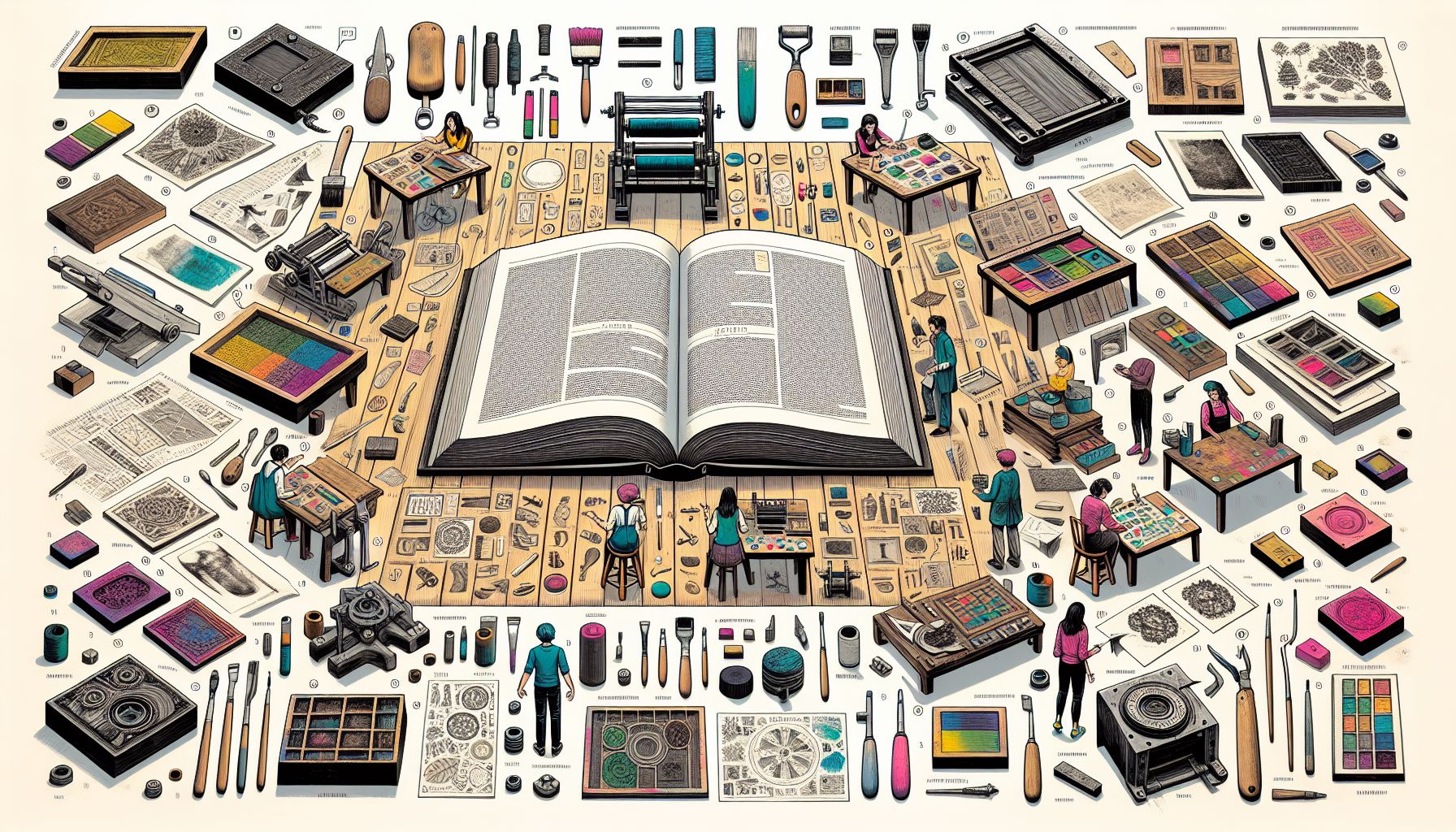
Exploring Printing Techniques: A Beginner’s Guide
In today’s digital age, printing techniques play a crucial role in bringing digital designs to life on various surfaces. From business cards to posters, the quality and creativity of printing can make a significant impact on the success of a project. With numerous printing techniques available, it can be overwhelming to choose the right method for your design. In this article, we will explore some popular printing techniques, their unique features, and when to use them.
Introduction to Printing Techniques
Printing techniques can be categorized into two main types: traditional and digital. Traditional printing techniques, such as offset printing and letterpress, involve transferring ink onto a substrate through a series of physical processes. On the other hand, digital printing techniques, such as inkjet and laser printing, use digital files to reproduce images on a substrate.
Traditional Printing Techniques
Offset Printing
Offset printing is a widely used commercial printing technique that involves transferring ink from a plate to a rubber blanket and then onto the printing surface. This method is known for its high-quality results and cost-effectiveness for large print runs. Offset printing is ideal for projects that require vibrant colors and precise details.
Letterpress
Letterpress is a classic printing technique that dates back to the 15th century. It involves pressing raised type or designs onto paper, creating a tactile and elegant finish. Letterpress is popular for creating invitations, business cards, and other high-end printed materials.
Screen Printing
Screen printing, also known as silk screening, is a versatile printing technique that can be used on various surfaces, including paper, fabric, and plastic. In screen printing, a stencil is created on a mesh screen, and ink is forced through the stencil onto the substrate. This method is favored for its ability to produce vibrant colors and durable prints.
Digital Printing Techniques
Inkjet Printing
Inkjet printing is a popular digital printing technique that uses tiny droplets of ink to reproduce images on paper or other substrates. Inkjet printers are versatile and cost-effective for producing small to medium print runs. This method is ideal for projects that require quick turnaround times and variable data printing.
Laser Printing
Laser printing uses a laser beam to create an electrostatic image on a drum, which attracts toner particles that are then transferred onto the printing surface. Laser printers are known for their high-speed output and crisp, precise prints. This method is commonly used for producing documents, brochures, and other text-heavy materials.
Choosing the Right Printing Technique
When selecting a printing technique for your project, consider the following factors:
- Quantity: Offset printing is cost-effective for large print runs, while digital printing is ideal for small to medium quantities.
- Quality: Traditional printing techniques like offset and letterpress are known for their high-quality results, while digital printing offers quick and consistent output.
- Turnaround Time: Digital printing techniques, such as inkjet and laser printing, are suitable for projects with tight deadlines.
- Budget: Consider the upfront costs and long-term savings of each printing technique before making a decision.
Conclusion
Printing techniques play a vital role in bringing designs to life and conveying messages effectively. Whether you choose a traditional method like offset printing or a digital technique like inkjet printing, each technique offers unique features and benefits. By understanding the characteristics of different printing techniques, you can make informed decisions that align with your project goals and budget. Experimenting with various printing techniques can help you discover new possibilities and elevate the quality of your printed materials.