
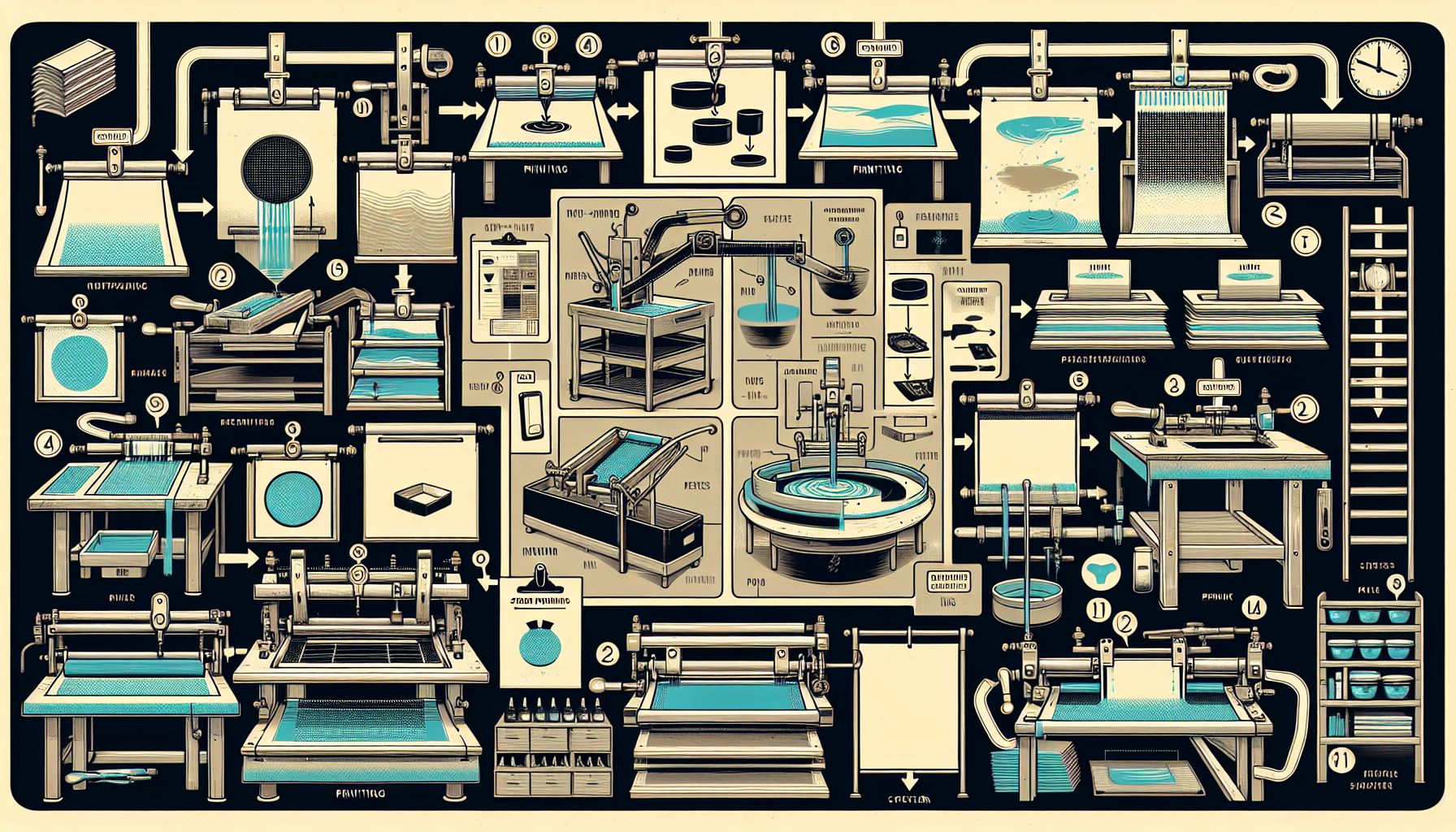
Exploring Different Printing Techniques: From Offset to Screen Printing
Printing has come a long way since its inception, with various techniques and methods developed to meet different printing needs. Whether you are printing a flyer, poster, or packaging, choosing the right printing technique can make all the difference in the final result. In this article, we will explore some of the most common printing techniques used today, including offset printing, digital printing, and screen printing.
Offset Printing
Offset printing, also known as lithography, is one of the oldest and most widely used printing techniques. It involves transferring an inked image from a plate to a rubber blanket, then onto the printing surface. Offset printing is ideal for high-volume printing jobs, as it offers consistent and high-quality results.
The process of offset printing begins with creating a plate with the desired image. This plate is then mounted on a printing press, where the image is transferred onto a rubber blanket. The ink is then transferred from the blanket onto the printing surface, typically paper or cardstock. Offset printing is known for its vibrant colors, sharp details, and smooth finish.
One of the key advantages of offset printing is its cost-effectiveness for large print runs. The quality of the prints is also superior to other printing methods, making it a popular choice for magazines, brochures, and catalogs. However, offset printing does have some limitations, such as longer setup times and the need for specialized equipment.
Digital Printing
Digital printing has gained popularity in recent years due to its speed, flexibility, and cost-effectiveness for short print runs. Unlike offset printing, digital printing does not require plates or setup processes, making it ideal for on-demand printing and quick turnaround times.
Digital printing works by sending the digital file directly to the printer, which then prints the image onto the desired surface. This process allows for customization and variable data printing, making it ideal for personalized marketing materials such as direct mail and promotional items.
The quality of digital prints has also improved significantly over the years, with advancements in technology leading to vibrant colors and sharp details. Digital printing is often used for business cards, flyers, banners, and signage. However, digital printing may not be suitable for large print runs or projects that require specialty finishes.
Screen Printing
Screen printing, also known as silk screening, is a versatile printing technique that can be used on a wide range of materials, including paper, fabric, and plastic. Screen printing involves creating a stencil, or screen, of the desired image, which is then used to transfer ink onto the printing surface.
The process of screen printing begins with creating the stencil by blocking out the areas that do not need to be printed. The ink is then applied to the screen and pushed through using a squeegee, transferring the image onto the printing surface. Screen printing is known for its vibrant colors, durability, and ability to print on uneven surfaces.
Screen printing is commonly used for t-shirts, posters, packaging, and signage. It is ideal for designs that require bold colors or specialty inks, such as metallic or glow-in-the-dark. However, screen printing can be time-consuming and may not be cost-effective for large print runs.
Conclusion
Choosing the right printing technique is crucial to achieving the desired results for your print project. Whether you opt for offset printing, digital printing, or screen printing, each technique offers unique benefits and limitations. Consider factors such as print volume, customization options, and budget when selecting a printing method.
In the ever-evolving world of printing, new techniques and technologies continue to emerge, offering even more possibilities for creating eye-catching prints. By understanding the differences between offset, digital, and screen printing, you can make an informed decision that will result in high-quality prints that meet your specific needs.