
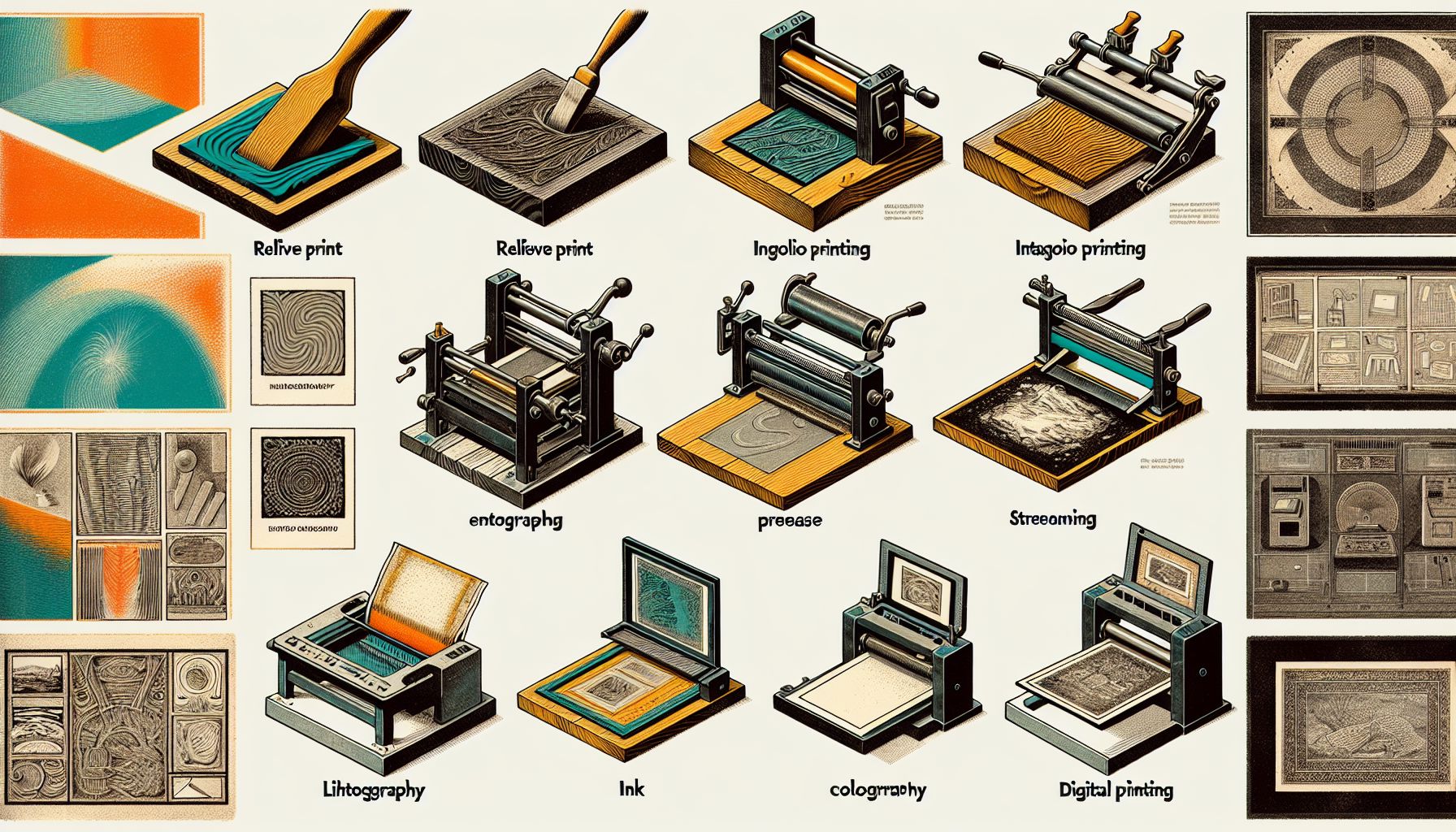
Understanding Different Printing Techniques
From the earliest form of cave paintings to the modern digital printing techniques, humans have always found innovative ways to capture and communicate visual information. Over time, numerous printing techniques have emerged, each with its own unique characteristics and applications. In this blog post, we will explore some of the most popular printing techniques used today and delve into what makes them distinct and valuable in the ever-evolving world of print.
I. Introduction
In the digital age, where screens dominate our everyday lives, the significance of print may seem overlooked. However, it remains a vital medium for tangible communication, artistic expression, and marketing materials. Understanding the techniques behind print can unlock a world of possibilities, enabling us to make informed decisions when it comes to producing visual content.
II. Offset Printing
Offset printing, also known as lithography, has been the most widely used commercial printing technique for many years. This method utilizes a flat plate to transfer an image onto a rubber blanket and then onto the printing surface, whether it be paper, cardboard, or other materials. Offset printing is capable of reproducing high-quality images and crisp text with excellent color fidelity and vibrancy.
One of the greatest advantages of offset printing is its economic efficiency for large-scale productions. It offers consistent, reliable results, making it suitable for various applications like brochures, magazines, and packaging. Additionally, the range of paper stocks available for offset printing allows for diverse finishes, such as glossy, matte, or textured surfaces, further enhancing the visual appeal of the final product.
III. Digital Printing
With the advances in technology, digital printing has gained significant popularity over the past few decades. Unlike offset printing, which relies on plates, digital printing involves reproducing the image directly from a digital file onto the chosen medium. This flexibility eliminates the need for setup and reduces printing time, making it an ideal option for small to medium-sized print runs.
Digital printing offers great versatility in terms of the materials it can print on, including paper, fabric, plastic, and even metal. Its ability to handle variable data printing allows for personalized marketing materials that can target specific audiences more effectively. Furthermore, digital printing provides an excellent solution for on-demand printing, reducing waste and inventory costs.
However, it is worth noting that digital printing may not offer the same level of color accuracy and sharpness as offset printing, especially for large-scale projects. Additionally, the cost per page may be higher compared to offset printing for high-volume production.
IV. Screen Printing
Screen printing, also known as silk screening, is an ancient printing technique that has evolved over centuries. Originally practiced using silk screens, it now utilizes synthetic meshes stretched over a frame. The process involves transferring ink through the mesh onto the printing surface by pushing it with a squeegee. Each color requires a separate screen, allowing for vibrant, layered designs.
Screen printing is highly versatile and can be performed on various materials, such as fabric, glass, metal, plastic, and wood. It is widely used for apparel printing, signage, posters, and art prints. The thick layers of ink used in screen printing result in a vibrant and durable image that can withstand frequent washing, weathering, or exposure to sunlight.
Despite its versatility, screen printing has some limitations. Fine details and intricate designs may not be reproduced with the same level of precision as other printing techniques. It is also more time-consuming and requires meticulous setup, making it less suitable for short print runs or time-sensitive projects.
V. Flexography
Flexography, often referred to as flexo printing, is a commonly used method for printing on packaging materials, particularly when it comes to flexible packaging and labels. This technique involves using flexible relief plates made of rubber or photopolymer to transfer ink onto the printing substrate. Flexo printing can be performed at high speeds, making it suitable for high-volume productions.
Flexography is known for its ability to print on a wide range of materials, including plastics, metal foils, cellophane, and paper. It offers excellent color reproduction and is often used for printing labels, cartons, bags, and newspapers. Additionally, recent advancements in flexographic technology have led to improved print quality, making it a competitive choice for various applications.
One of the primary advantages of flexography is its compatibility with water-based inks, which are more environmentally friendly compared to the solvent-based inks used in some other techniques. Flexo printing also allows for inline printing processes, such as laminating, die-cutting, and varnishing, contributing to its efficiency and cost-effectiveness.
VI. Gravure Printing
Gravure printing, also known as intaglio printing, is a technique that involves engraving the image onto a cylinder, which is then inked and pressed against the printing surface. The recessed image areas retain the ink, transferring it onto the paper or other materials. Gravure printing is commonly used for high-quality magazines, catalogs, and packaging materials.
This technique offers exceptional image reproduction and fine detail, making it ideal for highly specialized applications. It can achieve consistent and precise color matching, creating visually stunning results. Gravure printing is particularly valued for its ability to reproduce high-resolution images and intricate artwork, often seen in the production of stamps, banknotes, and security prints.
While gravure printing offers exceptional quality, it is less cost-effective for small print runs due to the substantial setup required. It also has limited flexibility when it comes to changing or modifying designs between print jobs. However, for large-scale projects that demand superior print quality and consistency, gravure printing remains an excellent choice.
VII. Conclusion
In the vast world of printing, understanding the different techniques available is crucial to achieving the desired results. Offset printing provides high-quality, consistent results for large-scale projects, while digital printing offers flexibility, cost-effectiveness, and on-demand capabilities. Screen printing produces vibrant, durable designs, especially on fabric and signage, while flexography shines in the realm of packaging and labels. Gravure printing excels in high-quality reproductions, suited for specialized applications.
By exploring and comprehending the various printing techniques, we empower ourselves to make informed decisions based on our specific needs and project requirements. Whether it is a promotional brochure, a personalized invitation, or an eye-catching poster, the print techniques we choose bring our visions to life, ultimately communicating our messages effectively.
So, the next time you embark on a print project, take a moment to reflect on the array of printing techniques available, and find the one that best captures the essence of your vision.