
Exploring the World of Printing Techniques
In the world of design and printing, the technique used can greatly impact the final outcome of a project. From offset printing to digital printing, there are a variety of methods that designers and printers can choose from to bring their creations to life. In this article, we will explore some of the most common printing techniques, how they work, and when they are best used.
Offset Printing
One of the most traditional and widely used printing techniques is offset printing. This method involves transferring ink from a plate onto a rubber blanket, which then transfers the ink onto the printing surface. Offset printing is known for its high quality and precise color matching capabilities, making it ideal for projects that require fine details and vibrant colors.
Offset printing is typically used for large print runs, such as magazines, brochures, and newspapers. It is well-suited for projects that require consistent quality and color accuracy, as the ink is applied evenly across the printing surface. While offset printing can be more expensive than digital printing, the results are often worth the investment.
Digital Printing
Digital printing has become increasingly popular in recent years due to its quick turnaround times and cost-effectiveness. This method involves transferring digital files directly onto the printing surface, without the need for plates or setup costs. Digital printing is ideal for small print runs or projects that require customization, as each print can be unique.
Digital printing is often used for items such as business cards, flyers, and invitations. It is a versatile technique that can accommodate a wide range of paper sizes and finishes. While digital printing may not offer the same level of color accuracy as offset printing, it is a great option for projects that require quick production times and low upfront costs.
Screen Printing
Screen printing is a popular technique for printing graphics on various materials, such as fabric, glass, and metal. This method involves creating a stencil, or screen, of the design to be printed, and then using a squeegee to force ink through the screen onto the printing surface. Screen printing is known for its durability and ability to produce vivid, opaque colors.
Screen printing is often used for items such as t-shirts, posters, and signage. It is a versatile technique that can accommodate large print sizes and a wide range of materials. While screen printing can be more labor-intensive than other methods, the results are often long-lasting and eye-catching.
Letterpress Printing
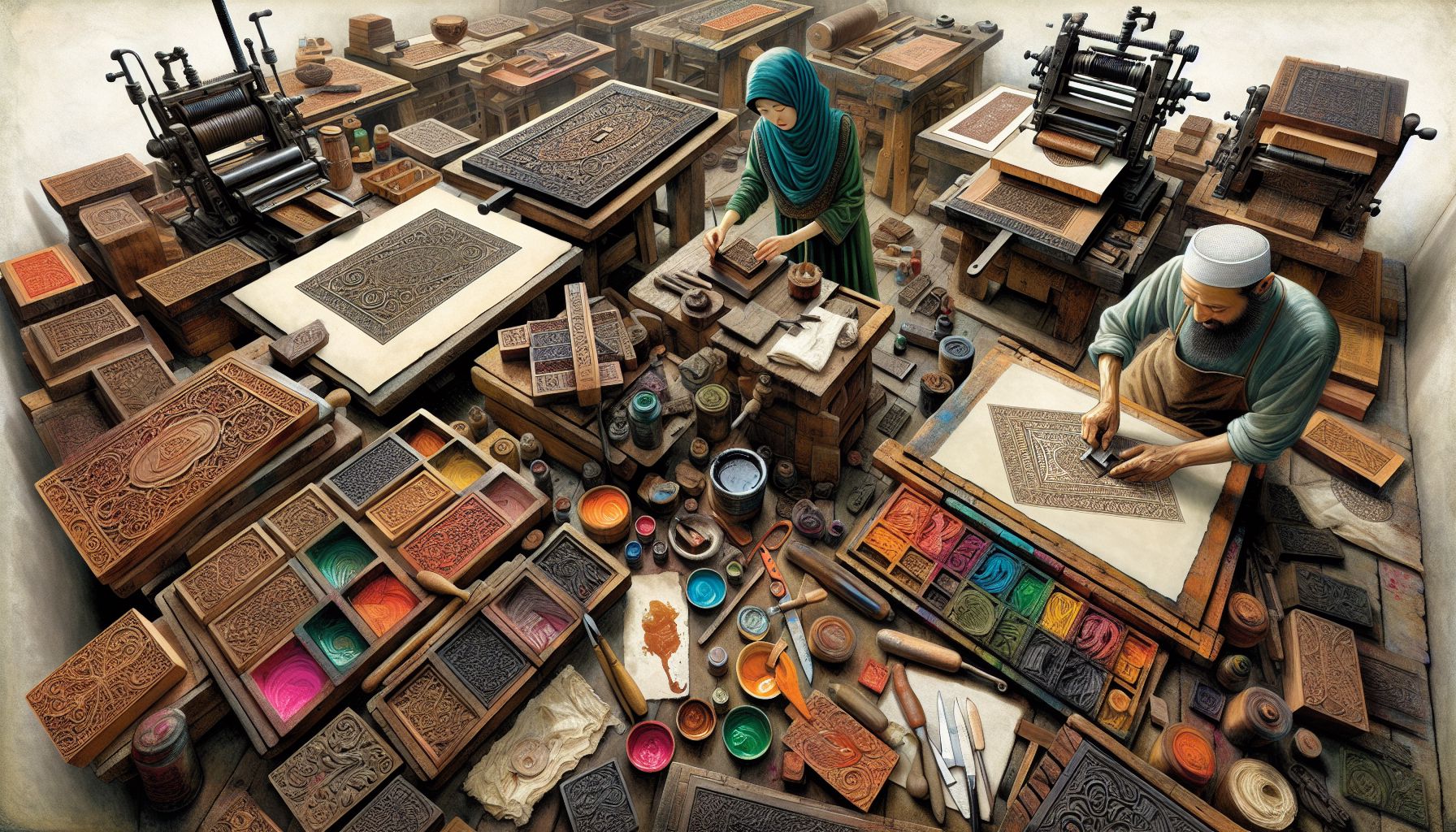
Letterpress printing is a centuries-old printing technique that involves pressing a raised surface, typically made of metal or wood, onto the printing surface to transfer ink. This method creates a tactile, debossed effect that adds a unique charm and sophistication to printed materials. Letterpress printing is often used for projects that require a vintage or handcrafted aesthetic, such as wedding invitations or business cards.
Letterpress printing is well-suited for projects that require fine details and elegant typography. While letterpress printing can be more expensive than other methods, the tactile quality and distinctive look of the final product are often worth the investment.
Conclusion
In the world of design and printing, the choice of printing technique can greatly impact the final outcome of a project. Whether you are looking for high quality and precise color matching, quick turnaround times and cost-effectiveness, durability and vivid colors, or a vintage and handcrafted aesthetic, there is a printing technique that can meet your needs. By understanding the strengths and limitations of each method, designers and printers can select the right technique to bring their creations to life.