
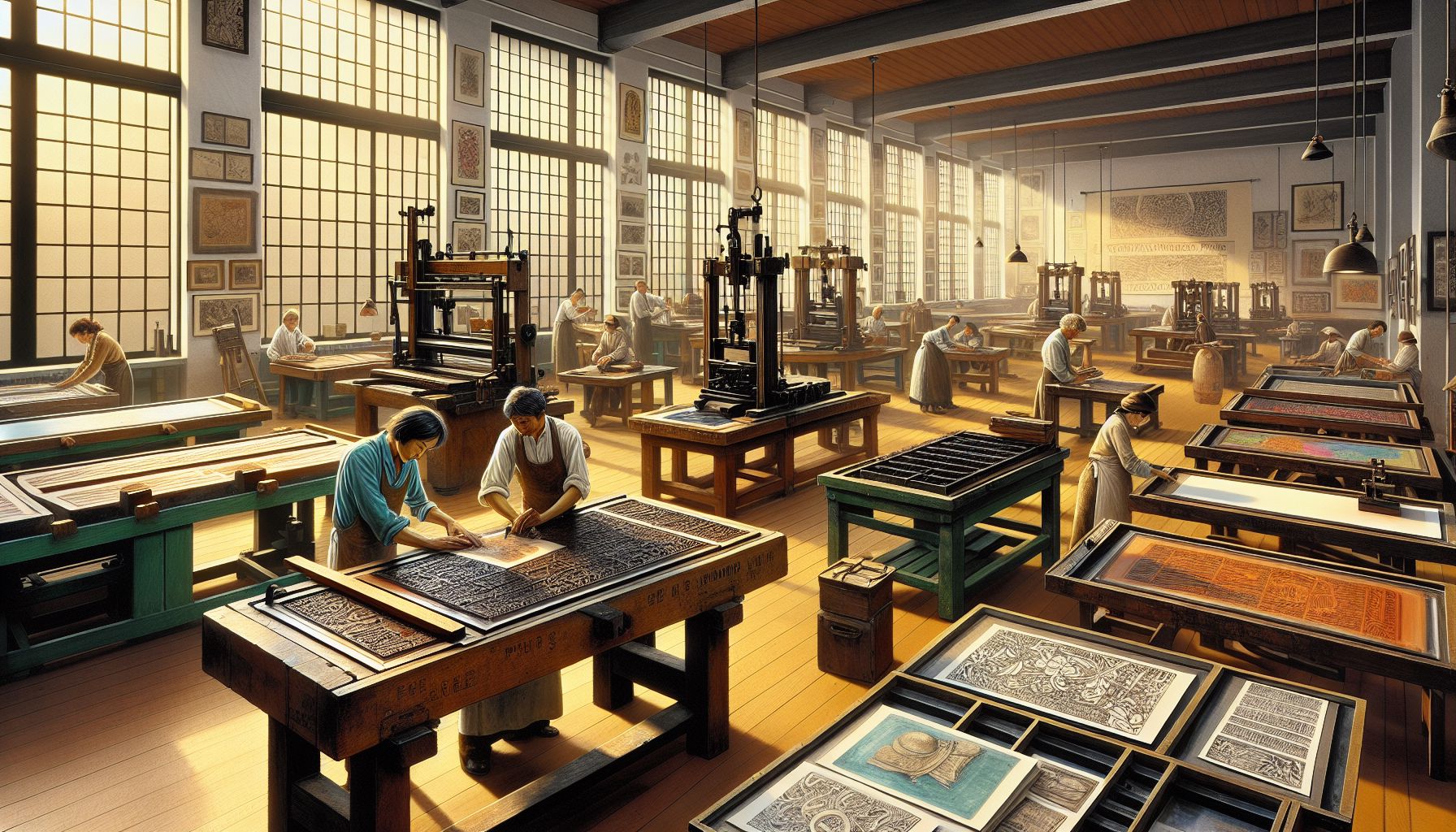
Exploring Different Printing Techniques
Printing has come a long way since the invention of the printing press by Johannes Gutenberg in the 15th century. Today, there are various printing techniques that cater to different needs and preferences. In this article, we will explore some of the most common printing techniques used in the industry today.
Introduction to Printing Techniques
Printing techniques can be broadly categorized into two main types: analog and digital printing. Analog printing refers to traditional methods such as offset printing, letterpress, and screen printing, while digital printing involves technologies like inkjet and laser printing. Each method has its own unique advantages and disadvantages, making them suitable for different types of projects.
Analog Printing Techniques
Offset Printing
Offset printing is one of the most commonly used printing techniques in the industry. It involves transferring an inked image from a plate onto a rubber blanket, which is then rolled onto the printing surface. This method is known for its high quality and consistency, making it ideal for large volume printing projects.
Letterpress
Letterpress is a relief printing technique that involves pressing a raised surface (usually made of metal or wood) onto paper to create an impression. This method was widely used in the past for printing books and newspapers, and is now popular for producing custom stationery and invitations due to its unique tactile quality.
Screen Printing
Screen printing, also known as silk screening, involves using a mesh stencil to transfer ink onto a substrate. This method is commonly used for printing high-quality images on textiles, posters, and signage. Screen printing allows for vibrant colors and special effects like metallic and fluorescent inks.
Digital Printing Techniques
Inkjet Printing
Inkjet printing is a digital printing method that involves spraying tiny droplets of ink onto paper to create an image. This technique is known for its high resolution and color accuracy, making it popular for printing photographs and fine art prints. Inkjet printers are also used for producing brochures, banners, and other marketing materials.
Laser Printing
Laser printing uses a laser beam to transfer toner onto paper, creating a precise image with sharp detail. This method is commonly used in offices for printing documents and reports, as well as for producing high-quality prints for marketing materials. Laser printers are known for their speed and efficiency, making them suitable for large volume printing projects.
Hybrid Printing Techniques
Digital Offset Printing
Digital offset printing combines the advantages of digital and offset printing by using a digital file to create a plate for offset printing. This allows for the cost-effective production of short to medium print runs with the high quality of offset printing. Digital offset printing is ideal for projects that require both efficiency and quality.
UV Printing
UV printing involves curing inks with ultraviolet light, creating a durable and vibrant finish. This method is commonly used for printing on unconventional substrates such as glass, metal, and plastic. UV printing allows for special effects like raised textures and gloss finishes, making it ideal for premium packaging and promotional materials.
Conclusion
Printing techniques have evolved over the years to meet the diverse needs of consumers and businesses. Whether you prefer the traditional charm of letterpress or the high-resolution precision of inkjet printing, there is a printing method that suits your project. By understanding the various techniques available, you can choose the right printing method to bring your designs to life. Next time you embark on a printing project, consider the different printing techniques discussed in this article to achieve the best results.