
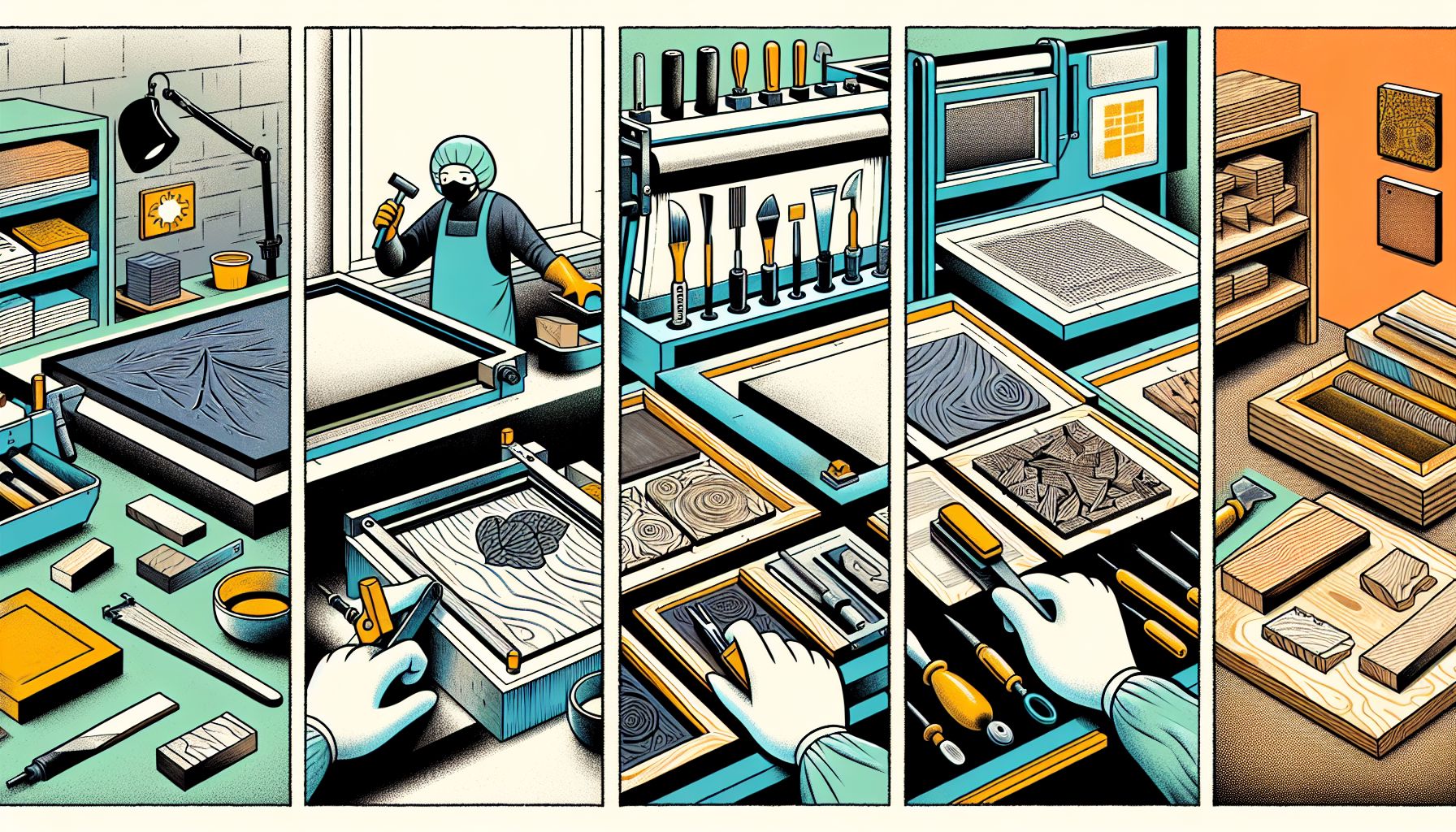
Exploring Different Printing Techniques
When it comes to creating printed materials, there are a variety of techniques that can be used to achieve different results. From traditional methods like offset printing to modern digital printing, each technique has its own advantages and limitations. In this article, we will explore some of the most common printing techniques and compare their features.
Offset Printing
Offset printing, also known as lithography, is one of the most widely used printing techniques in the commercial printing industry. It involves transferring ink from a plate to a rubber blanket, then onto the printing surface. This method is ideal for high-volume printing jobs and offers high-quality, consistent results.
Offset printing is best suited for projects that require precise color matching and sharp image detail. It is commonly used for magazines, brochures, and other marketing materials. However, offset printing can be expensive for small print runs due to the setup costs involved.
Digital Printing
Digital printing is a more modern printing technique that involves transferring digital files directly to a printing machine. This method is ideal for short print runs and on-demand printing, as it eliminates the need for plate setup. Digital printing offers quick turnaround times and allows for variable data printing, making it ideal for personalized marketing materials.
While digital printing is more cost-effective for small runs, it may not offer the same level of color accuracy and detail as offset printing. Additionally, digital printing may not be suitable for certain types of materials or finishes.
Screen Printing
Screen printing is a versatile printing technique that involves forcing ink through a mesh screen onto a substrate. This method is ideal for printing on a variety of materials, including paper, fabric, and glass. Screen printing can produce vibrant colors and precise designs, making it popular for posters, apparel, and signage.
Screen printing is best suited for simple designs with few colors, as each color requires a separate screen. This method may not be cost-effective for complex designs or small print runs. However, screen printing offers a unique tactile finish that cannot be replicated with other printing techniques.
Flexography
Flexography is a type of printing commonly used for packaging materials and labels. This technique involves transferring ink from a flexible relief plate onto a substrate. Flexography is ideal for printing on uneven or non-porous surfaces, making it ideal for food packaging, labels, and corrugated materials.
Flexography offers fast drying times and can accommodate a wide range of inks and substrates. However, this method may not offer the same level of detail and color accuracy as offset printing. Additionally, flexographic printing requires specialized equipment and expertise.
Conclusion
Each printing technique has its own strengths and limitations, and the best method for a particular project will depend on factors such as print run size, budget, and desired finish. By understanding the characteristics of different printing techniques, you can make informed decisions when planning your next printing project. Whether you opt for the precision of offset printing, the versatility of digital printing, the vibrancy of screen printing, or the flexibility of flexography, there are a variety of options available to suit your needs.