
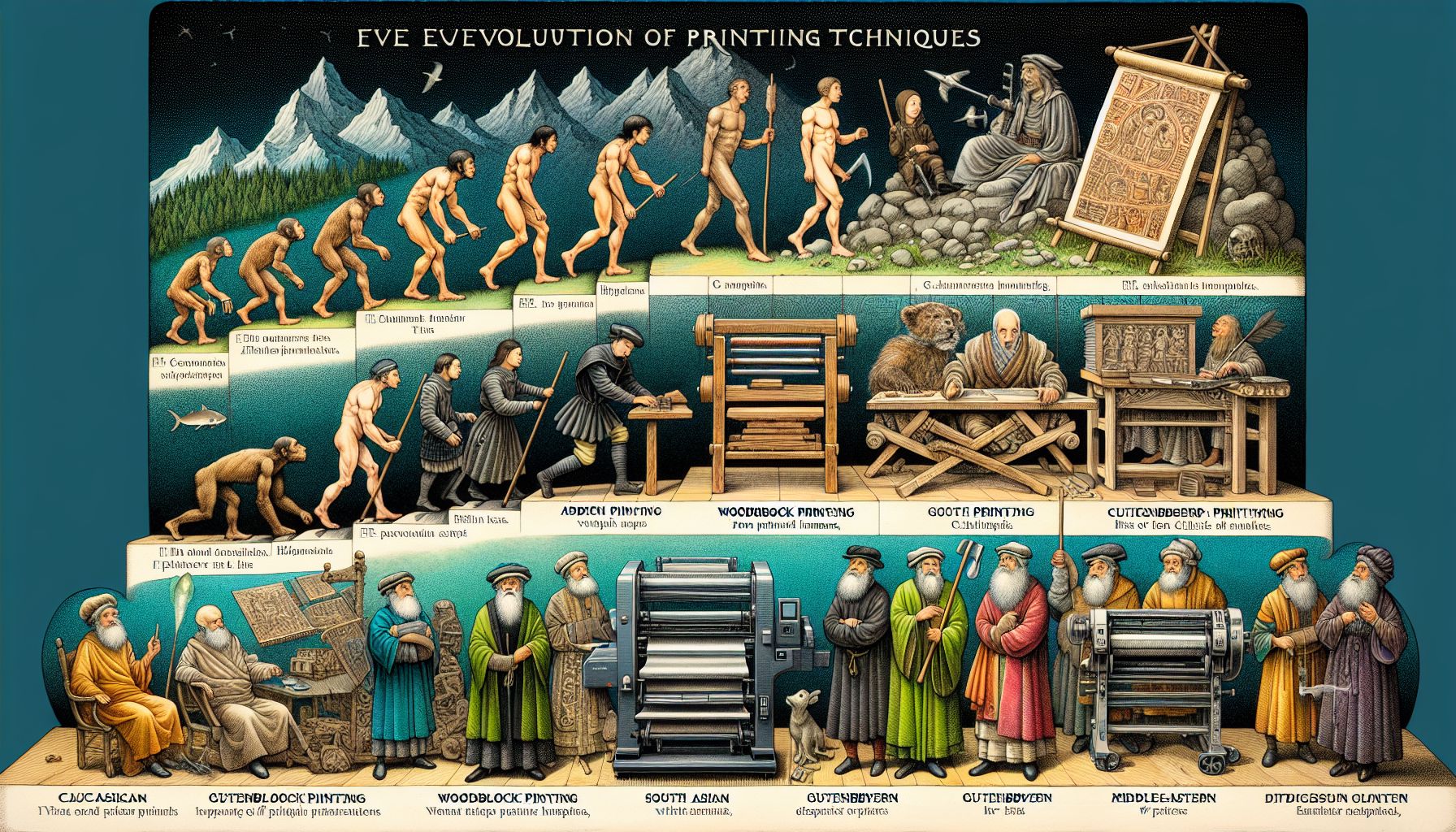
Exploring the World of Printing Techniques: From Traditional to Modern
Printing techniques have evolved significantly over the years, with advancements in technology transforming the way we reproduce images and text on various surfaces. From traditional methods such as letterpress and screen printing to modern digital printing technologies, there are a wide range of techniques available to suit different needs and budgets. In this article, we will explore some of the most popular printing techniques used today, their characteristics, applications, and the pros and cons of each.
Traditional Printing Techniques
1. Letterpress Printing
Letterpress printing is one of the oldest printing techniques, dating back to the 15th century. It involves pressing raised metal type or plates onto paper to create an impression. Letterpress printing is known for its elegant and timeless look, making it popular for wedding invitations, business cards, and other high-end stationery. However, it can be time-consuming and expensive due to the manual labor involved.
2. Offset Printing
Offset printing, also known as lithography, is a widely used commercial printing method that involves transferring an image onto a rubber blanket before printing it onto a surface. This technique allows for high-quality, consistent prints at a relatively low cost, making it suitable for large print runs such as magazines, brochures, and newspapers. However, offset printing requires specialized equipment and skilled operators.
Modern Printing Techniques
1. Digital Printing
Digital printing has revolutionized the printing industry by allowing for quick and cost-effective printing of small to medium-sized runs. This technique involves transferring digital files directly to the printing press, eliminating the need for costly setup fees and making it ideal for on-demand printing. Digital printing also offers flexibility in terms of customization, allowing for variable data printing and personalization. However, digital printing may not always achieve the same level of color accuracy and consistency as offset printing.
2. Screen Printing
Screen printing is a versatile printing technique that involves creating a stencil on a mesh screen and transferring ink onto a surface through the openings in the stencil. It is commonly used for printing on textiles, apparel, signage, and promotional products. Screen printing offers vibrant colors, durability, and the ability to print on a wide variety of substrates. However, it can be labor-intensive and may not be cost-effective for small print runs.
Specialty Printing Techniques
1. Embossing and Debossing
Embossing and debossing are processes that create a raised or recessed design on paper or other materials. These techniques add a tactile and luxurious feel to printed materials, making them ideal for business cards, invitations, and packaging. Embossing involves pressing the paper from the back to raise the design, while debossing involves pressing the paper from the front to recess the design.
2. Foil Stamping
Foil stamping is a decorative printing technique that involves applying a metallic foil to a surface using heat and pressure. This process creates a shiny and eye-catching finish that is often used for embellishing packaging, business cards, and wedding invitations. Foil stamping offers a wide range of colors and finishes, including gold, silver, and holographic foils.
Conclusion
Printing techniques play a crucial role in bringing ideas to life and communicating messages effectively. Whether you are looking for a traditional, modern, or specialty printing technique, there are options available to suit every need and budget. Each technique has its own unique characteristics, applications, and advantages, so it is important to carefully consider your requirements before selecting a printing method. By understanding the different printing techniques and their pros and cons, you can make informed decisions to achieve the desired results for your projects.