
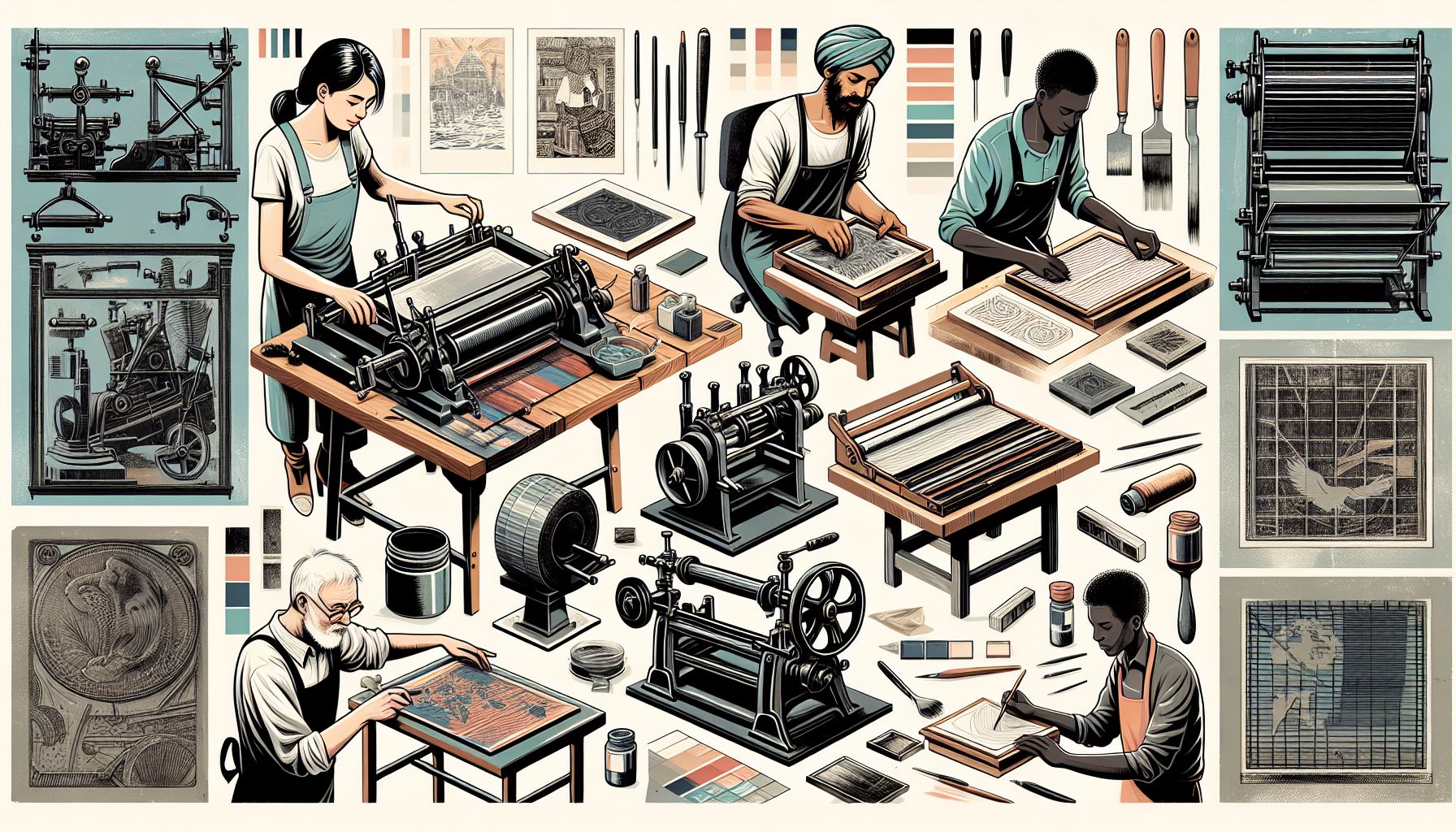
Exploring Different Printing Techniques
Printing has come a long way since the invention of the printing press by Johannes Gutenberg in the 15th century. Today, there are a variety of printing techniques available, each with its own unique benefits and applications. In this article, we will explore some of the most common printing techniques used in the industry today.
Introduction to Printing Techniques
Printing techniques can be broadly classified into two categories: traditional and modern. Traditional printing techniques, such as letterpress and screen printing, have been around for centuries and are still used in certain applications today. Modern printing techniques, such as offset printing and digital printing, have revolutionized the industry with their speed and flexibility.
Traditional Printing Techniques
Letterpress
Letterpress is one of the oldest printing techniques, dating back to the 15th century. In letterpress printing, raised metal type is inked and pressed onto paper to create a printed image. Letterpress is known for its crisp, tactile finish and is often used for wedding invitations, business cards, and other high-end stationery.
Screen Printing
Screen printing, also known as silkscreen or serigraphy, is a versatile printing technique that can be used on a variety of surfaces, including paper, fabric, and glass. In screen printing, a stencil is created on a mesh screen, which is then used to transfer ink onto the printing surface. Screen printing is popular for creating custom apparel, posters, and promotional items.
Modern Printing Techniques
Offset Printing
Offset printing is the most widely used printing technique in the industry today. In offset printing, the image is transferred from a plate to a rubber blanket, then onto the printing surface. This process allows for high-quality, consistent prints at a relatively low cost. Offset printing is commonly used for newspapers, magazines, and brochures.
Digital Printing
Digital printing has revolutionized the printing industry with its speed and flexibility. In digital printing, the image is directly transferred from a computer onto the printing surface, eliminating the need for plates. Digital printing is ideal for short print runs, variable data printing, and quick turnaround times. It is commonly used for marketing materials, business cards, and signage.
Specialized Printing Techniques
Embossing and Debossing
Embossing and debossing are specialized printing techniques that create a raised or recessed image on the printing surface. In embossing, the image is raised, while in debossing, the image is pressed into the surface. These techniques are often used for adding texture and dimension to printed materials, such as business cards and packaging.
Foil Stamping
Foil stamping is a decorative printing technique that adds a metallic finish to printed materials. In foil stamping, a metallic foil is transferred onto the printing surface using heat and pressure. Foil stamping is commonly used for luxury packaging, invitations, and business cards to add a touch of elegance and sophistication.
Conclusion
Printing techniques have evolved significantly over the centuries, offering a wide range of options for creating high-quality printed materials. Whether you prefer the traditional charm of letterpress or the speed of digital printing, there is a printing technique to suit every need. By understanding the different printing techniques available, you can choose the best method for your project and achieve stunning results.