
Exploring the World of Printing Techniques
When it comes to creating visually stunning prints, the possibilities are endless. From traditional methods like screen printing and letterpress to modern digital techniques like laser printing and UV printing, the world of printing offers a wide range of options for artists, designers, and businesses alike. In this article, we will explore some of the most popular printing techniques, their unique characteristics, and the best uses for each method.
Introduction to Printing Techniques
Printing techniques can be broadly categorized into two main categories: traditional and digital. Traditional printing methods have been around for centuries and involve transferring ink onto a substrate through a physical process, such as pressing, rolling, or stenciling. Digital printing, on the other hand, utilizes digital files to directly transfer ink onto a substrate using a printer.
Traditional Printing Techniques
-
Screen Printing: Screen printing, also known as silk screening, is a popular traditional printing method that involves pushing ink through a fine mesh screen onto a substrate. This technique is ideal for printing on fabrics, paper, and other flat surfaces, and is often used for creating vibrant, high-quality prints.
-
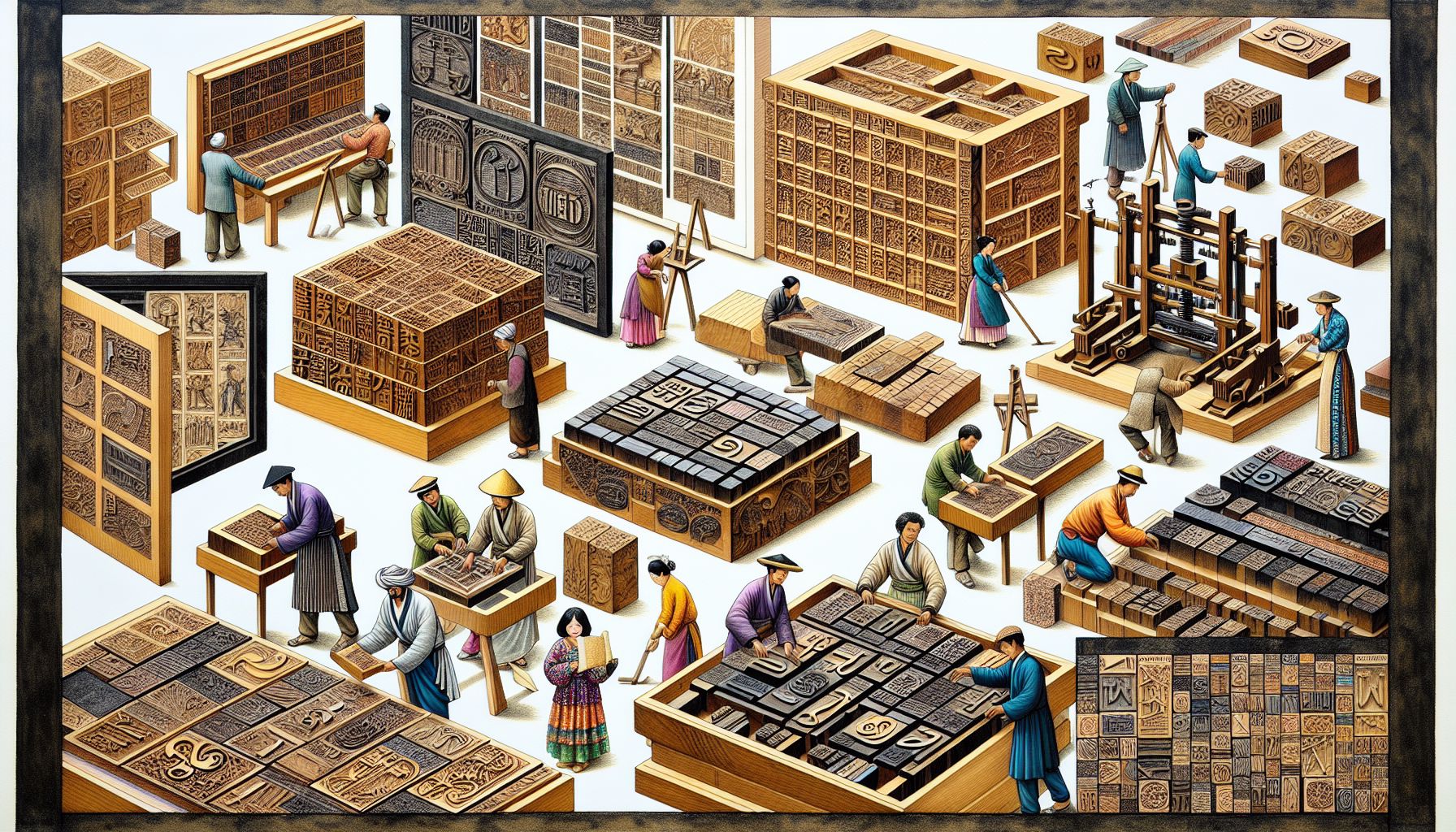
Letterpress: Letterpress printing is a traditional technique that involves pressing raised metal or wooden type against a substrate to create an impression. This method is known for its crisp and elegant results, making it popular for printing wedding invitations, business cards, and other high-end products.
-
Offset Printing: Offset printing is a widely used traditional printing technique that involves transferring ink from a plate onto a rubber blanket, then onto the substrate. This method is ideal for large print runs and produces high-quality, consistent results.
Digital Printing Techniques
-
Laser Printing: Laser printing involves using a laser beam to transfer toner onto a substrate. This method is fast, efficient, and ideal for printing text and graphics with precision. Laser printers are commonly used for printing documents, marketing materials, and labels.
-
Inkjet Printing: Inkjet printing uses tiny droplets of ink to create images on a substrate. This method is versatile and can produce high-quality prints on a variety of materials, including paper, canvas, and fabric. Inkjet printers are popular for printing photographs and artwork.
-
UV Printing: UV printing involves curing ink with ultraviolet light to create durable, high-quality prints. This method is ideal for printing on materials like glass, metal, and plastic, and produces vibrant colors and crisp details. UV printing is commonly used for signage, packaging, and promotional materials.
Choosing the Right Printing Technique
When selecting a printing technique for your project, it is important to consider factors such as desired outcome, budget, timeline, and substrate. Each printing method has its own unique characteristics and advantages, so it is essential to choose the one that best suits your needs.
- If you require vibrant colors and precise details, screen printing or UV printing may be the best options.
- For elegant and tactile prints, consider letterpress or offset printing.
- If you need fast and cost-effective results, laser printing or inkjet printing may be the way to go.
- When printing on specific materials like glass or metal, UV printing is the most suitable choice.
Conclusion
In conclusion, the world of printing techniques offers a wide range of options for creating stunning prints. Whether you prefer traditional methods like screen printing and letterpress or modern digital techniques like laser printing and UV printing, there is a printing technique to suit every project. By understanding the unique characteristics and best uses of each method, you can choose the right printing technique to bring your vision to life. So, explore the world of printing techniques and unleash your creativity!