
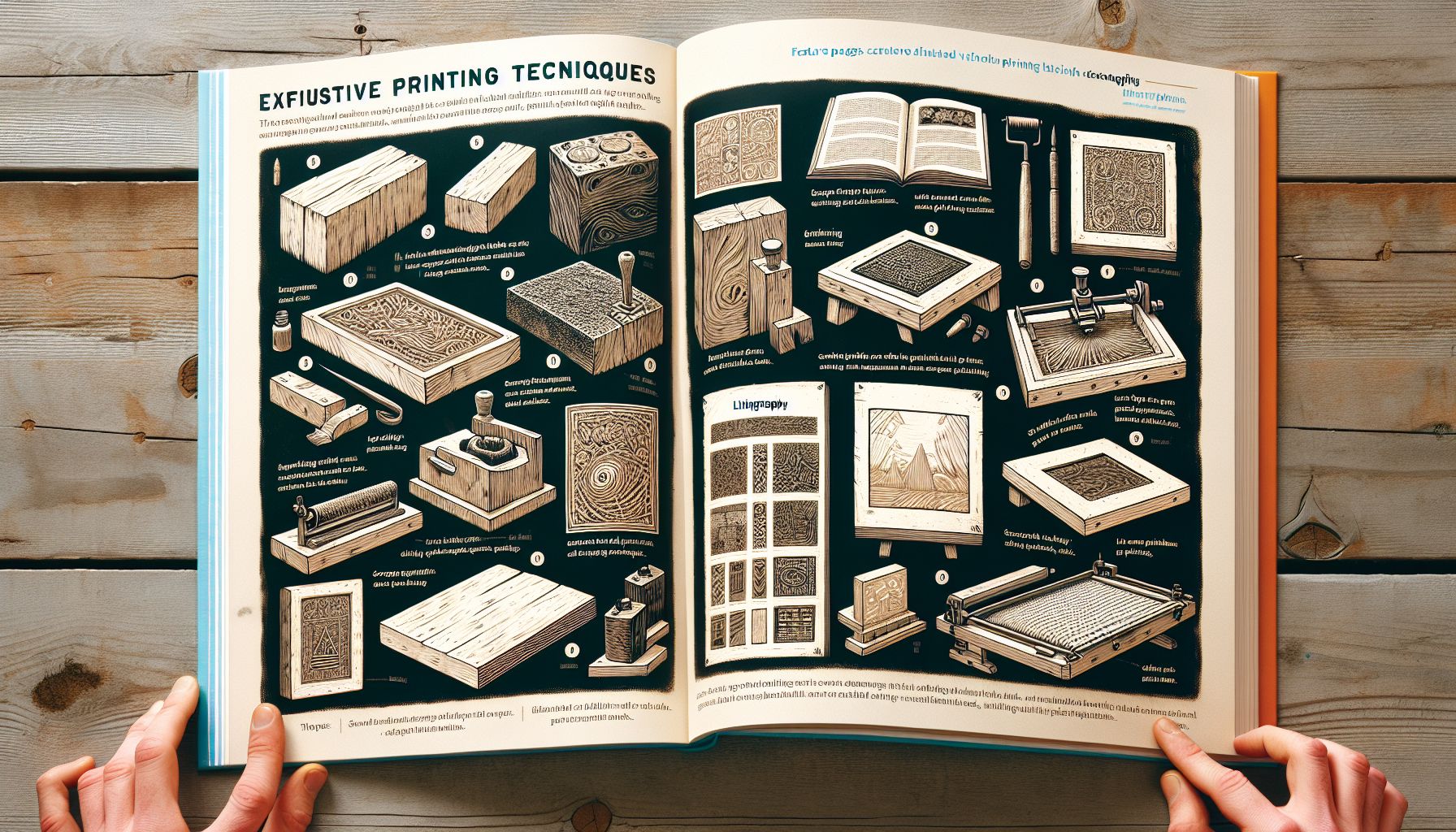
Printing Techniques: A Comprehensive Guide
Printing is an essential part of the modern world, enabling us to share information, create art, and bring ideas to life. With advancements in technology and various printing techniques available today, the possibilities are endless. In this comprehensive guide, we will explore different printing techniques, their applications, and how they have evolved over time.
Introduction to Printing Techniques
Before we dive into the specific techniques, it’s crucial to understand the fundamental principles of printing. At its core, printing involves transferring an image or text onto a surface, whether it be paper, fabric, or other materials. The method used for this transfer can vary depending on the desired outcome.
Over centuries, numerous printing techniques have emerged, each with its distinct approach and characteristics. Some techniques are traditional, deeply rooted in history, while others have been developed recently, taking advantage of advanced technologies. Let’s explore a few of these techniques in detail.
1. Offset Printing
Offset printing, also known as lithography, is one of the most commonly used printing techniques today. It involves transferring ink from a plate to a rubber cylinder and then onto the desired surface. This indirect method allows for high-quality prints, making it suitable for large-scale projects, such as newspapers, magazines, and brochures. Offset printing offers a wide range of color options and precise image reproduction.
2. Digital Printing
Digital printing revolutionized the printing industry by eliminating the need for traditional printing plates. Instead, it involves direct reproduction of digital files onto the desired surface. This technique is swift, cost-effective, and ideal for small print runs or personalized printing, such as business cards, invitations, and customized marketing materials. With continuous advancements in technology, digital printing has gained popularity and quality comparable to offset printing.
3. Screen Printing
Screen printing is a versatile technique that dates back over a thousand years. It involves creating a stencil on a mesh screen, allowing ink to pass through onto the desired surface below. This technique is ideal for printing on various materials, including fabric, metal, and plastic. Screen printing is often used for creating apparel, posters, signage, and promotional items. It offers vibrant colors and excellent durability, making the prints long-lasting.
4. Flexography
Flexography, or flexo printing, is a widely used technique for packaging materials. It uses flexible relief plates with raised images, which rotate on a cylinder, transferring ink to the surface. Flexography is known for its speed, allowing for high-volume printing, and its ability to print on uneven surfaces. It is commonly used for packaging materials, labels, and corrugated cardboard.
5. Gravure Printing
Gravure printing, or intaglio printing, involves etching an image onto a metal plate. Ink is then applied to the plate, and the excess is removed, leaving ink only in the etched areas. Paper is pressed against the plate, and the image is transferred onto it. This technique is known for its exceptional image quality and is often used for high-end publications, such as art books and magazines.
6. Letterpress Printing
Letterpress printing is the oldest technique on our list, dating back to the 15th century. It involves pressing metal type or plates with raised surfaces onto paper or other surfaces, creating an indentation. While not as widely used today, letterpress printing remains popular for high-quality invitations, business cards, and art prints. It offers a unique tactile feel and charming vintage aesthetic.
Conclusion
Printing techniques have come a long way since the early days of letterpress. Today, we have a wide array of methods at our disposal, each with its unique benefits and applications. Whether you need high-volume printing, precise image reproduction, or personalized prints, there is a printing technique suited to your needs. As technology continues to evolve, we can expect even more advancements in the world of printing, further expanding the possibilities and pushing the boundaries of creativity. So, the next time you hold a beautifully printed piece in your hands, take a moment to appreciate the intricate process and craftsmanship that went into bringing it to life.
Remember to experiment with different printing techniques to find the one that best suits your project’s requirements. Happy printing!