
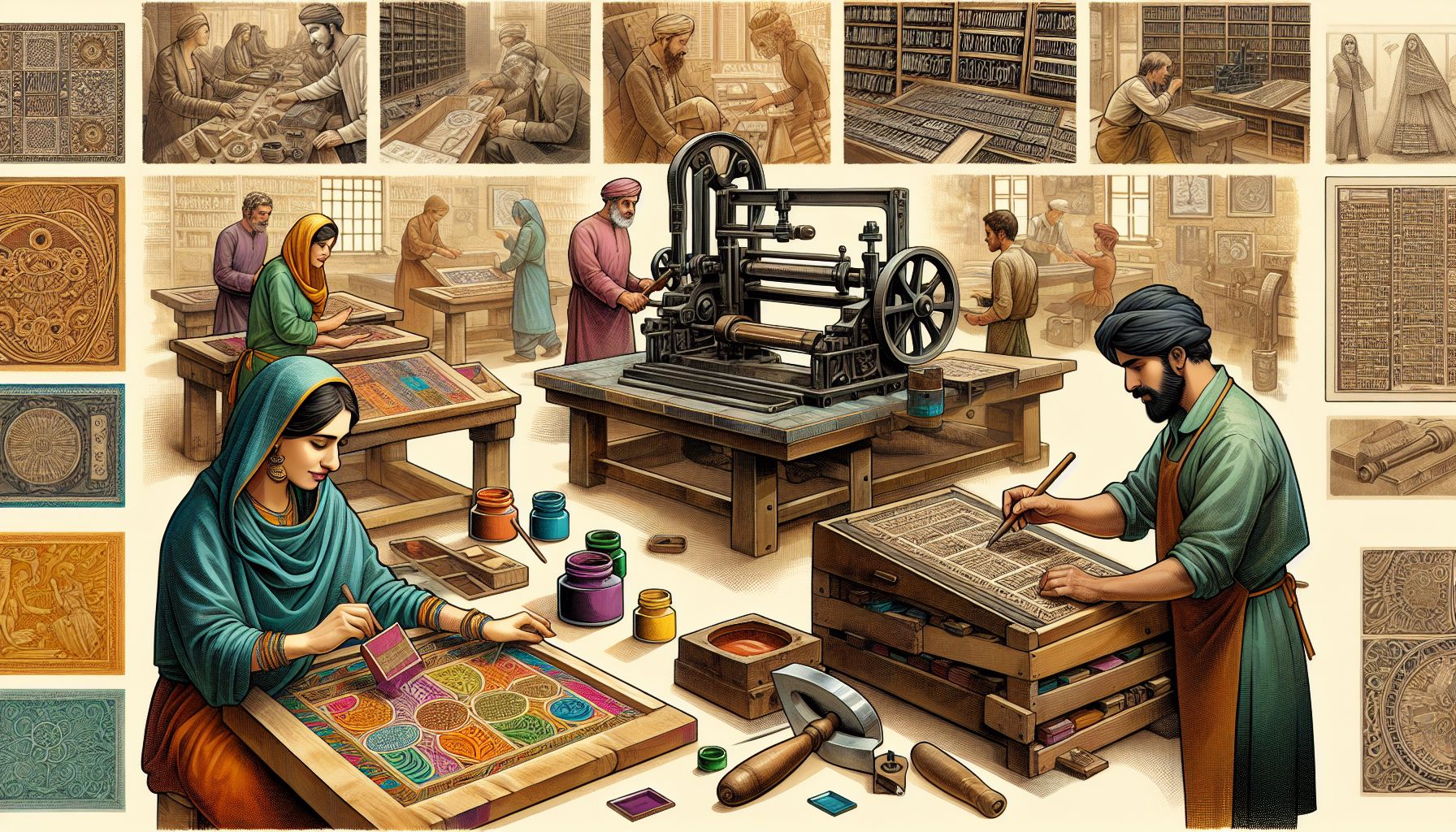
The Art of Printing: A Closer Look into Different Techniques
We encounter printed products on a daily basis, from newspapers to labels on food packaging, from books to business cards. However, we rarely stop to think how these items were made. This blog post aims to demystify the process by discussing different printing techniques, their unique characteristics, and their appropriate applications.
History of Printing Techniques
Before dissecting the subject of today, let’s take a detour into the history of printing techniques. The art of printing dates all the way back to 200AD, China, where media were studs of hardened ink that were used to print on textiles. Understanding the history of printing can give us a deeper appreciation of the sophisticated techniques we have at our disposal today.
The Age of Woodblock Printing
The oldest printing method known to man, woodblock printing, or block printing, was invented in East Asia. It involves carving an image or pattern onto a flat wooden block, applying ink to this block, and then pressing it onto paper or fabric.
The Revolution of Gutenberg’s Printing Press
In the 15th century, Johannes Gutenberg revolutionized printing with the invention of movable type. This ushered in the era of mass communication, drastically changing how information was disseminated and consumed.
The Dawn of Modern Printing
The last few centuries marked the advent of lithography, offset printing and, more recently, digital printing. All of these utilize modern technology to deliver high quality print results quickly and efficiently.
Now that we have a brief history of printing, let’s delve into a closer examination of the most popular printing techniques used today.
Offset Lithography Printing
Offset printing, also known as offset lithography, is arguably the most common form of printing. It’s excellent for printing large volumes efficiently and cost-effectively.
During this process, an inked image is transferred (or “offset”) from a plate to a rubber blanket and then to the printing surface. Offset lithography can print on a variety of surfaces, including paper, cardboard, and plastic.
Digital Printing
Digital printing uses toner or liquid ink to create images. It eliminates the need for a printing plate, helping to reduce costs and turnaround times. Digital prints aren’t ‘wet’, offering instantly dry prints that can be cut or folded immediately.
This printing method is most suitable for small print runs and orders that require quick turnaround times. However, the drawback is its lower quality and resolution compared to other methods like offset lithography.
Letterpress Printing
Given its age, letterpress printing can be considered a traditional method, but it’s still widely celebrated for its elegance and craftsmanship. The design gets ‘pressed’ into the paper, creating an impression that adds depth to the final product.
This method is used to craft business cards, wedding invitations, stationery, and other bespoke and luxury print items. While the use of letterpress printing has decreased due to cost and time, it remains a favorite among those seeking a vintage and handcrafted feel.
Screen Printing
Screen printing method, alternatively known as silk screening, involves creating a stencil (or a “screen”) and then using that stencil to apply layers of ink on the printing surface.
This is the go-to method for products with unique shapes and sizes, including t-shirts and other apparel, mugs, pens, signs and displays. It offers thick, vibrant colors that last longer and stand up better to outdoor elements.
Flexography
Flexography, or flexo, is a high-speed roll-to-roll printing process and is the primary method for printing packaging materials. It’s used for printing on many different types of substrate, including plastic, metallic film, cellophane, and paper.
Gravure Printing
Also known as roto or rotogravure, this printing style is a type of intaglio printing process, which involves engraving the image onto an image carrier. It’s quite expensive and primarily used for large commercial printing.
Conclusion
The world of printing is both vast and fascinating, with each technique serving a purpose. Understanding these methods and their unique strengths can empower you to make an informed decision when choosing the best technique for your next project.
The power of print comes from its ability to physically make an impression. Between your fingers, the pages of a book, or a beautifully printed business card, maintain an intimacy that digital interactions often lack. So whether you’re using digital printing or sticking with traditional letterpress, keep in mind the impact of your final product.
To recap, we’ve explored an array of printing techniques from woodblock printing, the oldest form of printing, to modern techniques like offset lithography and digital printing. We reflected on the strengths of each method, whether it’s the efficiency of offset lithography, the quick turnaround of digital prints, the elegance of letterpress, or the durability of screen printing. With this newfound understanding, you’re now ready to embark on your printing journey. Happy printing!