
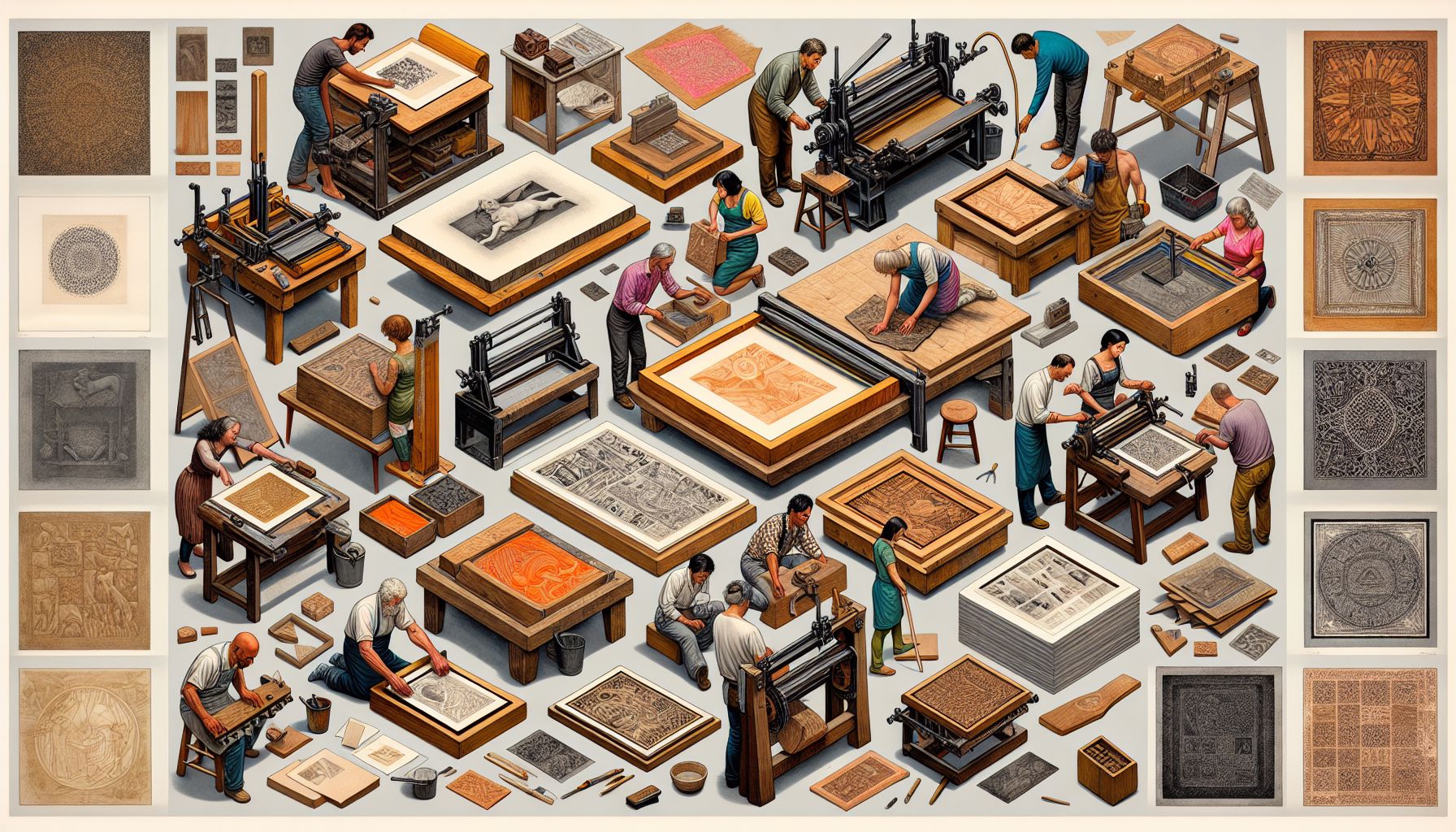
Unraveling The Intricacies of Various Printing Techniques
In the vast world of print media, numerous printing techniques have evolved over time, each with its unique strengths, weaknesses, and perfect use scenarios. This blog post aims to shed light on these intricate processes, detailing various forms of printing techniques, their characteristics, respective benefits, and best use cases. Whether you’re relatively new in the print media industry, or just curious to learn more about printing techniques, this guide will provide an insightful tour.
Screen Printing
Sometimes referred to as silk-screening, screen printing is one of the oldest printing techniques around. Predominantly used for clothing and other fabric-based items, screen printing forces ink through a silk-screen stencil to create a design.
With screen printing, multiple colors have to be applied one at a time, hence making it a slow and labor-intensive process. However, this method produces high-quality vibrant prints that last even after several washes. For apparel businesses thinking of large volumes of the same design, then screen printing is your go-to choice.
Digital Printing
As a rather modern printing technique, digital printing favors speed and flexibility. This method captures and processes images from a digital file then applies them directly onto the substrates – bypassing the need for a printing plate. Using laser or inkjet printers, tiny droplets of ink are released either directly onto the material or through a toner cartridge.
Digital printing allows for low volume printing and swift turnaround times. It’s the ideal print method for personalized printing, direct mail campaigns, picture books, and full-color documents.
Offset Lithography
Offset lithography is a traditional form of mass-production printing whereby ink and water are applied to a high-grade lithographic plate containing an image of the print. The plate surface then repels water while holding onto the oil-based ink, which then transfers (‘offsets’) onto a rubber blanket before finally applying it to the printing surface.
This technique shines in creating sharp, clean, and consistent high-quality images. It’s preferable for massive print jobs such as newspapers, magazines, brochures, and stationery.
Letterpress Printing
Letterpress dates back to the 15th century and was the standard form of printing until offset lithography took over. This technique involves the physical pressing of an inked raised surface (usually metalic types) against the print substrate, leaving a tactile and visually appealing impression.
While it’s no longer fast or economical enough for most modern applications, letterpress is making a huge comeback in the high-end market segment – serving niches such as wedding invitations, greeting cards, and artisanal prints.
Gravure Printing
Also known as rotogravure, this technique involves engraving an image onto a metal plate, which is then filled with ink and pressed onto the print surface. Gravure printing produces high-quality, continuous-tone images, making it a popular choice for large volume jobs that require top-notch image quality, such as photography books and high-quality magazines.
Flexography
Lastly, let’s talk about flexography – a versatile print method that uses flexible relief plates. It’s somewhat similar to letterpress but with higher efficiency and speed. Flexography is ideal for packaging materials, wallpapers, gift wrap, and large banners, owing to its capacity to print on a wide variety of substrates.
In conclusion, each printing technique has its key strengths, unique characteristics, and best-fit application scenarios. Your choice among them largely depends on the specific requirements of the project at hand, such as speed, color fidelity, volume, precision detailing, and the type of substrate to print on.
Understanding how these methods work ensures that you can make the most out of each printing project – whether you’re a seasoned print shop owner, a graphic designer planning to invest in a printer, or just a curious enthusiast wanting to learn more about the fascinating world of print media. Whatever your use case might be, having this knowledge tucked under your belt will no doubt be a valuable tool as you venture into the multicolored realm of printing.