
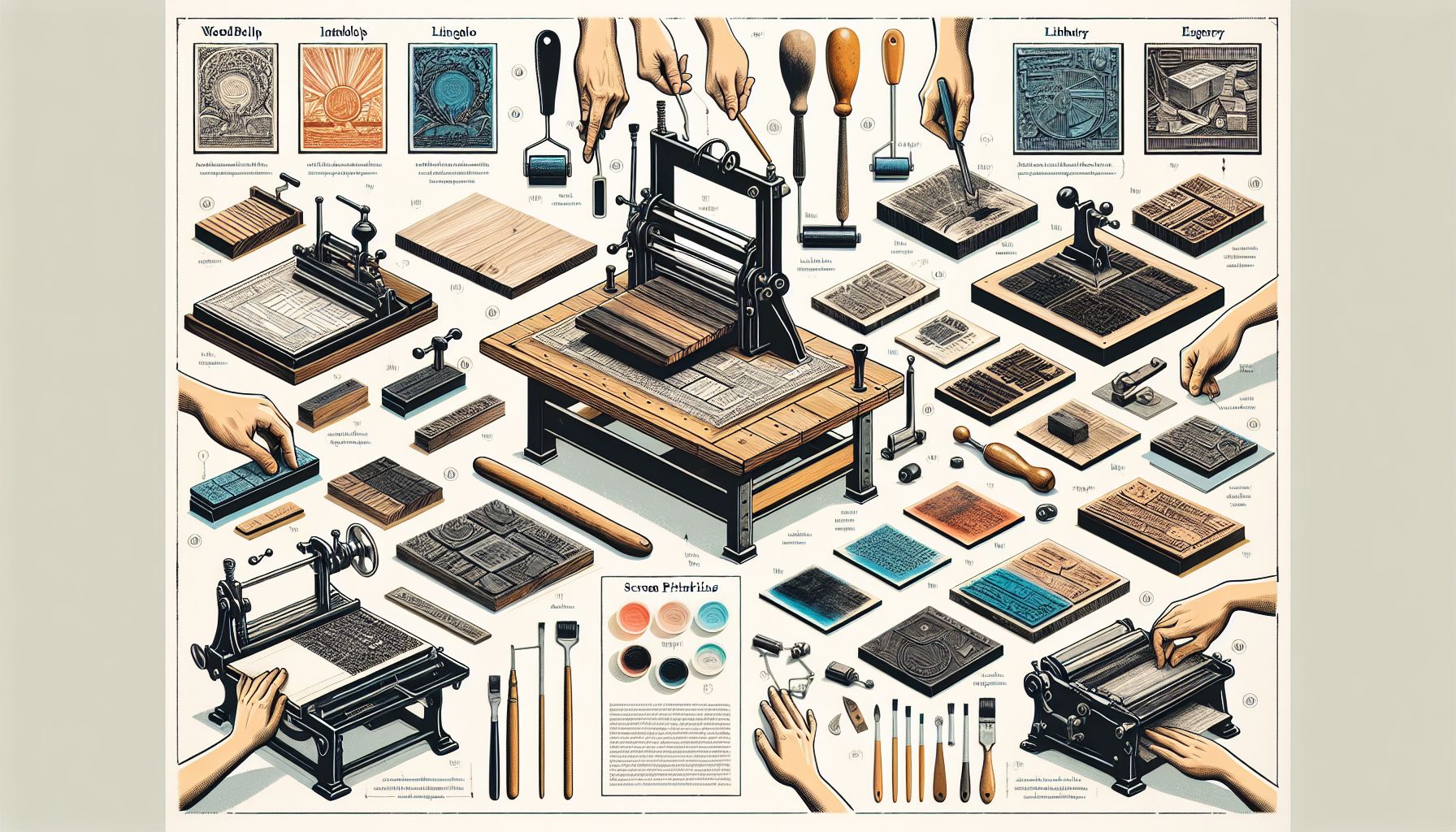
#printing techniques: a comprehensive guide to mastering the art
Printing is an essential aspect of design and communication. From business cards to billboards, printing plays a crucial role in bringing ideas to life and reaching a wider audience. With advancements in technology, there are various printing techniques available to artists and designers today. Each technique offers unique benefits and challenges, making it important to understand the differences and choose the right method for each project. In this comprehensive guide, we will explore some of the most popular printing techniques, their advantages and disadvantages, and how to master the art of printing.
Introduction to Printing Techniques
Printing techniques can be broadly categorized into two main types: traditional and modern. Traditional printing techniques, such as letterpress and screen printing, have been around for centuries and involve manually transferring ink onto a substrate. Modern printing techniques, on the other hand, rely on digital technology to reproduce images and text with precision and speed.
Traditional Printing Techniques
Letterpress
Letterpress is one of the oldest printing techniques, dating back to the 15th century. In letterpress printing, a raised surface is inked and pressed onto paper to create an impression. This method produces a tactile and elegant result, with deep impressions and rich colors. Letterpress is commonly used for wedding invitations, business cards, and stationery.
Advantages of Letterpress
- High-quality and luxurious finish
- Ideal for small print runs
- Unique tactile feel
Disadvantages of Letterpress
- Limited color options
- Longer printing time
- Higher cost compared to modern techniques
Screen Printing
Screen printing, also known as silkscreen or serigraphy, is a versatile printing technique that uses a mesh screen to transfer ink onto a substrate. Screen printing is popular for its vibrant colors and durability, making it suitable for printing on fabrics, paper, and other materials.
Advantages of Screen Printing
- Vibrant colors and durability
- Suitable for a wide range of substrates
- Cost-effective for bulk printing
Disadvantages of Screen Printing
- Limited detail and resolution
- Time-consuming for complex designs
- Requires separate screens for each color
Modern Printing Techniques
Digital Printing
Digital printing is a modern printing technique that involves transferring digital images directly onto a substrate using a printer. Digital printing offers fast turnaround times and high-quality results, making it suitable for printing marketing materials, posters, and other promotional items.
Advantages of Digital Printing
- Fast turnaround times
- High-quality and accurate color reproduction
- Cost-effective for short print runs
Disadvantages of Digital Printing
- Limited substrate options
- Not suitable for large print runs
- Higher cost per unit compared to offset printing
Offset Printing
Offset printing, also known as lithography, is a popular commercial printing technique that involves transferring ink from a plate onto a rubber blanket before printing it onto the substrate. Offset printing produces high-quality and precise prints, making it ideal for printing newspapers, magazines, and brochures.
Advantages of Offset Printing
- High-quality and precise prints
- Cost-effective for large print runs
- Wide range of substrates available
Disadvantages of Offset Printing
- Longer setup time
- Not cost-effective for short print runs
- Limited color options compared to digital printing
Mastering the Art of Printing
To master the art of printing, it is essential to understand the intricacies of each printing technique and choose the right method for each project. Here are some tips to help you become a printing expert:
- Experiment with different techniques to understand their strengths and limitations.
- Work closely with printers to ensure your designs are optimized for each printing method.
- Pay attention to color management and resolution to achieve the best possible results.
- Stay updated on the latest trends and advancements in printing technology to improve your skills.
By mastering the art of printing, you can bring your designs to life and create impactful visual communication materials that resonate with your audience.
Conclusion
Printing techniques play a crucial role in bringing ideas to life and reaching a wider audience. From traditional methods like letterpress and screen printing to modern techniques like digital printing and offset printing, there are various options available to artists and designers today. By understanding the differences between each technique and mastering the art of printing, you can create high-quality prints that leave a lasting impression. Experiment, collaborate, and stay curious to unlock the full potential of printing and elevate your design work to new heights.