
Exploring the World of Printing Techniques
In today’s digital age, printing has become an essential part of our lives. From business cards to posters to packaging, we rely on printing techniques to bring our designs to life. But with so many different methods available, it can be overwhelming to choose the right one for your project. In this article, we will explore some of the most popular printing techniques and help you understand the differences between them.
Introduction to Printing Techniques
Printing techniques can be broadly categorized into two main types: traditional printing and digital printing. Traditional printing methods, such as offset printing and letterpress, involve transferring ink onto paper using plates or rollers. Digital printing, on the other hand, utilizes digital files to directly print onto the substrate.
Traditional Printing Techniques
Offset Printing
Offset printing is one of the most commonly used printing methods in the industry. It involves transferring ink from a plate onto a rubber blanket and then onto the paper. This process allows for consistent, high-quality prints and is ideal for large print runs.
Letterpress
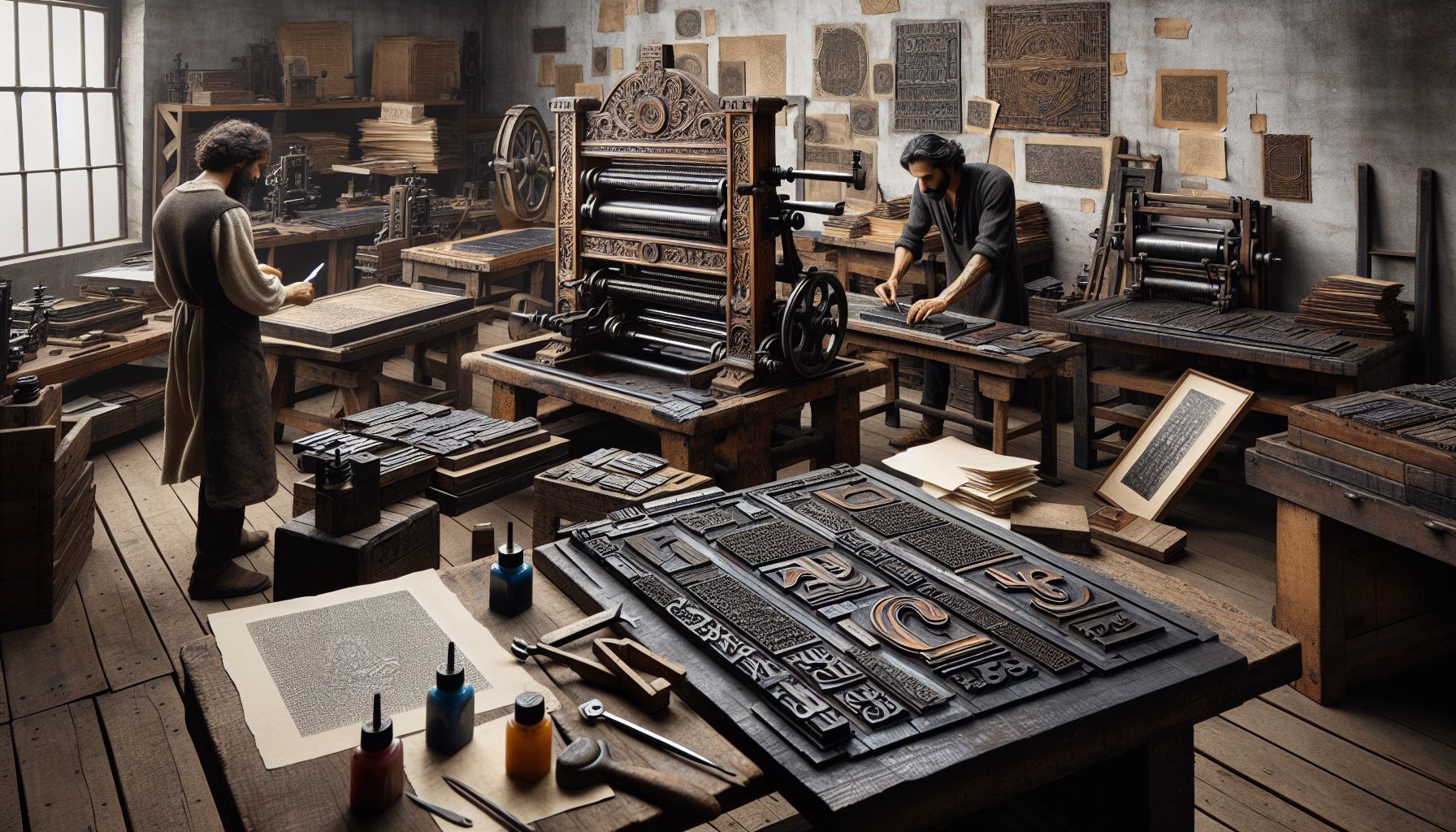
Letterpress printing is a centuries-old technique that involves pressing raised image or text onto paper. This method creates a tactile, unique finish that is perfect for wedding invitations, business cards, and other specialty items.
Screen Printing
Screen printing involves creating a stencil on a mesh screen and then using a squeegee to push ink through the screen onto the substrate. This versatile technique can be used on a variety of materials, including paper, fabric, and plastic.
Digital Printing Techniques
Inkjet Printing
Inkjet printing uses tiny droplets of ink to create images on paper. This method is ideal for short print runs and variable data printing, as it allows for quick and affordable customization.
Laser Printing
Laser printing uses a laser beam to transfer toner onto paper. This method is commonly used for high-speed, high-volume printing and is often found in offices and commercial print shops.
Choosing the Right Printing Technique
When deciding on a printing technique for your project, there are several factors to consider:
-
Quantity: If you need a large print run, offset printing may be the most cost-effective option. For small quantities or personalized prints, digital printing may be more suitable.
-
Quality: Different printing techniques offer varying levels of quality and detail. Letterpress and offset printing are known for their high-quality finishes, while digital printing is better suited for quick, on-demand printing.
-
Material: Consider the type of material you will be printing on. Some techniques, such as screen printing, are better suited for fabrics and other non-paper substrates.
-
Budget: Printing costs can vary depending on the technique used. Traditional printing methods may be more expensive upfront due to setup costs, while digital printing offers more affordable pricing for short runs.
Conclusion
Printing techniques play a crucial role in bringing designs to life and communicating messages to a wider audience. By understanding the differences between traditional and digital printing methods, you can choose the right technique for your specific needs. Whether you’re looking for high-quality finishes or quick customization, there is a printing technique out there to suit your project. So next time you’re planning a print job, consider the options available and select the method that best fits your requirements.