
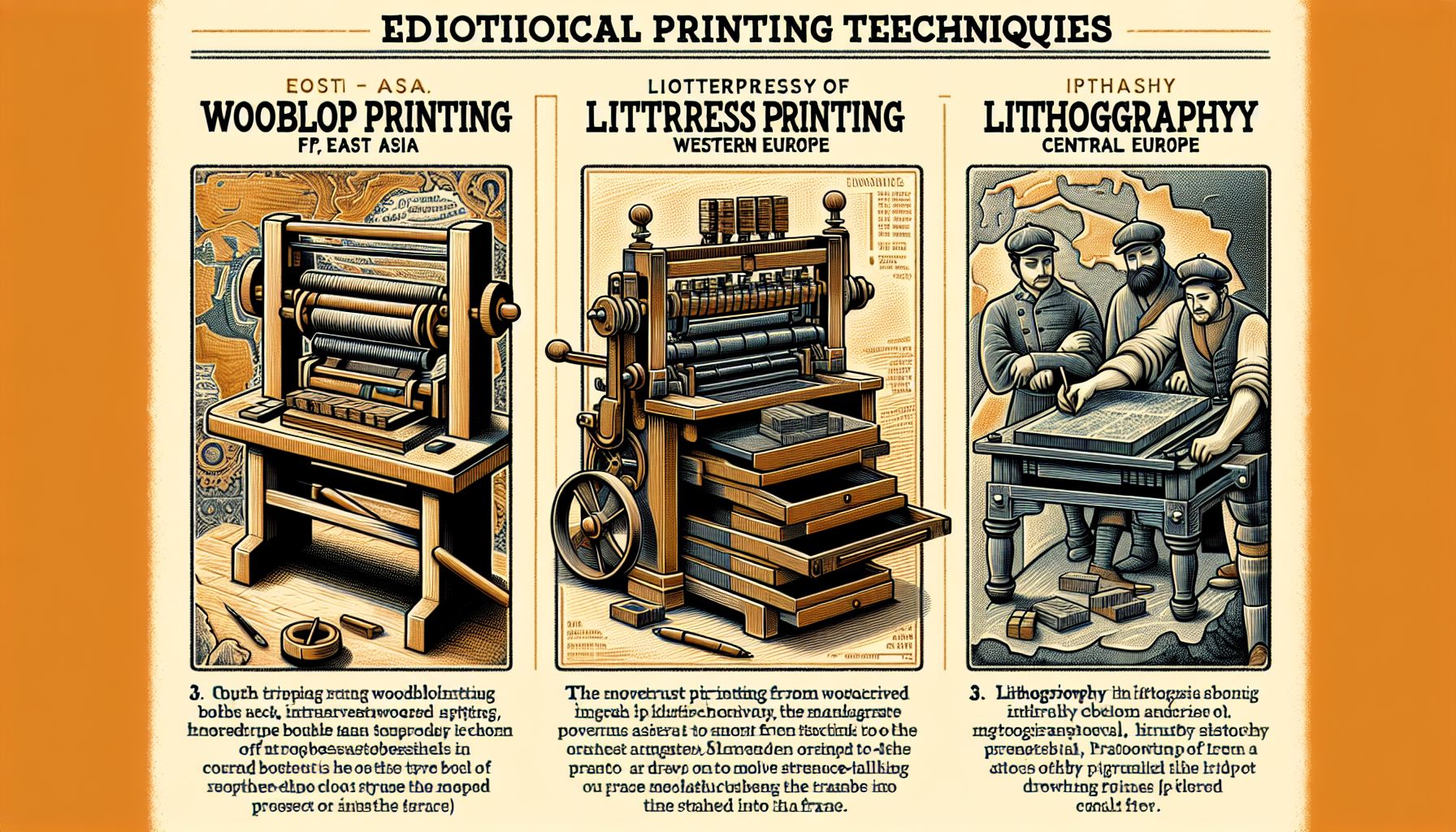
Exploring Different Printing Techniques
In today’s digital age, it’s easy to forget about the traditional art of printing. However, printing techniques have evolved and diversified over the years, offering a wide range of options for artists, designers, and businesses alike. From offset printing to screen printing to digital printing, each technique has its own unique advantages and applications. In this blog post, we’ll explore some of the most popular printing techniques and how they are used in different industries.
Offset Printing
Offset printing, also known as lithography, is one of the most commonly used printing techniques in the world. It is a versatile and cost-effective method that can produce high-quality prints in large quantities. Offset printing works by transferring ink from a plate to a rubber blanket, then onto the printing surface. This process allows for consistent and precise color reproduction, making it ideal for projects that require accurate color matching.
Offset printing is often used for producing magazines, newspapers, brochures, and other mass-produced materials. It is also a popular choice for businesses that need large quantities of printed materials, such as business cards, letterheads, and envelopes. Despite the rise of digital printing, offset printing remains a popular choice for its high-quality output and cost-effectiveness.
Digital Printing
Digital printing is a modern printing technique that involves transferring digital images directly onto a variety of media. Unlike offset printing, digital printing does not require printing plates, which makes it a more cost-effective choice for short print runs. Digital printing offers quick turnaround times and the ability to customize prints easily, making it ideal for on-demand printing and variable data printing.
Digital printing is commonly used for producing business cards, flyers, posters, and other promotional materials. It is also a popular choice for personalized products, such as photo books, invitations, and calendars. With advancements in technology, digital printing has become increasingly popular for its versatility and affordability.
Screen Printing
Screen printing is a versatile printing technique that involves pressing ink through a mesh screen onto a substrate. Each color in the design requires a separate screen, making it ideal for projects with limited colors. Screen printing is known for its vibrant colors and durability, making it a popular choice for t-shirts, posters, and other textiles.
Screen printing is often used for producing apparel, signage, and promotional products. It is a favorite among artists and designers for its ability to create bold and eye-catching prints. While screen printing can be time-consuming and labor-intensive, the results are often worth the effort, making it a popular choice for projects that require a high level of detail.
Flexography
Flexography, also known as flexo printing, is a printing technique that uses flexible relief plates to transfer ink onto a substrate. It is commonly used for packaging materials, labels, and other products that require high-speed printing. Flexography is known for its fast turnaround times and ability to print on a variety of materials, making it a popular choice for the packaging industry.
Flexography is often used for producing labels, packaging materials, and other products that require high-quality printing. It is a versatile and cost-effective choice for businesses that need to produce large quantities of printed materials. With advancements in technology, flexography has become a popular choice for its efficiency and flexibility.
Conclusion
Printing techniques have come a long way since the days of the printing press. Today, artists, designers, and businesses have a wide range of options to choose from when it comes to printing their projects. Whether you need high-quality prints in large quantities or customized prints on-demand, there is a printing technique that can meet your needs. By understanding the advantages and applications of different printing techniques, you can choose the method that best suits your project and budget. Whether you opt for offset printing, digital printing, screen printing, or flexography, you can rest assured that your prints will be of the highest quality.