
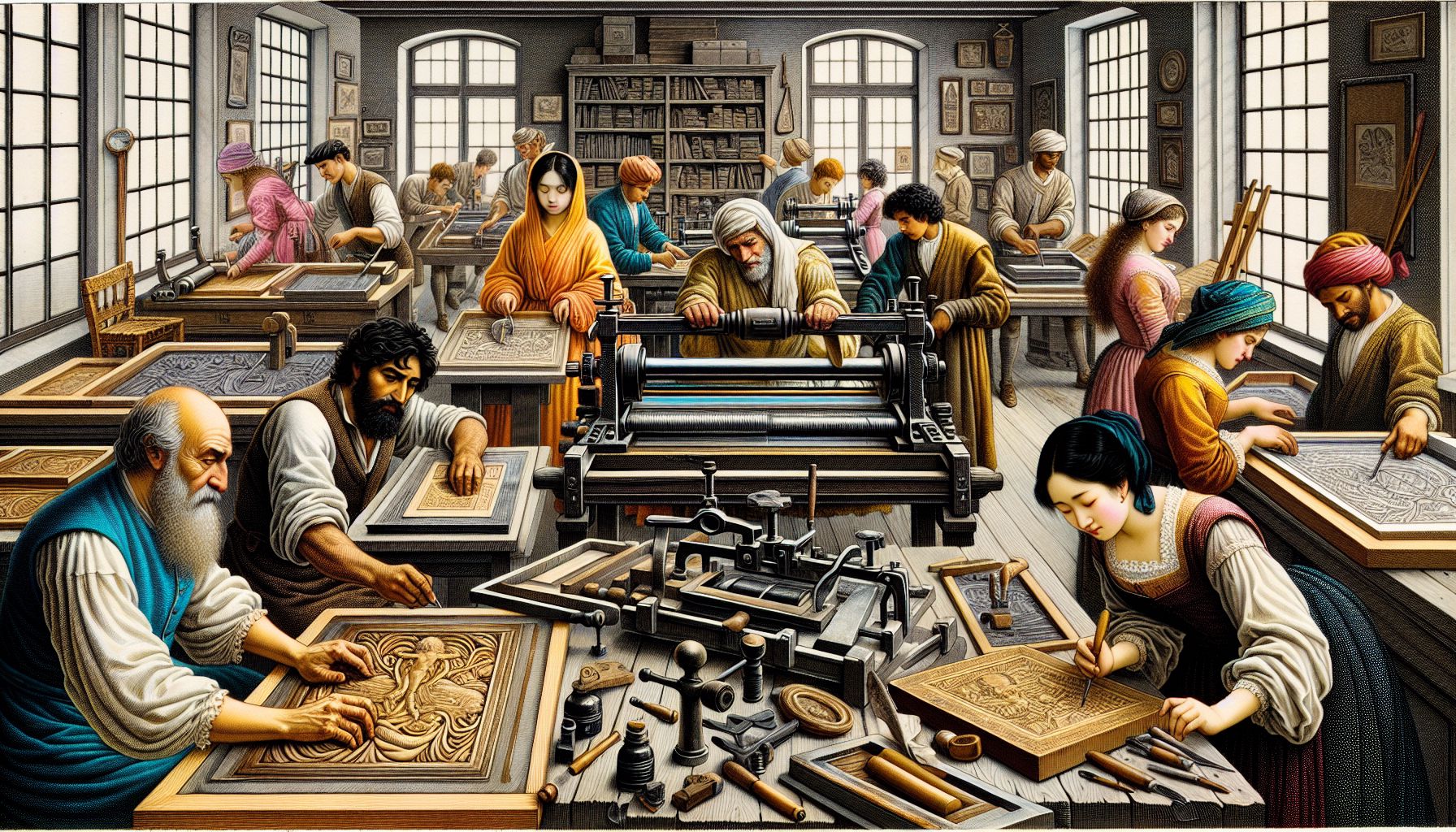
Exploring the World of Printing Techniques
Printing has been a fundamental aspect of human communication and expression for centuries. From the invention of the printing press in the 15th century to the modern digital printing technologies of today, the art of printing has evolved and diversified in countless ways. In this article, we will delve into some of the most common printing techniques used in the industry today, their unique characteristics, and the pros and cons of each method.
Introduction to Printing Techniques
Printing techniques can be broadly categorized into two main types: traditional and digital. Traditional printing methods, such as offset printing and letterpress, involve the transfer of ink from a plate to a surface, typically paper. Digital printing, on the other hand, uses computer-based technologies to transfer digital images directly onto a variety of substrates. Each method has its own set of advantages and limitations, making them suitable for different types of projects and budgets.
Traditional Printing Techniques
Offset Printing
Offset printing is one of the most commonly used traditional printing techniques. It involves transferring ink from a plate to a rubber blanket, which then transfers the ink onto the printing surface. This method is known for its high quality and consistency, making it ideal for large print runs and projects that require precise color matching. However, offset printing can be expensive for small runs due to the setup costs involved.
Letterpress
Letterpress is a timeless printing technique that dates back to the 15th century. It involves pressing raised type or images into paper, creating a tactile impression. Letterpress is revered for its unique and luxurious look, making it popular for wedding invitations, business cards, and other high-end projects. However, the process can be labor-intensive and time-consuming, limiting its suitability for large-scale printing.
Flexography
Flexography, also known as flexo printing, is a versatile printing technique commonly used for packaging materials and labels. It utilizes flexible relief plates and fast-drying inks to transfer images onto a variety of substrates, including plastics, metals, and paper. Flexography is known for its speed and efficiency, making it cost-effective for high-volume printing. However, it may not be well-suited for projects that require intricate details or high-resolution images.
Digital Printing Techniques
Inkjet Printing
Inkjet printing is a popular digital printing technique that uses droplets of ink to create images on paper or other substrates. Inkjet printers are widely available and affordable, making them ideal for small print runs and on-demand printing. This method offers high-quality results with vibrant colors and sharp details. However, inkjet printing can be slow compared to other digital methods, and the cost per page may be higher for large print runs.
Laser Printing
Laser printing is another common digital printing technique that uses a laser beam to transfer toner onto paper. Laser printers are known for their quick output and high-resolution results, making them suitable for a wide range of printing applications. Laser printing is cost-effective for medium to large print runs and offers consistent quality across all copies. However, laser printers may require regular maintenance and can be more expensive than inkjet printers.
Conclusion
Printing techniques play a crucial role in the visual communication industry, offering a wide range of options for designers, marketers, and businesses. Whether you are looking for high-quality offset printing for a large campaign or on-demand digital printing for a small project, there is a printing method that will suit your needs and budget. By understanding the unique characteristics and pros and cons of each technique, you can make informed decisions and create printed materials that stand out and make an impact.
In conclusion, the world of printing techniques is vast and ever-evolving, offering endless possibilities for creativity and expression. By exploring the different methods available and experimenting with various approaches, you can elevate your printed materials and make a lasting impression on your audience. So next time you embark on a printing project, consider the techniques discussed in this article and choose the one that best aligns with your vision and goals. Happy printing!