
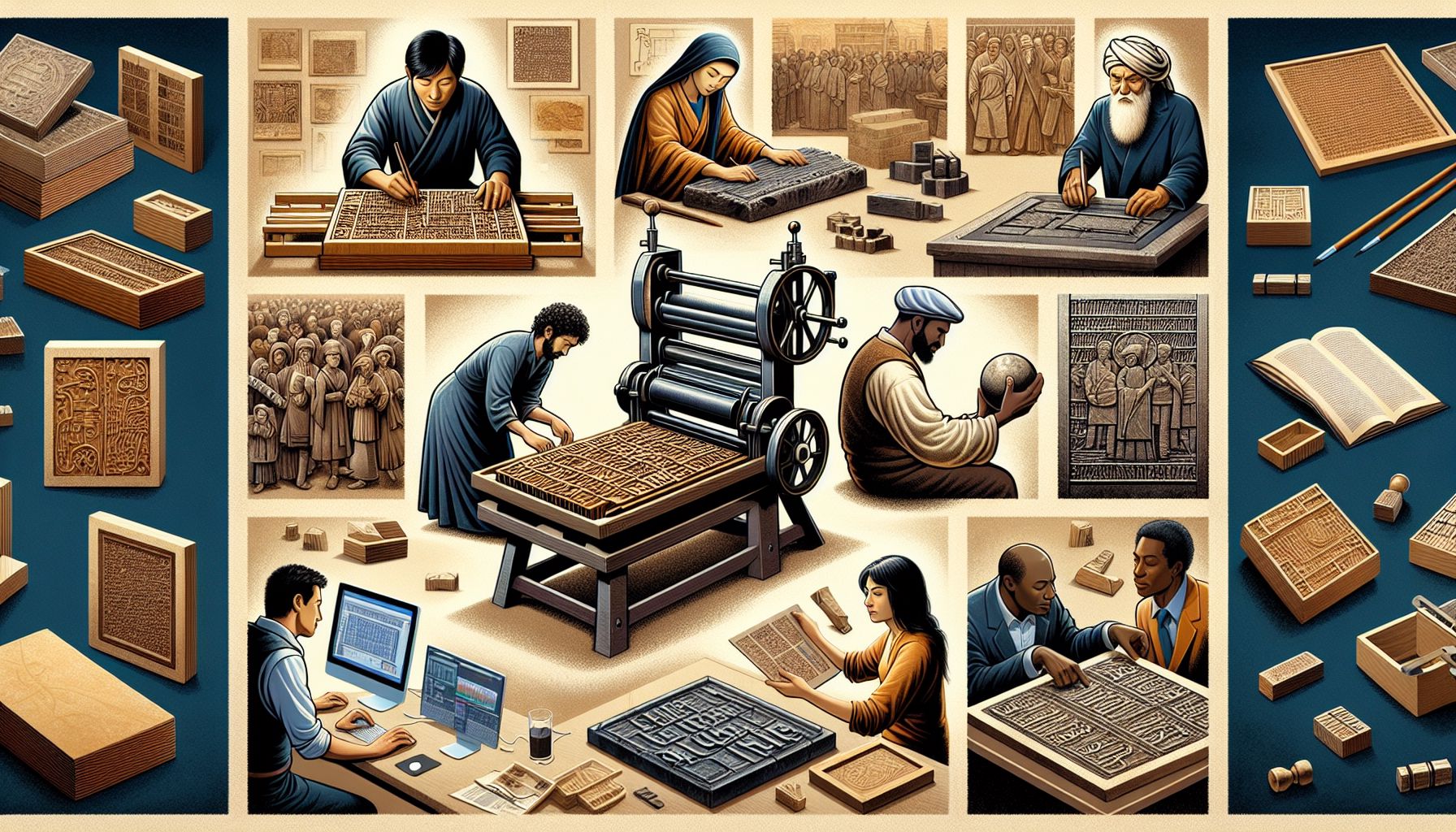
Exploring the World of Printing Techniques
In today’s fast-paced digital age, printing techniques have evolved to become more innovative and diverse than ever before. From traditional methods like offset printing to modern techniques such as 3D printing, there are a wide range of options available to suit different needs and preferences.
Introduction to Printing Techniques
Printing techniques can be broadly categorized into two main types: traditional and modern. Traditional printing techniques, such as offset printing, letterpress, and screen printing, have been used for centuries and are still popular today for their unique aesthetics and craftsmanship. On the other hand, modern printing techniques, like digital printing and 3D printing, offer more flexibility and efficiency for users.
Traditional Printing Techniques
Offset printing, also known as lithography, is a popular choice for high-volume printing jobs. This technique involves transferring an image from a plate to a rubber blanket, and then onto the printing surface. Offset printing is ideal for producing large quantities of materials such as newspapers, magazines, and brochures.
Letterpress printing is another traditional technique that has gained a resurgence in popularity in recent years. This method involves pressing a raised surface onto paper to create an impression. Letterpress printing is well-suited for projects that require a tactile and vintage feel, such as wedding invitations and business cards.
Screen printing, also known as silkscreen printing, is a versatile technique that can be used on a variety of surfaces, including paper, fabric, and glass. This process involves using a mesh screen to transfer ink onto the printing surface. Screen printing is often used for producing posters, apparel, and signage.
Modern Printing Techniques
Digital printing is a modern technique that offers fast turnaround times and cost-effective solutions for small to medium-sized print runs. This method involves transferring digital files directly onto the printing surface without the need for plates or screens. Digital printing is commonly used for items like business cards, flyers, and banners.
3D printing, also known as additive manufacturing, is a cutting-edge technique that creates three-dimensional objects by layering materials on top of each other. This technology has revolutionized industries such as healthcare, automotive, and aerospace by enabling the production of complex and customized parts. 3D printing has endless possibilities for creating prototypes, models, and even functional products.
Choosing the Right Printing Technique
When selecting a printing technique for your project, it’s important to consider factors such as budget, timeline, quantity, and desired outcome. Traditional techniques like offset printing and letterpress are best suited for projects that require high-quality and tactile finishes, while modern techniques like digital printing and 3D printing are ideal for fast and cost-effective solutions.
In conclusion, printing techniques have come a long way from the days of Gutenberg’s printing press. Whether you’re looking to create a classic invitation or a cutting-edge prototype, there’s a printing technique out there to suit your needs. By understanding the differences between traditional and modern methods, you can make an informed decision that will bring your vision to life.