
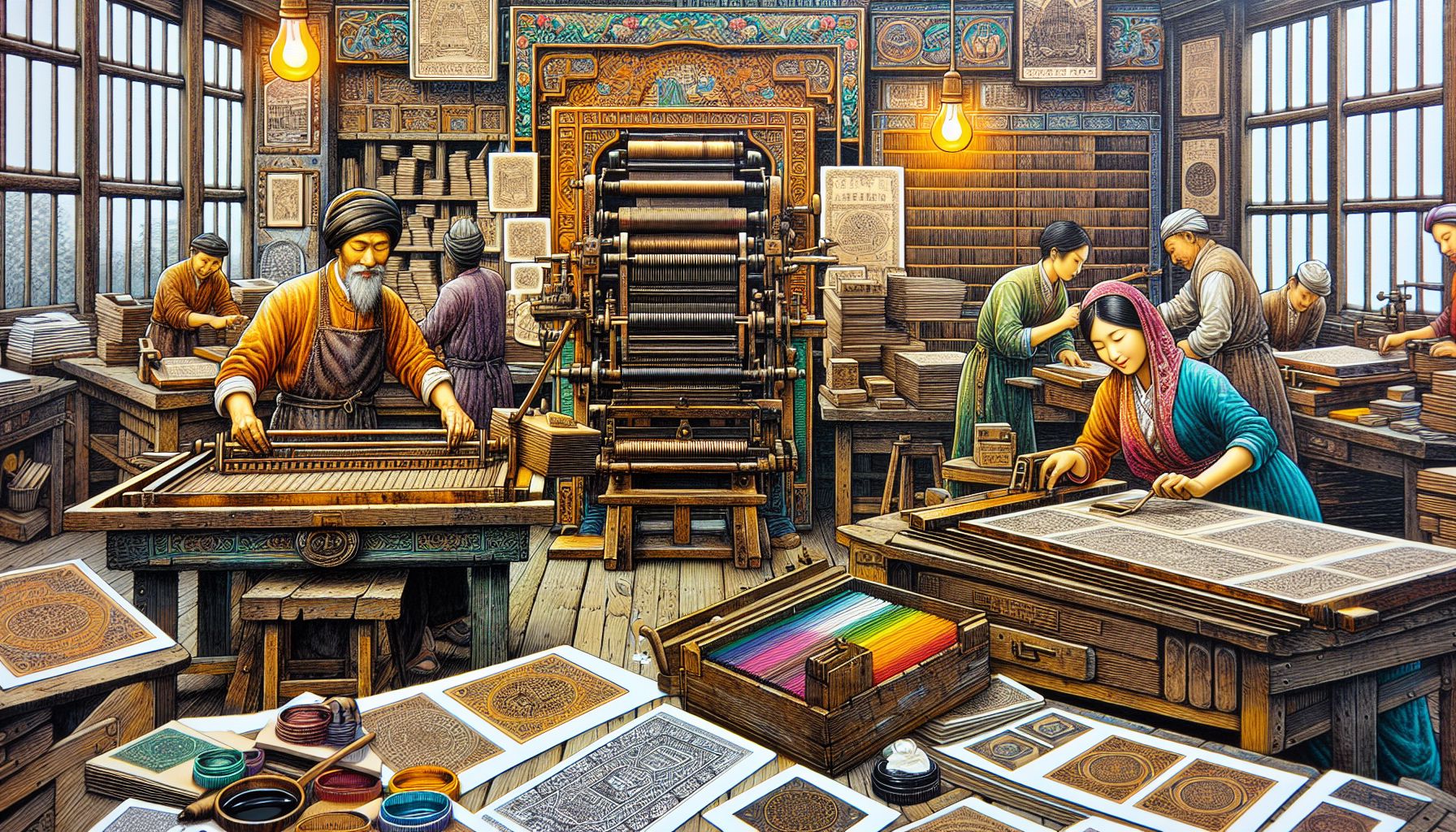
Exploring the World of Printing Techniques
In today’s digital age, there are countless ways to create printed materials, from posters and business cards to packaging and books. With so many options available, it can be overwhelming to choose the right printing technique for your project. In this article, we will explore some of the most common printing techniques used today, including offset printing, digital printing, screen printing, and more.
Introduction to Printing Techniques
Printing techniques have evolved significantly over the years, with advancements in technology allowing for more efficient and high-quality printing. Each printing technique has its own strengths and weaknesses, making it important to choose the right one for your specific needs. Whether you’re looking to create a small run of custom invitations or a large-scale marketing campaign, understanding the different printing techniques available can help you achieve the best results.
Offset Printing
Offset printing is one of the most widely used printing techniques, particularly for large print runs. This method involves transferring ink from a plate to a rubber blanket before finally printing it onto the desired surface. Offset printing produces high-quality prints with accurate color reproduction and sharp detail, making it ideal for printing everything from brochures to magazines.
Digital Printing
Digital printing has revolutionized the printing industry, allowing for quick turnaround times and cost-effective solutions for small print runs. Digital printing involves transferring a digital image directly onto the printing surface, eliminating the need for plates or setup costs. This method is perfect for on-demand printing and variable data printing, making it a popular choice for personalized marketing materials.
Screen Printing
Screen printing is a versatile printing technique that can be used on a variety of surfaces, including textiles, paper, and plastic. This method involves using a stencil to transfer ink onto the printing surface, creating vibrant, long-lasting prints. Screen printing is commonly used for custom apparel, posters, and signage, thanks to its durability and versatility.
Flexography
Flexography is another popular printing technique, particularly for packaging materials and labels. This method uses flexible relief plates to transfer ink onto various substrates, such as paper, cardboard, and plastic. Flexography is known for its fast drying times and ability to print on uneven surfaces, making it perfect for creating high-quality packaging materials with crisp, clean images.
Gravure Printing
Gravure printing is a high-quality printing technique commonly used for long print runs, such as magazines and catalogs. This method involves etching an image onto a cylinder, which is then transferred onto the printing surface. Gravure printing produces sharp, detailed prints with rich colors and deep blacks, making it ideal for high-end print materials.
Letterpress Printing
Letterpress printing is a traditional printing technique that involves pressing raised type or images onto paper, creating a tactile, three-dimensional effect. This method is perfect for creating elegant invitations, business cards, and stationery with a vintage feel. Letterpress printing is known for its distinctive look and feel, making it a popular choice for luxury printed materials.
Conclusion
Choosing the right printing technique for your project can make all the difference in the final result. Whether you’re looking for high-quality prints for a large marketing campaign or personalized materials for a small event, understanding the different printing techniques available can help you achieve the desired outcome. From offset printing to digital printing, each technique has its own unique advantages and applications, so take the time to explore your options and find the perfect fit for your needs. Happy printing!