
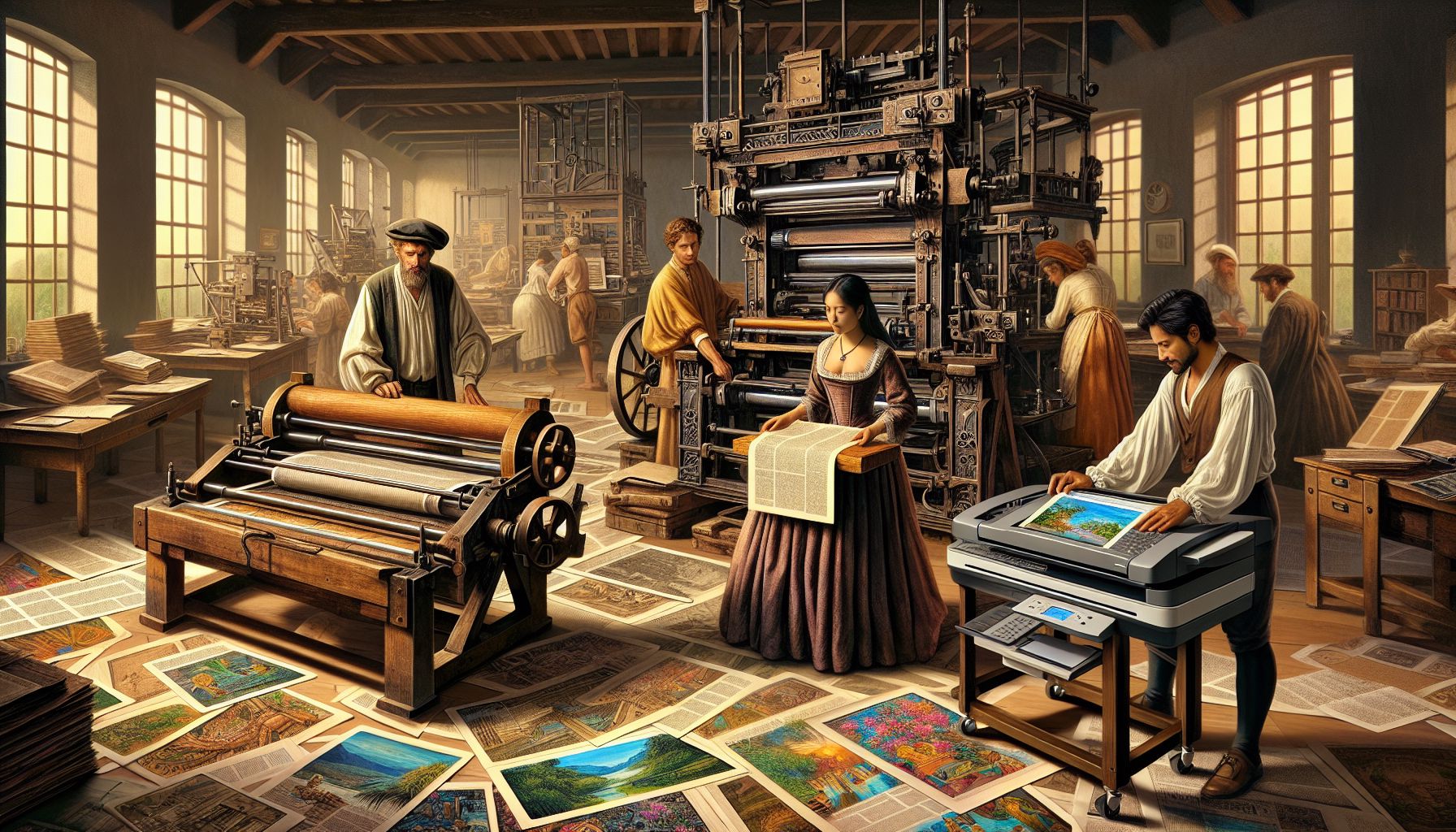
Exploring Different Printing Techniques
In today’s digital age, printing techniques have evolved significantly, offering a wide range of options for creating stunning printed materials. Whether you are looking to print business cards, flyers, or posters, understanding the various printing techniques available can help you choose the best option for your needs. In this article, we will explore some of the most popular printing techniques, their advantages, and how to decide which method is right for you.
Offset Printing
Offset printing, also known as lithography, is one of the most commonly used methods for commercial printing. This technique involves transferring ink from a plate onto a rubber blanket, which is then rolled onto the printing surface. Offset printing is ideal for high-volume printing jobs and produces sharp, clean images with vibrant colors.
One of the main advantages of offset printing is its cost-effectiveness for large runs. The more you print, the lower the cost per unit, making it an excellent choice for businesses looking to print a large quantity of materials. Additionally, offset printing allows for precise color matching, making it ideal for projects that require specific brand colors.
Digital Printing
Digital printing has revolutionized the printing industry, providing a quick and cost-effective solution for lower volume printing jobs. This technique involves sending digital files directly to the printer, eliminating the need for plates and setup costs. Digital printing is perfect for short runs, as it offers fast turnaround times and allows for customization on each printed piece.
One of the key advantages of digital printing is its flexibility. With digital printing, you can easily make changes to your design without incurring additional costs, making it a great option for projects that require frequent updates or personalized content. Digital printing also offers variable data printing, allowing you to create unique, targeted materials for each recipient.
Flexographic Printing
Flexographic printing is a versatile technique that is commonly used for packaging materials, labels, and newspapers. This method uses flexible relief plates to transfer ink onto the printing surface, resulting in high-quality prints with crisp images and vibrant colors. Flexographic printing is ideal for large runs and offers excellent cost efficiency for high-volume projects.
One of the main advantages of flexographic printing is its versatility in printing on various substrates, including paper, plastic, and cardboard. This makes it a popular choice for printing packaging materials that require durability and moisture resistance. Flexographic printing also allows for quick setup times and high-speed printing, making it an efficient option for time-sensitive projects.
Screen Printing
Screen printing is a popular technique for printing on apparel, signage, and promotional products. This method involves pushing ink through a mesh screen onto the printing surface, creating bold, opaque prints with vibrant colors. Screen printing is ideal for projects that require long-lasting, durable prints on various materials.
One of the main advantages of screen printing is its versatility in printing on different surfaces, such as textiles, metal, and plastic. This makes it a popular choice for creating branded merchandise, promotional items, and custom apparel. Screen printing also offers the ability to print on dark or colored backgrounds, providing excellent color coverage and contrast.
Choosing the Right Printing Technique
When deciding on a printing technique for your project, there are several factors to consider, including the quantity of prints needed, the desired quality and finish, and the budget. For large runs with precise color matching requirements, offset printing may be the best option. If you need quick turnaround times with personalized content, digital printing is a cost-effective choice. For packaging materials or durable prints, flexographic printing may be the most suitable method. And for apparel, signage, or promotional products, screen printing offers vibrant, long-lasting prints on a variety of surfaces.
In conclusion, understanding the various printing techniques available can help you choose the best option for your printing needs. Whether you are looking to print business cards, flyers, packaging materials, or apparel, there is a printing technique that can meet your specific requirements. By considering factors such as quantity, quality, finish, and budget, you can select the most suitable printing method to create stunning printed materials that make a lasting impression.