
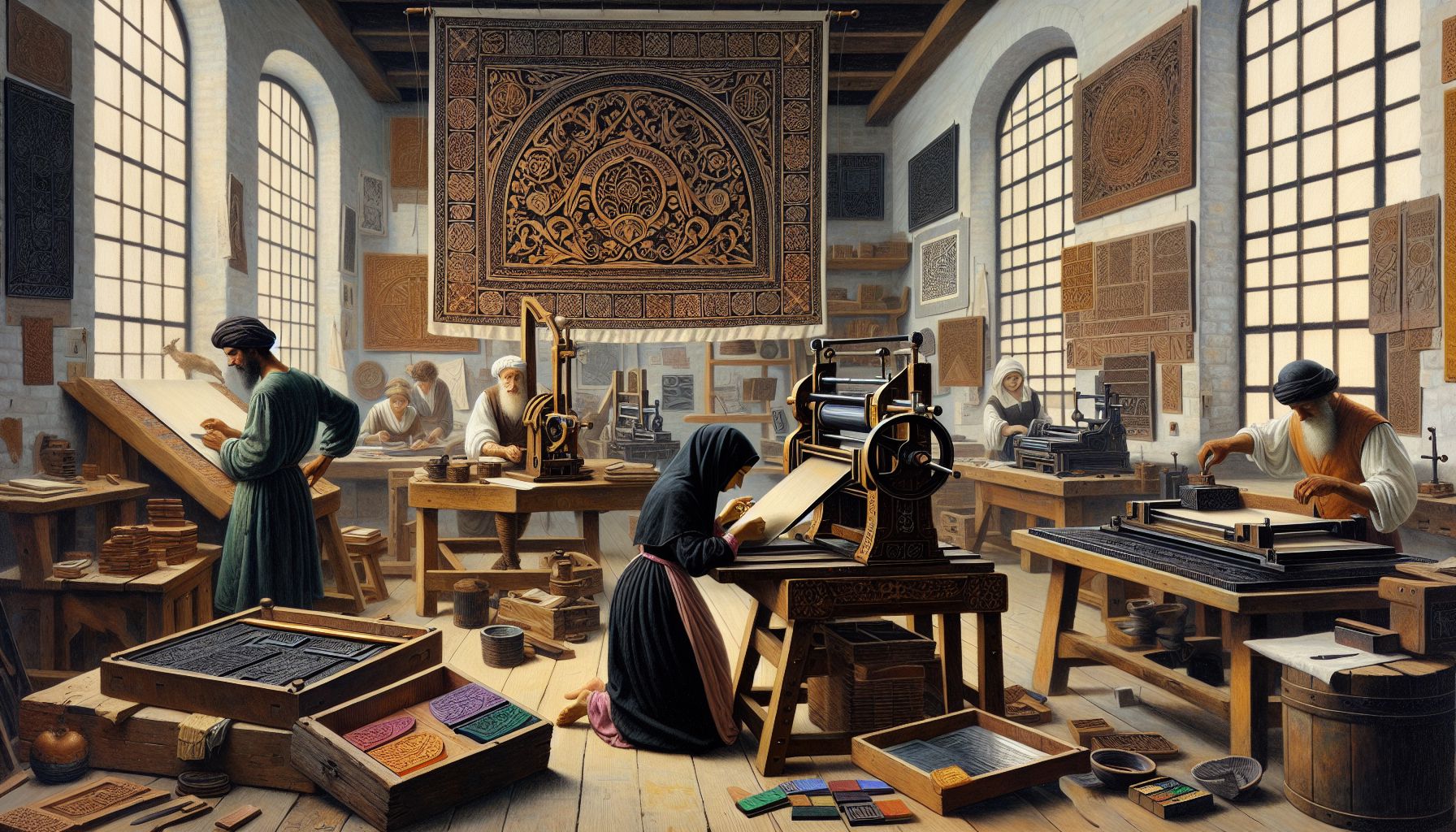
Exploring the World of Printing Techniques
In today’s fast-paced world, it’s easy to take for granted the printed materials that surround us. Whether it’s a business card, a flyer, or a product label, printing techniques play a crucial role in creating visually appealing and effective communication tools. From traditional methods like offset printing to cutting-edge digital technologies, there are a wide variety of techniques available to suit different needs and budgets. In this article, we will explore some of the most common printing techniques used today and delve into the unique characteristics of each.
Offset Printing
Offset printing, also known as lithography, is one of the most widely used printing techniques in the industry. It involves transferring ink from a plate to a rubber blanket, which then presses onto the printing surface. This method is ideal for high-volume projects and ensures consistent and high-quality results. Offset printing is known for its sharp and clean images, making it a popular choice for brochures, magazines, and other marketing materials.
Digital Printing
Digital printing has revolutionized the printing industry in recent years, offering quick turnaround times and cost-effective solutions for small print runs. This technique involves directly transferring digital files onto the printing surface, eliminating the need for plates and setup costs. Digital printing is highly customizable, allowing for variable data printing and personalized materials. It is ideal for short runs, on-demand printing, and projects that require quick turnaround times.
Screen Printing
Screen printing is a versatile technique that involves using a mesh screen to transfer ink onto a substrate. This method is commonly used for printing on textiles, such as t-shirts and bags, but can also be used on paper and other materials. Screen printing allows for vibrant and opaque colors, making it ideal for designs that require a high level of detail and color saturation. This technique is also cost-effective for large print runs, as the setup costs are relatively low.
Flexography
Flexography is a popular choice for printing packaging materials, such as labels, cartons, and bags. This technique uses flexible printing plates mounted on a rotating cylinder to transfer ink onto the printing surface. Flexography is known for its fast printing speeds and ability to print on a variety of substrates, including paper, plastic, and metal. This method is ideal for projects that require high-quality images and colors on flexible materials.
Gravure Printing
Gravure printing, also known as intaglio printing, is a high-quality and cost-effective printing technique used for long print runs. This method involves etching an image onto a cylinder, which is then coated with ink and pressed onto the printing surface. Gravure printing produces sharp and detailed images, making it ideal for projects that require high-definition graphics, such as magazines, catalogs, and packaging. While the setup costs for gravure printing are higher than other methods, the per-unit cost decreases with larger print runs.
Conclusion
Printing techniques play a crucial role in creating effective communication tools that capture the attention of the audience. From traditional offset printing to digital printing, each method offers unique benefits and characteristics that cater to different needs and budgets. By understanding the strengths and limitations of each technique, businesses can make informed decisions on the best printing method for their projects. Whether it’s a colorful brochure, a sleek business card, or a captivating label, the right printing technique can elevate the impact of any printed material. As technology continues to advance, the world of printing techniques will only continue to evolve, offering endless possibilities for creativity and innovation.