
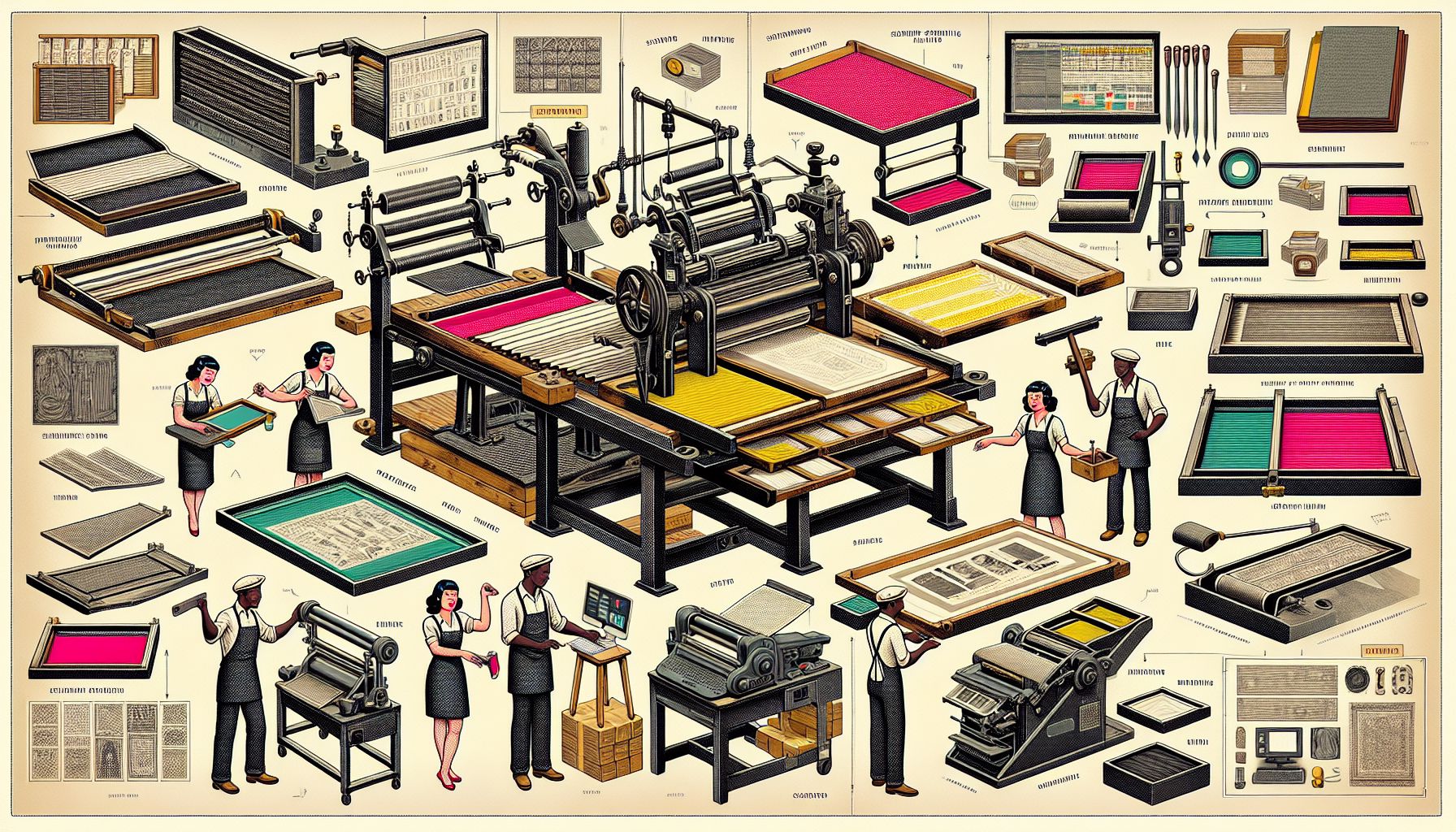
Exploring the World of Printing Techniques
In today’s fast-paced world of technology and innovation, the art of printing remains an essential part of many industries. From advertising and marketing to art and design, the way in which images and text are printed can have a significant impact on the final product.
There are a myriad of printing techniques available, each with its own unique characteristics and benefits. In this article, we will explore some of the most popular and innovative printing techniques used today, from traditional methods like offset and digital printing to more specialized techniques like screen printing and letterpress.
Offset Printing
Offset printing, also known as lithography, is one of the most commonly used printing techniques in the world. It involves transferring an inked image from a plate onto a rubber blanket, which is then pressed onto the printing surface. This method is ideal for high-volume printing jobs, as it produces crisp, high-quality images with consistent color.
One of the key advantages of offset printing is its ability to accurately reproduce colors, making it ideal for projects that require precise color matching. Additionally, offset printing can accommodate a wide range of paper sizes and thicknesses, making it suitable for a variety of printing applications.
Digital Printing
Digital printing has revolutionized the printing industry, offering a quick and cost-effective alternative to traditional printing methods. Instead of using plates, digital printers use digital files to directly transfer images onto the printing surface. This results in faster turnaround times and lower setup costs, making it ideal for short print runs or customized projects.
Another advantage of digital printing is its ability to produce variable data printing, allowing for personalized content to be printed on each individual piece. This makes digital printing a popular choice for direct mail campaigns, event promotions, and other marketing materials.
Screen Printing
Screen printing, also known as silk screening, is a versatile printing technique that can be used on a variety of materials, including paper, fabric, and plastic. In screen printing, a stencil is used to transfer ink onto the printing surface through a mesh screen. This method allows for vibrant colors and detailed designs, making it popular for t-shirts, posters, and other promotional products.
One of the advantages of screen printing is its ability to print on a wide range of materials, from paper and fabric to metal and glass. Additionally, screen printing can achieve a high level of opacity, making it ideal for projects that require bold, solid colors.
Letterpress Printing
Letterpress printing is a traditional printing technique that dates back to the 15th century. In letterpress printing, raised images and text are inked and pressed onto the printing surface, creating a tactile impression. This method produces a unique, vintage look that is popular for wedding invitations, business cards, and other high-end printed materials.
Despite its labor-intensive process, letterpress printing offers unmatched quality and elegance, making it a popular choice for projects that require a touch of sophistication. Additionally, letterpress printing can be used on a variety of paper types, creating a luxurious finish that sets it apart from other printing techniques.
Conclusion
In conclusion, the world of printing techniques is vast and diverse, offering a range of options for all types of printing projects. Whether you need high-volume printing with precise color matching, quick and cost-effective digital printing, vibrant and detailed screen printing, or elegant and sophisticated letterpress printing, there is a printing technique to suit your needs.
By understanding the characteristics and benefits of each printing technique, you can make informed decisions about which method is best suited for your project. Whether you are a business owner looking to create eye-catching marketing materials or an artist seeking to bring your designs to life, the right printing technique can help you achieve your goals with precision and style.