
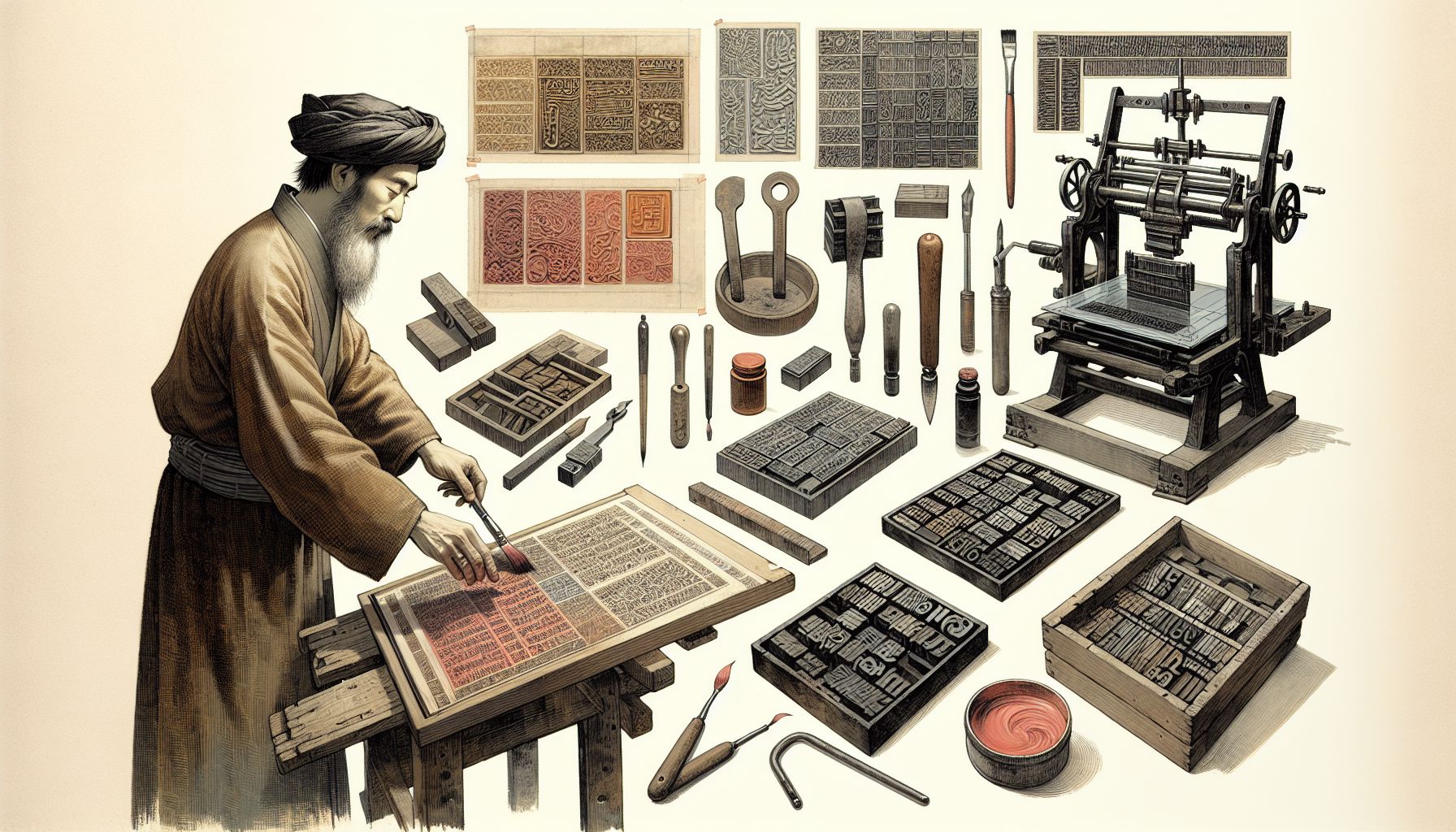
Exploring Different Printing Techniques
Printing has come a long way since its inception centuries ago. From simple hand-carved blocks to state-of-the-art digital printers, there are now a plethora of techniques available to bring our ideas to life on paper. In this article, we will explore some of the most common printing techniques used today, their unique features, and when they are most suitable.
Introduction to Printing Techniques
Printing techniques can be broadly categorized into two main types: traditional and digital. Traditional printing methods, such as offset lithography and letterpress, involve transferring ink onto paper through a physical medium, while digital printing utilizes computer technology to reproduce images directly onto the printing substrate.
Each method has its own advantages and disadvantages, and the choice of technique will depend on factors such as budget, turnaround time, and the desired final product. Let’s delve into some of the most popular printing techniques in more detail.
Offset Lithography
Offset lithography is one of the most widely used printing techniques, particularly for high-volume commercial printing. It involves transferring ink from a printing plate onto a rubber blanket, which then transfers the image onto the printing substrate, usually paper.
One of the key advantages of offset lithography is its ability to produce high-quality, detailed prints at a relatively low cost per unit. It is also capable of printing on a wide range of substrates, including paper, cardboard, and plastic.
However, offset lithography does have its limitations. It is not well-suited for short print runs, as the setup costs can be quite high. Additionally, the process can be time-consuming, as each color in the design requires a separate printing plate.
Letterpress
Letterpress is a traditional printing technique that dates back to the 15th century. It involves pressing raised metal or wood type against paper to create an impression. Letterpress is known for its distinctive tactile quality and deep impression, making it popular for wedding invitations, business cards, and other high-end stationery.
While letterpress printing can produce stunning results, it is not without its challenges. The process is labor-intensive and time-consuming, as each piece of type must be set by hand. Additionally, letterpress is limited in its ability to reproduce fine details and gradients.
Digital Printing
Digital printing has revolutionized the printing industry, offering fast turnaround times and cost-effective solutions for small print runs. Unlike traditional printing methods, digital printing does not require printing plates, making it ideal for printing on demand.
One of the key advantages of digital printing is its ability to produce variable data prints, allowing for personalized marketing materials and customized products. Digital printers can also reproduce photographic images and intricate designs with ease.
However, digital printing does have its limitations. While it is suitable for short print runs, digital printing may not be cost-effective for large-scale production. Additionally, digital prints do not have the same level of color accuracy and vibrancy as offset prints.
Screen Printing
Screen printing is a versatile printing technique that is commonly used for printing on t-shirts, posters, and other promotional items. It involves forcing ink through a fine mesh screen onto the printing substrate, with each color in the design requiring a separate screen.
Screen printing is ideal for bold, vibrant designs with flat colors. It can also produce unique effects, such as metallic and fluorescent inks. However, screen printing is not well-suited for detailed or complex designs, as the resolution is limited by the mesh size of the screen.
Conclusion
Printing techniques have evolved significantly over the years, offering a wide range of options for bringing our ideas to life on paper. Whether you opt for the timeless charm of letterpress or the versatility of digital printing, there is a printing technique to suit every project and budget.
By understanding the unique features and limitations of each printing technique, you can make an informed decision on which method is best suited to your needs. So next time you have a printing project in mind, consider exploring the different printing techniques available and choose the one that will best bring your vision to life.