
Exploring Different Printing Techniques
Printing has come a long way since the invention of the printing press by Johannes Gutenberg in the 15th century. Today, there are a variety of printing techniques used in the industry, each with its own unique characteristics and applications. In this blog post, we will explore some of the most commonly used printing techniques, including offset printing, digital printing, screen printing, and more.
Offset Printing
Offset printing is one of the oldest and most commonly used printing techniques in the industry. It involves transferring ink from a plate to a rubber blanket and then onto the printing surface. This process allows for high-quality prints with sharp images and vibrant colors. Offset printing is ideal for large print runs and is commonly used for newspapers, magazines, and brochures.
Digital Printing
Digital printing is a modern printing technique that involves printing directly from a digital file onto a variety of substrates, such as paper, cardboard, and fabric. Digital printing is known for its quick turnaround times and cost-effectiveness, making it ideal for short print runs and personalized printing projects. This technique is commonly used for business cards, flyers, and labels.
Screen Printing
Screen printing, also known as silk screening, is a versatile printing technique that involves pressing ink through a mesh screen onto a substrate. This process allows for vibrant, durable prints on a wide range of materials, including textiles, glass, and metal. Screen printing is commonly used for apparel, posters, and signage due to its ability to produce vibrant colors and intricate designs.
Flexography
Flexography is a high-speed printing technique that uses flexible relief plates to transfer ink onto a substrate. This process is commonly used for packaging materials, such as labels, bags, and corrugated boxes. Flexography is known for its ability to produce high-quality prints at a rapid pace, making it ideal for large print runs.
Gravure Printing
Gravure printing is a high-quality printing technique that involves etching an image onto a cylindrical roll, which is then coated with ink and pressed onto a substrate. This process allows for precise, detailed prints with consistent color reproduction. Gravure printing is commonly used for high-end applications, such as magazines, catalogs, and packaging.
Letterpress Printing
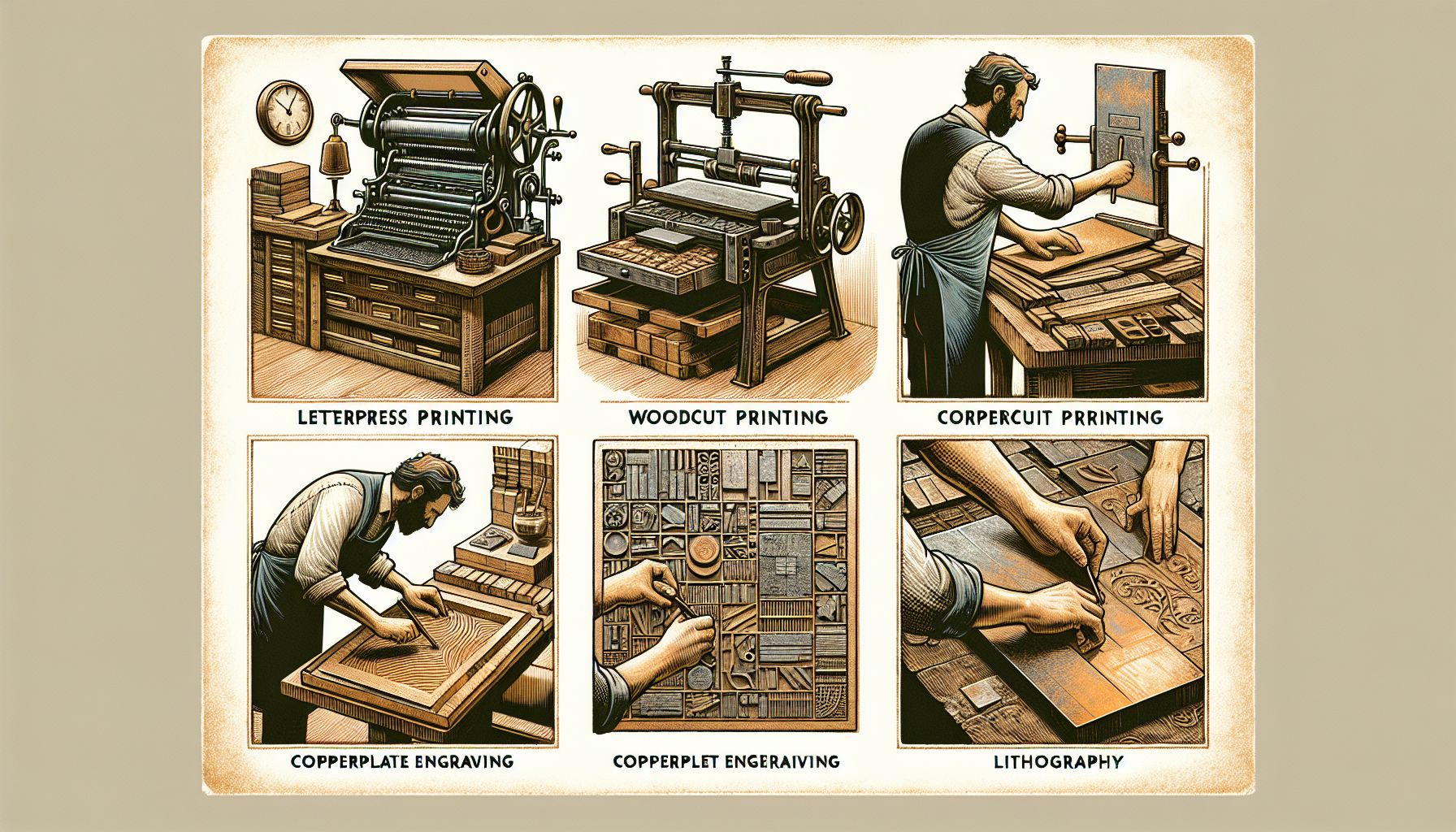
Letterpress printing is a traditional printing technique that involves pressing inked type or images onto a substrate to create a raised surface. This process produces a tactile, vintage look that is popular for wedding invitations, business cards, and stationery. Letterpress printing is known for its deep impression and rich texture, making it a favorite among designers and artists.
Conclusion
In conclusion, there are a variety of printing techniques available in the industry, each with its own unique characteristics and applications. Whether you are looking for high-speed production, vibrant colors, or a vintage look, there is a printing technique that can meet your needs. By understanding the different printing techniques and their capabilities, you can choose the best option for your printing project. So next time you need to print something, consider the different printing techniques available and choose the one that best suits your needs.