
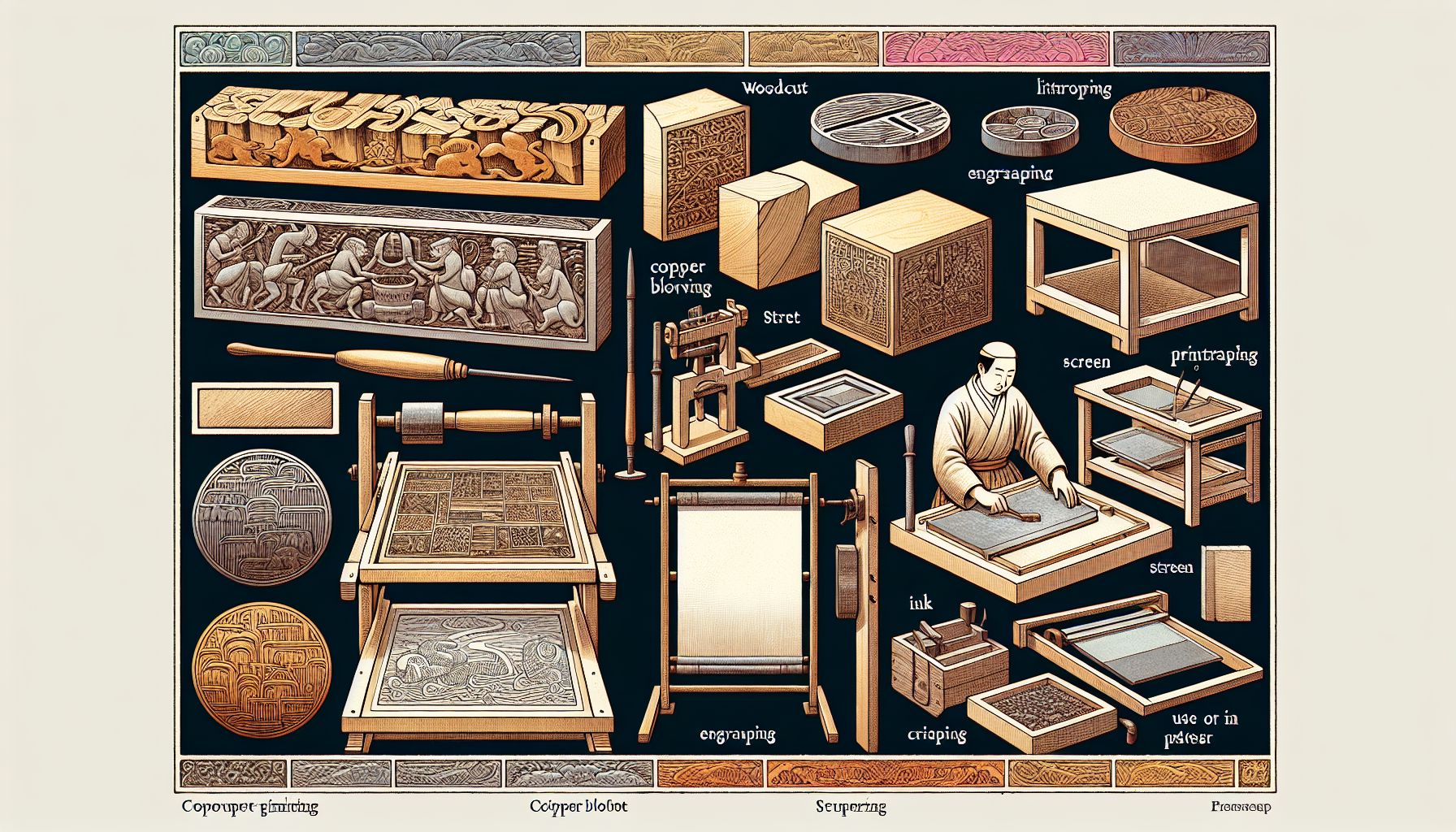
The Art of Printing Techniques
In today’s digital age, printing techniques have evolved significantly to cater to various needs and preferences. From traditional offset printing to modern digital printing, there are numerous options available that offer high-quality results for businesses and individuals alike. In this article, we will explore the different printing techniques, their benefits, and how to choose the right one for your project.
Introduction to Printing Techniques
Printing techniques can be categorized into two main types: traditional printing and digital printing. Traditional printing methods, such as offset printing, involve transferring an inked image from a plate onto a rubber blanket, which is then rolled onto paper. This process allows for high-quality prints with vibrant colors and sharp details.
On the other hand, digital printing eliminates the need for plates and allows for quick and cost-effective printing solutions. Digital printers use electronic files to produce prints directly onto various surfaces, making them ideal for short print runs and customized projects.
Traditional Printing Techniques
1. Offset Printing
Offset printing is one of the most common traditional printing techniques used in the industry. It involves transferring inked images onto a rubber blanket before transferring them onto paper. Offset printing offers high-quality results with precise color accuracy, making it ideal for large print runs and projects that require sharp details.
2. Letterpress Printing
Letterpress printing is another traditional technique that involves pressing inked plates onto paper to create raised images and text. This method produces beautiful, tactile prints with a vintage aesthetic that is perfect for wedding invitations, business cards, and stationery.
3. Flexography Printing
Flexography printing is commonly used for packaging materials and labels. It uses flexible relief plates and quick-drying inks to transfer images onto various substrates, such as paper, plastic, and cardboard. Flexography printing offers fast production speeds and the ability to print on a wide range of materials.
Digital Printing Techniques
1. Laser Printing
Laser printing is a popular digital printing technique that uses toner and heat to produce images on paper. Laser printers are known for their quick printing speeds and high-quality results, making them ideal for office documents, brochures, and marketing materials.
2. Inkjet Printing
Inkjet printing is another common digital printing method that uses liquid ink sprayed onto paper or other substrates to create images. Inkjet printers are versatile and can produce detailed prints with vibrant colors, making them suitable for photos, posters, and marketing materials.
3. Dye Sublimation Printing
Dye sublimation printing is a unique technique that uses heat to transfer dye onto various materials, such as fabric, metal, and ceramic. This method produces durable prints with vibrant colors and sharp details, making it ideal for personalized gifts, apparel, and promotional items.
Choosing the Right Printing Technique
When selecting a printing technique for your project, consider the following factors:
- Print quality: Choose a method that can produce the level of detail and color accuracy you need for your prints.
- Budget: Traditional printing methods may be more costly than digital printing, especially for smaller print runs.
- Turnaround time: Digital printing offers quick production speeds and is ideal for projects with tight deadlines.
- Substrate: Consider the type of material you will be printing on, as not all techniques are suitable for all substrates.
In conclusion, printing techniques have come a long way over the years, offering a range of options to suit different needs and preferences. Whether you opt for traditional offset printing or modern digital printing, there is a technique that can deliver high-quality results for your project. By understanding the benefits of each method and considering your specific requirements, you can choose the right printing technique to bring your vision to life.