
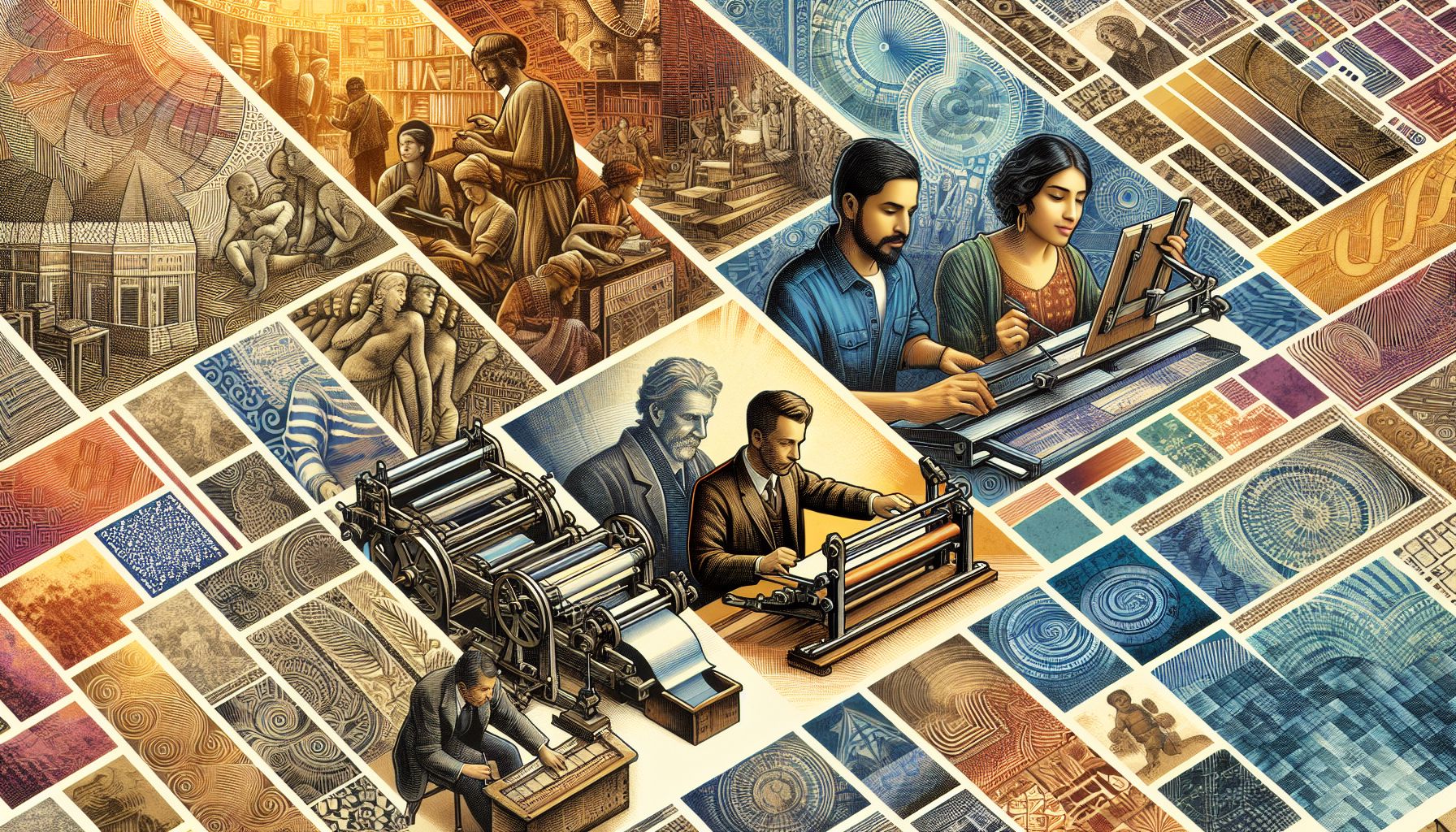
Exploring the World of Printing Techniques
Printing has come a long way from the traditional methods of hand-carving wooden blocks and pressing them onto paper. Today, we have a plethora of advanced printing techniques at our disposal, each offering unique benefits and applications. In this article, we will delve into the world of printing techniques, exploring the various methods used to create stunning visuals on paper and other materials.
Introduction to Printing Techniques
Printing techniques can be broadly categorized into two main types: analog and digital. Analog printing involves traditional methods such as letterpress, offset printing, and screen printing, while digital printing uses technologies like inkjet and laser printing. Each of these techniques has its own set of advantages and disadvantages, making them suitable for different applications.
Analog Printing Techniques
Analog printing techniques have been around for centuries and are known for their high quality and durability. One of the oldest analog printing methods is letterpress, which involves pressing inked movable type onto paper to create text and images. Letterpress is still popular among artists and designers for its unique tactile quality and vintage charm.
Offset printing, on the other hand, is a more modern analog printing technique that uses metal plates to transfer images onto paper. This method allows for high-speed production and precise color matching, making it ideal for large print runs and commercial printing.
Screen printing is another analog printing technique that involves using a mesh screen to transfer ink onto a substrate. This method is commonly used for printing on textiles, posters, and signage, as it allows for vibrant colors and high detail. Screen printing can also be used to create special effects like metallic finishes and raised textures.
Digital Printing Techniques
Digital printing techniques have revolutionized the printing industry by making it faster, more cost-effective, and environmentally friendly. Inkjet printing, for example, uses nozzles to spray tiny droplets of ink onto paper, creating sharp, clear images with vibrant colors. Inkjet printing is often used for small print runs and personalized products like invitations and business cards.
Laser printing, on the other hand, uses a laser beam to transfer toner onto paper, producing crisp text and graphics. Laser printing is known for its speed and accuracy, making it ideal for high-volume printing jobs like brochures and flyers. This method is also commonly used for printing photos and other detailed images.
Choosing the Right Printing Technique
When selecting a printing technique for your project, there are several factors to consider, including cost, quality, speed, and environmental impact. Analog printing techniques like letterpress and offset printing are generally more expensive and time-consuming than digital printing, but they offer superior quality and durability. Digital printing, on the other hand, is faster and more affordable, making it a popular choice for short print runs and on-demand printing.
If you are looking for vibrant colors and high detail, screen printing may be the best option for your project. Screen printing is versatile and can be used on a variety of materials, making it suitable for a wide range of applications. However, if you need to print a large number of copies quickly, laser printing may be a better choice due to its speed and cost-effectiveness.
Ultimately, the best printing technique for your project will depend on your specific needs and budget. It is important to research and compare different printing techniques to find the one that will help you achieve your desired results.
Conclusion
Printing techniques have evolved significantly over the years, offering a wide range of options for creating stunning visuals on paper and other materials. Whether you choose an analog method like letterpress or screen printing or opt for a digital technique like inkjet or laser printing, there are numerous ways to bring your ideas to life in print form. By understanding the differences between these techniques and considering your project’s requirements, you can select the best printing method to achieve the desired outcome. So go ahead, explore the world of printing techniques, and unleash your creativity on paper!