
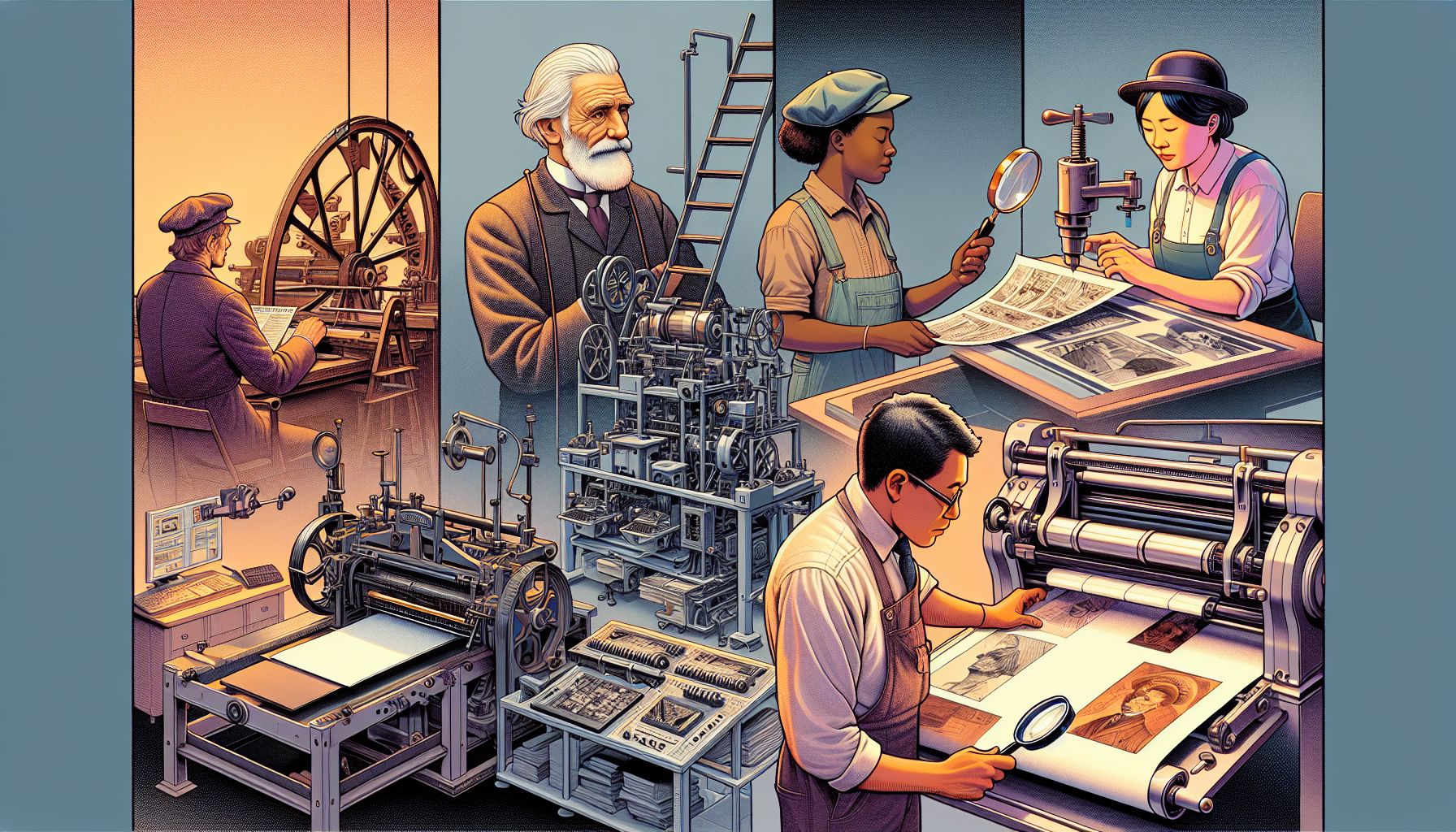
Exploring the World of Printing Techniques
In the world of visual communication, printing techniques play a crucial role in bringing ideas to life. From traditional methods like offset printing to modern digital printing technologies, there are a wide variety of techniques available to suit different needs and requirements. In this article, we will explore some of the most common printing techniques used today, their advantages, and their applications.
Offset Printing
Offset printing, also known as lithography, is one of the most widely used printing techniques in the world. This method involves transferring an inked image from a plate onto a rubber blanket, which then transfers the image onto the printing surface. Offset printing is known for its high quality and accuracy, making it ideal for producing sharp and detailed images. It is commonly used for printing magazines, newspapers, brochures, and packaging materials.
One of the key advantages of offset printing is its ability to reproduce colors accurately, making it a preferred choice for projects that require precise color matching. Additionally, offset printing can accommodate a wide range of paper types and sizes, making it a versatile option for various printing needs.
Digital Printing
Digital printing is a relatively newer technique that has gained popularity in recent years due to its convenience and cost-effectiveness. Unlike offset printing, digital printing does not require plates, making it a faster and more flexible option for smaller print runs. This method involves transferring digital files directly onto the printing surface, eliminating the need for traditional printing plates.
Digital printing offers quick turnaround times and is ideal for projects that require fast production. It also allows for variable data printing, enabling customization of each printed piece for personalized marketing campaigns. Digital printing is commonly used for business cards, flyers, posters, and other short-run projects.
Screen Printing
Screen printing, also known as silk screening, is a versatile printing technique that can be used on a wide variety of surfaces, including paper, fabric, plastic, and metal. This method involves using a stencil or screen to apply ink onto the printing surface, creating a crisp and durable image. Screen printing is popular for producing T-shirts, posters, signage, and promotional products.
One of the key advantages of screen printing is its ability to create vibrant and long-lasting prints. This technique allows for thick layers of ink to be applied, resulting in bold and opaque colors. Screen printing is also cost-effective for large print runs, making it a popular choice for bulk orders.
Flexography
Flexography, also known as flexo printing, is a printing technique commonly used for packaging materials such as labels, cartons, and bags. This method involves using flexible relief plates to transfer ink onto the printing surface. Flexography is known for its high-speed production capabilities and ability to print on a variety of substrates, including paper, plastic, and foil.
Flexography offers consistent and high-quality prints, making it ideal for projects that require precise and detailed images. This technique is also well-suited for printing on uneven or irregular surfaces, making it a versatile option for packaging applications. Flexography is commonly used in the food and beverage industry, as well as in the production of labels and stickers.
Conclusion
Printing techniques play a vital role in bringing ideas to life and communicating messages effectively. Whether you need high-quality prints for a magazine or fast-turnaround projects for a marketing campaign, there are a variety of printing techniques available to meet your needs. From traditional offset printing to modern digital printing technologies, each method offers unique advantages and applications.
By understanding the different printing techniques and their capabilities, you can choose the best option for your project and achieve the desired results. Whether you prioritize color accuracy, quick production times, or durability, there is a printing technique that can meet your requirements. Explore the world of printing techniques and discover the possibilities for bringing your ideas to life.