
Exploring the World of Printing Techniques
From business cards to billboards, printed materials are an essential part of our daily lives. But have you ever stopped to think about the various techniques that go into creating these pieces? Printing has come a long way over the years, with advancements in technology leading to a wide range of methods that can be used to achieve different effects. In this article, we will explore some of the most common printing techniques and how they are used in the industry today.
Introduction to Printing Techniques
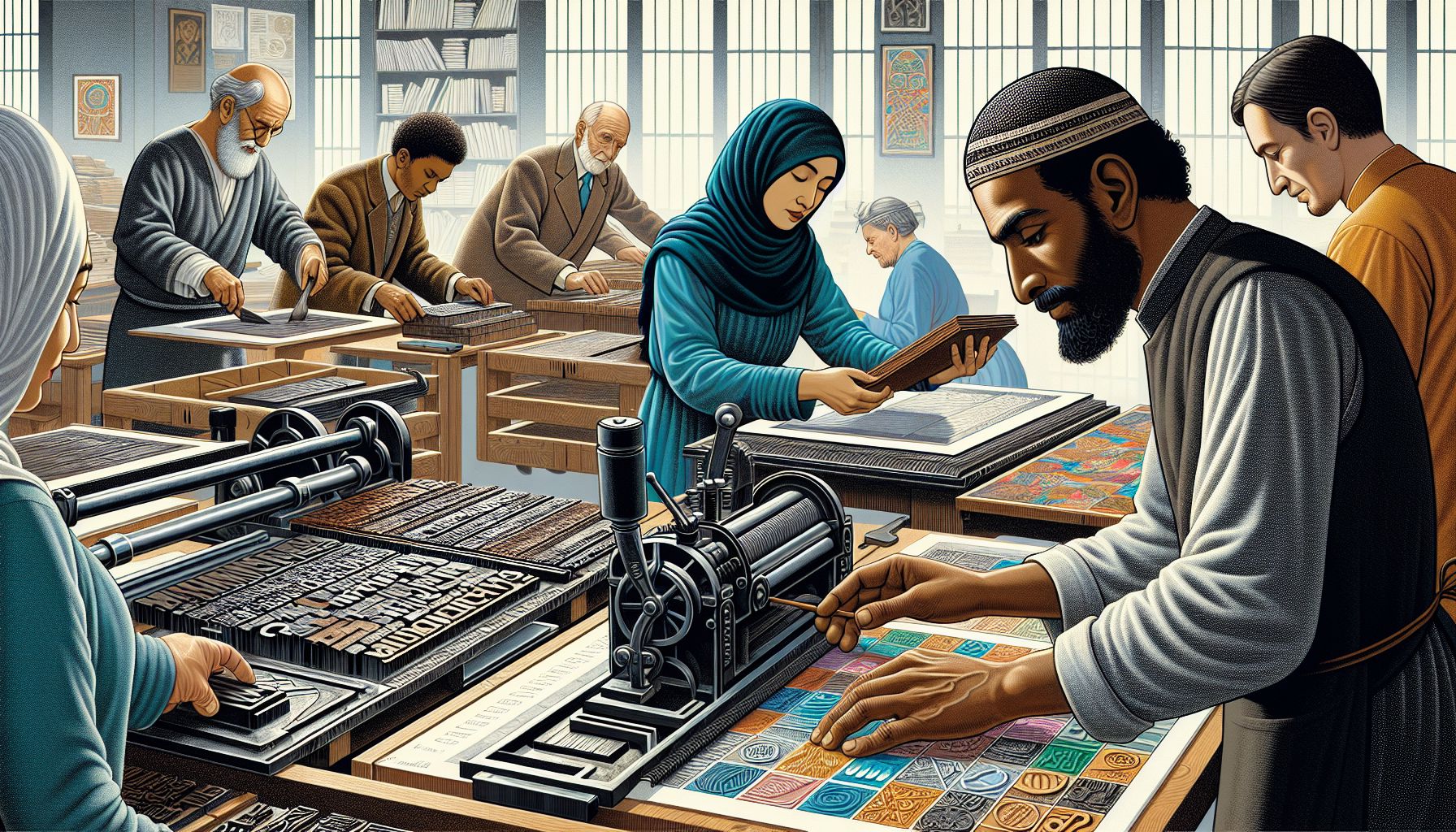
Printing techniques can be broadly categorized into two main types: traditional and modern. Traditional printing methods, such as letterpress and screen printing, have been used for centuries and are still popular among certain audiences for their unique look and feel. Modern printing techniques, on the other hand, utilize digital technology to achieve precise results quickly and efficiently.
Traditional Printing Techniques
-
Letterpress: Letterpress printing is a timeless technique that involves pressing inked metal type onto paper, creating a debossed effect. This method is popular for producing wedding invitations, business cards, and other high-quality printed materials.
-
Screen Printing: Screen printing is a versatile technique that involves transferring ink through a mesh screen onto a substrate. This method is often used for printing on apparel, posters, and signage due to its ability to produce vibrant colors and durable results.
-
Offset Printing: Offset printing is a popular choice for high-volume printing jobs, such as magazines, brochures, and packaging. This method involves transferring ink from a plate onto a rubber blanket, which then transfers the ink onto the paper.
Modern Printing Techniques
-
Digital Printing: Digital printing is a popular choice for short-run printing jobs due to its speed and cost-effectiveness. This method involves transferring digital files directly onto paper or other substrates without the need for plates or screens.
-
UV Printing: UV printing uses ultraviolet light to cure inks instantly, resulting in vibrant colors and crisp details. This method is often used for printing on materials like acrylic, metal, and glass due to its ability to create durable and long-lasting results.
-
Large Format Printing: Large format printing is used to produce oversized prints for things like banners, posters, and billboards. This method utilizes wide-format printers to produce high-quality graphics that are perfect for showcasing brands and promotions.
Considerations When Choosing a Printing Technique
When deciding on a printing technique for your project, there are several factors to consider:
- Budget: Some printing techniques are more cost-effective than others, so it’s important to consider your budget when making a decision.
- Quality: Different printing methods produce different results in terms of color accuracy, detail, and durability, so choose a technique that aligns with your quality standards.
- Timeline: Certain printing techniques may take longer to complete than others, so be sure to factor in your timeline when selecting a method.
- Materials: Consider the type of substrate you will be printing on, as some techniques are better suited for certain materials than others.
Conclusion
Printing techniques play a crucial role in the creation of printed materials, with each method offering unique benefits and challenges. Whether you opt for a traditional technique like letterpress or a modern method like digital printing, it’s important to choose a technique that aligns with your project’s goals and requirements. By understanding the different printing techniques available and their respective advantages, you can make informed decisions that result in high-quality printed materials that stand out from the crowd.